3D Printing: Changing the Future of Real Estate Development
8 February 2026
Imagine a world where homes are built in days instead of months, where labor costs are slashed, and where sustainability isn't just a buzzword—it's a reality. Sounds like a futuristic dream, right? Well, thanks to 3D printing, this dream is quickly becoming a game-changing reality in real estate development.
The way we think about construction is evolving at an astonishing rate, and 3D printing is leading the charge. But what exactly does this technology bring to the real estate industry? Let’s dive in and see how 3D printing is shaking things up.
What Is 3D Printing in Real Estate?
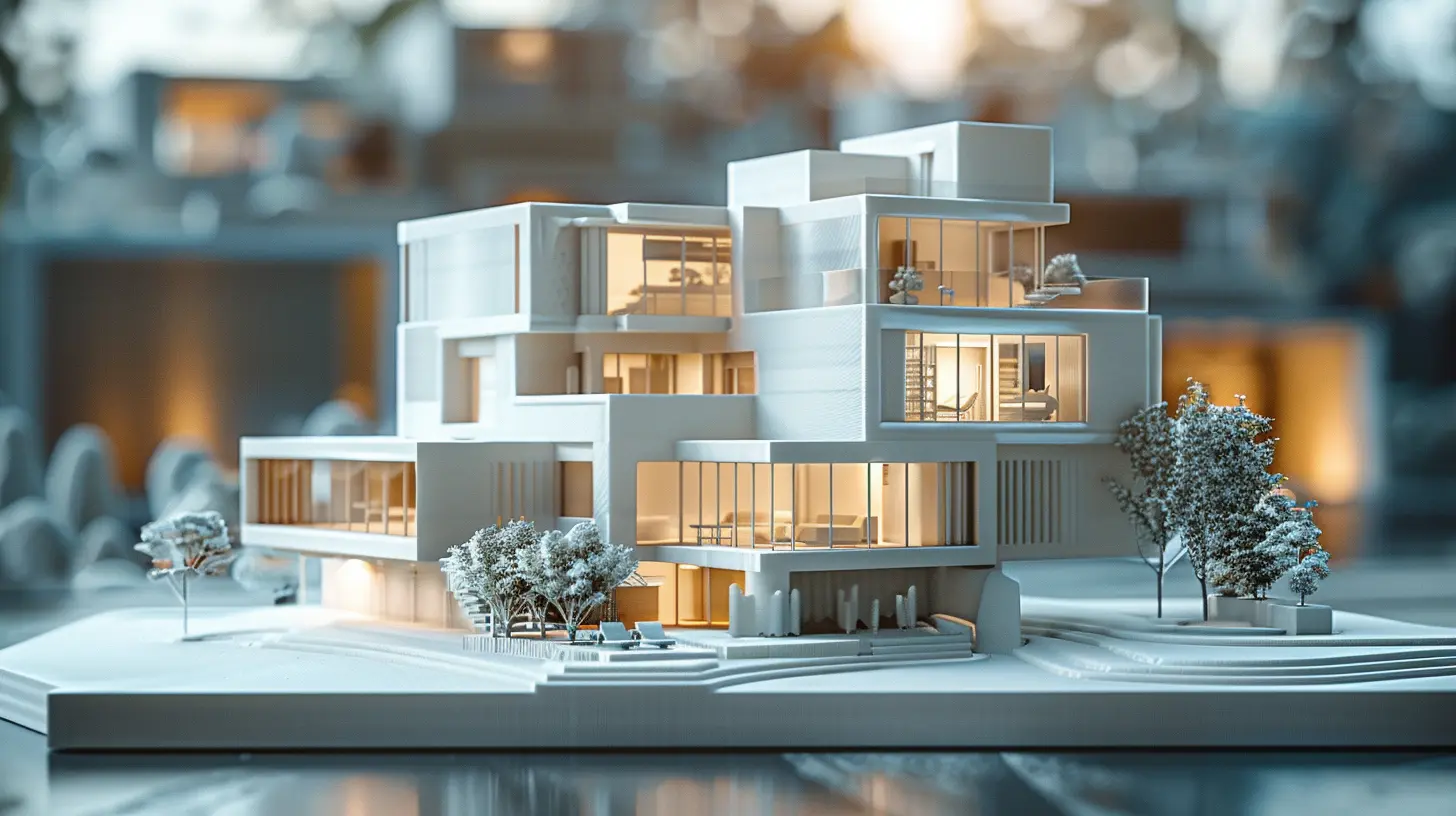
Before we get into the juicy details, let’s break it down. 3D printing in real estate (also known as additive manufacturing) is the process of using specialized printers to build homes and other structures layer by layer—kind of like how your regular printer prints on paper, but on a much grander scale.Using concrete, sand, or other materials, massive robotic printers create walls and entire buildings with precision and efficiency. This method eliminates many of the inefficiencies of traditional construction—think less waste, fewer delays, and lower costs.
Sounds Cool, But How Does It Work?
Great question! 3D printing construction follows a simple yet highly advanced process:1. Design Phase – Architects and engineers create a digital blueprint using specialized software.
2. Material Preparation – The chosen material, typically a concrete mix, is loaded into the printer.
3. Printing Begins – The printer extrudes the material layer by layer, shaping the structure from the ground up.
4. Final Touches – Once the basic structure is printed, human workers add essential elements like doors, windows, and roofing.
This streamlined approach drastically reduces labor and waste while maintaining high durability.
The Game-Changing Benefits of 3D Printing in Real Estate
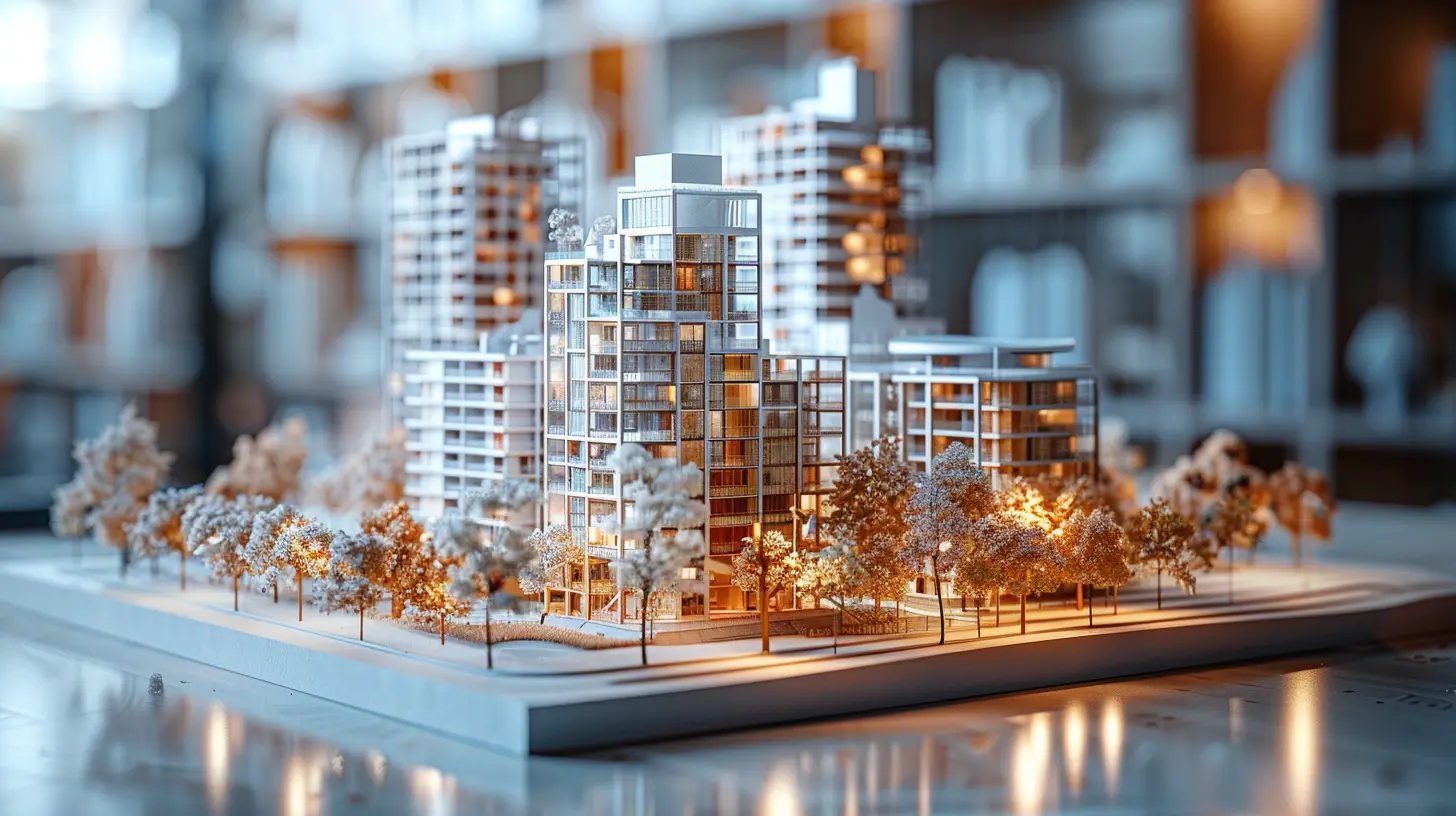
So why all the hype? 3D printing isn’t just a cool new trend—it’s revolutionizing the construction industry. Here’s how:1. Faster Construction
Time is money, right? Traditional building methods can take months or even years to complete. With 3D printing, homes can be built in as little as 24-48 hours!For example, in Texas, an entire small home was printed in just 27 hours. Imagine the possibilities—especially in areas affected by natural disasters or housing shortages.
2. Lower Costs Mean More Affordable Homes
Real estate prices are soaring, and affordable housing is becoming harder to find. 3D printing slashes construction costs by up to 50%, making homeownership more accessible.How? Well, fewer workers are required, material waste is minimal, and time is cut down significantly. It’s a win-win for both builders and buyers.
3. Sustainability and Reduced Waste
Traditional construction is notorious for waste—tons of unused materials end up in landfills. But with 3D printing, materials are used more efficiently, leaving almost zero waste behind.Additionally, some companies are experimenting with recycled and eco-friendly materials, further reducing the environmental footprint. In the fight against climate change, this is a huge deal!
4. Customization Like Never Before
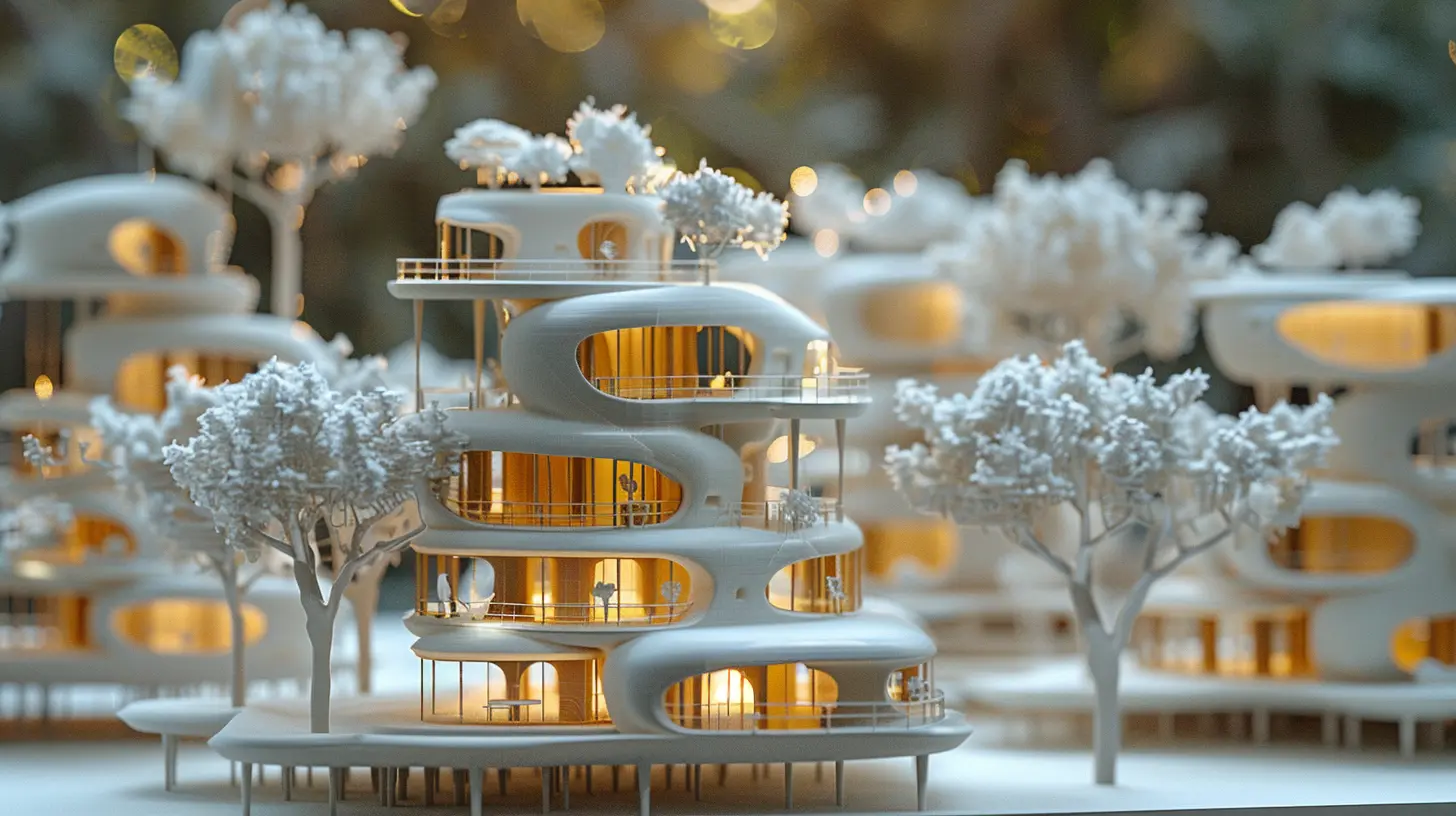
Ever dreamed of designing your own home without blowing your budget? 3D printing makes it possible!With digital blueprints and automated construction, unique architectural designs can be printed at no additional cost. Want curved walls? No problem. Fancy modern shapes? Done! This technology pushes the boundaries of creativity.
5. Building in Remote & Disaster-Prone Areas
Housing crises often hit hardest in rural areas or places impacted by disasters like hurricanes, earthquakes, or fires. Sending traditional construction teams to these locations is expensive and time-consuming.But with 3D printers, homes can be built on-site quickly and efficiently, providing fast and affordable shelter for those who need it most.
Challenges Holding 3D Printing Back
Of course, no new technology is without its hurdles. While 3D printing has enormous potential, it still faces a few roadblocks:1. Regulations & Building Codes
Most building regulations were written with traditional construction in mind. Since 3D-printed homes are relatively new, many areas don’t have clear guidelines on how to approve them. This leads to delays and red tape.2. High Initial Investment
While 3D printing saves money in the long run, the upfront cost of buying and maintaining a massive construction printer is still high. Not all builders can afford this technology just yet.3. Limited Materials & Durability Concerns
Currently, most 3D-printed homes use concrete-based materials. While strong, some experts question whether they can truly stand the test of time, especially in extreme conditions. However, ongoing research is addressing these concerns.4. Workforce Disruption
Fewer workers needed sounds great for companies, but what about laborers? As automation increases, traditional construction jobs may be at risk. The industry must find ways to balance efficiency without completely replacing human workers.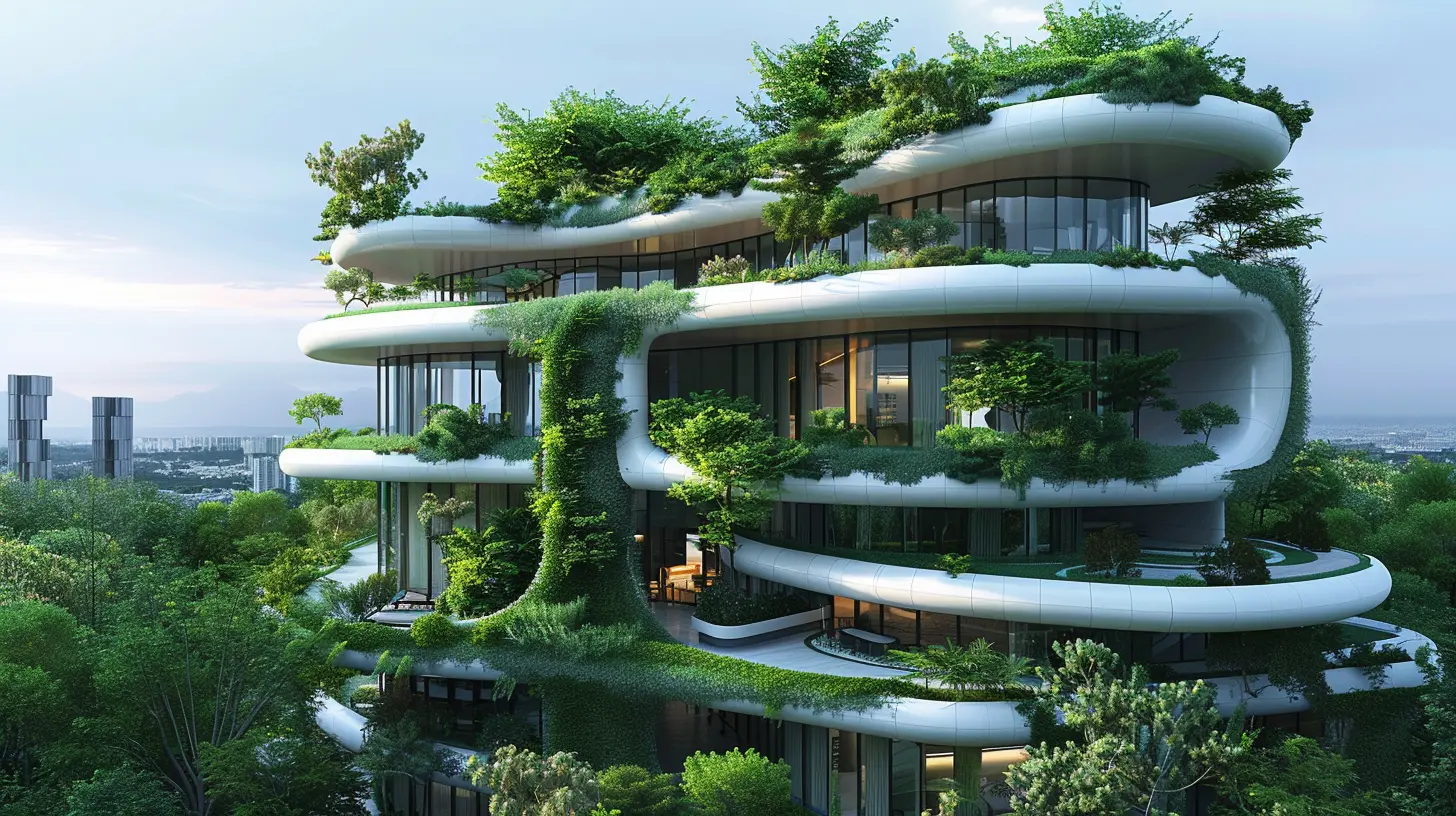
The Future of 3D-Printed Real Estate
So, what’s next? Is 3D printing just a passing trend, or is it here to stay?Considering the rapid advancements, it’s clear that 3D printing isn’t going anywhere. In fact, experts believe it will become a key player in solving housing shortages, increasing sustainability, and making construction faster and more affordable than ever.
Major real estate developers are already investing in this technology, and some governments are looking at 3D printing as a potential solution for affordable housing programs.
In the years to come, we might see entire neighborhoods of 3D-printed homes, cities designed with AI and robotics, and construction that’s faster, cheaper, and more sustainable than anything we’ve seen before.
Will You Live in a 3D-Printed House Someday?
That’s the big question, isn't it? As the technology improves and regulations catch up, the chances of living in a 3D-printed home are becoming more realistic than ever.Whether you're a real estate investor, a homebuyer, or just someone fascinated by futuristic tech, 3D printing is definitely something to watch. The real estate industry is changing before our eyes, and it's an exciting time to be part of it!
all images in this post were generated using AI tools
Category:
Real Estate TechnologyAuthor:

Elsa McLaurin
Discussion
rate this article
2 comments
Anika Gill
Who knew homes could be made as easily as assembling a Lego set? With 3D printing, we’re not just building houses; we’re crafting the future! Get ready for neighborhoods popping up faster than you can say ‘open house!’ Let’s embrace the techy dream of real estate!
February 26, 2026 at 12:16 PM
Elsa McLaurin
Absolutely! 3D printing is revolutionizing real estate by streamlining construction and making housing more accessible. Exciting times ahead!
Nadine Lynch
3D printing revolutionizes real estate, enhancing efficiency and affordability in construction.
February 9, 2026 at 4:07 AM
Elsa McLaurin
Thank you! Indeed, 3D printing is set to transform real estate by streamlining construction processes and reducing costs, paving the way for innovative housing solutions.