Are You Ready for a Retirement Home? Signs to Watch Out For
30 August 2026
Have you ever found yourself wondering whether it’s time to consider moving into a retirement home? It's not an easy question to ask yourself—or bring up with your loved ones. But hey, let's face it—none of us are getting any younger, and acknowledging the shift in your lifestyle needs can actually bring you more peace than you might imagine.
Retirement homes, often called senior living communities, aren’t what they used to be. Gone are the days of cold, clinical facilities. These days, they’re built with comfort, convenience, and community in mind. Still, the decision to make that move is deeply personal. So how do you know if it’s time?
Let’s break it down together. We’re going to walk through the signs that might point toward readiness, and we’re going to do it honestly—with compassion and a touch of humor where it fits. You deserve nothing less.
The Truth About "Readiness"
Before we get into the signs, let’s talk about what “readiness” really means.Readiness isn’t about age. It’s not a number. Some people feel completely independent in their 80s, while others start considering help in their 60s. Readiness is about your lifestyle, your health, your happiness, and how much support you need—or want. And you know what? There’s no shame in wanting more comfort and less hassle.
Think of it like this: you don’t wait for your car to break down before taking it in for a tune-up, right? Opting for a different living arrangement—one that’s designed around your needs—is a proactive step, not a reactive one.
1. Daily Tasks Are Becoming a Chore
Let’s start with the obvious. Are chores that used to be simple starting to feel like a major workout?Maybe mowing the lawn feels more like climbing a mountain. Or cooking dinner now seems like a puzzle with too many pieces. If vacuuming, cleaning, or even getting groceries feels exhausting, you’re not alone. It’s totally normal to outgrow the physical demands of home upkeep.
And hey—no one said you have to keep being a superhero forever.
A retirement home takes those tasks off your plate so you can focus on the good stuff, like morning walks, reading your favorite books, or spending time with the grandkids.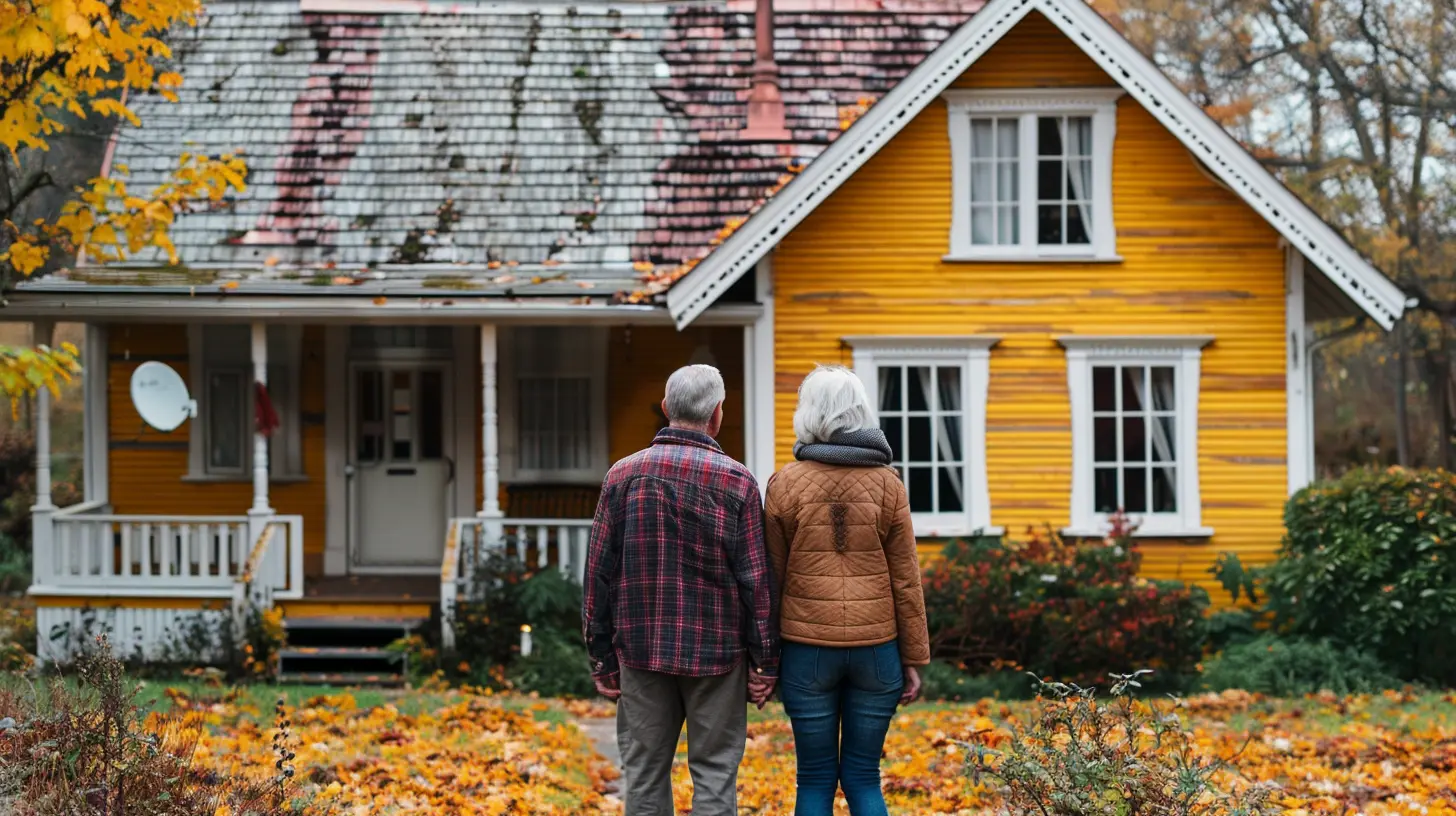
2. You're Feeling More Isolated Than Usual
Loneliness isn’t just a mental health concern—it’s a health concern, period. Study after study shows social isolation can lead to higher risks of heart disease, cognitive decline, and depression.If your social circle has shrunk, your phone isn’t ringing as often, or you find yourself going days without talking to anyone, it might be time to consider a place where connection is built in.
Retirement communities are buzzing with activity. From yoga classes to game nights, and even movie clubs, there’s always something going on. You get to be part of a community without having to drive across town or coordinate a schedule. That sounds like a pretty sweet deal, doesn’t it?
3. Your Health Needs Are Increasing
Let’s keep it real—our bodies change as we age. And sometimes those changes mean we need a little extra help.If you’ve got a list of medications longer than your weekly grocery list, or you’ve had a few too many trips to the doctor lately, it might be time to think about a place where help is just a buzzer away.
Retirement homes often offer on-site healthcare support, medication management, and regular check-ins. It's not about losing independence; it’s about having peace of mind. Because let’s be honest—there’s real comfort in knowing help is close by if you need it.
4. You’ve Had a Fall or Close Call
One of the biggest signs that it’s time to consider a safer environment is falling—or almost falling.Slippery bathroom floors, stairs, uneven rugs—your home can be full of hidden hazards. A single fall can turn into a long recovery process that no one wants to go through.
Modern retirement homes are designed with safety in mind. Non-slip surfaces, grab bars, elevators, and emergency alert systems are standard. So if you’re walking around your house like you're tiptoeing through a minefield, maybe it’s time for an upgrade.
5. Meal Preparation Is a Struggle (or Just Not Fun Anymore)
Cooking used to be a joy, right? Sautéing, baking, trying out that new pasta sauce...But if you’re now living on cereal, frozen dinners, or skipping meals altogether, that’s a red flag.
Nutritional health is critical as we age, and maintaining a balanced diet can feel like a part-time job. In a retirement community, you get chef-prepared meals that are actually good (seriously), and tailored to your health needs. Bonus? No dishes.
6. Getting Around Is Becoming a Hassle
Driving can be stressful—and maybe even dangerous—if your reflexes and vision aren’t what they used to be.Add in bad weather or traffic, and you’ve got a recipe for anxiety. If you’re skipping appointments, avoiding errands, or relying too heavily on others for rides, it might be time to consider a place where transportation is part of the package.
Most retirement homes offer shuttles, ride services, or even scheduled outings. It’s like having your own personal Uber—minus the app.
7. Your Home Feels Too Big or Too Empty
Let’s talk about space. It’s nice to have room to breathe, sure—but are you living in a four-bedroom house solo?Do you spend more time cleaning empty rooms than enjoying them? That’s a whole lot of effort going toward square footage you’re not even using.
Downsizing to a retirement home doesn’t mean giving up—it means letting go. Letting go of space that no longer serves you, and choosing a home that fits your life now. One that’s easier to navigate, maintain, and fill with joy.
8. Your Family Is Worried About You
This one might sting a little—but it’s big.If your kids or grandkids have started asking how you’re doing more often, or if they’ve gently suggested "other living options," they’re not trying to boss you around. They’re worrying about you.
Listen, nobody knows you better than your own people. If the people who love you are voicing concern, try to hear it with an open heart. They just want you safe and happy.
A retirement home can ease their minds—and yours.
9. You Crave a Change in Pace or Scenery
Sometimes, it’s not about health or mobility. Sometimes, you just want something different.Maybe you feel stuck in a rut. Your days are all starting to look the same. You want more interactions, more activities, more fun.
Guess what? You can have all that and still be in control of your own schedule in a retirement home. You’re not giving up freedom—you’re gaining options.
It’s like choosing all the good stuff on the menu and skipping the side of stress.
10. You’ve Already Started Thinking About "What’s Next"
Maybe you’ve been browsing real estate sites or peeking at brochures. Maybe you’ve even driven past a few retirement communities, just out of curiosity.Those aren’t random thoughts. That’s your inner voice exploring possibilities. Deep down, you might already know it’s time—and that’s okay.
Making the move doesn’t have to feel like the end of something. It can be the beginning of a brand-new chapter filled with comfort, companionship, and care.
Final Thoughts: It’s Okay to Want Ease
Listen, moving into a retirement home isn’t “giving up.” It’s giving in—to comfort, to community, and to a lifestyle that supports you.At the end of the day, the decision is yours. Don’t let guilt, fear, or old labels stop you from creating a life that’s easier and more fulfilling. The best part? You're not alone. Millions have made the move and found it to be one of the best decisions of their life.
If even a few signs from this list felt familiar, maybe it’s time to start having the conversation. Not out of urgency—but out of love. For yourself and your future.
Hey, you've spent a lifetime taking care of others, managing a home, doing the right thing. Maybe it's finally time to take care of you.
all images in this post were generated using AI tools
Category:
Retirement HomesAuthor:

Elsa McLaurin
Discussion
rate this article
2 comments
Vanya Wallace
If you're packing, it's time to start living!
September 13, 2026 at 5:02 AM
Devin Jones
This article hits the mark. Recognizing the signs for a retirement home can be tough. It's crucial to stay aware of your needs and preferences. No one should rush such an important decision.
August 30, 2026 at 4:02 AM
Elsa McLaurin
Thanks for your thoughts! It's definitely a big decision, and being mindful of our needs is key. Glad you found the article helpful!