Buying a Starter Home vs Renting a Luxury Apartment
12 November 2026
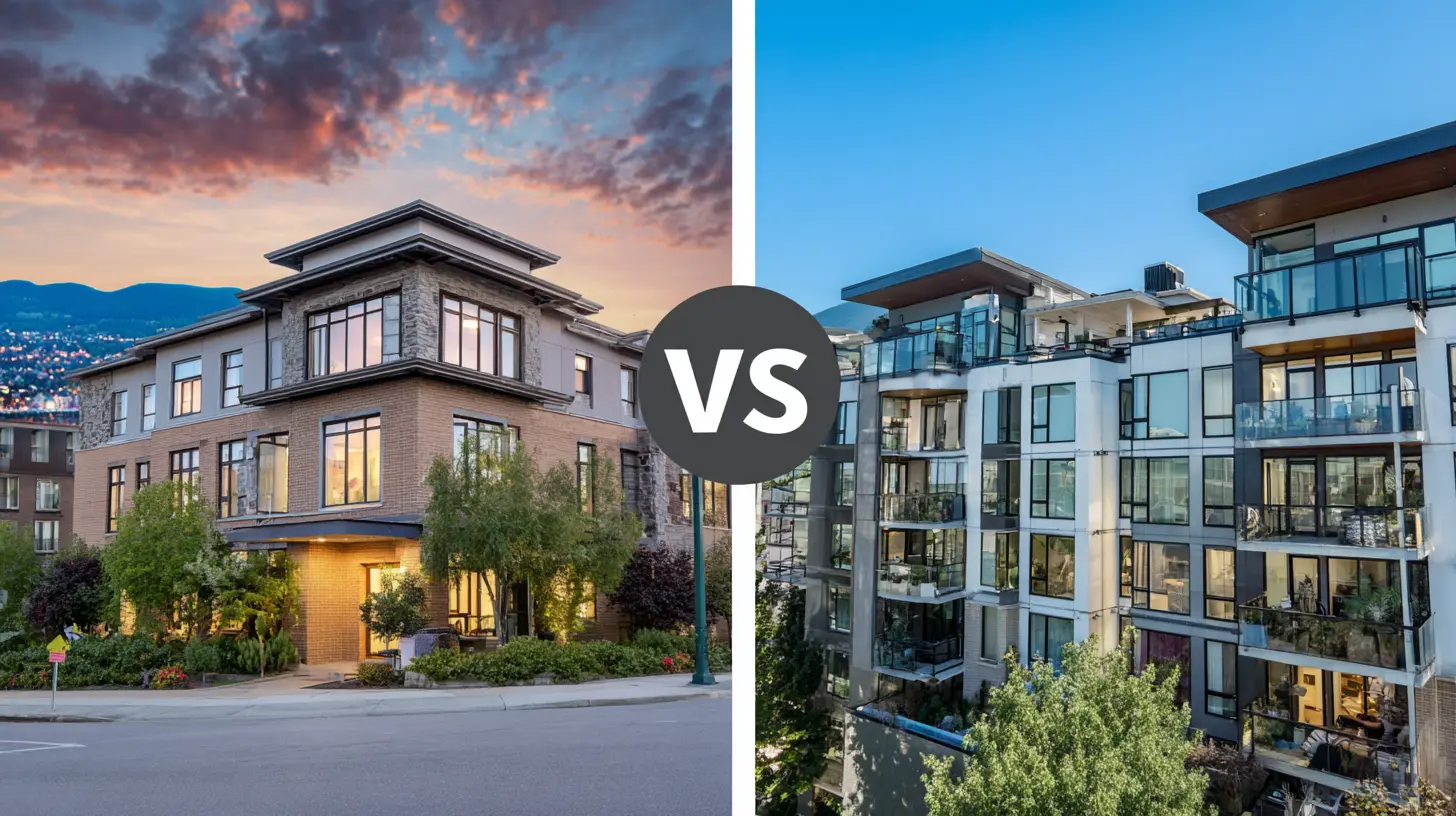
When it comes to housing decisions, the choice between buying a starter home and renting a luxury apartment can be a significant one. Both options have their unique advantages and challenges, tailored to different lifestyles, financial situations, and future goals. This article delves into the intricacies of both paths, providing insights, practical advice, and real-world examples to help you make an informed decision.
Understanding Your Needs
Before diving into the financial aspects of buying a starter home or renting a luxury apartment, it's essential to understand your current needs and future aspirations.Lifestyle Considerations
1. Personal Lifestyle: Are you someone who values flexibility and mobility? Renting may be better suited for you. On the other hand, if you seek stability and the chance to plant roots, buying a home could be the way to go.2. Future Plans: Consider your long-term plans. Do you plan to start a family, or are you content with a more transient lifestyle? Families often benefit from the space and permanence that a starter home provides, while young professionals may prefer the conveniences associated with luxury apartments.
3. Work Location: Proximity to work can significantly influence your decision. If you work in a bustling city center, a luxury apartment might reduce your commute time. Conversely, if you work remotely or in suburbs, a starter home could offer more space for comfort and productivity.
Financial Readiness
1. Income Stability: Assess your job security and income levels. Buying a home usually requires a stable income stream and the ability to cover mortgage payments, property taxes, and maintenance costs. Renting may offer lower upfront costs and additional flexibility.2. Credit Score: A strong credit score can significantly impact your mortgage rates, making home buying more appealing if your score is good. For those with lower scores, renting might be a more accessible option without the stringent requirements of a mortgage approval.
3. Down Payment vs Security Deposit: Buying a home typically requires a substantial down payment, which can range from 3% to 20% of the home's price. Renting, however, usually only requires a security deposit, which is often much lower.

Pros and Cons of Buying a Starter Home
Advantages
1. Equity Building: One of the most significant benefits of buying a starter home is the ability to build equity. Over time, as you pay down your mortgage, your ownership stake in the property increases, providing you with a financial asset that can appreciate in value.2. Stability: Homeownership can offer a sense of stability that renting may not provide. You have control over your living space, and you won't face the uncertainty of rent increases or lease non-renewal.
3. Customization: As a homeowner, you can modify your space to reflect your personal style. From renovations to landscaping, the choices are yours, which can enhance your sense of belonging and satisfaction.
Disadvantages
1. Upfront Costs: The initial costs associated with buying a home can be daunting. Besides the down payment, you may encounter closing costs, inspection fees, and renovation expenses.2. Ongoing Maintenance: Homeownership comes with the responsibility of upkeep. Whether it's fixing a leaky roof or maintaining the yard, these ongoing costs can strain your budget.
3. Market Risk: Real estate markets can fluctuate, and while your home may appreciate, there's always a risk involved. Economic downturns can affect property values, which means your investment may not always yield the expected returns.

Pros and Cons of Renting a Luxury Apartment
Advantages
1. Flexibility: Renting offers unmatched flexibility. If your job moves you to a new city or your personal circumstances change, it's much easier to relocate without the burden of selling a property.2. No Maintenance Worries: Many luxury apartments come with maintenance services. This means you can enjoy amenities without worrying about repairs, allowing for a more carefree lifestyle.
3. Access to Amenities: Luxury apartments often feature high-end amenities such as pools, gyms, and concierge services, providing a lifestyle that can enhance your overall living experience.
Disadvantages
1. No Equity: Rent payments contribute to your landlord's equity, not yours. Over time, this can add up to significant sums without any financial return on your investment.2. Rent Increases: Renting comes with the risk of rent increases when your lease is up for renewal, which can strain your budget over time.
3. Limited Control: As a tenant, you have limited control over your living space. Changes must often be approved by the landlord, which can be frustrating for those wanting to personalize their environment.
Financial Implications
Cost Analysis
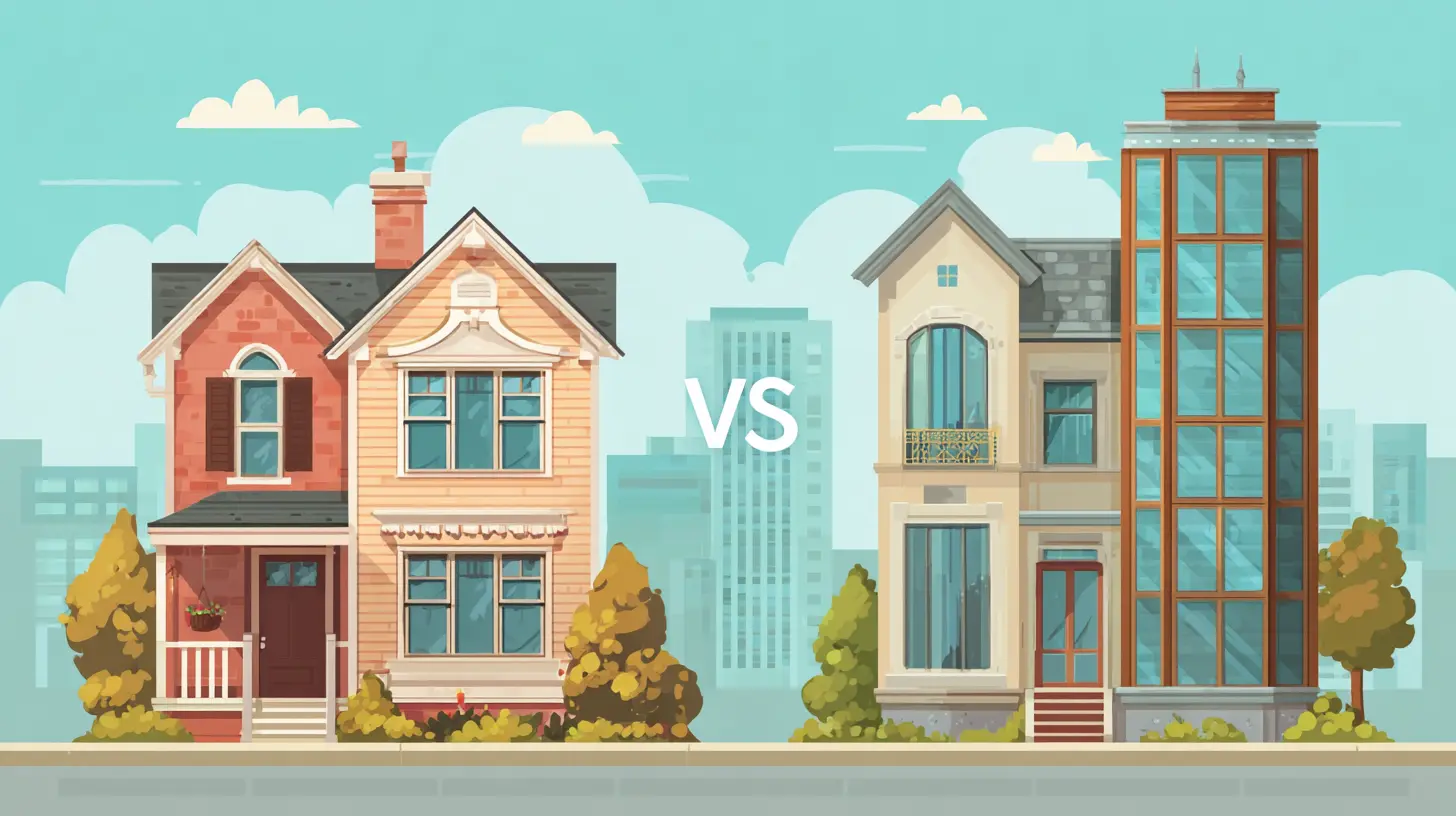
When weighing the financial implications of buying a starter home versus renting a luxury apartment, it's crucial to conduct a thorough cost analysis.1. Monthly Payments: Compare your potential mortgage payment with current rental prices for luxury apartments in your desired area. Remember to include property taxes and homeowners insurance in your mortgage calculations.
2. Utility and Maintenance Costs: Homeowners should budget for regular maintenance, which can average 1% of the home's value annually. Renters may have lower utility costs but should consider how much of their rent covers amenities.
3. Market Trends: Research local real estate trends and rental markets. In some areas, home values are rising rapidly, making buying more attractive. Conversely, in areas with stable or declining markets, renting may be the better option.
Financing Options
1. Mortgages: When buying a home, explore various mortgage options. Fixed-rate mortgages provide stable payments, while adjustable-rate mortgages can offer lower initial rates but may increase over time.2. Renting: For renters, look for apartments with flexible lease terms. Some landlords offer incentives for longer leases, which can help lock in lower rates.
Common Mistakes to Avoid
Whether you choose to buy a starter home or rent a luxury apartment, awareness of common pitfalls can help you avoid costly mistakes.1. Not Considering Hidden Costs: Many first-time homebuyers overlook hidden costs like closing fees, home inspections, and repairs. Renters may forget to budget for utilities or amenity fees. Always factor in these additional costs when making your decision.
2. Ignoring Future Needs: It's easy to focus solely on your current situation without considering future needs. A starter home should meet your needs for several years, while renting should provide flexibility for potential life changes.
3. Rushing the Decision: The pressure to buy or rent can lead to hasty decisions. Take your time, weigh your options, and seek professional advice if needed.
Making an Informed Decision
the choice between buying a starter home and renting a luxury apartment comes down to your individual lifestyle, financial situation, and future goals. Here are a few steps to guide your decision-making process:1. Assess Your Situation: Take stock of your current lifestyle, financial readiness, and long-term objectives. Write down what matters most to you.
2. Consult Professionals: Speak with real estate agents, financial advisors, or mortgage brokers to gain insights and understand the market dynamics in your area.
3. Visit Properties: If possible, visit both starter homes and luxury apartments. Getting a feel for the space and amenities can make your decision more tangible.
4. Crunch the Numbers: Use online calculators to compare the cost of homeownership versus renting. Factor in your personal financial situation, such as debt-to-income ratios and savings.
5. Think Long-Term: Consider how your decision impacts your future. Will buying provide a solid investment, or will renting allow you to pursue opportunities elsewhere?
Conclusion
The choice between buying a starter home and renting a luxury apartment is not merely financial; it reflects your lifestyle preferences, future aspirations, and personal values. By understanding the nuances of each option and carefully considering your unique circumstances, you can make a decision that aligns with your life's goals. Take your time, do thorough research, and remember that both options come with their own set of rewards and challenges.
all images in this post were generated using AI tools
Category:
Buying Vs RentingAuthor:

Elsa McLaurin