Buying Your Dream Home on a Budget: Here’s How
10 February 2026
Owning a dream home is something we all aspire to, right? But, let’s be real—affording that perfect house isn’t always easy. With soaring property prices, tight budgets, and unexpected costs, it might seem impossible to buy your dream home without breaking the bank.
Well, good news! It's totally doable. You don’t need a six-figure salary or a bottomless bank account to secure a home that meets your needs and lifestyle. With strategic planning, smart financial choices, and a little creativity, you can absolutely find (and afford) your dream home—without going broke.
Let's dive into some practical, no-nonsense strategies to help you buy a house that feels like home, all while sticking to your budget. 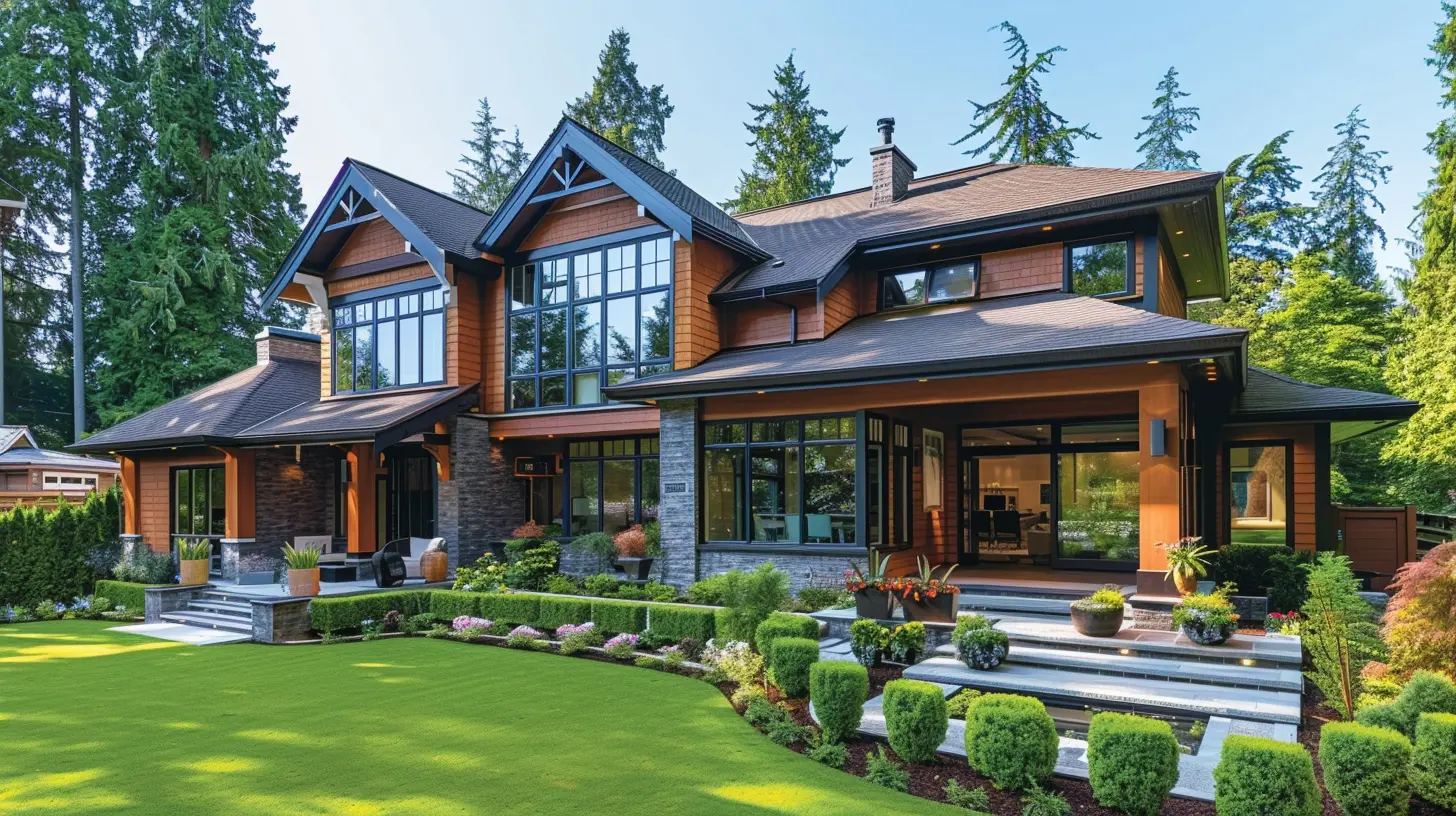
1. Define Your "Dream Home" (Realistically)
Before you start scrolling through listings, take a step back. What does your dream home really look like?Sure, a beachfront mansion with an infinity pool sounds amazing, but is it realistic on your budget? Instead, prioritize:
- Must-haves (the non-negotiables)
- Nice-to-haves (features that would be great but aren’t deal-breakers)
- Dream features (luxuries you can add later)
For example, if you're working remotely, a home office might be a must-have. But do you really need that giant walk-in closet right now? Probably not. The key is balancing practicality with aspiration. 
2. Get Your Finances in Order
Money talks, and when it comes to buying a home, lenders are listening. Before house hunting, do a deep dive into your financial health.Check Your Credit Score
A higher credit score can save you thousands by securing a lower mortgage rate. If your score isn’t where you'd like it to be, work on improving it:✔ Pay off outstanding debts
✔ Avoid opening new credit accounts
✔ Pay bills on time
Get Pre-Approved for a Mortgage
This gives you a clear picture of how much you can actually afford. A pre-approval also makes you look serious to sellers, which can be a game-changer in competitive markets.Set a Realistic Budget
Just because a bank approves you for a specific loan amount doesn’t mean you should max it out. Stick to a price range that keeps your mortgage payments comfortable while leaving room for unexpected expenses.
3. Consider “Hidden Gem” Locations
You don’t need to buy a home in the most expensive neighborhood in town. Instead, widen your search to areas that are:✔ Up-and-coming (but still affordable)
✔ Slightly outside prime locations
✔ Well-connected with good infrastructure
Often, buying just 10–20 minutes outside a major city can save you tens of thousands of dollars while still offering great amenities. Plus, homes in these areas often appreciate faster, meaning you build equity more quickly. 
4. Look for Fixer-Uppers (But Be Smart About It)
A move-in-ready home is convenient, but it also comes with a higher price tag. If you're open to a little sweat equity, a fixer-upper can save you a ton of money.That said, there’s a big difference between "needs a little TLC" and "money pit". Avoid homes with major structural, plumbing, or electrical issues. Instead, target houses that need cosmetic upgrades—think paint, flooring, cabinets, or landscaping.
5. Negotiate Like a Pro
Buying a home isn't like shopping at Target—you don’t have to pay the sticker price. In fact, negotiation is expected!Here are some ways to negotiate smartly:
✔ Offer below asking price (but not insultingly low)
✔ Ask for seller concessions (like closing cost assistance)
✔ Request repairs or credits (if the home inspection reveals issues)
If you work with a skilled real estate agent, they can help you craft an offer that saves you money while keeping sellers interested.
6. Explore Alternative Financing Options
Traditional mortgages aren’t the only way to finance your home. Depending on your situation, you might qualify for programs that lower your costs or require smaller down payments.First-Time Homebuyer Programs
Many governments (both local and national) offer first-time buyer perks, including low-interest loans, grants, or tax credits.USDA Loans (For Rural Areas)
If you're open to living in less urban areas, USDA loans allow you to buy a home with 0% down.FHA Loans (For Lower Credit Scores)
These loans require just 3.5% down, making homeownership more accessible if your credit score isn’t perfect.VA Loans (For Veterans)
If you’re a military veteran, a VA loan allows you to buy a home with zero down payment and no PMI (private mortgage insurance).7. Save on Closing Costs
A lot of buyers focus on the home price but forget about closing costs, which can add up fast. These include loan origination fees, title insurance, appraisal fees, and more.How to Cut Closing Costs:
✔ Compare lenders to find the best fee structures✔ Ask the seller to cover a portion of your closing costs
✔ See if there are any grants or programs covering closing fees
Even shaving off a few thousand dollars here can free up cash for furniture or renovations.
8. Be Patient and Strategic
Impulse-buying a home is a recipe for financial stress. Take your time. Market conditions fluctuate, and good deals don’t happen overnight.Time Your Purchase
Certain times of the year (like winter or early fall) tend to have less competition, meaning sellers might be more willing to negotiate.Stay Persistent
If you lose out on a house, don’t panic. There are always other properties. Stay flexible, keep searching, and trust that the right home will come along.9. Think Long-Term Value
Buying a home is one of the biggest financial decisions you’ll ever make, so think ahead.✔ Is the neighborhood growing in value?
✔ Will the home meet your needs in 5-10 years?
✔ Are there opportunities to upgrade and build equity?
Your dream home doesn’t have to be your forever home. It’s okay to start with something that checks most of your boxes, then upgrade later.
Final Thoughts
Buying your dream home on a budget isn’t a fantasy—it’s 100% possible with the right approach. By being flexible, thinking strategically, and making smart financial moves, you can secure a home you love without drowning in debt.Remember, a dream home isn’t about having the biggest house or the trendiest features—it’s about finding a place where you feel comfortable, happy, and secure.
So, ready to start house hunting? Go for it!
all images in this post were generated using AI tools
Category:
Buyers GuideAuthor:

Elsa McLaurin
Discussion
rate this article
2 comments
Priscilla Adams
Unlock your dream home without breaking the bank! By prioritizing your needs, exploring emerging neighborhoods, and staying flexible, you can turn your vision into reality. Remember, it’s not just about the house; it’s about creating a life you love.
March 2, 2026 at 11:41 AM
Elsa McLaurin
Thank you! Prioritizing needs and being flexible are key strategies for finding an affordable dream home that fits your lifestyle.
Zeke Hines
Absolutely loved this article! It’s so inspiring to see that you can find your dream home without breaking the bank. The tips are practical and easy to follow, making homeownership feel achievable for everyone. Excited to start my journey with this valuable advice! 🌟🏡
February 11, 2026 at 5:15 AM
Elsa McLaurin
Thank you so much! I'm thrilled to hear you found the tips helpful and inspiring. Wishing you all the best on your journey to homeownership! 🏡✨