Costs Associated with Buying a Vacation Home: What to Expect
2 January 2026
Owning a vacation home sounds like a dream, right? A cozy getaway spot where you can escape whenever you want—no hotel bookings, no hassles. But before you jump into buying one, it’s crucial to understand the true cost of ownership. Because let's be honest, a vacation home isn't just about sipping margaritas by the beach or unwinding in the mountains; it's also about the financial commitment that comes with it.
So, what exactly should you expect when it comes to costs? Let’s break it all down so you can make an informed decision. 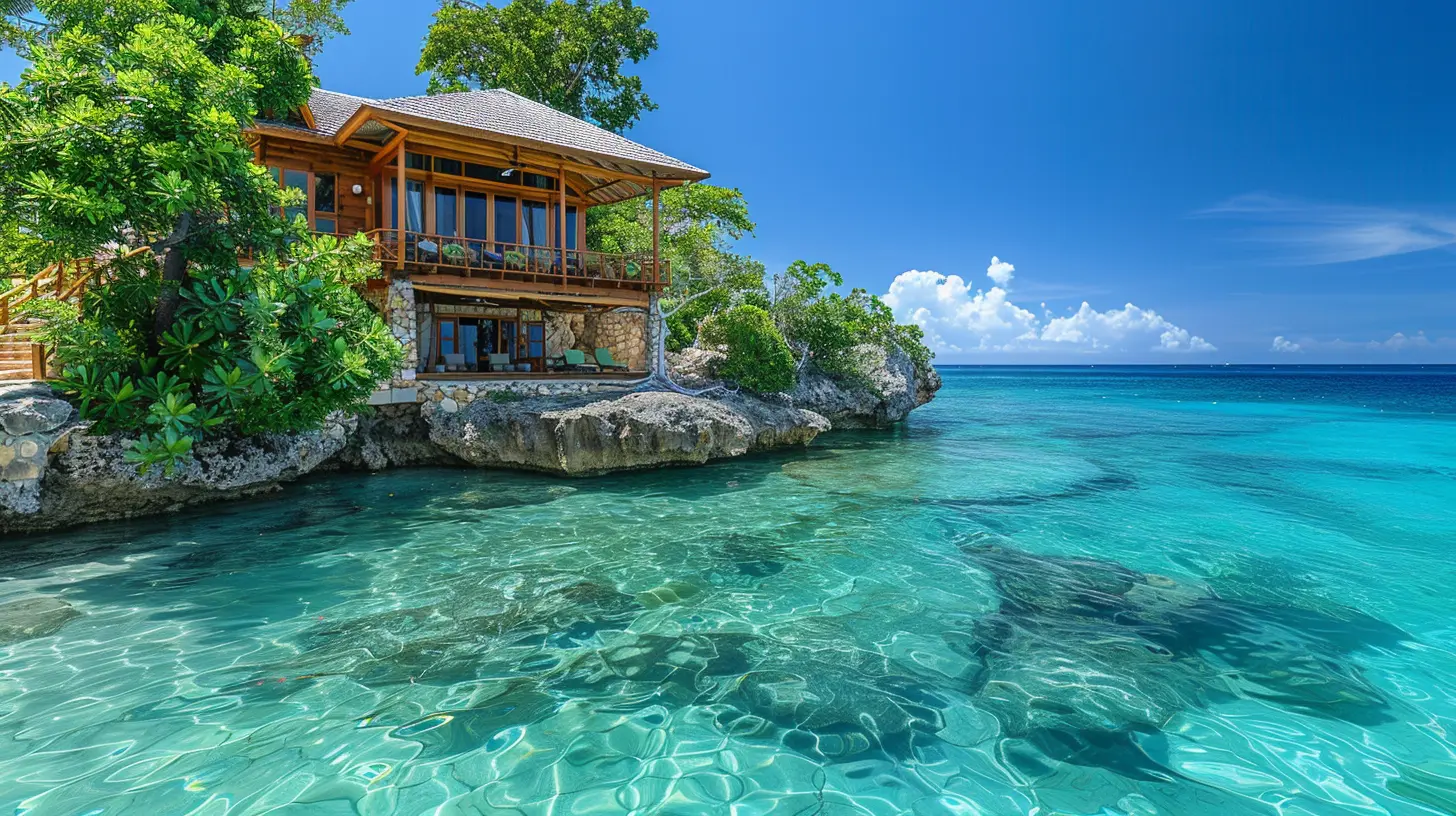
1. The Actual Purchase Price
First things first—how much does the home cost? The price of a vacation home varies widely depending on its location, size, and amenities. A beachfront property in Malibu? That'll cost you a fortune. A cabin in the woods? Probably much cheaper.Factors that influence the price include:
- Location: Properties in high-demand tourist areas will be significantly more expensive.
- Size & Features: A five-bedroom villa with a pool will cost more than a small condo.
- Market Conditions: If it's a seller’s market, expect higher prices and bidding wars. 
2. Down Payment & Mortgage Costs
Unlike a primary residence, lenders see vacation homes as a higher risk. That means stricter requirements for financing.- Down Payment: You’ll likely need at least 10-30% down, depending on your credit and the lender.
- Interest Rates: Expect slightly higher rates compared to a primary home. Lenders assume you're more likely to default on a second property than your main home.
- Loan Terms: Some lenders require shorter loan terms, which means higher monthly payments. 
3. Property Taxes
Just like your main home, your vacation home comes with property taxes. However, if it’s located in a high-tax area, this could be a hefty expense.- Tax Rates Vary: States and counties have different rates, so do your research beforehand.
- Rental Implications: If you’re planning to rent out your vacation home, expect additional tax responsibilities. 
4. Homeowners Insurance
You’ll need solid homeowners insurance to protect your investment. Vacation homes often have higher insurance rates because they’re vacant for extended periods.- Natural Disaster Coverage: If your home is near the beach, check if flood or hurricane insurance is required.
- Theft or Vandalism: Since vacation homes are unoccupied for stretches of time, they can be more prone to break-ins.
Expect to pay more if your vacation home is in a high-risk area.
5. HOA Fees (If Applicable)
If your property is in a gated community, condo complex, or resort-style neighborhood, you’ll likely have to pay Homeowners Association (HOA) fees.- Monthly or Annual Fees: These cover shared amenities like pools, landscaping, and security.
- Special Assessments: Occasionally, the HOA might impose extra fees for community-wide renovations or repairs.
HOA fees can range from a few hundred to several thousand dollars annually, so factor this into your budget.
6. Maintenance & Upkeep Costs
Owning a home means ongoing maintenance, and vacation homes often require more attention since they sit vacant for long periods.- Regular Maintenance: Cleaning, HVAC servicing, lawn care, pest control, and general repairs.
- Seasonal Maintenance: If your home is in a cold climate, winterizing it will be necessary. Beach homes may need extra upkeep due to salt air corrosion.
- Emergency Repairs: Water heater breaks? Roof leaks? Having a vacation home means unexpected costs can pop up anytime.
A good rule of thumb is to set aside 1-2% of the home's value each year for maintenance expenses.
7. Utilities & Services
Even if you're not there year-round, you'll still need to cover utility costs.- Electricity, Water, & Gas: Some utility providers charge a base fee even if usage is low.
- Internet & Cable: If you plan to rent it out, you'll likely need a good Wi-Fi and cable service.
- Trash Removal & Landscaping: Some cities require regular trash pickup, and you'll want to keep the yard looking nice.
Small costs can add up quickly, especially if utilities are pricey in your vacation home's location.
8. Property Management Fees (If Renting Out)
Thinking of renting your vacation home on Airbnb or VRBO? Great idea! But managing a short-term rental isn’t always a walk in the park.- Property Management Fees: If you don’t want to deal with bookings, cleanings, and tenant issues, you’ll need a property manager. This can cost 10-30% of your rental income.
- Cleaning Fees: Between guest stays, cleaners must come in and tidy up.
- Marketing & Listing Fees: Platforms like Airbnb charge service fees; professional photos and ads may cost extra.
While renting out your home can generate income, don’t forget about the expenses that come with it.
9. Travel Costs To & From Your Vacation Home
Unless your vacation home is a short drive away, you’ll need to consider travel expenses.- Flights & Gas: If it's far away, airfare could be a recurring expense.
- Car Rentals: If the home is in a remote location, you'll need transportation.
- Time Off Work: If you’re frequently visiting, don't forget the opportunity cost of taking time away from work or business.
Ignoring travel costs can lead to unexpected budget strains.
10. Furnishing & Décor Costs
An empty house isn’t very inviting. Whether you're using it yourself or renting it out, you’ll need furniture and decor to make it comfortable.- Basic Furnishings: Beds, sofas, dining sets, and kitchenware.
- Outdoor Additions: If you're near the beach, you might want outdoor seating, a fire pit, or a grill.
- Maintenance of Furnishings: Over time, things like mattresses, couches, and appliances will need replacing.
Furnishing a vacation home can cost anywhere from $5,000 to $50,000+, depending on your taste and home size.
11. Local Laws & Regulations
Different areas have different rules regarding vacation homes, especially if you plan to rent it out.- Short-Term Rental Restrictions: Some cities limit Airbnb-style rentals or require permits.
- Zoning Laws: Certain areas restrict how properties can be used.
- Tax & Licensing Fees: Depending on your location, rental income may be subject to local taxes.
Ignoring local rules can lead to fines or restrictions on how you use your vacation home.
Final Thoughts: Is It Worth It?
Buying a vacation home is an exciting but major financial decision. While it offers relaxation, potential rental income, and long-term investment value, the ongoing costs can add up fast.Before jumping in, crunch the numbers, set a realistic budget, and evaluate how often you'll use the property. If everything checks out, owning a slice of paradise might just be worth it!
all images in this post were generated using AI tools
Category:
Vacation HomesAuthor:

Elsa McLaurin
Discussion
rate this article
2 comments
Khloe McQuaid
Great article! It’s crucial to be aware of the various costs involved in buying a vacation home. Understanding these expenses can help make the process smoother and more enjoyable.
February 2, 2026 at 5:10 AM
Elsa McLaurin
Thank you for your feedback! I'm glad you found the article helpful in navigating the costs of buying a vacation home.
Sage Baxter
In sunlit dreams where whispers dwell, A vacation home casts its spell. Yet, hidden costs may softly creep— Prepare, invest, and joyfully leap, For paradise isn’t always cheap.
January 5, 2026 at 7:46 PM
Elsa McLaurin
Absolutely! Your poem captures the essence of the hidden costs of owning a vacation home beautifully. It's crucial for buyers to be aware of all expenses to truly enjoy their paradise.