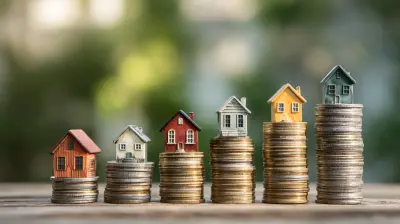
Eco-Friendly Retirement Homes: Are They Worth It?
7 June 2026
Retirement—it’s a word that packs a punch. For many of us, it’s the golden chapter of life we anticipate with both excitement and a fair bit of uncertainty. After decades of work, responsibility-packed schedules, and raising families, retirement is meant to be a fresh start, filled with peace, comfort, and—hopefully—a splash of adventure. But here's a twist: what if your retirement plan could also help the planet?
Welcome to the world of eco-friendly retirement homes. They’re popping up all over—designed to tread lightly on the Earth while offering retirees a modern, comfortable lifestyle. But the big question remains: are they worth it?
Let’s dive in, shall we?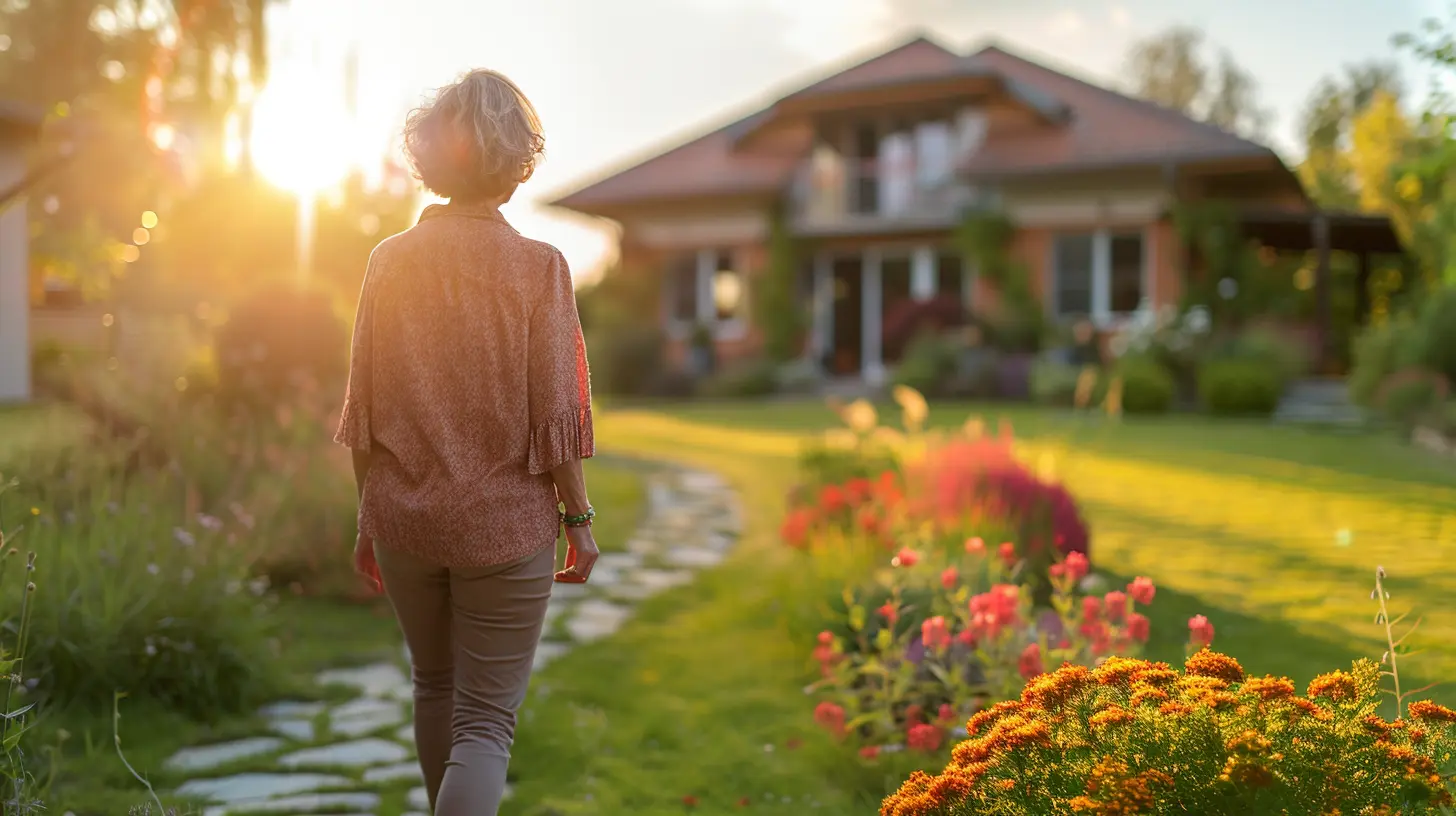
What Are Eco-Friendly Retirement Homes, Anyway?
First things first—what exactly makes a retirement home “eco-friendly”?In a nutshell, these are residential communities or facilities designed with sustainability in mind. They often include features like solar panels, energy-efficient appliances, water-saving systems, non-toxic building materials, and lush green spaces filled with native plants. But it’s not just about the buildings—it’s about the lifestyle.
Many eco-friendly retirement homes promote walkability, offer community gardens, prioritize local food sourcing, and encourage low-impact transportation options (think electric car charging stations or bike lanes!). They're built to reduce environmental impact while enhancing the quality of life for retirees.
So, instead of sprawling, high-energy-consuming developments, these communities aim to harmonize with nature. Pretty cool, right?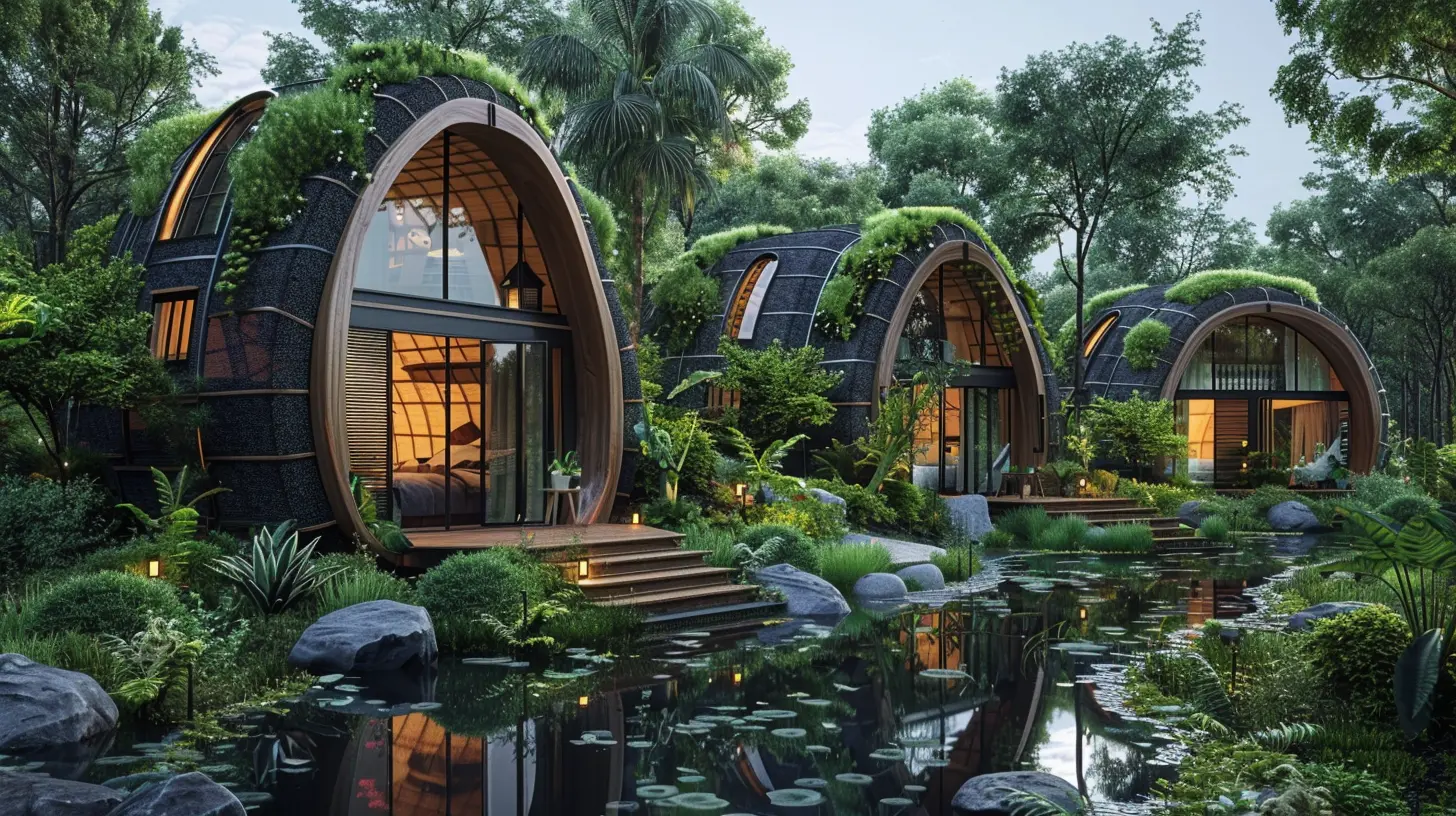
The Soaring Interest in Sustainable Living
Let’s face it—the world is changing. Climate change, rising utility costs, and an increasing awareness of environmental issues are pushing people to rethink how and where they live. This shift isn’t just for millennials wearing hemp shirts and sipping kombucha.Older adults—especially Baby Boomers—are becoming more eco-conscious too. They've seen the planet evolve (and not always for the better), and many want to leave a lighter footprint behind.
In fact, many retirees are among the leading adopters of sustainable lifestyles. They have the time, the resources, and the will to support causes that matter. So, eco-friendly retirement homes? They’re ticking all the right boxes for this generation.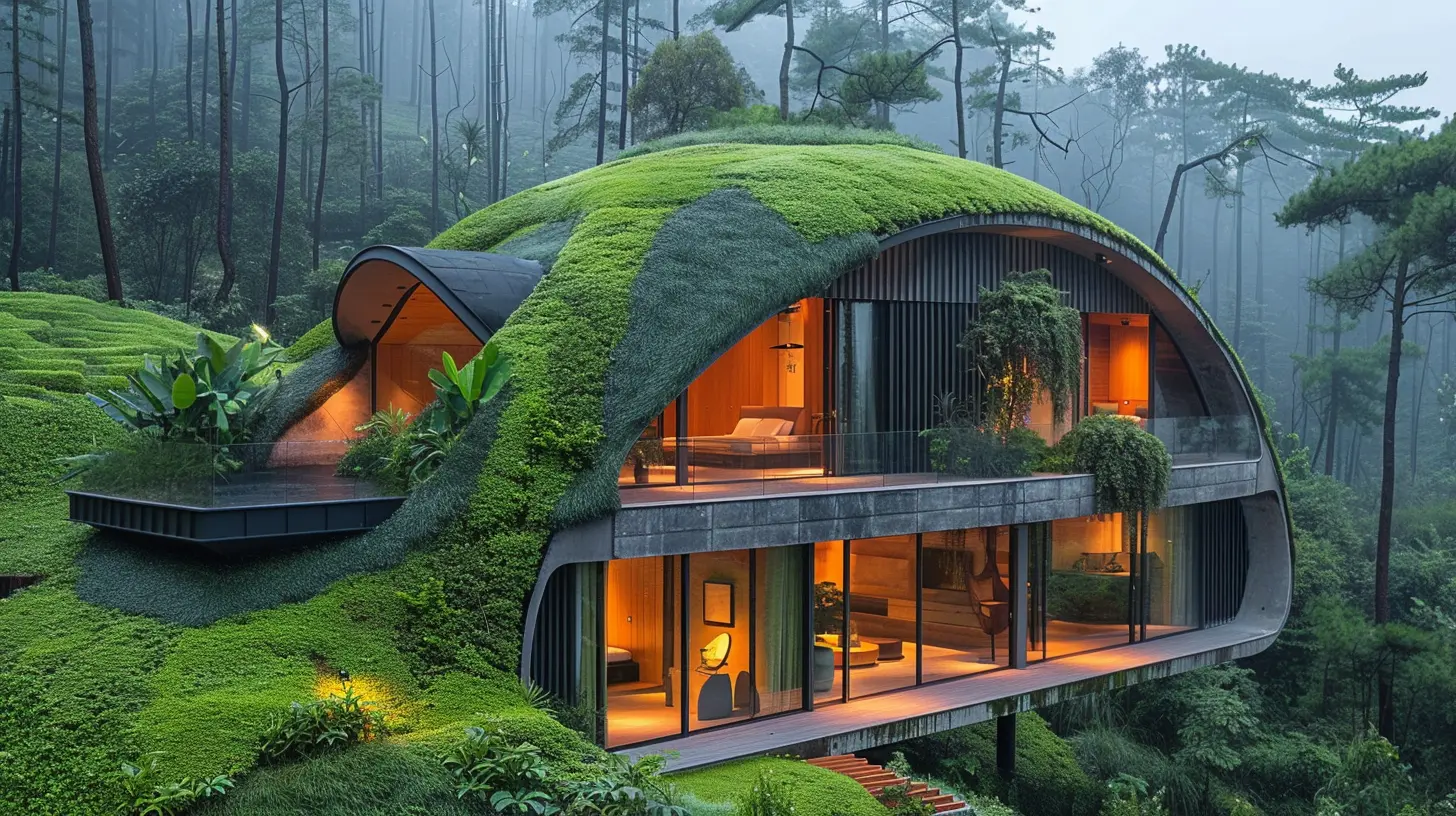
Pros of Eco-Friendly Retirement Homes
Let’s break it down. Why should you (or your parents) consider an eco-friendly retirement home?1. Lower Utility Bills
Think solar energy, energy-efficient lighting, and smart climate controls. These homes are designed to use less power, and that means more money stays in your pocket. Over time, those savings really add up.It's kind of like switching from a gas-guzzling truck to an electric car—you might pay more upfront, but your gas bill (or in this case, utility bill) shrinks dramatically.
2. Healthier Living Environments
Eco-friendly homes often use non-toxic, sustainable building materials, which can reduce exposure to harmful chemicals. The air quality is typically better, which makes a huge difference if you have respiratory issues, allergies, or just want to breathe easy.Think about it: clean air, natural lighting, and fewer allergens—doesn’t that sound like the kind of fresh start retirement should be?
3. A Lifestyle That Matches Your Values
If you’ve spent years recycling, conserving water, and doing your bit for Mother Earth, why stop now? Living in a green retirement home keeps that momentum going. It’s more than just a roof over your head—it becomes a reflection of your values.And when you're surrounded by like-minded neighbors, it creates a strong sense of community and shared purpose.
4. Long-Term Property Value
Sustainable homes are no longer just a trendy niche—they’re increasingly seen as the future of real estate. Green buildings often have higher resale values and can appreciate faster than traditional properties.So not only are you helping the planet, you're also making a smart financial move. Not a bad combo, huh?
5. Peace and Tranquility
Many eco-retirement communities are designed with open green spaces, walking trails, and gardens. No noisy streets or smoggy skylines—just the sound of birds, the rustle of trees, and maybe a koi pond or two.It’s like living in a nature retreat, but with all the comforts of home.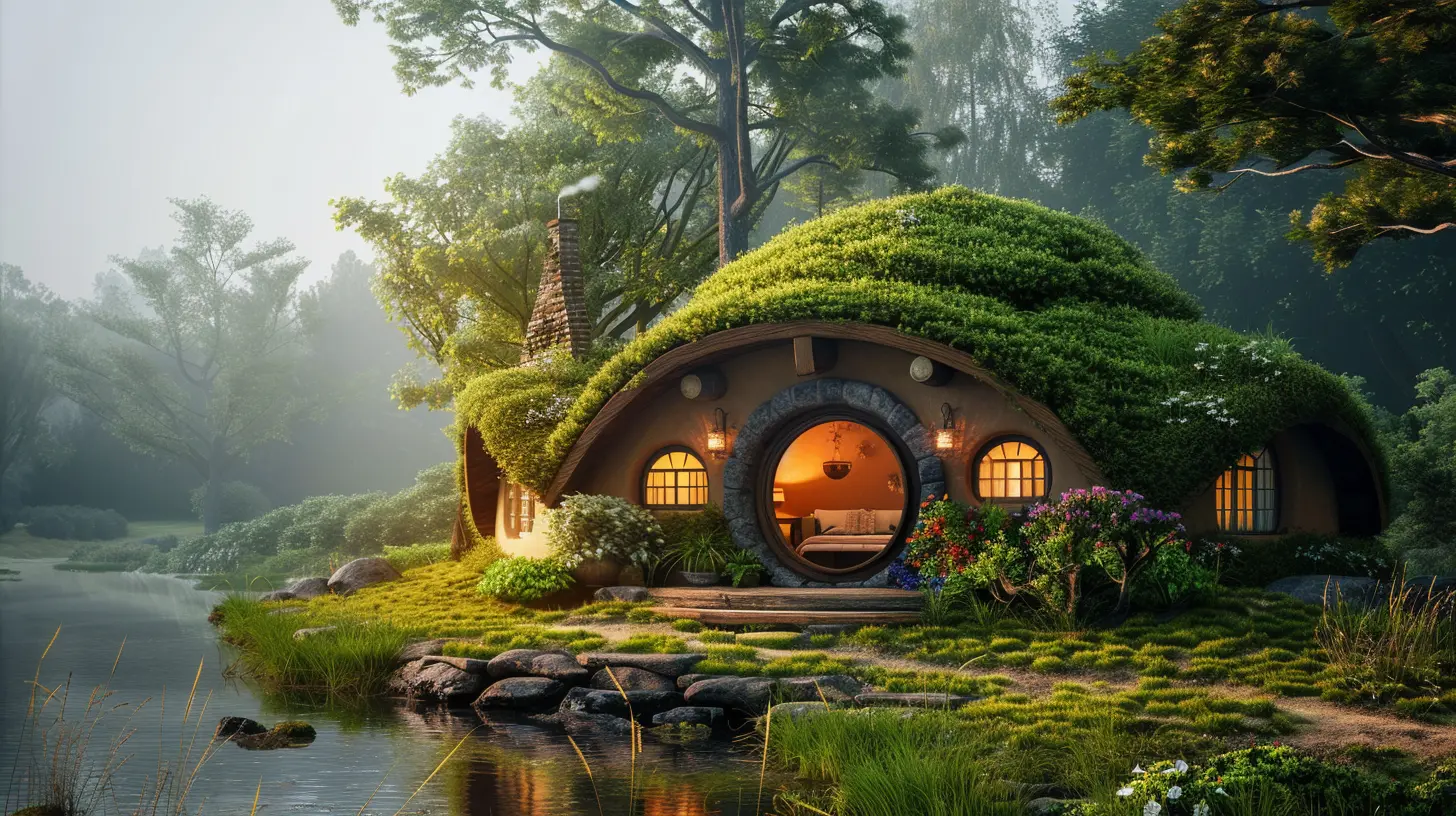
Are There Any Downsides?
Okay, let’s be real. As dreamy as this sounds, no option is perfect. Here are a few potential challenges worth considering.1. Higher Upfront Costs
Sustainable materials and energy-efficient systems can cost more at the time of construction, which often means higher initial purchase or rental prices for residents.However, think of it this way: it’s like buying a high-quality product that lasts longer and saves money in the long run. You might pay more now, but you’ll spend less down the road.
2. Location Limitations
Eco-retirement communities aren’t everywhere yet. If you’re deeply attached to a specific city or neighborhood, you might not find many green homes in that area—at least not yet.But this is changing fast, so keep your eyes peeled!
3. Adjusting to a New Lifestyle
If you’ve been used to traditional housing for most of your life, switching to a green home with energy monitors, composting bins, and community-wide recycling systems can take some getting used to.However, most residents find the transition rewarding and easier than they expected. Plus, the communities usually offer plenty of support and education.
What To Look For in an Eco-Friendly Retirement Home
Let’s say this idea is starting to sound pretty appealing. What should you look for when shopping around for a green retirement community?Here’s a quick checklist:
- ? Energy Sources: Do they use solar or renewable energy?
- ? Water Conservation: Low-flow toilets, rainwater harvesting systems?
- ? Building Materials: Are structures made with recycled or sustainable materials?
- ? Green Spaces: How much greenery is around? Are there gardens or walking trails?
- ♻️ Recycling & Waste Management: Is there a well-established system?
- ? Transportation: Are there EV charging stations or options for reduced car use?
- ? Community Ethos: Are residents and staff committed to living sustainably?
Don’t be shy about asking questions. You’re not just choosing a house—you’re choosing a home and a lifestyle.
Success Stories—Real Smiles, Real Impact
Need some real-life inspiration? Here's a quick peek into some retirement communities making a green difference:- EcoVillage at Ithaca (New York): A co-housing community where retirees and families live sustainably with community farms, solar panels, and shared resources.
- Arbor Trails (Texas): A retirement community with a LEED-certified clubhouse, rainwater irrigation, and walking trails galore.
- SageOak Green Residences (California): Features organic gardens, composting programs, and zero-energy homes.
These places aren’t just checking boxes—they’re changing lives. Residents often report higher satisfaction, better health, and deeper connections with their communities.
So, Are They Really Worth It?
It’s time to circle back to that question we started with.If you value sustainability, want to lower your long-term costs, and crave a peaceful, health-conscious environment—yes, eco-friendly retirement homes are absolutely worth it.
They offer a way to live your golden years with purpose, surrounded by nature, and aligned with your values. And even if there’s a bit more upfront cost, the benefits—financial, emotional, and environmental—can far outweigh the price tag.
Remember, retirement isn’t an end. It’s a beginning. So why not start the next chapter of your life in a place that nurtures both your soul and the planet?
Final Thoughts
Let’s be honest—retirement can feel a bit overwhelming. There’s a lot to consider: finances, health needs, location, lifestyle choices… But thinking green doesn’t have to complicate things. In fact, it can simplify them.Living in an eco-friendly retirement community isn’t just about saving energy—it’s about creating more meaningful energy in your life. More connection. More intention. More serenity.
So, is it worth it? Only you can answer that—but from where we’re standing, it’s looking like a big, beautiful “yes.
all images in this post were generated using AI tools
Category:
Retirement HomesAuthor:

Elsa McLaurin
Discussion
rate this article
1 comments
Nancy Thomas
It's great to see a focus on eco-friendly retirement homes. They offer sustainability and comfort for our golden years.
June 7, 2026 at 1:00 PM
Elsa McLaurin
Thanks for your comment! I agree, eco-friendly retirement homes can provide both sustainability and comfort, making them an appealing choice for many.