Everything You Need to Know About Memory Care Communities
17 June 2026
Aging is a beautiful yet complex journey. It brings wisdom, cherished memories, and a life well-lived. But for some individuals, it also brings challenges—especially when conditions like Alzheimer's or dementia come into play. If you're caring for a loved one experiencing memory loss, you might be feeling overwhelmed, anxious, or unsure about the next steps.
This is where memory care communities come in. These specialized facilities offer a supportive and safe environment tailored to people with memory-related conditions. But what exactly are they? How do they differ from assisted living or nursing homes? And most importantly, how do you know if it's the right choice for your loved one?
In this guide, we'll break down everything you need to know about memory care communities in a simple, easy-to-understand way. 
What Is a Memory Care Community?
A memory care community is a type of senior living facility that provides specialized care for individuals with Alzheimer’s, dementia, and other cognitive impairments. Unlike typical assisted living facilities, memory care units are designed to cater to the unique challenges that come with memory loss.These communities focus on:
✔️ Safety – Secure environments with reduced risks of wandering
✔️ Structure – Daily routines to create comfort and familiarity
✔️ Specialized Staff – Trained caregivers equipped to handle cognitive decline
✔️ Engagement – Activities designed to stimulate memory and encourage socialization
In short, memory care isn’t just about providing a place to live—it's about enhancing quality of life for individuals living with cognitive impairments. 
Memory Care vs. Assisted Living: What’s the Difference?
A common question people ask is, “Isn’t memory care the same as assisted living?” The short answer? Not really. While both settings provide senior care, memory care offers more specialized support for cognitive conditions.? Assisted Living
- Designed for seniors who need help with daily activities but don't have severe memory loss- Provides meals, housekeeping, and social activities
- Residents have more freedom and independence
? Memory Care
- Specifically tailored for individuals with memory-related conditions- Staff receives extensive dementia care training
- Secured environment to prevent wandering and ensure safety
- Activities and therapies designed to slow cognitive decline
Think of it this way: assisted living is like a helping hand, while memory care is a protective embrace. 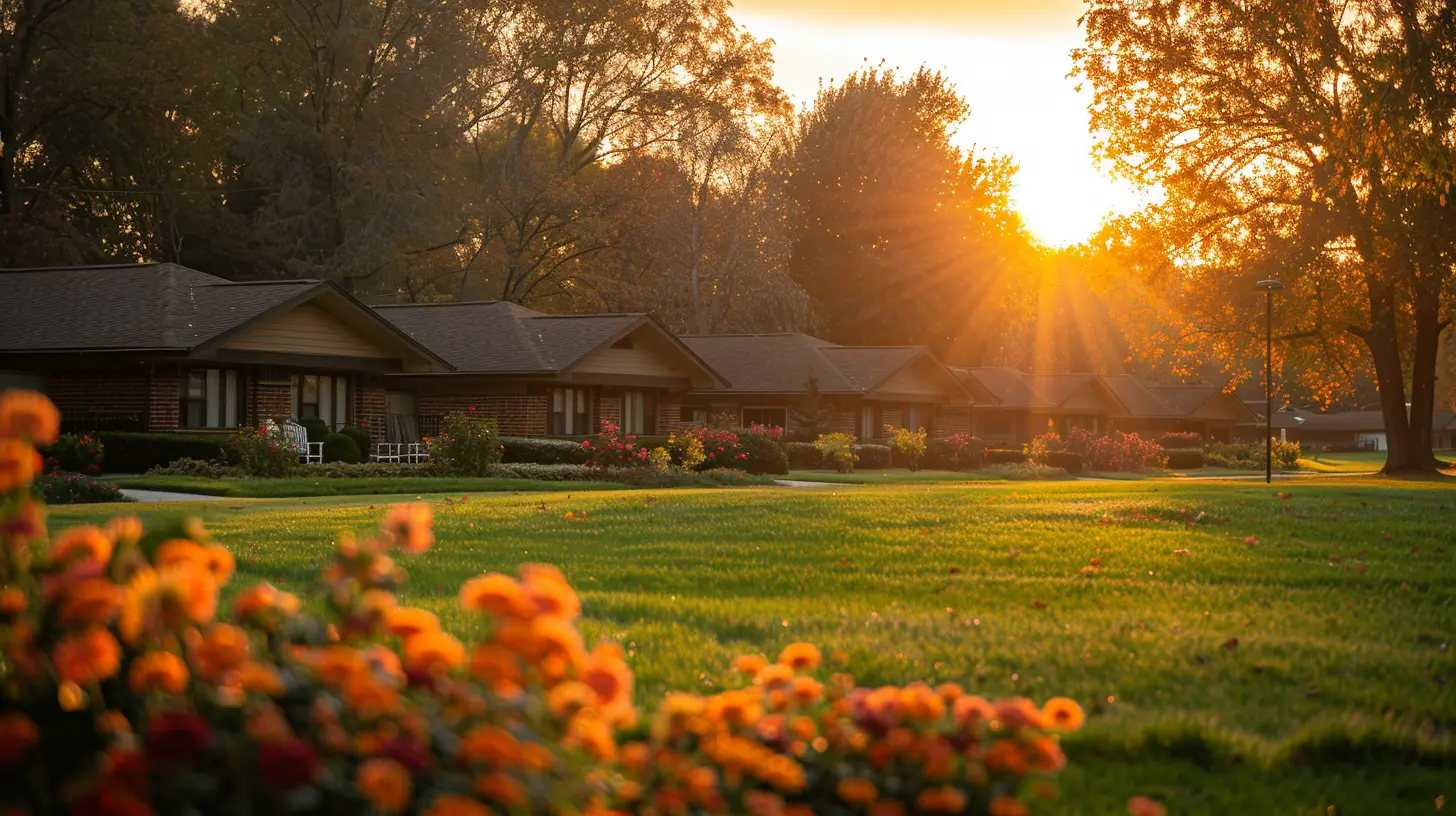
When Is It Time to Consider Memory Care?
Deciding when to move a loved one into memory care is tough. It’s an emotional decision that many families struggle with. However, if you're noticing any of the following red flags, it may be time to explore memory care options:✔️ Increased confusion and disorientation
✔️ Frequent wandering or getting lost, even in familiar places
✔️ Difficulty with daily activities like eating, dressing, or bathing
✔️ Aggressive or unpredictable behavior
✔️ Forgetting to take medications or taking them incorrectly
✔️ Safety concerns (leaving the stove on, forgetting to lock doors, etc.)
✔️ Caregiver burnout – when family members feel overwhelmed or exhausted
Moving into memory care can significantly improve a loved one's quality of life while giving family members much-needed peace of mind. 
What to Expect in a Memory Care Community
If you’ve never visited a memory care facility before, you might wonder, "What’s it really like?" Let's take a look at what these communities typically offer.? Safe and Secure Environment
Most memory care communities are designed with safety in mind. This means:- Secured entrances and exits to prevent wandering
- Emergency call systems in each room
- Hallways and common areas designed for easy navigation
? 24/7 Specialized Care
Staff in these facilities receive dementia-specific training, so they’re equipped to handle everything from agitation and confusion to personal care needs. Unlike standard caregivers, memory care staff understand the nuances of cognitive decline.? Cognitive-Boosting Activities
Memory care communities don’t just provide care—they actively work to stimulate the brain and slow memory loss. Activities may include:- Music therapy (because the brain remembers melodies better than words!)
- Pet therapy to reduce anxiety and boost mood
- Art and craft sessions to encourage creativity
- Physical exercise programs to promote overall well-being
? Structured Routines
A predictable schedule helps bring comfort to residents. Meals, activities, and personal care follow a daily structure to create a sense of stability.? Family Involvement
Many memory care facilities encourage family participation through:- Regular visits
- Support groups for caregivers
- Family events and outings
A good memory care community doesn’t just support the resident—it supports their entire family.
How to Choose the Right Memory Care Community
Not all memory care facilities are created equal, so it’s important to do your homework before selecting one. Here’s a checklist to help guide your decision:? Is the staff trained in dementia care?
? Do they have a low staff-to-resident ratio?
? Are security features in place to prevent wandering?
? What activities and therapies are offered?
? Is the environment designed for easy navigation?
? How are medical needs handled?
? Can family members visit freely?
Visiting multiple locations, talking to staff, and trusting your gut feeling are key steps in finding the best memory care community for your loved one.
The Cost of Memory Care
Let’s be real—memory care isn’t cheap. Because of the specialized support and higher level of care, it tends to cost more than traditional assisted living.? What Affects the Cost?
- The location of the facility- The level of care required (some residents need more assistance than others)
- The amenities and services provided
On average, memory care can cost anywhere from $4,000 to $8,000 per month. However, many families use long-term care insurance, veterans' benefits, Medicaid, or personal savings to help cover expenses.
It’s important to plan ahead and discuss financial options with family members before making a decision.
Final Thoughts
Deciding to move a loved one into a memory care community is never easy. It’s an emotional, challenging, and deeply personal choice. But when the time comes, having the right support system in place can make all the difference.Memory care communities are more than just a place to live—they provide safety, comfort, and a chance for residents to enjoy their golden years with dignity.
If you’re considering memory care for a loved one, take time to visit facilities, ask questions, and trust your instincts. After all, finding the right place is not just about care—it’s about providing them with the best possible quality of life.
all images in this post were generated using AI tools
Category:
Retirement HomesAuthor:

Elsa McLaurin
Discussion
rate this article
1 comments
Ximena Klein
Memory care communities offer specialized support for individuals with cognitive impairments, ensuring a safe environment.
June 27, 2026 at 4:09 AM
Elsa McLaurin
Absolutely, memory care communities are designed to provide tailored care and a secure setting for those facing cognitive challenges. They play a crucial role in enhancing quality of life.