Exploring the Different Levels of Care in Retirement Communities
16 August 2026
Aging gracefully — it’s something we all hope for, isn’t it? That gentle, golden chapter of life where you can slow down and finally savor mornings without alarm clocks, afternoons with books and tea, and nights wrapped in peace. But let’s be real — getting older also comes with new physical needs, health concerns, and life transitions. That’s where retirement communities come in. But here’s the thing: they’re not one-size-fits-all. Nope. Just like life, they come in levels.
So today, let's stroll down the winding path of retirement communities and uncover the different levels of care they offer. It's a bit like choosing the right pair of shoes — it has to fit just right — not too snug, not too loose.
Whether you’re looking for yourself, your parents, or a loved one, this guide breaks down everything in plain English. No confusing charts or jargon. Just heartfelt advice, real talk, and clear info.
What Are Retirement Communities, Really?
Let’s kick things off with a simple question: what exactly is a retirement community? Picture it like a neighborhood designed specifically for older adults — often 55 and up — where life is a little slower, convenience is king, and help is never too far away.But here’s the twist: retirement communities come in different “flavors,” each offering a unique level of care based on what someone needs now — and what they might need down the road. It’s not just about downsizing a house; it’s about upsizing quality of life.
Why Are There Different Levels of Care?
Think of it like a menu at your favorite restaurant. Some people are all-in on a big meal, while others just want a light bite. The same idea applies to senior living. Some residents want freedom and independence, and others need daily help, medical support, or memory care.People age differently. That's why these communities offer flexible care, adapting to whatever each resident needs — not just now but as they evolve.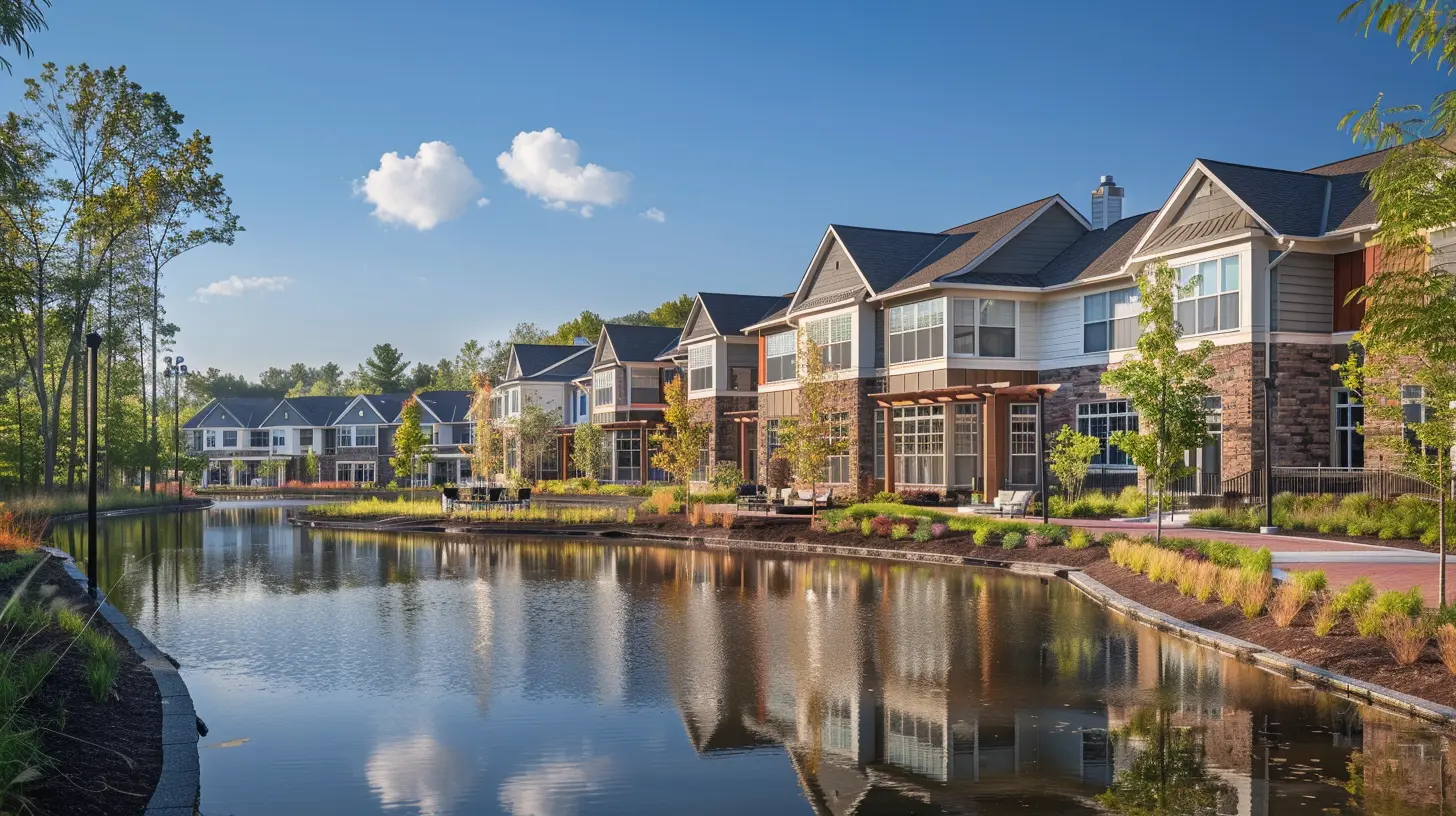
The Key Levels of Care in Retirement Communities
Let’s break down the main types of care — from light-touch living to full-time medical support. Each level is a stepping stone, designed to support residents through every stage of aging.1. Independent Living: The Golden Years, Unchained
Ah, independent living — the dream many of us have. Think of it like living in a resort or adult summer camp (minus the bug spray and bunk beds).Here’s what it looks like:
- Private apartments or condos
- Community dining and recreational activities
- Minimal support — mostly housekeeping, maintenance, transportation
Who’s it for? Active seniors who want a social life, a safe environment, and zero homeownership headaches.
You cook if you want to. Or stroll to the dining hall for a meal. You can garden, swim, paint, write poetry — the lifestyle is yours to mold. Independence with a safety net.
2. Assisted Living: A Helping Hand, But Not a Hovering One
When daily tasks start to feel more like chores than choices — dressing, bathing, meal prep — assisted living steps in like a kind neighbor who always shows up at the right time.Services typically include:
- Help with activities of daily living (ADLs)
- Medication management
- Access to medical professionals
- Social programs and wellness activities
Assisted living is about balance. It’s not a hospital, and it’s not living alone. It's the middle ground — a gentle support system that lets residents keep their independence while giving them the help they need.
Imagine having someone nearby to lend a hand with your shoes or your pills — without taking over your whole life.
3. Memory Care: Holding On to Yesterday with Grace
Now, this one gets emotional. Memory care is for those facing Alzheimer’s or others forms of dementia. It’s not just about safety. It’s about dignity.These communities are designed from the ground up to support people with cognitive challenges:
- Secured environments to prevent wandering
- Specially trained staff
- Programs that stimulate memory and awareness
It’s like giving someone a lantern when their world starts to dim. Memory care helps residents find peace, maintain daily rhythms, and still enjoy moments of joy — even on difficult days.
4. Skilled Nursing: Around-the-Clock Medical Care
This level of care is a leap from social living to medical necessity. Think of it as a long-term care facility or nursing home. But don’t picture cold, sterile hospital rooms — modern skilled nursing is more compassionate than ever.Here’s what’s typically offered:
- 24/7 nursing care and medical monitoring
- Rehabilitation services (physical, occupational, speech therapy)
- Help with all daily activities
- End-of-life care options
It’s a safe harbor for seniors with chronic illnesses, surgeries, or complex medical needs. It’s where care is constant, and medical help is only steps away.
Skilled nursing isn't forever for everyone — sometimes it's a temporary place for recovery after a hospital stay. Other times, it’s a forever home with compassionate caregivers by your side every hour of the day.
5. Continuing Care Retirement Communities (CCRCs): The All-In-One Solution
Now, if you’re the planner type (you know who you are), CCRCs might be your calling. These communities are like retirement bundles — offering independent living, assisted living, memory care, and skilled nursing all in one campus.Why is that awesome?
Because life is unpredictable, but your address doesn’t have to be.
You might move in when you're active and independent, then transition to higher levels of care as needed — without leaving your community or changing surroundings.
It’s like buying a season pass to aging well — security, continuity, and peace of mind, all under one roof.
Signs It’s Time to Consider a New Level of Care
So how do you know when it's time to move from one level to the next? Life usually drops little hints:- Forgetting meds or missing meals?
- Trouble getting dressed or bathing?
- Isolation or lack of social interaction?
- Dealing with mobility issues or falls?
- Cognitive decline or memory loss?
None of these signs mean someone has "failed." They simply mean they need more support — and there's strength in asking for help.
The Emotional Side of Retirement Transitions
Let’s not sugarcoat it: moving into a new level of care is emotional. For the senior. For the family. It’s a big change, often wrapped in fear, grief, and even guilt.But it can also be a gift.
Think about it — trading the burden of day-to-day stress for meals cooked by a chef, friends just down the hall, and compassionate caregivers always near. That’s not giving up. That’s stepping into a softer, safer chapter of life.
How to Choose the Right Level of Care
Okay, you might be thinking: “This sounds great... but how do I actually choose?”Here’s a simple way to start:
1. Assess current needs: Physically, emotionally, medically — what’s the big picture?
2. Visit communities: Don’t rely on websites alone. Tour, ask questions, meet residents.
3. Consult the professionals: Geriatricians, social workers, and care coordinators help you sort options.
4. Factor in the future: Choose a community that evolves with you — not one you’ll outgrow in a year.
5. Trust your gut: Seriously. Sometimes you just feel when a place is right.
Cost Considerations: What’s the Price of Peace of Mind?
Ah, money — the elephant in the retirement room. Each level of care comes with a different price tag. Generally speaking:- Independent living is the most affordable
- Assisted living adds costs for personal care
- Memory care and skilled nursing are more expensive due to staffing and medical services
- CCRCs often involve an entrance fee plus monthly dues
The key? Plan ahead. Look into long-term care insurance, veterans benefits, and Medicaid options. A financial advisor who specializes in senior living can be a lifesaver here.
Why This Matters
We plan weddings with binders and vacations with spreadsheets. But when it comes to aging, most of us wing it.Why?
Because it’s uncomfortable. Because it feels far away. Until it's not.
Understanding the levels of care in retirement communities isn’t just for the elderly — it’s for everyone who loves them. It’s about choosing dignity. Choosing safety. Choosing joy.
And when you pick the right level of care? You’re not just choosing where someone lives. You’re shaping how they live.
Final Thoughts: A Life Well-Lived Deserves a Life Well-Cared For
Aging is a journey, not a destination. And like any great journey, it’s better with preparation, companions, and a soft place to land.Retirement communities aren’t just buildings. They’re bridges — connecting independence with assistance, loneliness with community, chaos with calm.
So whether you're imagining your future, or helping someone you love, remember: care isn't a burden. It's a blessing. And with the right level, life keeps shining — gently, gracefully, and beautifully.
all images in this post were generated using AI tools
Category:
Retirement HomesAuthor:

Elsa McLaurin
Discussion
rate this article
1 comments
Vireo McGuffey
This article offers a clear overview of care options in retirement communities, helping families make informed decisions. Understanding these levels can greatly enhance the quality of life for seniors.
August 29, 2026 at 3:21 AM
Elsa McLaurin
Thank you for your feedback! I'm glad you found the article helpful in navigating care options for seniors.