House Flipping Tips: What Every Investor Should Know
13 March 2026
So, you've decided to dip your toes into house flipping, huh? Welcome to the world of demolition dust, budget battles, and—if you’re lucky—some serious profits. Whether you're binge-watching HGTV with stars in your eyes or already shopping for power tools, flipping houses is a rollercoaster. But don’t worry—I’ve got the roadmap to help you steer clear of the expensive potholes.
Let’s dive into the nitty-gritty with a smile on our faces and a calculator in hand. Here's everything every investor (especially newbie flippers) should know before they swing that first sledgehammer.
What Is House Flipping Anyway?
House flipping is basically the real estate world’s version of a makeover montage. You buy a property—usually one that needs a little (or a lot of) love—fix it up, and sell it for more than you paid. Sounds easy, right?Well, sort of.
Flipping can be profitable, but it’s not a get-rich-quick scheme. It's more of a ‘get-rich-if-you-do-your-homework-and-don’t-overlook-the-plumbing’ kind of gig.
1. Start with the Right Mindset
Let’s be real—this isn’t Monopoly. Real money is at stake here.Before you leap into a project, you’ve got to treat flipping like a business. That means creating a plan, sticking to a budget, and preparing for surprises. Because trust me, when you peel back drywall and find mold, it’s not just your walls that’ll be crying.
🔑 Pro Tip: Don’t fall in love with the house. Fall in love with the numbers.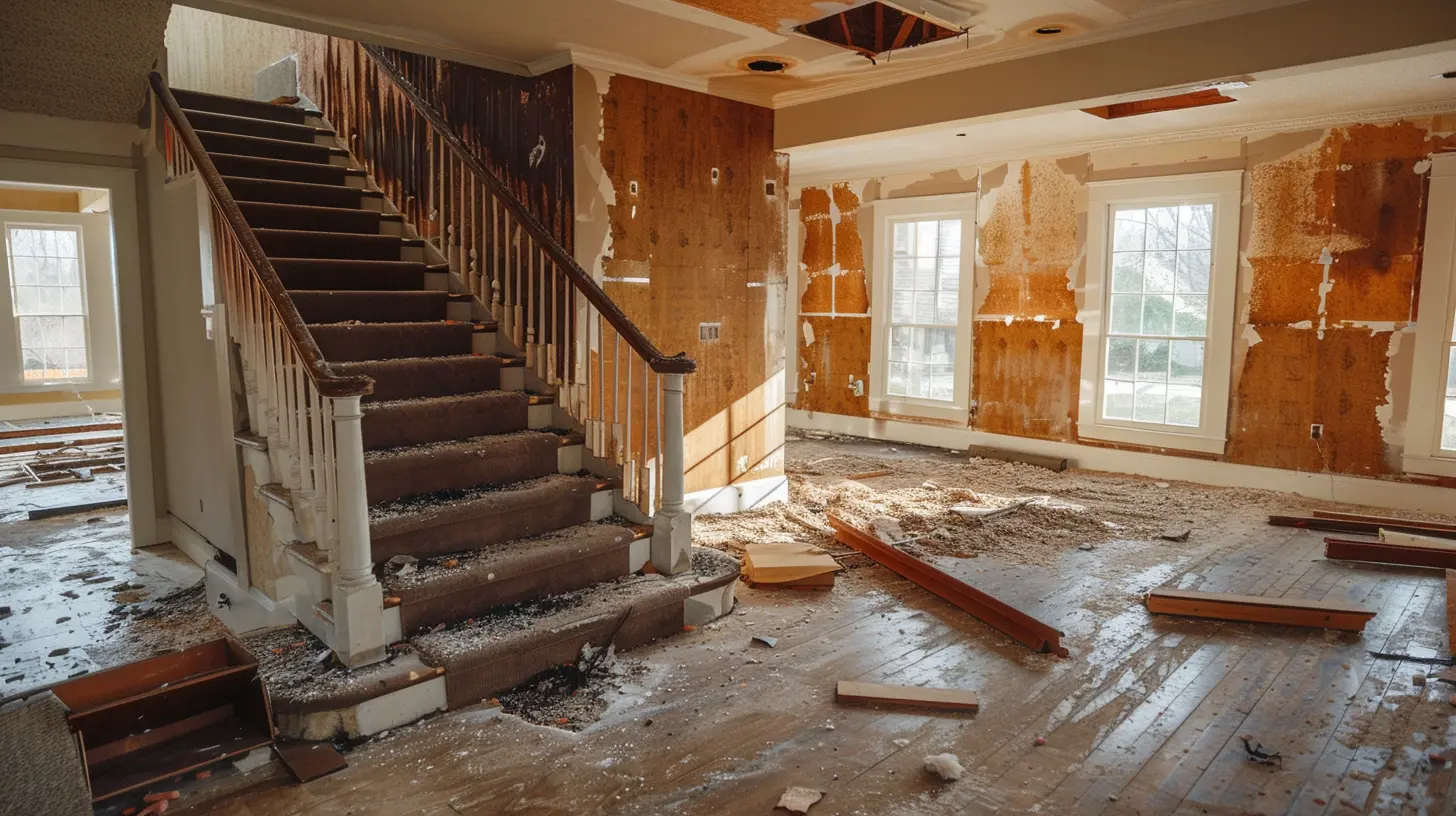
2. Do The Math (Yes, Even If You Hate It)
Flipping is all about numbers. If you’re not running the math, you’re flying blind.You need to figure out what a house is worth after repairs (called the ARV—After Repair Value), subtract the cost of the home, subtract your renovation budget, and then subtract your estimated profit. If you’re left with a negative number, run!
A good formula to remember is the 70% Rule:
> Never pay more than 70% of the ARV minus renovation costs.
Example:
ARV = $300,000Renovation Costs = $50,000
70% of ARV = $210,000
Max purchase price = $210,000 - $50,000 = $160,000
Go over that number? You’re already playing a dangerous game.
3. Location, Location... and Did I Mention Location?
You could make a palace out of a shed, but if it’s in a sketchy neighborhood with no market demand, that palace will sit. Forever.Look for neighborhoods that are:
- Up-and-coming (aka gentrifying)
- Near good schools and amenities
- Experiencing growth in property values
- Close to transportation and jobs
Remember, you’re not just flipping a house—you’re selling a lifestyle.
4. Build Your Dream Team (No, Not the Avengers)
Flipping isn’t a solo sport. You’ll need a reliable crew—and no, your cousin who once watched a YouTube video on drywall doesn’t count.Here’s your all-star squad:
- A savvy real estate agent
- A dependable contractor
- An inspector who doesn’t miss a thing
- A real estate attorney (trust me, you’ll thank me)
- A number crunching bookkeeper or accountant
Vet your team carefully. One bad contractor can turn your flip into a flop.
5. Know Your Buyer Before You Swing That Hammer
Are you flipping for a first-time homebuyer? A family? A trendy millennial who wants a barista-style kitchen?Design your renovations for the market, not your personal taste. You might think a velvet jungle-themed guest room is chic, but your buyer likely just wants neutral walls and a pantry.
Fancy finishes won’t always bring in extra cash. Aim to make the property look updated, fresh, and functional—and save the over-the-top decor for your own home.
6. Budget Like a Boss (Then Add 20%)
Ah, the dreaded B-word.Create a detailed renovation budget before you even lift a hammer. Break it down room by room, with line items for labor, materials, permits, and a “stuff-happens” fund. Because spoiler alert: Stuff always happens.
Add 10-20% on top of your estimate for contingencies. You'll either thank yourself later or use the extra for staging. Win-win.
7. Permits Aren’t Optional
This one’s not particularly fun or flirty, but it’s essential.Always check local building codes and permit requirements. Doing work without permits can not only delay your flip, but can also cost a fortune in fines—or worse, force you to redo the work.
And yes, even small stuff like new windows or moving a wall might need a permit. Ignoring this step is like driving without a seatbelt—it’s fine until it isn’t.
8. Timing Is Everything
Time is money, my friend. The longer you hold a property, the more you’re bleeding cash—think taxes, insurance, utilities, and loan interest.Aim to keep your flip under the 6-month mark if possible. That means you’ll need a tight timeline—and even tighter project management.
Use tools like Trello, Asana, or a wall calendar (for my pen-and-paper peeps) to keep your project on track.
9. Financing: Cash Is King, But Options Exist
If you’ve got cold, hard cash—awesome. You’ve already eliminated loan interest and approval delays.But if you’re like most first-time flippers, you might need a little help. Here are a few financing options:
- Hard Money Loans: Fast, but carry high interest rates.
- Home Equity Loans: If you’ve already got property.
- Private Lenders: Uncle Joe might be feeling generous.
- Traditional Mortgages: Rarely used for flips due to length.
Just remember, whatever you borrow, it eats into your profit. So borrow wisely.
10. Stage It Like You Mean It
Staging isn’t just a neat little cherry on top—it's part of your marketing strategy. Buyers can’t always imagine a space’s potential. That’s where you step in, with throw pillows, a stylish rug, and a bowl of lemons on the counter (because apparently, lemons sell houses?).A staged home sells faster and often for more. Don’t skip this!
11. List Smart, Sell Fast
Set the list price based on comps, not dreams. Overpricing = stagnation. Underpricing = lost profits.Work with a real estate agent who knows the area inside and out. They’ll help you position the property at just the right price point to spark multiple offers—cha-ching!
And don’t forget to invest in gorgeous photography. A dark, blurry listing photo is basically a digital repellent.
12. Profit & Repeat (Or Pause and Regroup)
Once the house is sold (and hopefully at a tidy profit), it’s time to evaluate.What worked? What went sideways? Where did you go over budget? Did anything take longer than expected?
Document everything. The lessons from your first flip are the foundation for your next one. Rinse, learn, repeat!
Common Rookie Mistakes (So You Can Avoid 'Em)
Let’s wrap this up with some quick-fire “don’t do what they did” wisdom:- Underestimating repairs: If you think it’ll cost $25K, it’ll probably be $35K.
- Ignoring the inspection: Skipping it is like buying a car without test-driving.
- Over-renovating: This is a flip, not your dream home.
- Bad timing: The real estate market doesn’t wait for you to finish painting.
- No exit strategy: Always have a plan B (renting, wholesale, etc.)
- Falling for a “deal”: If it seems too good to be true…it probably is.
Final Thoughts: Flip or Flop?
House flipping isn’t a one-size-fits-all adventure. It’s a blend of brains, brawn, and a bit of gut instinct. But with the right strategy, the right team, and the right mindset, you’re well on your way to real estate gold.Just remember to stay humble, stay curious, and—most importantly—stay caffeinated.
Happy flipping!
all images in this post were generated using AI tools
Category:
Real Estate TipsAuthor:

Elsa McLaurin
Discussion
rate this article
2 comments
Graham McPherson
Flipping houses can be a thrilling roller coaster—just remember, it's less about the flips and more about the flops! With these tips, you’ll turn your renovation nightmares into dream homes faster than you can say 'open house!'" 🎢🏡
March 16, 2026 at 8:05 PM
Elsa McLaurin
Absolutely! Embracing both the highs and lows is key to successful house flipping. With the right strategies, you can transform challenges into opportunities. Happy flipping! 🏠✨
Elle Duke
House flipping can be an exciting adventure packed with challenges and rewards! Embrace the learning curve, keep a keen eye on details, and don’t forget to enjoy the process. Happy flipping, fellow investors! Your dream project could be just around the corner!
March 13, 2026 at 12:11 PM
Elsa McLaurin
Thanks for the encouragement! Embracing the journey makes all the difference. Excited to see what comes next!