How Deferred Maintenance Can Sink Your Property Appraisal
31 December 2025
When it comes to real estate, every little detail matters—especially when you're getting your property appraised. One of the biggest silent killers of property value? Deferred maintenance.
If you've been putting off those seemingly minor repairs, you might be in for a rude awakening when the appraiser shows up. A dripping faucet, peeling paint, or a cracked driveway might not seem like a big deal, but in the eyes of an appraiser, they could be warning signs of neglect.
So, how exactly does deferred maintenance impact your property appraisal? Let's break it down. 
What is Deferred Maintenance?
Deferred maintenance refers to necessary repairs that have been postponed, often due to cost, inconvenience, or simply neglect. This can range from small cosmetic issues to major structural problems.Some common examples include:
- Leaky roofs
- Peeling paint
- Worn-out flooring
- HVAC issues
- Plumbing leaks
- Cracked foundation or walls
- Overgrown landscaping
While some of these may seem minor, they can add up quickly and significantly impact your property's value. 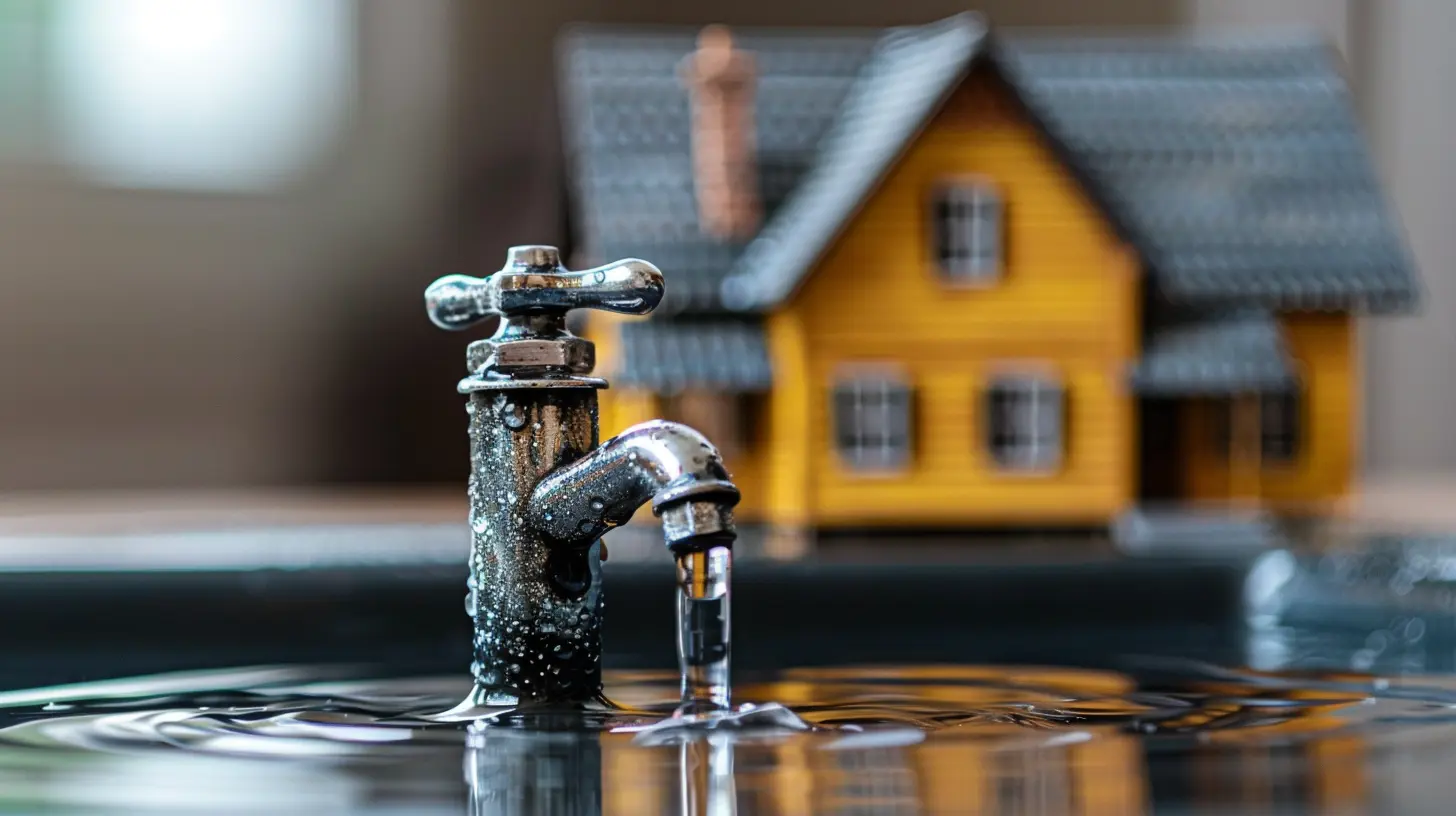
How Appraisers Evaluate a Property
Before we dive into how deferred maintenance can wreck your property appraisal, let’s understand how appraisers do their job.An appraiser evaluates a home based on several factors, including:
- Comparable sales (recent sales of similar homes in the area)
- Location and neighborhood condition
- Size, layout, and functionality of the home
- Structural integrity and overall condition
- Upgrades, renovations, and modern features
Here's the key takeaway: If your home has visible signs of neglect, appraisers will assume there may be more hidden issues—and they’ll adjust their valuation accordingly. 
The Ripple Effect of Deferred Maintenance on Your Appraisal
1. A Lower Property Value
Appraisers don’t just look at how your home compares to others in the area—they also factor in the cost of repairs. If they determine that your home requires $20,000 worth of repairs, they may deduct that amount from your estimated value.Let’s say similar homes in your neighborhood are selling for $400,000, but yours has a leaky roof, outdated plumbing, and peeling paint. The appraiser might knock off a significant amount, leaving you with a valuation well below market expectations.
2. Negative Perception from Buyers and Lenders
If an appraiser marks down your home due to deferred maintenance, it doesn’t just affect your selling price—it can also impact financing.Lenders rely on appraisals when approving mortgage loans. If an appraisal comes in too low, buyers may struggle to secure financing. That means you could scare off potential buyers before they even have a chance to make an offer.
3. Compounding Repair Costs
Putting off maintenance doesn’t just hurt your appraisal—it can also cost you more in the long run. A small plumbing leak left unattended can turn into a major water damage issue, requiring expensive mold remediation.Here’s a good rule of thumb: Small issues today can turn into big, expensive problems tomorrow.
4. Increased Days on Market
Houses with visible maintenance issues tend to sit longer on the market. Why? Because buyers see a fixer-upper, and not everyone wants the hassle. The longer your house sits unsold, the more likely you’ll have to lower the price just to attract interest.
Common Deferred Maintenance Issues That Hurt Appraisals
Now that we know how deferred maintenance can sink your appraisal, let’s go over some of the most damaging issues appraisers look for.1. Roof Problems
A damaged or aging roof is one of the biggest red flags. Even minor issues like missing shingles can suggest long-term neglect. Since roof repairs can be costly, appraisers take this seriously.2. HVAC Issues
If your heating, ventilation, and air conditioning system is outdated or in poor condition, it will hurt your home’s perceived value. Appraisers often check the age and functionality of these systems.3. Plumbing and Electrical Problems
Leaky pipes or outdated electrical wiring aren’t just minor inconveniences—they’re safety hazards. Appraisers will flag these issues, and buyers may negotiate for lower prices or demand repairs before closing.4. Structural Damage
Cracks in the foundation, sagging floors, or warped walls can indicate serious structural problems. These are often deal-breakers for buyers and appraisers alike.5. Cosmetic Neglect
While peeling paint, outdated fixtures, or an overgrown yard might not seem like a big deal, they contribute to the overall impression of the home. A well-maintained home signals care and attention, while a neglected one raises doubts.How to Prevent Deferred Maintenance from Hurting Your Appraisal
The good news? You can take action now to avoid a disappointing appraisal. Here’s how:1. Stay on Top of Routine Maintenance
Create a checklist of regular maintenance tasks, such as:- Inspecting the roof annually
- Cleaning the gutters
- Checking for plumbing leaks
- Servicing your HVAC system
A little upkeep now saves you from expensive fixes later.
2. Prioritize High-Impact Repairs
If you’re short on time or budget, focus on the repairs that have the biggest impact, such as:- Fixing any leaks
- Repainting the interior and exterior
- Updating outdated fixtures
- Repairing cracks or structural damage
3. Get a Pre-Appraisal Inspection
Consider hiring a home inspector before an official appraisal. This helps you identify potential issues in advance so you can address them beforehand.4. Keep Records of Repairs and Upgrades
Maintaining a log of repairs, upgrades, and maintenance can help justify your home’s value to an appraiser. Showing proof that you’ve updated key features can work in your favor.Final Thoughts
Deferred maintenance may seem like a minor inconvenience in day-to-day life, but when it comes to selling or refinancing your home, it can be a major financial setback. From lowering your property value to scaring off buyers and lenders, neglected repairs take a toll in more ways than one.The bottom line? Don’t put off essential maintenance. A well-maintained home commands a higher appraisal, attracts more buyers, and sells faster—without the headaches and financial losses that come with neglect.
So if you’ve got a growing to-do list of home repairs, it might be time to roll up your sleeves and start checking off those boxes. Future you (and your bank account) will thank you!
all images in this post were generated using AI tools
Category:
Real Estate AppraisalAuthor:

Elsa McLaurin
Discussion
rate this article
2 comments
Alexa McTavish
Interesting! What specific maintenance issues impact appraisals most?
January 31, 2026 at 5:56 AM
Elsa McLaurin
Common maintenance issues that impact appraisals include roof damage, plumbing leaks, electrical problems, and deteriorating structural components. Addressing these can significantly improve a property's value.
Samantha Blevins
Great insights, very informative!
January 7, 2026 at 5:06 AM
Elsa McLaurin
Thank you! I'm glad you found it informative!