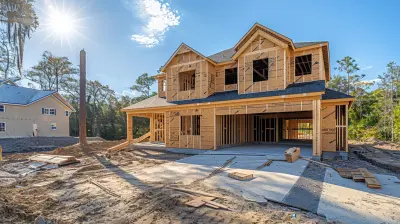
How Home Affordability Will Shift by 2026
21 April 2026
The real estate market is as unpredictable as a game of Monopoly. One minute, you're cruising down Boardwalk, and the next, you're landing on a hotel owned by someone else. Home affordability is no different—it’s constantly evolving, influenced by economic factors, interest rates, and socio-political changes. So, what does the future hold for homebuyers and renters by 2026? Buckle up, because we’re about to dive into the crystal ball of real estate!
Understanding Home Affordability
Before we get into the nitty-gritty of future trends, let's clarify what home affordability really means. Simply put, it’s the ability of a household to pay for a home, taking into account income, home prices, and borrowing costs. Think of it as balancing on a seesaw: on one side, you have your income that’s trying to rise, and on the other, the costs of homes that keep fluctuating. When the seesaw tips too far in one direction, it can lead to a big problem—whether that's families struggling to pay their mortgage or renters facing skyrocketing rents.
The Current Landscape: A Snapshot
As of now, home affordability is a hot topic—like a pot of water just about to boil over. The rising interest rates have made mortgages feel like they come with a hefty price tag. According to recent statistics, the percentage of income that goes toward housing has been on the rise, which means many are feeling the pinch.Rising Interest Rates
Just a few years ago, mortgage rates were flirting with historic lows, making homeownership feel like an attainable dream for many. Fast forward to today, and we’re seeing rates climb higher than a roller coaster. This increase can be attributed to various factors, including Federal Reserve policies aimed at curbing inflation. When interest rates rise, borrowing costs soar, which ultimately affects how much home buyers can afford.Home Prices on the Rise
In tandem with rising interest rates, home prices have also been on an upward trajectory. The pandemic pushed many people to reconsider their living situations, leading to a surge in demand for homes. Unfortunately, this demand has outpaced supply, sending prices skyward. Consequently, the affordability gap is widening, leaving potential buyers in a state of uncertainty.
What to Expect by 2026
So, how will this all play out by 2026? Let’s break it down into manageable chunks and see what the future might hold.Economic Factors That Will Shape Affordability
1. Interest Rate Trends: The Federal Reserve doesn’t operate in a vacuum. By 2026, we can expect interest rates to stabilize, but they may not return to those dreamy lows we saw a few years back. A steady rate could provide some breathing room for buyers, making it easier to manage monthly payments.2. Inflation and Wages: Inflation is like that uninvited guest who keeps popping up—just when you think it’s gone, it comes back with a vengeance. As prices rise, wages also need to keep pace. If wages increase at a higher rate than home prices, we could see improved affordability. But if inflation continues to outstrip wage growth, it could spell trouble for many would-be homeowners.
3. Supply Chain Dynamics: The real estate market has felt the sting of supply chain issues, especially regarding construction materials. However, as we move closer to 2026, these issues might ease up, allowing for more housing to be built. More inventory could help balance the scales of supply and demand, potentially leading to price stabilization.
Demographics and Their Impact on Housing
1. Millennials and Gen Z: Let’s talk about the elephant in the room—millennials and Gen Z are entering the housing market in droves. As these generations age, many are looking to buy their first homes, which will impact demand. By 2026, we could see a significant shift as these younger buyers become more active participants in the market.2. Remote Work Revolution: The pandemic has proven that many jobs can be done from anywhere. This means people are looking beyond urban centers for their forever homes. By 2026, the demand for properties in suburban and rural areas could rise, potentially affecting home prices in those regions.
Housing Policies and Regulations
1. Government Incentives: As homeownership becomes less attainable for many, government programs aimed at increasing access to housing may emerge. Look out for first-time buyer grants and tax credits that could help ease the burden.2. Zoning Laws: Zoning regulations can either help or hinder the housing market. By 2026, more cities may adapt their zoning laws to allow for higher-density housing or mixed-use developments, which could lead to an increase in affordable housing options.

The Changing Face of Homebuyers
Homebuyers are no longer a monolithic group. The profile of who is buying homes is evolving, and this shift will influence affordability.The Rise of Millennial Homebuyers
Millennials, now in their late 20s to early 40s, represent a significant portion of the homebuying market. They are tech-savvy and value experiences over possessions, which can influence their purchasing decisions. They tend to prefer homes that are move-in ready and located in vibrant neighborhoods. By 2026, these preferences could drive changes in home design and community planning.The Return of Baby Boomers
On the flip side, baby boomers are not ready to settle down just yet. Many are looking to downsize or relocate, adding another layer of demand to the market. Their desire for low-maintenance homes and community amenities could shape the types of properties that are built in the coming years.The Rental Market: An Overlooked Component
While much of the focus is on homeownership, we can’t forget about the rental market. It’s a parallel universe that’s undergoing its own set of transformations.Increasing Rental Costs
With home prices climbing, many are being pushed into the rental market. Unfortunately, this increased demand has led to rising rents. By 2026, if wages don’t keep pace, many renters may find themselves spending an unsustainable percentage of their income on housing.The Shift to Shared Living
As affordability challenges grow, we might see a rise in shared living situations. Think of co-living spaces where individuals share amenities but have their private rooms. This could offer a more affordable alternative for young professionals and students alike.
Technology: The Game-Changer
Let’s not forget the role technology plays in shaping the real estate landscape. As we march toward 2026, tech innovations will continue to disrupt traditional buying and selling processes.Virtual Tours and AI
Virtual tours are already revolutionizing the way homes are marketed. By 2026, we can expect even more advanced technology, such as AI-driven platforms that analyze preferences and suggest homes that fit a buyer's unique criteria. This could streamline the home search process, making it easier for buyers to find something they love within their budget.Blockchain and Real Estate Transactions
Blockchain technology is on the rise, and it could change the way real estate transactions are conducted. By reducing the need for intermediaries, transactions could become more transparent and efficient, potentially lowering costs for buyers and sellers alike.Conclusion: The Future of Home Affordability
So, what’s the bottom line? By 2026, home affordability is likely to remain a mixed bag. While rising interest rates and home prices will continue to pose challenges, there are glimmers of hope on the horizon. Economic recovery, demographic shifts, and technological innovations could pave the way toward a more balanced housing market.If you’re a potential homebuyer, it’s essential to stay informed and adaptable. The landscape will change, and so must your strategies. Remember, waiting for the perfect moment is like waiting for a bus that may never arrive. Instead, focus on what’s within your reach, whether it’s saving for a down payment or exploring different housing options.
At the end of the day, the journey to homeownership is a marathon, not a sprint. By 2026, who knows? You might just find your dream home at a price that feels right for you.
all images in this post were generated using AI tools
Category:
Home AffordabilityAuthor:

Elsa McLaurin
Discussion
rate this article
2 comments
Barrett Banks
Great insights! Understanding future affordability trends is crucial for potential homebuyers.
April 22, 2026 at 11:24 AM
Elsa McLaurin
Thanks for your feedback! I'm glad you found the insights helpful. Understanding these trends can really empower buyers.
Scout Cooper
Insightful analysis! Understanding trends is crucial for future homebuyers.
April 21, 2026 at 10:41 AM
Elsa McLaurin
Thank you! I agree, staying informed on trends can really help buyers make better decisions.