How Mortgage Rates Will Impact Affordability in 2026
20 April 2026
If you’re thinking about buying a home or refinancing your current mortgage, you’re probably keeping a close eye on mortgage rates. It’s a smart move! After all, these little numbers can make a big difference in your monthly payments and overall affordability. As we look ahead to 2026, understanding how mortgage rates will impact affordability is crucial. Let's dive into it together!
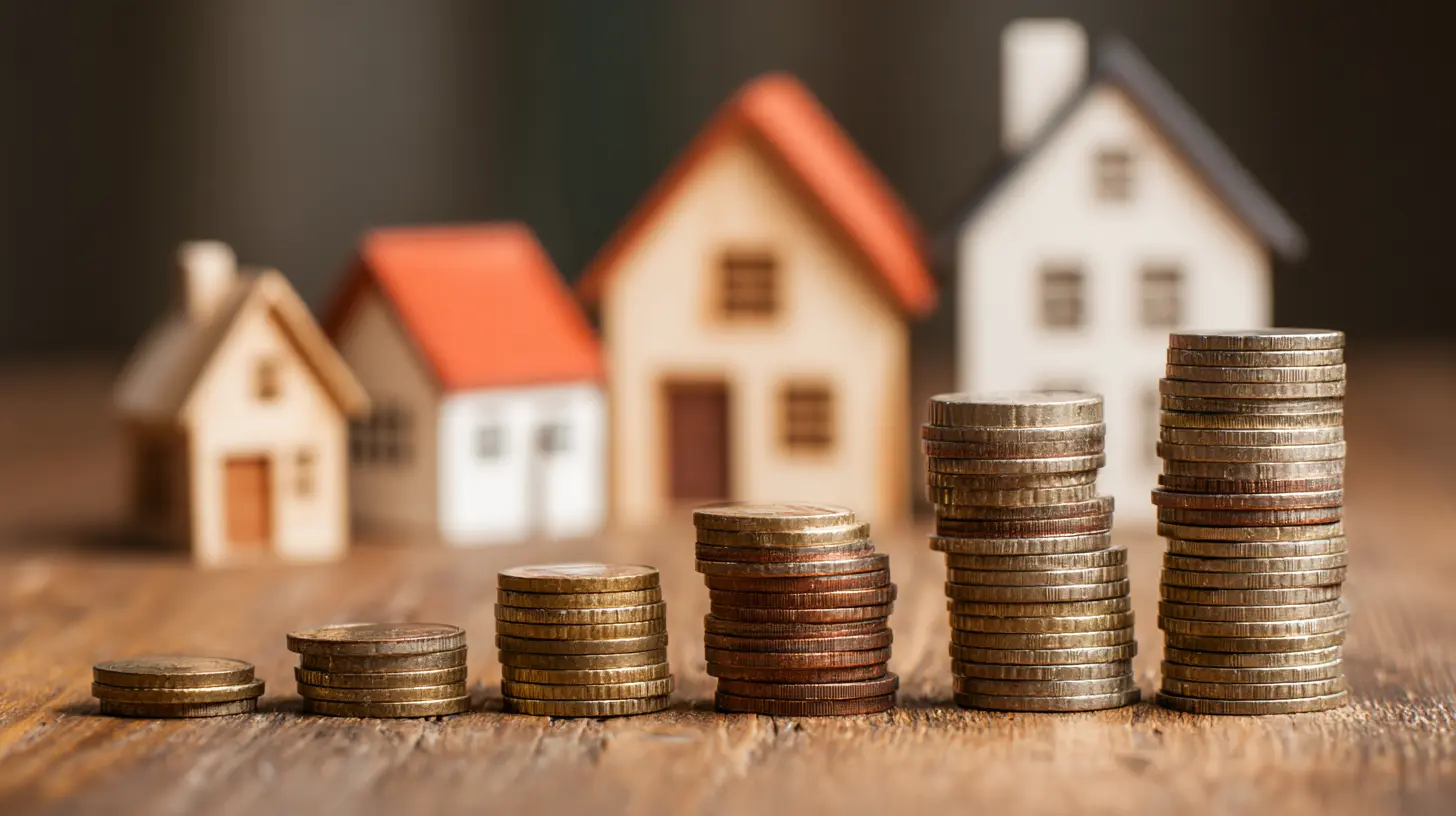
The Current Landscape of Mortgage Rates
Before we jump into the future, let’s take a quick look at where we are right now. Mortgage rates have seen some wild fluctuations over the past few years. Back in the pandemic, we saw rates drop to historic lows, making home buying a dream for many. But as the economy began to recover, rates started to creep back up. Fast forward to 2026—what can we expect?A Look Back to Move Forward
To predict the future, we often look to the past. The Federal Reserve plays a significant role in determining mortgage rates, and their decisions about interest rates are influenced by various economic factors, including inflation, employment rates, and overall economic growth. When the economy is booming, rates tend to rise. Conversely, during economic downturns, they tend to drop.The Prediction Game: Where Are Mortgage Rates Headed?
While no one can predict the future with absolute certainty, experts and analysts have some educated guesses. As we approach 2026, many believe that mortgage rates could stabilize, potentially settling around a mid-range percentage. This is mainly because the Fed aims to balance growth with inflation control. But how will these anticipated changes affect affordability?
Understanding Affordability: What Does It Mean?
So, what exactly do we mean by "affordability"? When we talk about home affordability, we're essentially discussing how much house you can buy without stretching your budget to its limits. It's about finding that sweet spot where your monthly mortgage payment, along with other costs like property taxes and insurance, fits comfortably within your income.The 28/36 Rule: A Good Benchmark
A common guideline is the 28/36 rule. This rule suggests that no more than 28% of your gross monthly income should go toward housing costs, and no more than 36% should be allocated for total debt. So, let’s say you make $5,000 a month; ideally, you shouldn’t spend more than $1,400 on your mortgage and related costs.
How Mortgage Rates Affect Monthly Payments
Now, here comes the fun part! Let’s break down how mortgage rates directly impact your monthly payments. It’s a bit like a seesaw—when one side goes up, the other side goes down.The Math Behind Mortgage Payments
Mortgage payment calculations hinge on a few key factors: the loan amount, the interest rate, and the loan term. Here’s a simplified version of how it works:- Loan Amount: This is the total amount you borrow. Let’s say you want to buy a house that costs $300,000.
- Interest Rate: This is the percentage of the loan you pay in interest. If the rate is 4%, you’re paying 4% of the loan amount in interest over the life of the loan.
- Loan Term: Most mortgages are either 15 or 30 years.
Let’s take an example: If you secure a mortgage of $300,000 at a 4% interest rate for 30 years, your monthly payment would be about $1,432. But if rates rise to 6%, that payment jumps to approximately $1,798. That's over $360 more per month!
The Ripple Effect of Higher Rates
When mortgage rates rise, not only do your monthly payments go up, but it can also affect your buying power. Suppose you were aiming for that $300,000 home. With higher rates, you might find yourself needing to lower your budget to stay within that comfortable monthly payment range.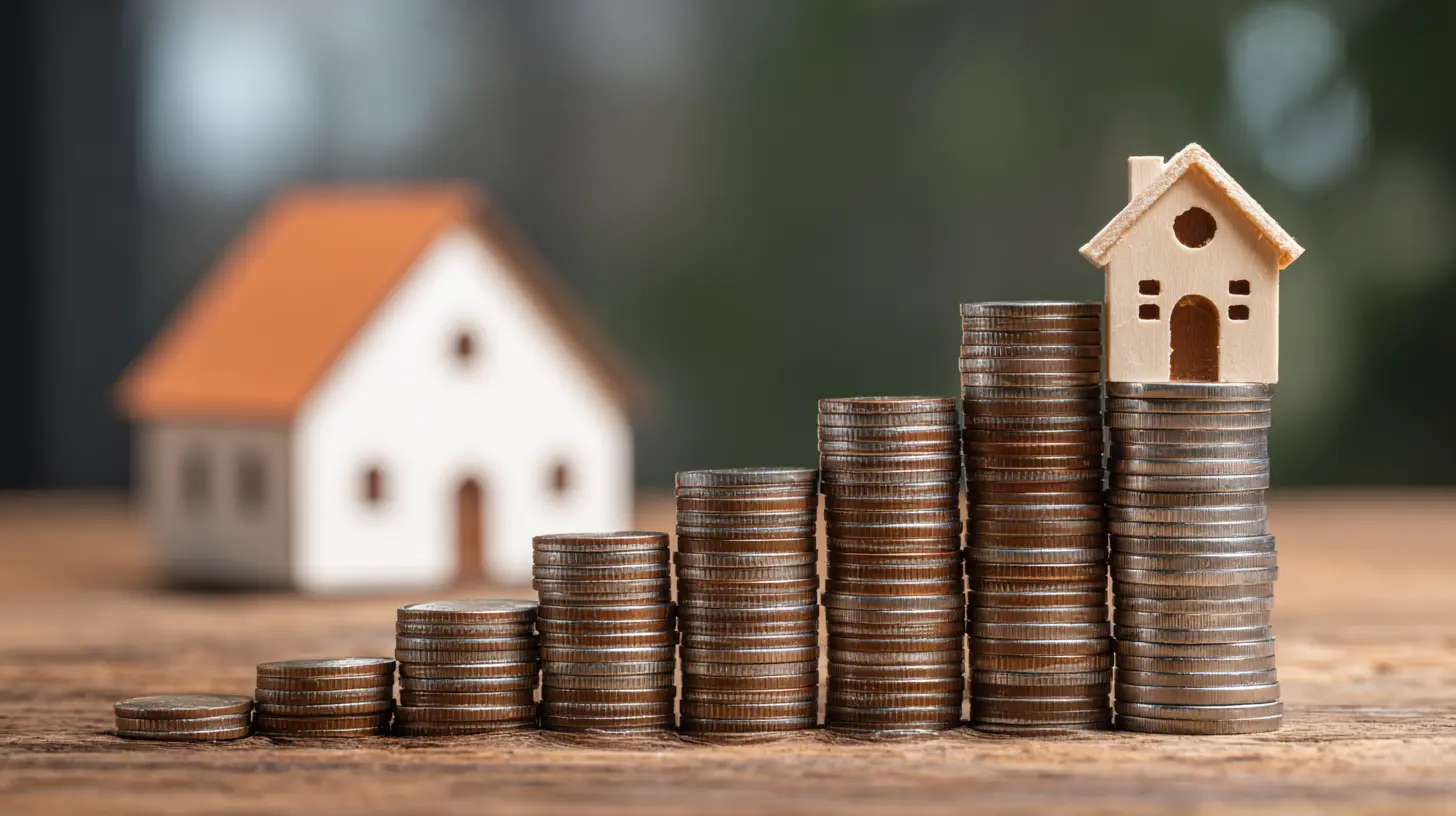
The Impact of Inflation on Mortgage Rates
Inflation is a term we hear quite a bit these days, especially in relation to the economy. But how does it tie into mortgage rates and affordability?Inflation and Interest Rates: A Tightrope Walk
When inflation rises, the Fed often responds by increasing interest rates to help control it. This can lead to higher mortgage rates, which can make homes less affordable. Think of it as a tug-of-war; inflation pulls one way, while the Fed pushes back by raising rates. The result? A potential squeeze on your wallet.How It Affects Buyers
If you’re considering buying in 2026, you might find that your purchasing power is diminished if inflation remains high and mortgage rates rise accordingly. It’s crucial to keep an eye on these economic indicators as they can directly impact your home-buying dreams.The Role of Employment and Economic Growth
Another significant factor that plays into mortgage rates is the job market and overall economic growth. A robust economy often leads to higher mortgage rates, while a struggling job market can result in lower rates.Job Growth and Housing Demand
As employment rates rise and people have more disposable income, demand for homes typically increases. This increased demand can push prices—and consequently mortgage rates—up. If you're planning to buy in 2026, the job market's stability will be a key thing to watch.Economic Downturns: The Silver Lining?
On the flip side, if the economy takes a downturn, we could see mortgage rates decrease. While it’s never fun to hear about economic struggles, a drop in rates can provide an opportunity for buyers to snag a better deal. It’s a classic case of “every cloud has a silver lining.”
What Can You Do Now?
While we can’t predict the future with complete accuracy, there are steps you can take now to prepare for whatever 2026 might bring.Get Pre-Approved
Before you start house hunting, consider getting pre-approved for a mortgage. This not only gives you a clear picture of how much you can afford, but it also shows sellers you’re serious. In a competitive market, a pre-approval can give you the edge.Keep an Eye on Rates
Stay informed about mortgage rates. There are numerous resources online, and many lenders offer rate alerts. If you see rates trending down, it might be a good time to jump in and secure your mortgage.Consider Your Financial Health
Take a close look at your financial situation. Are you in a good place to buy? Have you saved enough for a down payment? How’s your credit score? The better your financial health, the more options you’ll have when it comes time to purchase.The Future of Home Buying in 2026
As we look ahead to 2026, it’s clear that mortgage rates will play a significant role in the affordability of homes. With potential fluctuations in rates due to inflation, employment, and economic growth, staying informed and prepared is more important than ever.A Balancing Act
Home buying is often a balancing act of timing, financial readiness, and market conditions. If you’re determined to buy a home in 2026, consider how these factors will play into your plans. Will you be ready to make your move if rates drop? Or will you hold off if they rise?The Bottom Line
Ultimately, the key takeaway is this: understanding how mortgage rates impact affordability is crucial for anyone looking to buy a home. Whether you’re a first-time buyer or looking to upgrade, keeping an eye on the market and preparing yourself financially can make all the difference.As we navigate the uncertain waters ahead, remember that homeownership is a marathon, not a sprint. Being informed, prepared, and flexible will help you reach that finish line—hopefully with a beautiful new front porch waiting for you.
all images in this post were generated using AI tools
Category:
Home AffordabilityAuthor:

Elsa McLaurin
Discussion
rate this article
2 comments
Lara Hayes
Interesting to think about how rising mortgage rates might reshape affordability in 2026. Will more buyers be pushed to the rental market, or could this open up opportunities for first-time homeowners? I wonder how this will unfold.
May 4, 2026 at 12:46 PM
Elsa McLaurin
Thanks for sharing your thoughts. Rising mortgage rates will likely push some buyers to rentals, but it could also create opportunities for first-time homeowners as competition decreases. It'll be intriguing to see how the market adjusts.
Spencer Coleman
Appreciate the insightful analysis!
April 21, 2026 at 5:07 AM
Elsa McLaurin
Thank you! I'm glad you found it insightful.