How Real Estate Apps Will Transform House Hunting by 2026
15 April 2026
Remember the days of driving around neighborhoods on a Sunday, squinting at faded “For Sale” signs, and collecting a pile of crumpled brochures that would later clutter your passenger seat? Or relying on a real estate agent to fax (yes, fax) over listings that may or may not match what you actually wanted? That process already feels as archaic as using a paper map on a road trip. But here’s the kicker: the digital house-hunting tools we use today—the ones that feel so modern—will look just as quaint by 2026.
The transformation barreling toward us isn’t just about sharper photos or faster notifications. We’re on the cusp of a fundamental shift, a full-scale metamorphosis of the entire home-buying and renting journey. Think of it as the difference between sending a letter and making a video call. Real estate apps are set to become less like digital filing cabinets and more like your personal, hyper-intelligent, slightly psychic home-finding companion. Buckle up, because the hunt is about to get a whole lot smarter, smoother, and, dare I say, fun.

From Scrolling to Simulating: The Rise of Hyper-Immersive Experiences
Let’s be honest, even the best 360-degree virtual tour today can feel a bit like you’re floating through a space station. You click, you spin, you might even feel a little detached. By 2026, that detachment will be a relic of the past. The key phrase here is immersive technology.The Main Event: Widespread, Accessible Virtual Reality (VR) Tours
Forget just viewing a property. You’ll be in it. With the cost of VR headsets plummeting and smartphone-powered VR becoming more sophisticated, the standard will shift from “photos available” to “VR tour mandatory.” You’ll be able to don a lightweight headset (or use your phone in a simple viewer) and truly walk through a home from 3,000 miles away. But it goes beyond sight.Want to see how the afternoon sun slants into the living room in July? The app will simulate it. Curious about the noise level with the windows open? Spatial audio will replicate the ambient sounds of the street. You’ll be able to open virtual drawers, test the flow from the kitchen to the patio, and get a genuine sense of space and scale. This isn’t just a convenience for out-of-town buyers; it’s a massive time-saver for everyone. Why spend a Saturday driving to ten houses when you can genuinely experience eight of them in your pajamas over coffee, saving the in-person visits for the two that truly stole your virtual heart?
Augmented Reality (AR): Your Superpower for Visualization
While VR transports you, AR enhances the world around you. This is where things get truly magical. Imagine pointing your phone’s camera at an empty room in a potential house. With an AR-enabled real estate app, you could:* Furnish it in real-time: Drag and drop your actual sofa, your favorite rug, and your grand piano from a digital inventory to see if they fit and how they look.
* Repaint walls instantly: Cycle through paint colors with a tap, seeing how “Seafoam Serenity” looks versus “Bold Aubergine” before buying a single sample pot.
* Expose hidden details: Point your camera at the ceiling to see the schematic of the wiring or plumbing behind the drywall, or at the backyard to visualize a potential deck or garden layout.
AR will erase the imagination gap. The struggle to see potential in a space will vanish, replaced by a clear, interactive vision of what could be. It turns every viewer from a passive observer into an active designer.

Your AI Matchmaker: Beyond Basic Filters
If you think today’s filters for “2 beds, 2 baths, under $500k” are helpful, you’re in for a treat. By 2026, artificial intelligence (AI) will have evolved from a simple sorting tool into a proactive, intuitive partner that understands you better than you understand yourself.The Predictive Property Scout
Today’s apps show you what’s on the market. Tomorrow’s apps will predict what will be on the market. By analyzing vast datasets—from quiet listings (pocket listings) and pre-foreclosure notices to subtle changes in an owner’s online activity or life events (public records of marriage licenses, job changes)—AI will send you alerts for homes that are likely to come up for sale before they even hit the official market. It’s like having a insider tip, but one generated ethically by algorithms.The “You” Algorithm: Learning Your Unspoken Tastes
This is where it gets personal. An AI won’t just note that you clicked on a Victorian home. It will analyze why. It will learn that you paused the virtual tour in the homes with original hardwood floors, bay windows, and chef’s kitchens with gas ranges. It will notice you always skip past houses with open-concept living, even if you never set a filter against it.It will cross-reference this with your lifestyle data (with your permission, of course). Does your Spotify playlist suggest you love quiet nights in? The AI might prioritize homes on cul-de-sacs. Do you frequently order gardening supplies online? It will highlight properties with superior soil quality or sun exposure. It moves from matching your stated criteria to anticipating your unstated desires, serving up a shortlist that feels eerily perfect.
The Transaction Tornado: Streamlining the Unfun Stuff
Finding the dream home is only half the battle. The paperwork, negotiations, financing, and legal hurdles are the labyrinth we all dread. By 2026, real estate apps will be the thread leading you through that maze.Blockchain & Smart Contracts: The Trust Protocol
The phrase “blockchain” might sound like tech jargon, but its application here is beautifully simple: secure, transparent, and unchangeable record-keeping. Imagine an app where:* Every document—the listing details, inspection reports, disclosures, contracts—is stored on a secure, decentralized ledger. No more “I emailed you the PDF, did you get it?” chaos.
* Smart contracts automate the process. Once conditions are met (e.g., “funds secured” and “inspection passed”), the contract automatically executes the next step, like releasing earnest money or transferring title. This reduces human error, cuts down on fraud, and speeds up the entire closing process from weeks to potentially days.
All-in-One Platforms: Your Digital War Room
Your house-hunting app will no longer be a silo. It will be the central command hub for your entire transaction. Integrated directly into the platform will be:* Digital mortgage brokers that pre-approve you in minutes using secure financial APIs.
* AI-powered negotiators that analyze market comps in real-time and suggest optimal offer prices and terms.
* Virtual notaries and e-closing suites where you can sign every document legally from your living room.
* Chatbots for instant Q&A with your real human agent, title company, or lender, with all conversation history neatly logged in the property file.
The process shifts from a stressful series of phone calls, emails, and in-person signings to a streamlined, trackable, and surprisingly calm digital workflow.

The Community Crystal Ball: Seeing Beyond the Walls
A home isn’t just a structure; it’s the neighborhood, the community, the life that happens around it. Future apps will give you X-ray vision into the soul of a street.Hyperlocal Data Streams
Instead of just showing school ratings, the app will let you tap into real-time, hyperlocal data feeds. What’s the pedestrian traffic like on a Tuesday evening? What are the noise levels at 2 PM vs. 2 AM? Is there a popular community garden or a farmers’ market within a 5-minute walk? Apps will aggregate data from IoT devices, municipal systems, and even anonymized community updates to paint a dynamic, living picture of what it’s actually like to exist in that space.Social-First Neighborhood Insights
Think Nextdoor, but specifically curated for potential residents. Future platforms might offer “prospective resident” access to limited neighborhood forums, allowing you to ask questions directly to future neighbors. “How friendly is the block?” “Is there a neighborhood BBQ?” “Are the trash collectors reliable?” Getting authentic, unfiltered insights will demystify the final and most important piece of the puzzle: the people.By 2026, house hunting will shed its skin of frustration and uncertainty. Real estate apps will evolve from being mere tools to becoming trusted guides, creative partners, and logistical conductors. They will satisfy not just our practical needs for shelter, but our human needs for vision, understanding, and confidence. The journey to find a home will become less of a grueling hunt and more of an inspired, empowered exploration. The future isn’t just about finding a house faster; it’s about finding your home with more clarity, creativity, and confidence than ever before. And honestly, isn’t that what we’ve all been waiting for?
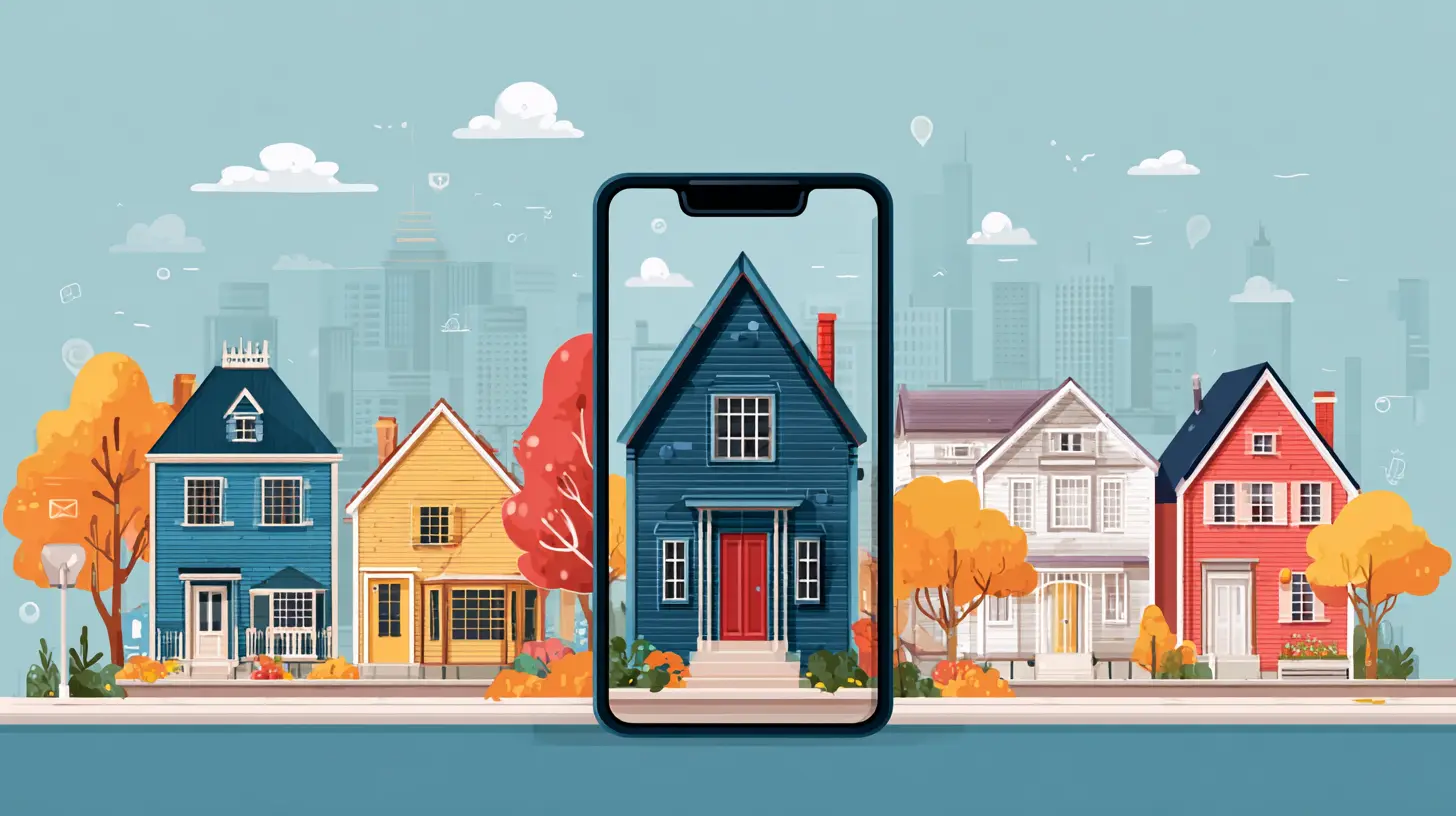
all images in this post were generated using AI tools
Category:
Real Estate AppsAuthor:

Elsa McLaurin
Discussion
rate this article
2 comments
Solaria Turner
Apps illuminate dream homes ahead.
April 20, 2026 at 12:41 PM
Elsa McLaurin
Absolutely! These apps are set to revolutionize how we find our dream homes. Exciting times ahead!
Tilly Kirkland
Great insights! The evolution of real estate apps will undoubtedly revolutionize house hunting, making it more efficient and accessible for everyone.
April 18, 2026 at 3:06 AM
Elsa McLaurin
Thanks for your comment! I agree, the advancements in real estate apps are set to change the game for house hunters. Exciting times ahead!