How Seasonal Market Changes Can Affect Your Home’s Appraisal
10 May 2026
When it’s time to appraise your home, you might expect a straightforward process—inspect the property, check the market comparables, and get a final value. Simple, right? Well, not exactly. One major factor that often gets overlooked is seasonality. Yes, the time of year when your home is appraised can significantly impact its value.
So, how do different seasons affect home appraisals? And what can you do to maximize your home’s value regardless of the season? Let’s dive in. 
Understanding Home Appraisals
Before we jump into the seasonal effects, let’s quickly define what a home appraisal is and why it matters.A home appraisal is an unbiased estimate of a property’s value conducted by a licensed professional. This process is crucial whether you're buying, selling, refinancing, or applying for a home equity loan. The appraiser considers factors such as:
- The home’s condition
- Location and neighborhood trends
- Recent sales of similar homes (comparables)
- Market conditions at the time of appraisal
While these factors remain consistent throughout the year, the way they interact with seasonal market trends can influence the final appraisal value. 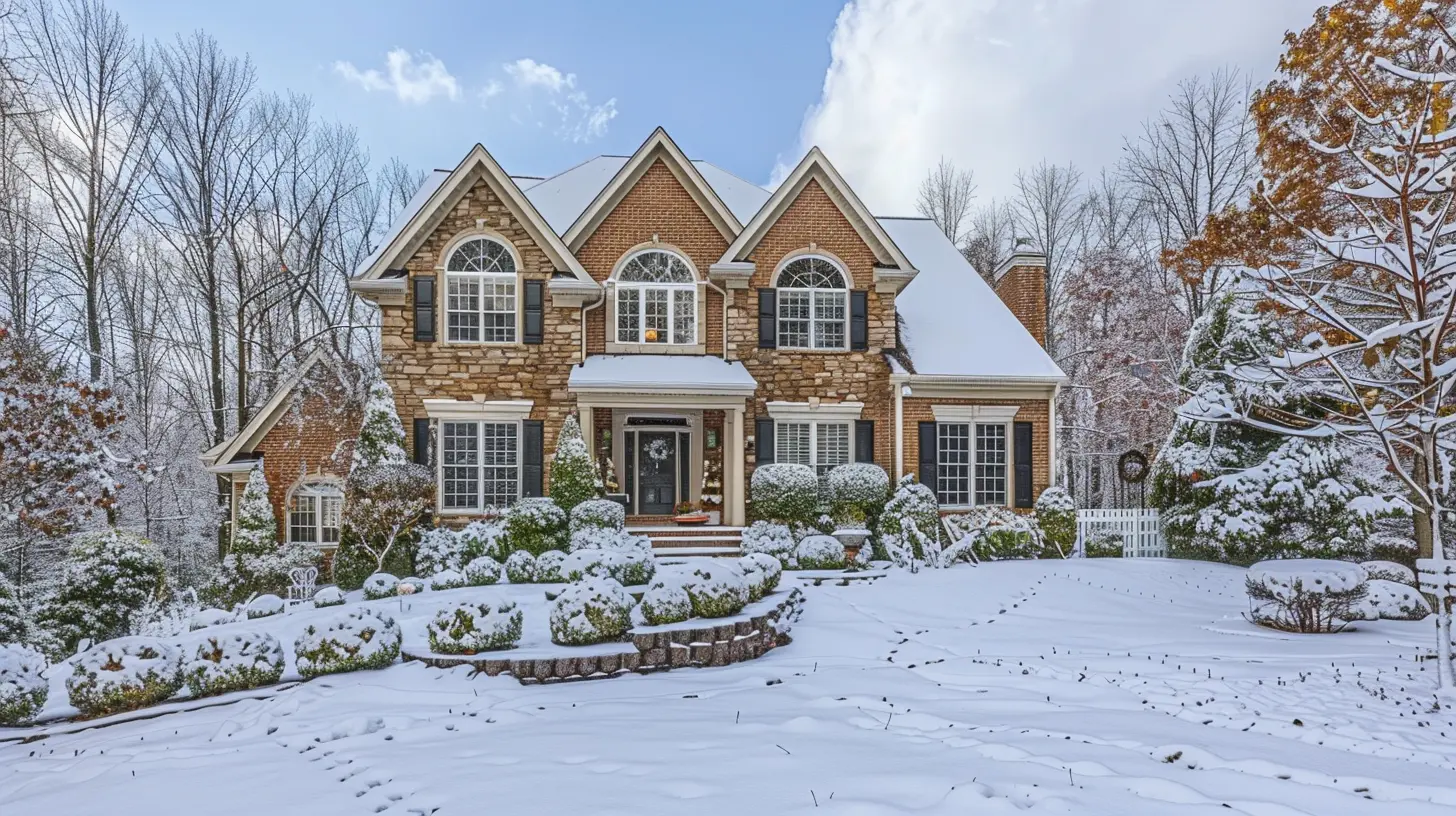
How Seasons Influence Home Appraisals
Each season brings unique challenges and opportunities when it comes to home appraisals. Let's break it down.Spring: The Season of High Demand and Higher Appraisals
Spring is often considered the best time to sell or buy a home. With warmer weather and longer daylight hours, buyers are more active, and curb appeal is at its peak.Why Spring Boosts Home Appraisals:
✅ Higher Demand – More buyers flood the market, leading to bidding wars, which can drive up prices.✅ Better Comparables – More homes are sold in the spring, giving appraisers fresh, higher-priced comps to work with.
✅ Improved Curb Appeal – Flowers are blooming, lawns are green, and exteriors look more inviting.
However, while spring appraisals often come in stronger, increased inventory can create competition. Buyers have more choices, making pricing strategies critical.
Summer: Hot Weather, Hot Market
Like spring, summer is a busy season for real estate. Families prefer to move before the school year starts, and long days allow for more showings.How Summer Affects Appraisals:
✅ Continued High Demand – Buyers remain active, keeping home prices stable.✅ More Comparable Sales – Like spring, there are enough recent home sales to support appraised values.
✅ Curb Appeal Still Strong – Gardens are lush, and natural light highlights home features.
But summer isn't without its challenges. Appraisers might note maintenance issues like fading paint, unkempt lawns, or air conditioning concerns. Plus, if demand slows toward August, appraisals may come in slightly lower than in peak spring months.
Fall: A Transition Season That Can Go Either Way
Fall is a mixed bag for home appraisals. While some buyers hurry to close deals before the holidays, others slow their search.How Fall Impacts Appraisals:
✅ Less Competition for Comparable Sales – With fewer homes on the market, comps might be more stable.✅ Buyers Looking for Bargains – Homes that didn’t sell in summer might be discounted, lowering comp values.
✅ Curb Appeal Fades – Leaves are falling, and lawns start to wither, making homes look less inviting.
The upside? Motivated buyers and sellers can still create strong sales data. If your home is well-maintained, appraisers will take that into account, even if the overall market appears slower.
Winter: The Toughest Season for Appraisals
Winter is, unfortunately, the most challenging season for home appraisals. Cold weather, fewer sales, and limited curb appeal can all work against you.Why Winter Appraisals Tend to Be Lower:
✅ Fewer Comparable Sales – With fewer recent transactions, appraisers may rely on outdated comps.✅ Lower Buyer Demand – A quieter market means less competition to drive up prices.
✅ Poor Curb Appeal – Snow-covered lawns, bare trees, and gloomy skies don’t do homes any favors.
That said, not all winter appraisals are doomed. A well-staged home with good maintenance can still shine. Plus, some buyers, such as relocators, are motivated and willing to pay a fair price, which helps maintain home values. 
Tips to Maximize Your Home’s Appraisal Value in Any Season
Regardless of when your appraisal happens, there are ways to boost your home’s value. Here are a few smart strategies:1. Keep Your Home Well-Maintained Year-Round
Regular upkeep is key. Fix small issues before they become big problems—whether that’s patching up paint, repairing leaky faucets, or tending to landscaping.2. Enhance Curb Appeal
Even in winter, you can improve curb appeal with a clean exterior, fresh paint, and seasonal décor that isn’t overwhelming.3. Provide Recent Comparable Sales
Do your homework. If you’re in a slow season, help your appraiser by pointing out recent strong sales in your area.4. Highlight Key Home Improvements
Energy-efficient windows? New roof? Updated kitchen? Let your appraiser know. These improvements can boost value.5. Stage Your Home for a Better First Impression
Whether it’s spring or winter, a clean, organized home looks more valuable. Remove clutter, brighten up rooms, and create a welcoming environment.
Final Thoughts: Timing Matters, but Preparation is Key
Seasonal market trends do influence home appraisals, but they don’t dictate your home’s worth. With proper preparation, maintenance, and an understanding of seasonal fluctuations, you can ensure your home appraises as high as possible, no matter the time of year.So, when scheduling your appraisal, consider timing—but don’t rely on it alone. A well-prepared home speaks for itself, regardless of whether it’s blooming in spring or covered in snow in winter.
Got an appraisal coming up? Start making small improvements now—you’ll thank yourself when that final number comes in!
all images in this post were generated using AI tools
Category:
Real Estate AppraisalAuthor:

Elsa McLaurin
Discussion
rate this article
2 comments
Lydia Rodriguez
Understanding seasonal market changes is crucial for homeowners concerned about appraisals. In spring, demand often spikes, leading to higher appraisals, while winter can see declines due to reduced buyer activity. Awareness of these trends helps homeowners time their sales better and potentially increase their property's value.
June 9, 2026 at 5:08 AM
Elsa McLaurin
You're absolutely right. Being aware of seasonal trends can make a big difference in maximizing a home's value. Timing can truly impact appraisals.
Xander Miller
Timing impacts valuation greatly.
May 16, 2026 at 2:53 AM
Elsa McLaurin
Absolutely, timing can make a big difference in appraisals. Seasonal trends often reflect buyer demand and market conditions that can influence value.