How Smart Home Tech is Reshaping Buyer Expectations in 2027
9 September 2026
Walk into any newly listed home in 2027, and you will notice something that was almost unheard of just five years ago. The conversation is no longer about square footage, granite countertops, or even the size of the backyard. Instead, buyers are asking about the network infrastructure. They want to know if the router is mesh or single point. They ask whether the thermostat learns their schedule or just follows a preset. They check if the doorbell camera stores footage locally or pushes it to the cloud.
This shift is not a passing trend. It is a fundamental change in how people evaluate a home's worth. Smart home technology has moved from being a novelty for early adopters to a baseline expectation for a large segment of the buying public. But here is the nuance that most real estate professionals and sellers miss: buyers do not want more gadgets. They want a home that works with minimal friction. They want security, convenience, and energy efficiency that does not require a computer science degree to operate.
The real estate market in 2027 is not about who has the most devices. It is about who has the most thoughtful integration. And that distinction changes everything from pricing strategy to the final walkthrough.
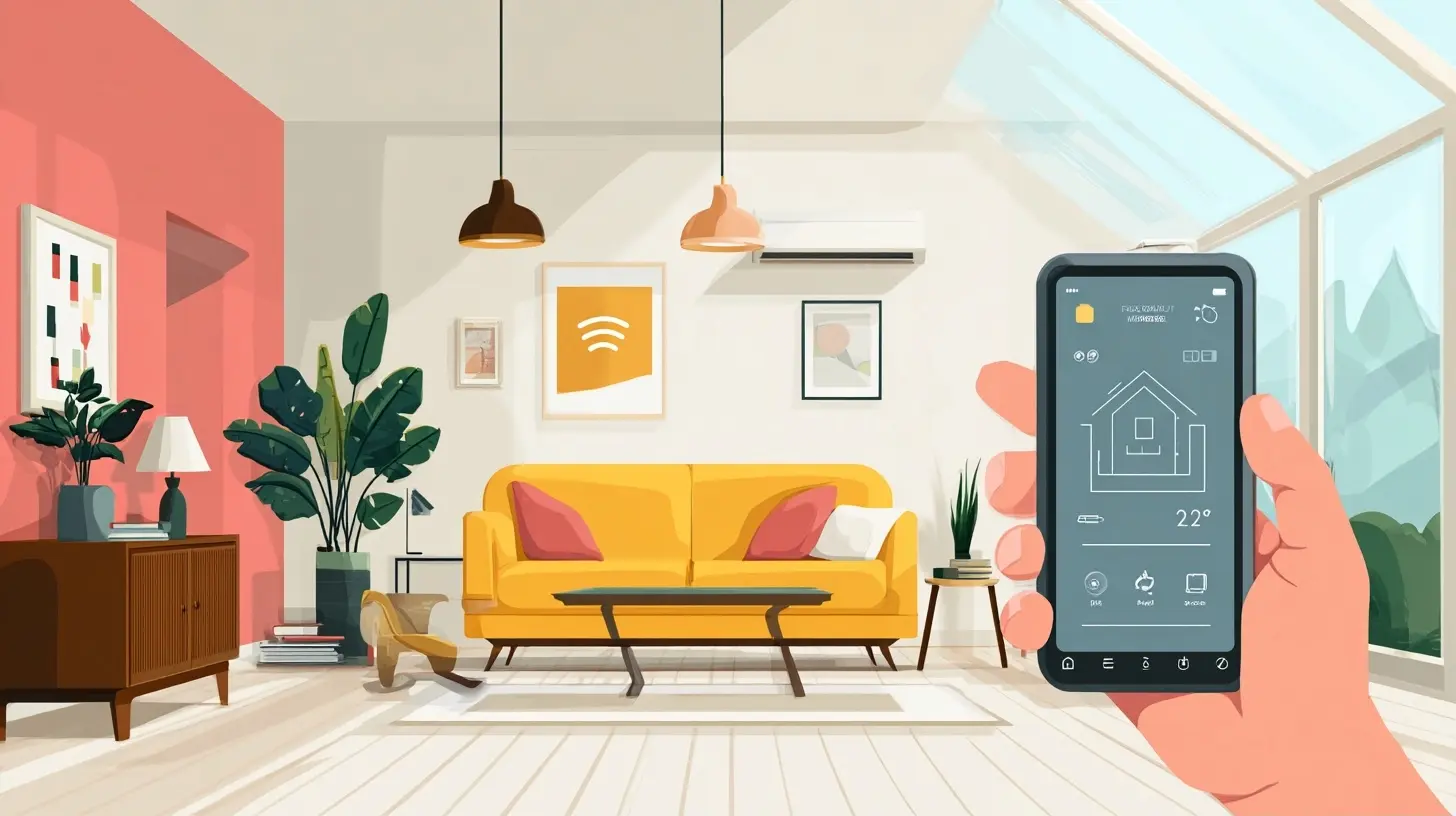
The Shift from Gimmick to Utility
For years, smart home tech was a checkbox item. A seller would install a smart lock, a video doorbell, and maybe a voice assistant, then slap a "smart home" label on the listing. Buyers would shrug. It was nice, but it did not move the needle. That era is over.In 2027, the average buyer has lived with smart home devices in rentals, hotels, or previous homes. They know what works and what does not. They have experienced the frustration of a smart lock that drains batteries in two weeks. They have dealt with a security camera that sends false alerts every time a squirrel crosses the yard. They have fought with a smart speaker that refuses to understand their accent.
Because of this hands-on experience, buyers are no longer impressed by the presence of technology. They are impressed by the absence of problems. A home that has a well-configured smart system is not a home with more features. It is a home with fewer annoyances. That is a subtle but crucial distinction.
When a buyer walks into a property and the lights come on automatically at a comfortable brightness, the thermostat is already set to their preferred temperature (because the showing was scheduled through an app), and the garage door opens without them fumbling for a remote, they do not think "wow, this is high tech." They think "this feels right." That feeling is what drives offers.
The expectation has shifted from "does this home have smart features" to "does this home feel intelligent." An intelligent home anticipates needs. A smart home merely responds to commands. Sellers who understand this difference can position their property far more effectively than those who simply list a bunch of connected devices.
The New Non-Negotiables: Security and Connectivity
Let us talk about what buyers actually care about in 2027. The list is shorter than you might think, but the depth of concern is much greater.Video Doorbells and Camera Systems Are Now Standard
A home without a video doorbell is starting to feel like a home without a deadbolt. It is not a luxury. It is a basic security expectation. Buyers want to see who is at the door before they open it. They want to check package deliveries while they are at work. They want a record of who came and went.But the expectation goes beyond just having a camera. Buyers are increasingly concerned about privacy and data ownership. A camera system that requires a monthly subscription and sends all footage to a third-party server is viewed with suspicion. Buyers are asking pointed questions. Where is the footage stored? Can the previous owner still access it? Is there a local storage option?
Sellers who can demonstrate that the system is fully reset, with local storage or clear cloud ownership transferred to the buyer, have a distinct advantage. This is one of the most overlooked aspects of selling a smart home. You cannot just leave your devices behind and expect the new owner to be happy. You have to ensure they are set up fresh, with no lingering access from your accounts.
Reliable Internet Infrastructure Is the New Foundation
Here is the real estate truth that many older listings fail to address. A smart home is only as good as its network. In 2027, a home with fiber optic internet and a whole-home mesh Wi-Fi system is significantly more attractive than a home with the same square footage and a single router in the corner of the living room.Buyers are starting to ask about network speed tests during showings. They want to know if the walls are conducive to Wi-Fi signals. They ask if there are ethernet ports in the home office or the media room. This is particularly important for remote workers and families with multiple devices streaming, gaming, and attending virtual school simultaneously.
The mistake many sellers make is assuming that the internet service provider is the buyer's responsibility. That is true, but the internal infrastructure is not. If the home has thick walls, a poor layout for signal propagation, or outdated cabling, no amount of gigabit internet from the street will fix it. Sellers who have invested in a mesh network, proper access points, or even structured wiring have a tangible advantage that justifies a higher asking price.
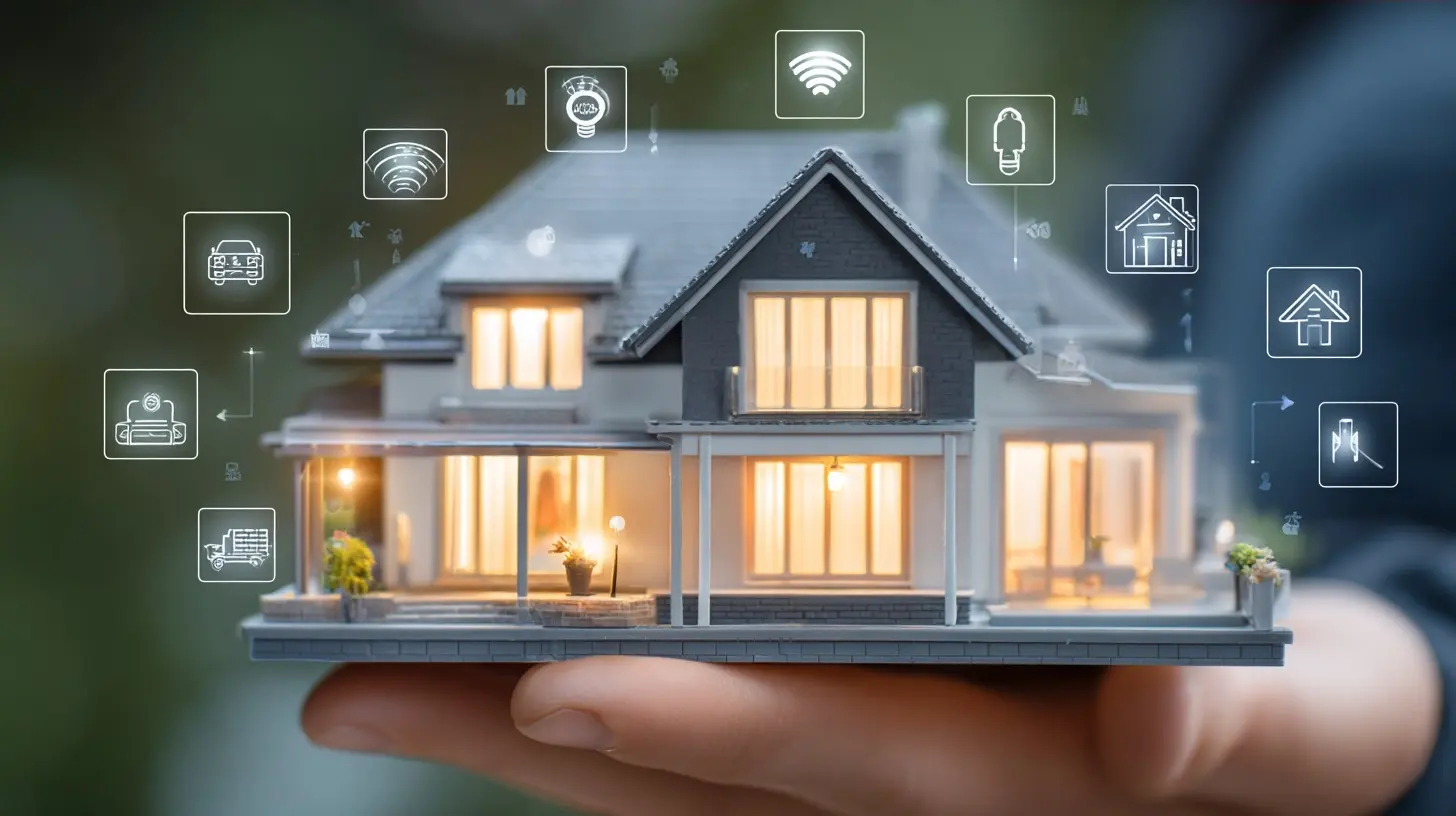
Energy Efficiency Becomes a Measurable Asset
The smart thermostat was one of the first widely adopted smart home devices, and it remains one of the most impactful. But in 2027, the expectation has evolved. Buyers do not just want a thermostat they can control from their phone. They want a thermostat that demonstrably saves them money.The Shift to Intelligent Climate Control
Modern buyers are savvier about energy costs. They know that heating and cooling account for a large portion of a home's utility bill. They are looking for systems that learn their habits, adjust based on occupancy, and integrate with time-of-use electricity rates.A learning thermostat that has been properly configured for the home's schedule is a selling point. But a thermostat that is simply installed and left on default settings is not. Sellers should take the time to show buyers the energy reports. If the system can produce a history of usage and savings, that is powerful evidence. It turns an abstract feature into a concrete financial benefit.
Smart Lighting and Appliance Integration
Lighting is another area where expectations have risen. Buyers are not impressed by smart bulbs that change color. They are impressed by lighting scenes that adjust automatically based on time of day, occupancy, and natural light levels. A home that dims the lights in the evening, brightens them in the morning, and turns everything off when no one is home is perceived as both luxurious and responsible.Similarly, smart appliances are no longer just about remote control. The expectation is that the refrigerator tells you when you are low on milk, the oven preheats when you leave work, and the washer sends a notification when the cycle is done. These features are nice, but they are not deal-breakers. The deal-breakers are the ones that fail. A smart appliance that frequently disconnects from the network or requires constant troubleshooting is worse than a dumb appliance that just works.
This is a critical point for sellers. Do not leave behind a half-working smart system. A broken smart feature is far more damaging to a sale than no smart feature at all. Buyers will assume that if the technology is poorly maintained, the rest of the home is too.
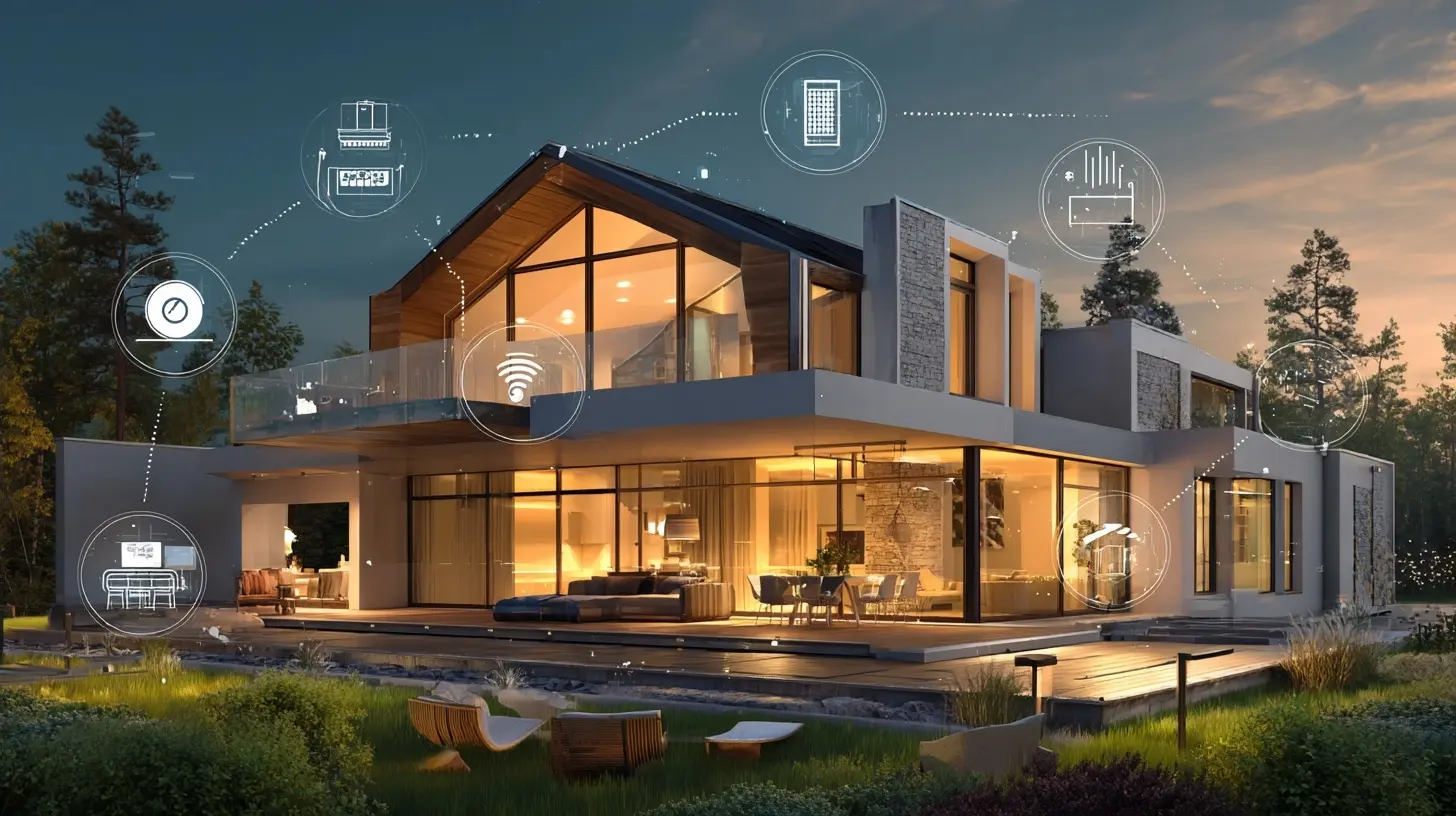
The Integration Problem: Why Compatibility Matters More Than Brand
One of the biggest misconceptions in the smart home space is that more devices equal a smarter home. The opposite is often true. A home with ten different apps, each controlling a separate device, is a nightmare. Buyers in 2027 are looking for cohesion.The Rise of Matter and the Decline of Fragmentation
The industry has made significant strides toward standardization. The Matter protocol, which allows devices from different manufacturers to work together, has become the baseline. Buyers are increasingly aware of this. They do not want to be locked into a single ecosystem. They want flexibility.When evaluating a home, buyers are asking which smart home platform is the central hub. Is it Apple HomeKit, Google Home, Amazon Alexa, or something else? They want to know if the devices will work with their existing setup. A home that is exclusively tied to one brand's proprietary system can be a turn-off, especially for buyers who have already invested in a different ecosystem.
Sellers who have chosen interoperable devices and set them up on a common platform have a significant edge. They can honestly say that the new owner will not have to rip everything out and start over. That peace of mind is worth real money.
The Danger of Over-Integration
There is a flip side. Some sellers go overboard. They automate everything to the point where the home feels intrusive. Motion sensors that turn on lights in every room, voice assistants that respond to every sound, and cameras that record every corner of the property can feel like living in a surveillance state.Buyers are becoming more privacy-conscious. They do not want a home that watches them. They do not want to feel like they are living in someone else's automated experiment. The best smart homes are the ones that are invisible until you need them.
The rule of thumb for sellers is this. If a smart feature does not provide clear, tangible value, it is probably adding clutter. Remove it. A clean, simple, well-integrated system with five useful functions beats a chaotic system with fifty flashy ones.
The Real Estate Transaction Process Has Changed
Smart home technology does not just affect the physical home. It has changed the entire transaction process, from listing to closing.Digital Showings and Remote Viewing
In 2027, many buyers start their search online. But the smart home aspect has made the online experience more interactive. Sellers are now offering virtual tours where buyers can control the view. They can pan around rooms, zoom into details, and even see the status of smart devices in real time.More advanced listings include a "smart home walkthrough" video that explains the system. This is not just a feature list. It is a demonstration of how the home operates. For example, the video might show the owner leaving the house, saying "goodbye" to the voice assistant, and watching the lights turn off, the thermostat adjust, and the security system arm automatically.
This type of content is highly effective because it answers buyer questions before they even step foot in the property. It reduces the number of showing appointments from curious but unqualified buyers and attracts those who are genuinely interested in the smart home lifestyle.
The Inspection and Disclosure Phase
This is where things get tricky. A home inspection in 2027 is no longer just about the roof and the foundation. It includes a network assessment, a check of the smart devices, and a review of the home automation system's health.Sellers should be prepared for this. They need to provide documentation of all smart devices, including model numbers, purchase dates, and any warranties. They should also disclose any known issues. Hiding a faulty smart lock or a camera that frequently drops offline is a recipe for a deal falling through at the last minute.
Buyers are also hiring specialists to do a "smart home audit" before closing. This audit checks for data security risks, such as old devices that still have the previous owner's credentials or unsecured network ports. It is a growing niche field, and it is one that sellers should welcome. A clean audit report is a powerful negotiating tool.
Appraisal and Valuation Challenges
One of the most significant challenges in 2027 is appraising a smart home. Traditional appraisers rely on comparable sales. But how do you compare a home with a fully integrated smart system to a similar home with none? The answer is often that you cannot.This has led to a disconnect between what buyers are willing to pay and what appraisers are willing to value. Buyers see a home that will save them money on energy bills, provide security, and offer convenience. They are willing to pay a premium. Appraisers, on the other hand, are often conservative and may not give much credit to smart home features because they are considered personal property or easily removable.
Sellers need to be aware of this. If you have invested significantly in smart home infrastructure, you may need to provide appraisers with detailed documentation of the costs and benefits. You may also need to be flexible on price if the appraisal comes in lower than expected. This is not an easy problem to solve, but it is one that buyers and sellers must navigate honestly.
Common Mistakes Sellers Make with Smart Homes
Let me walk you through the most common errors I see in the market. Avoiding these will put you ahead of most of your competition.Leaving Devices on Your Account
This is the number one mistake. Sellers leave the smart door lock, thermostat, and cameras linked to their email and phone number. The new owners move in, and they cannot control anything. They have to call the manufacturer, provide proof of purchase, and wait days for a reset. It is a terrible first impression.Before listing your home, factory reset every device. Create a new account that is neutral, or simply remove all personal data and leave the devices in a clean state. Provide the buyer with a manual that explains how to set up their own account. This small step can prevent a mountain of frustration.
Ignoring the Network
I touched on this earlier, but it deserves emphasis. You can have the best smart devices in the world, but if your Wi-Fi is weak, they will all be useless. Before you list your home, test the network in every room. If there are dead zones, fix them. Add a mesh system or access points. This is a relatively low-cost investment that has a high return.Overcomplicating the System
Do not turn your home into a science project. If you have a complex automation that only you understand, new buyers will not appreciate it. They will be overwhelmed. Simplify the system so that a new owner can easily grasp how to use it. The goal is to make the home feel intuitive, not intimidating.Not Providing Documentation
Buyers want to know what they are getting. Create a one-page summary of all smart devices, their functions, and any subscription services they require. If a camera system needs a monthly cloud plan, say so. If a smart lock requires a specific app, list it. Transparency here builds trust and reduces the chance of post-sale disputes.The Buyer's Perspective: What to Look For
If you are a buyer in 2027, you have a unique opportunity. Smart home technology is still evolving, and you can use it to your advantage. But you need to know what to look for and what questions to ask.Do Not Pay for Gimmicks
When you are touring a home, separate the genuinely useful smart features from the flashy ones. A smart thermostat, a video doorbell, and a good network setup are worth paying for. A smart refrigerator with a touchscreen that nobody uses is not. You are not buying the technology. You are buying the outcome. Focus on outcomes.Check the Ecosystem
If you already have a smart home setup, you want to make sure the new home is compatible. Ask about the platform. If the home is heavily invested in a system that does not work with yours, you may face a costly reconfiguration. Sometimes it is easier to buy a home with no smart features and build your own system from scratch than to inherit a mismatched one.Verify Data Privacy
This is critical. Before you close on a home, make sure that all previous owner data has been wiped. Ask for proof that the devices have been reset. If the seller is unwilling to do this, that is a red flag. You do not want to move into a home where a previous owner can still control the locks or view the cameras.Negotiate for the Infrastructure
The devices themselves are often removable, but the infrastructure is not. Ethernet cabling, smart wiring, and a well-designed network panel are valuable. If the home lacks these, you can negotiate a credit to have them installed. If the home has them, you should be willing to pay a premium.
The Future Is Not About the Gadgets
As we move deeper into 2027, the smart home market is maturing. The novelty has worn off. What remains is a set of practical tools that genuinely improve daily life. The buyers who are most satisfied are the ones who view smart home technology as a utility, not a toy. They want a home that is secure, efficient, and convenient. They want to come home to a space that responds to their presence without demanding constant attention.For sellers, the message is clear. Invest in the basics. Make sure the network is solid. Ensure the security system is robust and private. Simplify the controls. Document everything. Do not try to impress buyers with the number of devices. Impress them with the quality of the experience.
For buyers, the message is equally clear. Do not be dazzled by blinking lights and voice commands. Look for a home that will save you money, keep you safe, and make your life easier. Ask the hard questions. Verify the system works. Understand what you are inheriting and what you will need to set up yourself.
The homes that sell fastest and at the best prices in 2027 are not the ones with the most technology. They are the ones where the technology is so well integrated that it feels natural. The smart home has finally grown up. It is no longer a differentiator. It is an expectation. And the buyers and sellers who understand that will find themselves at a distinct advantage in a competitive market.
all images in this post were generated using AI tools
Category:
Real Estate TechnologyAuthor:

Elsa McLaurin
Discussion
rate this article
2 comments
Parker Harper
Smart home tech is revolutionizing buyer expectations, making homes more efficient and desirable.
September 30, 2026 at 4:24 AM
Amos Davis
In 2027, homes whisper secrets of smart design, where comfort dances with technology, and every corner breathes innovation, shaping dreams into reality.
September 29, 2026 at 11:53 AM
Elsa McLaurin
Absolutely! The fusion of comfort and technology is transforming what buyers seek in homes. It's exciting to see how innovation shapes our living spaces.