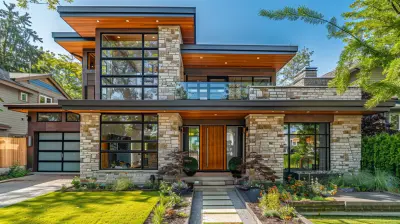
How to Increase Your Home's Value Before Listing in 2027
2 September 2026
The real estate market of 2027 will not be a replay of the pandemic boom or the rate-driven slowdown that followed. It will be a market defined by buyer selectivity, climate resilience, and the tangible cost of homeownership. Sellers who simply slap on a coat of paint and raise the price will be left holding the bag. The buyers who remain active are not desperate; they are strategic. They have done their homework, they know the true cost of maintenance, and they are looking for properties that do not bleed them dry in the first five years.
Increasing your home's value before listing in 2027 is not about cosmetic fluff. It is about engineering a financial argument. You are not selling a house; you are selling a low-risk asset with a predictable cost structure. Every dollar you spend must either reduce a buyer's future expense, increase the usable square footage, or improve the property's resilience to the specific climate risks of your region. Anything else is a donation to the next owner.

The 2027 Buyer's Mindset: Why "Move-In Ready" Now Means "Maintenance-Free"
The biggest shift in buyer psychology over the last few years is the fear of the deferred maintenance bomb. In a high-interest-rate environment, buyers are stretching their monthly budgets. They have little cash left over for a new roof or a failing HVAC system. The phrase "move-in ready" used to mean clean and painted. In 2027, it means the big-ticket items have a documented life expectancy of at least ten years.This changes your strategy fundamentally. You cannot hide problems. In fact, you should not try. The most effective way to increase value is to fix the invisible issues and then provide a binder of receipts, warranties, and inspection reports that prove the work was done. This is not about staging a perfect photo; it is about building a legal and financial shield for the buyer.
Consider the difference between two identical homes on the same street. Home A has new quartz countertops and a renovated bathroom. Home B has dated kitchens but a brand-new roof, a new water heater, and a recently serviced HVAC system. In 2027, Home B will sell faster and for a higher price per square foot. Why? Because the buyer can calculate the exact cost of ownership for Home B. Home A is a mystery box. The countertops are nice, but the roof is 18 years old and the buyer knows that is a $15,000 problem they will have to solve within two years.
Your job is to eliminate the mystery. The value you add is certainty.
The Roof Over Their Head: The Undisputed King of Value
Let us start with the most expensive and most ignored item: the roof. Most sellers avoid replacing the roof because it is a large, upfront cost with no visual appeal. This is a strategic error in 2027. Insurance companies are increasingly refusing to renew policies on homes with roofs older than 15 to 20 years, especially in hail or hurricane-prone areas. If a buyer cannot get insurance, they cannot get a mortgage. You are not just selling a roof; you are selling insurability.If your roof is near the end of its life, replace it before listing. Do not offer a credit. A credit is a negotiation tool that invites the buyer to question the quality of the installation. A new roof, installed by a licensed contractor with a transferable warranty, is a closing argument. It removes the single largest contingency from the buyer's mind.
If the roof has five to seven years of life left, do not replace it. Instead, get a professional inspection and have any loose shingles or minor leaks repaired. Then, provide the inspection report to the buyer. This shows transparency and prevents the buyer from using the roof as a negotiating chip based on fear. The key is to control the narrative. If you say nothing, the buyer's inspector will find a "worn" roof and the buyer will ask for a $10,000 credit. If you provide a report saying the roof is "functional with minor wear, no leaks detected," you have shifted the conversation from fear to fact.
The Mechanical Heart: HVAC, Water Heaters, and Electrical Panels
The next area of focus is the mechanical systems. In 2027, energy efficiency is not a luxury; it is a cost-of-living issue. Buyers are asking for utility bills before they make an offer. A home with a 20-year-old furnace will have utility bills that are 30 to 40 percent higher than a home with a modern high-efficiency unit. That difference translates into hundreds of dollars per year, which the buyer will calculate over a 30-year mortgage.If your HVAC system is older than 15 years, seriously consider replacing it. A new system costs between $6,000 and $12,000, but it adds roughly $8,000 to $15,000 to the sale price, depending on your market. More importantly, it makes your home comparable to newer construction. You are no longer selling a "fixer" with a "good bones" story; you are selling a modernized asset.
Do not forget the water heater. This is a cheap fix with a high return. A tankless water heater is a strong selling point for younger buyers who value endless hot water and space savings. However, if you have a traditional tank model that is less than eight years old, leave it. The cost of switching to tankless may not be recouped unless the current unit is failing.
The electrical panel is the silent killer of deals. If you have an older panel with fuses or a 100-amp service, you will have problems. Modern homes need 200-amp service for electric vehicles, induction stoves, and heat pumps. Upgrading the panel is a $2,000 to $4,000 investment that can add $5,000 to $8,000 in value. It also makes your home eligible for EV charger installation, which is a major checkbox for a growing segment of buyers.
The Climate Resilience Factor: Location-Specific Upgrades
This is where you need to think critically about your specific geography. Generic advice about "adding a deck" is useless if your market is in wildfire country or flood zones. The 2027 buyer is climate-aware. They are not just looking at the house; they are looking at the risk of the land.If you live in a wildfire-prone area, invest in defensible space. This means clearing brush, using non-combustible siding, and installing ember-resistant vents. This is not a cosmetic improvement; it is a requirement for insurance. A home that can get a standard insurance policy is worth significantly more than one that can only get a high-risk policy or no policy at all. You can advertise this as "insurable at standard rates," which is a powerful phrase.
If you live in a flood zone, do not try to hide it. Instead, focus on mitigation. Have a sump pump with a battery backup, install a sewer backflow valve, and consider elevating your HVAC system and water heater off the ground. These are relatively low-cost measures that show you have addressed the risk. Buyers will still be cautious, but they will see that you have done the work. A home with these mitigations in place appraises higher than an identical home without them because the cost of insurance is lower.
In colder climates, the focus shifts to insulation and windows. Do not replace all your windows unless they are single-pane and drafty. The return on window replacement is often overstated. Instead, focus on attic insulation. Adding R-38 or R-49 insulation to the attic is a cheap job that can reduce heating and cooling costs by 15 percent. It is invisible, but it shows up on the utility bills you provide. That is a tangible, verifiable value proposition.
The Kitchen and Bathroom: The Trap of Over-Improvement
There is a persistent myth that a kitchen remodel always returns 80 percent of its cost. That is false. The return depends entirely on the baseline. If your kitchen is functional but dated, a full remodel is a waste of money. You will not recoup the cost of custom cabinetry and high-end appliances in a mid-range neighborhood.The smart play in 2027 is the "partial refresh." This means keeping the existing layout and cabinets but updating the surfaces. Replace the countertops with quartz or solid surface material. Install a new sink and a modern faucet. Update the hardware on the cabinets. Replace the outdated light fixtures with LED recessed lighting or modern pendants. This costs between $5,000 and $8,000 and can make the kitchen look 15 years newer.
Do not touch the appliances unless they are broken. A buyer will not pay a premium for a new refrigerator if the old one works fine. However, if you have a mismatched set of appliances, consider replacing them with a matching, mid-range set in stainless steel. This is a psychological trick: a matching set signals that the home was cared for. A mismatched set signals that the owner only fixed things when they broke, which implies other hidden neglect.
The bathroom is similar. A full gut renovation is rarely worth it. Instead, focus on the grout, the caulking, and the fixtures. Re-grouting a shower and replacing the caulking costs $200 and takes a day. It makes a bathroom look clean and well-maintained. Replace the vanity top if it is stained. Swap out the old toilet for a modern, elongated bowl model. These small changes add up to a perception of quality.
The Square Footage Illusion: Converting Unused Space
Buyers pay for finished square footage. But not all square footage is equal. A finished basement that is damp and smells musty is a liability. A finished attic that is too hot in summer is a liability. The value is in usable, comfortable, climate-controlled space.If you have an unfinished basement, the best return on investment is to finish it partially. You do not need a full wet bar and a home theater. You need a dry, insulated, well-lit space with a clean floor. Add a subfloor over the concrete, install insulation in the walls, and put up drywall. Add a few electrical outlets and recessed lighting. This creates a "flex space" that the buyer can use as a gym, office, or playroom. The cost is often $15,000 to $25,000, but it can add $30,000 to $50,000 in value because you are converting dead space into livable area.
Be careful with adding a bedroom. A bedroom requires an egress window and a closet. If you have a window that meets code, you can add a closet easily. But if you have to cut a new window into a foundation wall, the cost may not be worth it. In that case, call it a "bonus room" or "office" instead. The appraisal will not count it as a bedroom, but the marketing will attract buyers who need a dedicated workspace.
The Exterior: Curb Appeal for the Camera
The exterior is the first impression, but it is also the last thing a buyer sees when they pull out of the driveway. In 2027, most buyers will see your home online first. The exterior photo is what gets them to click. It is not about expensive landscaping; it is about clarity and cleanliness.Power wash the siding, the walkway, and the driveway. This is a $300 job that makes the home look instantly cleaner. Trim the bushes so they do not cover the windows. Remove any dead plants. Add a fresh layer of mulch to the flower beds. Paint the front door a bold, but neutral color like black or deep navy. This is a classic move that signals quality.
Do not spend money on a full landscape redesign. Buyers do not pay a premium for a Japanese maple tree. They pay a premium for a yard that looks easy to maintain. Overly complex landscaping suggests high maintenance costs. Aim for a simple, clean, manicured look.
The Staging Strategy: Less is More, But Function is Everything
Staging is not about making the home look pretty. It is about making the home look functional. In 2027, the home office is a permanent fixture in many buyers' lives. If you have a spare bedroom, stage it as an office with a desk, a comfortable chair, and good lighting. Do not stage it as a nursery unless you know the target buyer is a young family.Remove all personal items. This is non-negotiable. Family photos, religious items, and political memorabilia must go. The buyer needs to project their own life onto the space. If they see your life, they cannot imagine their own.
Declutter is the cheapest value-add you can do. Rent a storage unit and remove 30 percent of your furniture. Rooms look larger when they have less furniture. Wider walkways make the home feel more spacious. The goal is to make the home look like a model, not a lived-in house.
The Documentation Binder: The Ultimate Trust Builder
This is the most overlooked strategy for increasing value. Create a physical binder and a digital PDF that contains every receipt, warranty, and permit for work done in the last 10 years. Include the roof replacement, the HVAC service records, the water heater install, the electrical panel upgrade, and any plumbing work.This binder is worth more than a new backsplash. It tells the buyer, "This home has been maintained to a high standard. You will not have unexpected costs." It also protects you from post-sale disputes. If the buyer claims the HVAC was faulty, you have a service record showing it was inspected and serviced three months before listing.
This binder also includes utility bills for the last 12 months. This is a powerful tool. If your energy bills are low because of new insulation and a high-efficiency furnace, show them. The buyer can see the actual cost of running the home. This is a concrete, verifiable value proposition that no staging can replicate.
The Pricing Strategy: The Anchor of Value
You can increase the physical value of the home, but if you price it wrong, you will leave money on the table. In 2027, the market is sensitive to overpricing. An overpriced home sits on the market for 30 days, then gets a price cut, and then sells for less than it would have if priced correctly from day one.Do not rely on the Zestimate. It is often wrong. Hire a professional appraiser to do a pre-listing appraisal. This costs $400 to $600 but gives you a neutral, third-party valuation. This is your anchor. Then, look at the "days on market" for comparable sales. If homes in your area are selling in 20 days, price your home at the top of the range. If they are selling in 60 days, price it at the lower end to generate a bidding war.
The goal is to create a sense of urgency. A home that is priced slightly below market value will attract multiple offers. The competition will drive the price up to fair market value or higher. A home priced at the top of the market will attract one or two lowball offers. The psychology of scarcity is real. Use it.
Common Mistakes to Avoid
The first mistake is over-improving for the neighborhood. If the average home in your area is worth $300,000, do not put in a $50,000 kitchen. You will not get that money back. You will just be the most expensive home on the block, and buyers will compare you to larger homes in better neighborhoods.The second mistake is ignoring odors. You cannot smell your own home. Have a friend walk through and tell you if it smells like pets, smoke, or cooking. These odors are deal-breakers. Do not use air fresheners to mask them. The buyer will know. Instead, deep clean the carpets, wash the walls with a vinegar solution, and open the windows for a week before listing.
The third mistake is being present during showings. You must leave the home. Buyers cannot relax and imagine themselves in the space if the owner is following them around. They will feel like they are intruding and will rush through the tour. This reduces the time they spend in the home, which reduces their emotional attachment.
The fourth mistake is refusing to negotiate on the inspection report. You will get a list of issues. Some will be legitimate, and some will be fluff. Do not reject all of them. Pick the ones that are safety issues or major systems and offer to fix them or provide a credit. Be flexible. The goal is to close the deal, not to win every argument. A $500 credit for a minor electrical fix is cheaper than losing the buyer and waiting another 30 days.
The Timing of Your Listing
In 2027, the traditional spring market may not be the best time. Interest rates will dictate buyer activity. Watch the bond market and the Federal Reserve's announcements. If rates are expected to drop in the fall, wait until after the drop to list. A lower rate increases buyer purchasing power, which allows them to bid higher.Also, consider the day of the week. List on a Thursday or Friday. This allows buyers to view it over the weekend and make offers by Monday. A listing that goes live on a Tuesday will lose momentum by the weekend. The first two weeks are the most critical. If you do not get showings in the first 14 days, your price is too high or your marketing is weak.
Final Thoughts on the 2027 Market
The homes that will sell for a premium in 2027 are not the ones with the most expensive finishes. They are the ones with the lowest risk profile. The buyer is not just buying a house; they are buying a financial instrument. They want low utility bills, low insurance premiums, and no surprise repairs for the next decade.Your strategy should be to reduce that risk. Replace the roof if it is old. Upgrade the electrical panel. Insulate the attic. Document everything. Provide the utility bills. Stage the home to show functionality, not just beauty.
This is not a time for guesswork. It is a time for engineering. You are building a case for why your home is worth more than the comps. You are providing evidence, not just opinions. If you do this correctly, you will not just sell your home; you will sell it at a price that reflects its true, low-risk value. And you will do it faster than the seller down the street who spent the same money on a marble backsplash and a new front door.
all images in this post were generated using AI tools
Category:
Real Estate TipsAuthor:

Elsa McLaurin
Discussion
rate this article
2 comments
Michelle Mathews
Great tips in this article! With the right tweaks, you can really boost your home's value before listing. Excited to get started!
September 22, 2026 at 12:13 PM
Elsa McLaurin
Thanks for your enthusiasm! Best of luck with your home improvements.
Nymira Scott
Great insights! Boosting your home's value before listing is crucial, and your tips are spot on. Simple upgrades can make a big difference. I especially love the ideas on curb appeal and staging. It's clear you know what buyers are looking for. Excited to see more articles like this!
September 4, 2026 at 3:16 AM
Elsa McLaurin
Thank you for the kind words! I'm glad you found the tips helpful. Stay tuned for more insights on maximizing home value.