Is Buying a Home Still Worth It in 2026?
26 April 2026
Let’s be honest: if you’ve been doom-scrolling through real estate headlines lately, you’re probably feeling like you’re trying to read a map in a thunderstorm. One day, someone says the market is crashing. The next, another expert claims prices are going to the moon. And through it all, you’re sitting there, calculator in hand, wondering if the whole “American Dream” of homeownership is still a solid bet—or just a very expensive headache.
I get it. I’ve been there myself. Buying a home feels like a leap of faith, and in 2026, that leap looks a little higher, a little scarier, and a lot more confusing. But here’s the thing: the question “Is buying a home still worth it?” isn’t a simple yes or no. It’s more like asking, “Is it worth climbing a mountain?” It depends on your gear, your stamina, and why you’re climbing in the first place.
So, grab a cup of coffee, and let’s dig into the real, raw, and human side of home buying in 2026. No fluff, no sugar-coating—just honest talk.
The 2026 Landscape: A Market That’s Playing Hard to Get
First, let’s paint the picture. The real estate market in 2026 is not your grandma’s market from 2019. It’s a weird, hybrid beast. Mortgage rates have settled—but “settled” doesn’t mean “low.” We’re looking at rates that hover in the mid-to-high 6% range, maybe touching 7% on a bad day. That’s not the 3% dream we had a few years ago, but it’s also not the 18% nightmare of the 1980s.Home prices? They’ve done a strange dance. After the pandemic frenzy, prices cooled in some places, but they didn’t crash. Instead, they plateaued like a stubborn donkey. In many markets, prices are still 30-40% higher than they were in 2020. Inventory is tight—not because nobody wants to sell, but because sellers are locked into their own low-rate mortgages and don’t want to move. It’s like a game of musical chairs where nobody wants to give up their seat.
And then there’s the rental market. Rents have gone up, up, and away. In some cities, renting a two-bedroom apartment costs more than a mortgage on a three-bedroom house—if you can get a decent rate. So, the classic “rent vs. buy” debate has a new twist: you might be paying a landlord’s mortgage anyway.
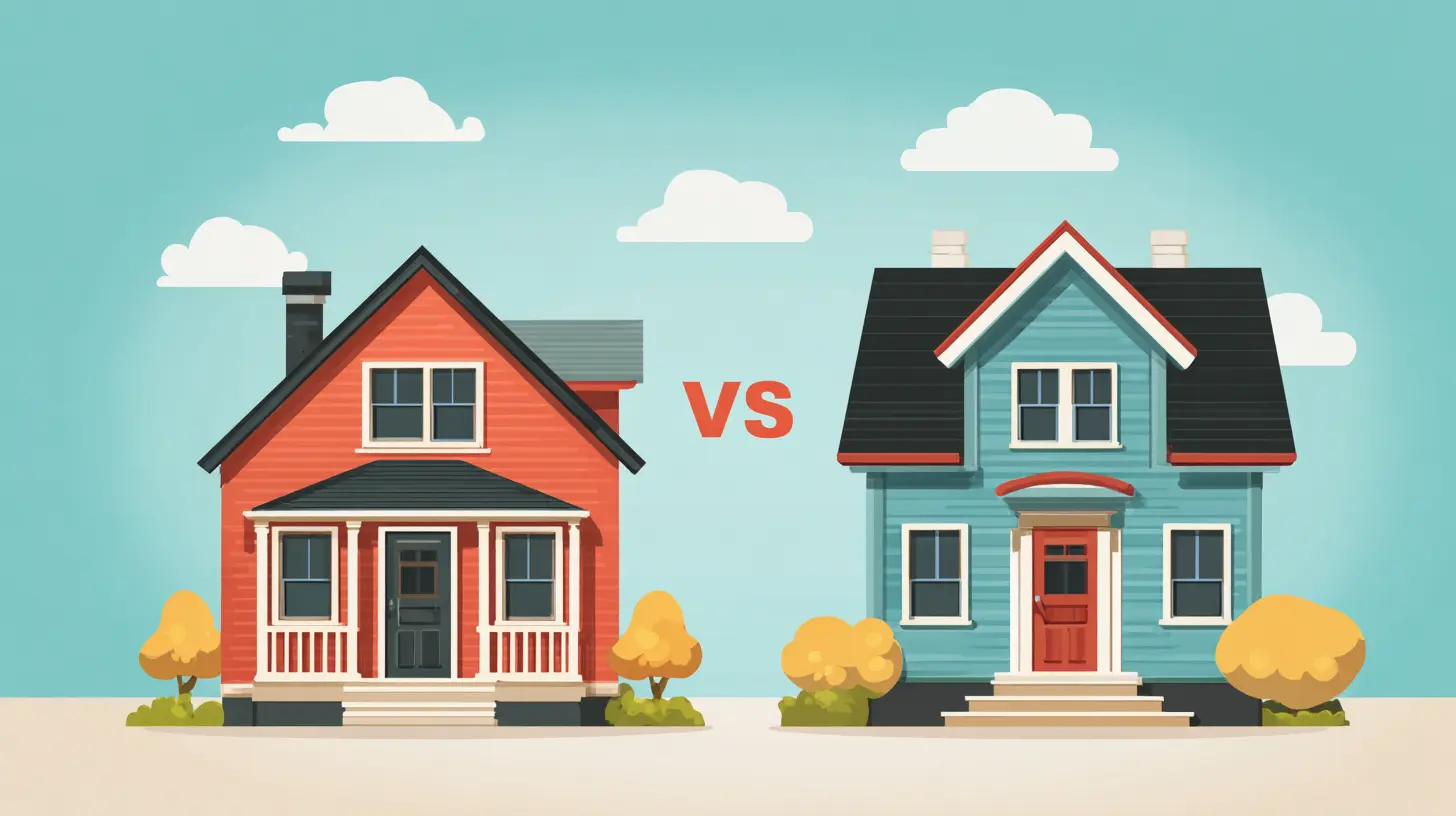
The Emotional Side: Is Your Heart Ready for a 30-Year Commitment?
Let’s talk about the elephant in the room: the emotional weight of buying a home. It’s not just a financial decision; it’s a life decision. You’re not just buying four walls and a roof; you’re buying a place where you’ll cry, laugh, fight, and maybe raise a family. You’re buying a mortgage payment that will follow you like a shadow for three decades.I remember when my wife and I bought our first home. We were terrified. We kept asking ourselves, “What if we lose our jobs? What if the roof leaks? What if we hate the neighbors?” And you know what? Some of those things happened. The roof did leak. The neighbors were loud. But we survived. And we grew. Homeownership forced us to become adults in a way renting never did.
In 2026, that emotional calculus is even more important. Are you ready for the responsibility? Are you ready to replace a water heater at 2 AM? Are you ready to watch your savings account take a hit from property taxes? If the answer is “not really,” then maybe buying isn’t for you right now—and that’s okay. Renting isn’t throwing money away; it’s buying flexibility.
The Financial Math: Crunching Numbers Without Losing Your Mind
Alright, let’s get into the nitty-gritty. I’m not going to bore you with a spreadsheet, but I will give you the real math that matters.The 2026 Mortgage Reality Check
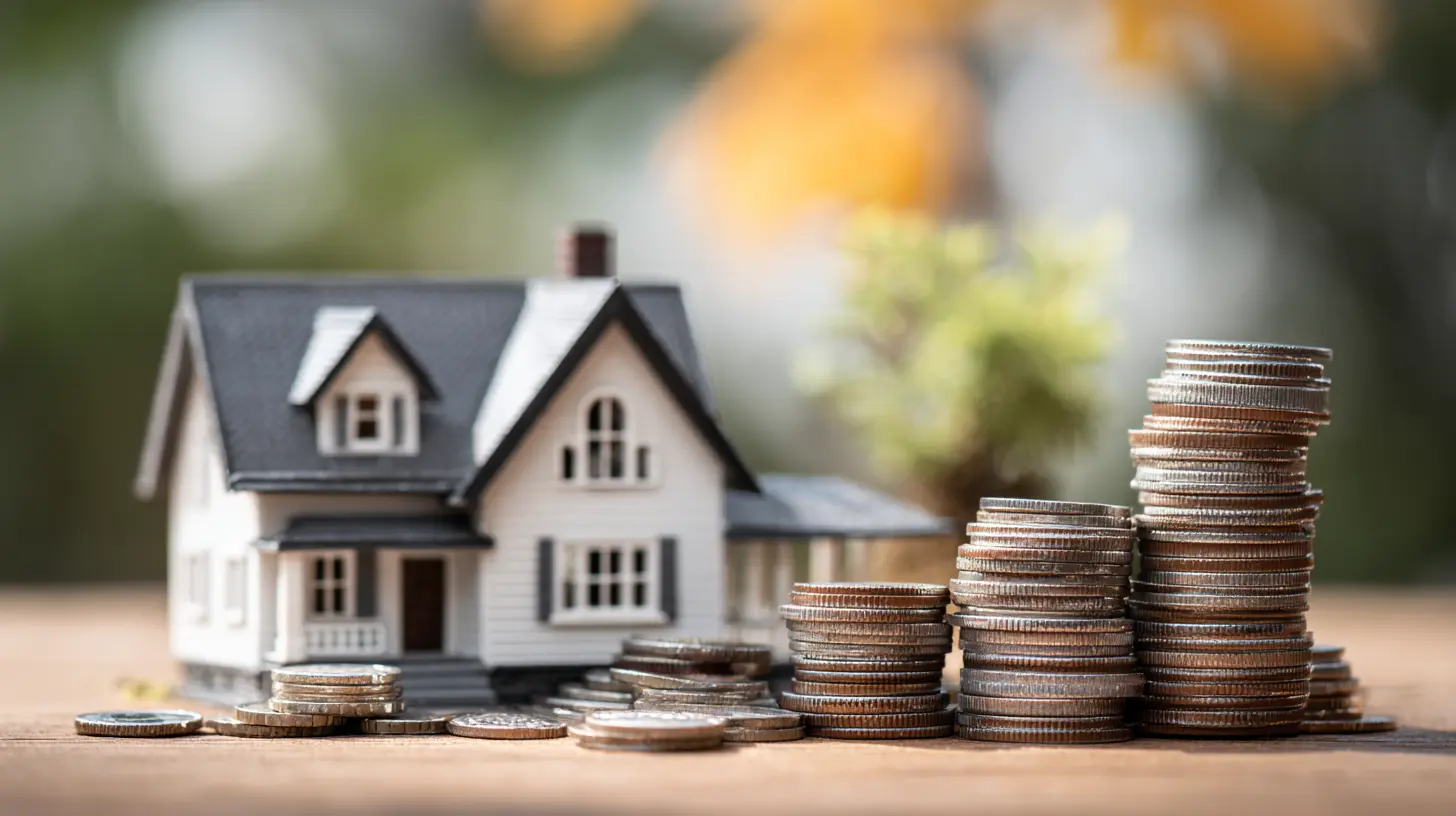
Say you want to buy a $350,000 home. With a 6.5% interest rate and a 20% down payment ($70,000), your monthly principal and interest payment would be around $1,770. Add in property taxes (say $300/month), insurance ($100/month), and PMI if you put down less than 20% (another $150/month), and you’re looking at roughly $2,320 per month.
Now, compare that to renting a similar home. In many markets, that same house would rent for $2,500 or more. So, on paper, buying looks cheaper. But here’s the kicker: that $70,000 down payment could have been earning 7-10% in the stock market over the last few years. Opportunity cost is real.
Also, don’t forget maintenance. Experts say you should budget 1% of the home’s value per year for repairs. That’s $3,500 a year on a $350,000 home. That’s a new furnace, a roof patch, or a plumber’s visit when your kid flushes a toy car.
The Appreciation Question: Will Your Home Grow in Value?
In 2026, home appreciation is not a sure thing. We’re not in the “buy anything and it doubles in five years” era. Some markets are still hot (think Sun Belt cities like Austin, Nashville, or Phoenix), but others are cooling fast. If you buy in a declining area, you could end up underwater on your mortgage.
But here’s a secret: your home is not just an investment. It’s a place to live. If it appreciates, great. If it doesn’t, you still have a roof over your head. The real wealth comes from paying down the mortgage over time and building equity. After 10 years, you’ll have paid off a chunk of principal, and if prices hold steady, you’ll have a nice nest egg.
The Hidden Benefits of Buying in 2026 That Nobody Talks About
Let’s flip the script. Most articles focus on the downsides—rates, prices, and risk. But there are some serious upsides to buying in 2026 that you might not have considered.1. The Lock-In Effect (Yes, It’s a Good Thing)
Remember how I said sellers are locked into low rates? That’s actually a benefit for buyers. If you buy now, you can lock in a 2026 rate. Sure, it’s not 3%, but it’s still historically low. And if rates drop in the future, you can refinance. Meanwhile, renters will keep seeing their rents go up every year. Your mortgage payment? It stays the same (except for taxes and insurance). That’s a powerful hedge against inflation.
2. The Tax Advantages
In 2026, you can still deduct mortgage interest on your primary residence (up to $750,000 of debt) and property taxes (up to $10,000). That’s real money back in your pocket. Plus, when you sell, you get a capital gains exclusion of up to $250,000 (single) or $500,000 (married) on the profit. Renting gives you none of that.
3. The Control Factor
When you rent, you’re at the mercy of your landlord. They can raise the rent, sell the property, or decide to turn your unit into an Airbnb. When you own, you’re the boss. You can paint the walls neon green, adopt a Great Dane, and plant a vegetable garden in the backyard. That freedom is hard to put a price tag on.
The Generational Divide: Is It Different for Millennials and Gen Z?
Let’s face it: buying a home in 2026 feels different depending on when you were born. Baby Boomers bought their first homes for the price of a used car. Gen X had it a little harder, but still manageable. Millennials and Gen Z? You’re playing the game on hard mode.If you’re a millennial in your late 30s or early 40s, you’ve probably been priced out of the market for a while. But 2026 might be your window. With rates stabilizing (not falling, but stabilizing), and with some sellers finally willing to negotiate, you might find a deal that works. The key is to be patient and to look at fixer-uppers or less trendy neighborhoods.
For Gen Z, the advice is different. You’re younger, you have more time, and you probably have less savings. Buying in 2026 might mean stretching your budget thin. But if you can swing it, the long-term payoff is huge. Think of it like planting a tree: the best time to plant was 20 years ago, but the second-best time is now.
The “Rent Forever” Argument: Is It Really That Bad?
I’ve heard the “rent forever” crowd loud and clear. They argue that renting gives you freedom, flexibility, and no surprise repair bills. And they’re not wrong. If you move every few years, or if you hate yard work, or if you want to invest your down payment in stocks, renting might be the better move.But here’s a question: what happens when you retire? Rents don’t stop when you stop working. In fact, they keep rising. If you own a home, your mortgage might be paid off by then. Your housing costs drop to just taxes and insurance. That’s a huge relief when you’re living on a fixed income.
Also, consider the psychological impact of being a lifelong renter. You never have a place that’s truly yours. You can’t renovate, you can’t build equity, and you’re always one eviction notice away from upheaval. For some people, that’s fine. For others, it’s a source of anxiety.
How to Know If Buying in 2026 Is Right for You
I can’t give you a one-size-fits-all answer, but I can give you a checklist. Ask yourself these questions honestly:- Do you plan to stay in the same place for at least 5-7 years? If yes, buying starts to make sense. If no, renting is probably smarter.
- Do you have a stable income? If your job is secure, you can handle a mortgage. If you’re freelancing or in a volatile industry, be cautious.
- Can you afford a 20% down payment? If not, you’ll pay PMI, but don’t let that stop you entirely. Many people buy with 5-10% down.
- Are you ready for the responsibility? Can you handle a $5,000 emergency repair? If not, build a bigger emergency fund first.
- Is your credit score in good shape? Aim for 740+ for the best rates. If it’s lower, work on improving it before you apply.
The Final Verdict: Is It Worth It?
Here’s my honest take: buying a home in 2026 is still worth it—but only for the right person, in the right market, with the right mindset. It’s not a get-rich-quick scheme. It’s not a sure thing. It’s a long-term commitment that comes with headaches, heartaches, and unexpected joys.Think of it like this: renting is like leasing a car. You pay for the use of it, but you never own it. Buying is like buying a car outright. You pay more upfront, you have to fix it when it breaks, but after a while, it’s yours. And when you’re done with it, you can sell it and get some money back.
In 2026, the market is challenging, but it’s not impossible. Interest rates are high, but they’ve been higher. Prices are high, but they’re not going to crash overnight. Inventory is tight, but deals are out there if you’re patient.
So, is buying a home still worth it in 2026? Ask yourself why you want to buy. If it’s for stability, for a place to call your own, for the long-term financial benefits, then yes—it’s worth it. If it’s because you feel pressured by society or because you think it’s the only way to build wealth, then maybe take a step back.
At the end of the day, the best decision is the one that lets you sleep at night. And whether you rent or buy, remember: a home is not just an asset. It’s where your life happens. Make sure you choose the path that lets you live it fully.
all images in this post were generated using AI tools
Category:
Buying Vs RentingAuthor:

Elsa McLaurin
Discussion
rate this article
2 comments
Willow McLoughlin
This article dives into a crucial question many are asking. It's great to see such insights as we navigate the evolving real estate landscape together.
May 24, 2026 at 8:57 PM
Elsa McLaurin
Thanks for your thoughts! I'm glad you found the article insightful as we tackle these important questions together.
Diesel Hunter
The question of buying a home in 2026 is crucial for many. While market trends shift, the emotional and financial stability a home offers can be invaluable. It's essential to weigh personal circumstances against market data to make a well-informed decision that aligns with your long-term goals.
May 2, 2026 at 3:13 AM
Elsa McLaurin
You make a great point. Balancing personal goals with market trends is key to making the right decision. Homeownership can indeed provide emotional and financial benefits.