Is Renting the Only Affordable Option by 2026?
6 May 2026
Let's be real for a second. If you've been scrolling through Zillow or Redfin lately, you've probably felt that familiar knot in your stomach. House prices are still sky-high, mortgage rates are doing their own thing, and your savings account is looking at you like, "You sure about this?" Meanwhile, your landlord just sent a polite email about a rent increase that feels anything but polite. So, the question hanging in the air is this: by 2026, will renting be the only affordable option left for most of us? Or is there still a path to owning a piece of the pie without selling a kidney on the black market?
Let's walk through the numbers, the trends, and the real talk. No fluff, no sugar-coating. Just the facts and a little bit of straight-shooting advice.
The Current Housing Hangover
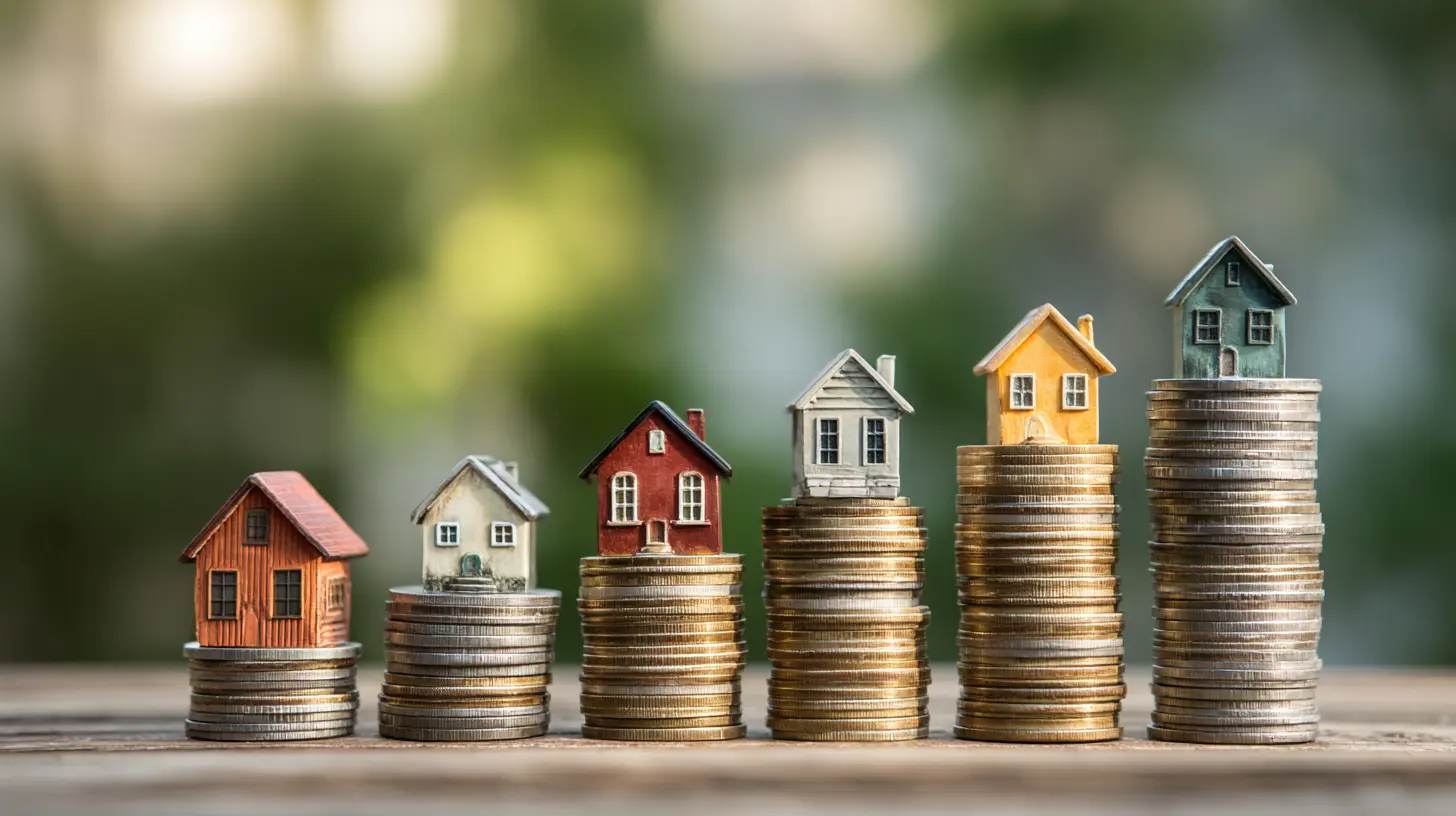
First, let's set the stage. Right now, in 2024 and heading into 2025, we're in a weird spot. Remember the pandemic-era housing frenzy? Low interest rates, bidding wars, people buying homes sight-unseen. That was the party. Now we're in the hangover. Mortgage rates shot up from around 3% to 7% or higher in a matter of months. That means the monthly payment on a $400,000 house jumped by hundreds of dollars. For a lot of people, that math just doesn't work.At the same time, home prices didn't crash the way some experts predicted. They kind of just... stalled. Sellers who locked in a 3% mortgage don't want to sell and lose that sweet deal. So inventory is tight. Fewer homes on the market means prices stay stubbornly high. It's a standoff. Buyers can't afford the payments, sellers won't drop prices, and everyone is stuck.
Meanwhile, rents have been climbing too, but not as fast as mortgage payments. In many cities, the gap between a rent check and a mortgage check has widened. That's the uncomfortable truth. Renting is becoming the default not because it's cheap, but because buying is absurdly expensive.
What 2026 Might Look Like
So, what happens in the next couple of years? Let's look at the forces at play.1. Interest Rates: The Slow Thaw
The Federal Reserve has been hiking rates to fight inflation. They've hinted at cuts, but it's not a sure thing. If rates drop to, say, 5.5% or 6% by 2026, that would help. But here's the catch: when rates drop, more buyers jump in. That pushes prices back up. So lower rates aren't a magic fix. They just change the math a little.
2. Supply vs. Demand: The Elephant in the Room
We need more homes. That's not a secret. Builders are starting to ramp up construction, but it's slow. Permits, labor, material costs - it all takes time. By 2026, we might see a modest increase in new builds, especially in suburban and exurban areas. But don't expect a flood. The shortage is real, and it's not going away overnight.
3. The Rental Market Shift
Here's where it gets interesting. A lot of new construction over the past few years has been for luxury apartments. Renters are getting squeezed. But by 2026, some of that supply will come online, and it might put downward pressure on rents in certain cities. At the same time, demand for rentals will stay high because people who can't buy will keep renting. So rents might stabilize, but they won't plummet.
The Hidden Costs of Renting vs. Buying
Let's break down the real numbers. Because "affordable" doesn't just mean the monthly payment. It's about the whole picture.Renting:
- You pay the rent. That's it. No property taxes, no insurance (well, renters insurance is cheap), no surprise roof repairs.
- But you're also paying someone else's mortgage. Every dollar you hand over is gone. No equity. No asset.
- Rent increases are a fact of life. You might get a 3% hike every year. That adds up.
Buying:
- Your mortgage payment might be higher than rent, but part of it goes to principal. That's forced savings.
- You also have to pay property taxes, homeowners insurance, maintenance (figure 1% of the home's value per year), and possibly HOA fees.
- A broken water heater? That's on you. A new roof? That's $10,000 or more.
- The upside: if home values appreciate even 3% a year, your equity grows. And if you lock in a fixed-rate mortgage, your payment stays the same for 30 years. Your rent? Not so much.
So here's the blunt truth: buying is a long-term bet. Renting is a short-term expense. If you can handle the upfront costs and the maintenance, buying usually wins over 10 or 20 years. But the math for 2026 is brutal for first-timers.
Who Is Getting Squeezed the Most?
It's not everyone. If you're a high-income earner with a big down payment saved up, you're fine. You can still buy. But for the middle class? The young professionals? The families trying to get a foothold? It's rough.Let's talk about the "starter home" - that 1,200-square-foot fixer-upper in a decent neighborhood. In many markets, those are almost extinct. Investors and cash buyers snapped them up during the pandemic. Now, what's left is either too expensive or too far from jobs.
And then there's the down payment. Even with FHA loans that require just 3.5% down, a $350,000 house needs $12,250 in cash. Plus closing costs. Plus moving expenses. For a lot of folks, that's a mountain. Renting doesn't ask for that. You just need first and last month's rent, maybe a security deposit. It's easier.
The Rise of the "Forever Renter"
Here's a term you'll hear more of: the "forever renter." That's someone who has given up on buying and is making peace with renting long-term. It's not a failure. It's a choice. For some, it makes sense.Think about it. If you move every few years for work, buying doesn't pay off. Transaction costs alone (agent fees, closing costs) can eat up any gains. If you don't want to deal with yard work or fixing a leaky faucet, renting gives you freedom. And in some high-cost cities like New York, San Francisco, or Los Angeles, renting is actually cheaper than buying, even if you have the cash.
But there's a downside. Rents go up. Over 10 years, your rent could double. Your mortgage payment stays flat. So the "forever renter" is betting that their income keeps up with inflation. That's not a sure bet.
What About the "Rent-to-Own" Path?
You've probably seen ads for rent-to-own programs. They sound great: you rent a house, and part of your payment goes toward a future down payment. In reality, they're often a trap. The terms are complicated, the fees are high, and you might end up paying more than just saving on your own.I'm not saying they're always bad. But you need to read the fine print. A lot of these programs target people who are desperate, and they don't always deliver. If you're considering it, get a lawyer or a trusted advisor to look over the contract. Seriously.
The Government's Role (Or Lack Thereof)
Politicians love to talk about affordable housing. But actual policy moves slowly. Some cities are loosening zoning laws to allow more density. Others are offering down payment assistance programs. But these are small-scale solutions to a big problem.By 2026, we might see more federal programs aimed at first-time buyers, like tax credits or lower mortgage insurance premiums. But don't count on a silver bullet. The housing market is a giant ship. It turns slowly.
The Rent vs. Buy Decision: A Simple Framework
So how do you decide? Forget the headlines. Look at your own numbers.1. The 5-Year Rule: If you plan to stay in the same place for less than five years, renting is usually better. Transaction costs eat you up. If you'll stay longer, buying starts to look good.
2. The 30% Rule: Your total housing costs (rent or mortgage + taxes + insurance) shouldn't exceed 30% of your gross income. If buying pushes you past that, it's too risky.
3. The Emergency Fund: Before buying, you need 3-6 months of expenses saved up, plus a cushion for repairs. If that's not possible, rent.
4. The Lifestyle Factor: Do you want to paint walls, plant a garden, and own a dog? Buying is better. Do you value flexibility, no maintenance, and the ability to move on a whim? Rent.
The Wild Card: Remote Work and Location
Here's something that could shake things up by 2026. Remote work isn't going away entirely. If you can work from anywhere, you don't need to live in a high-cost city. You can move to a smaller town, a cheaper suburb, or even a rural area. That opens up affordable buying options.But there's a catch. As more people do this, those cheaper areas get more expensive. Look at Boise, Idaho, or Austin, Texas. They were affordable five years ago. Now? Not so much. The market adapts.
So, Is Renting the Only Affordable Option by 2026?
Let's be honest. For a lot of people, yes. If you don't have a hefty down payment, a high income, or help from family, buying a home in 2026 will be a stretch. Renting will be the default. But that doesn't mean you're stuck.Here's the thing: affordability is relative. Renting might be your best move right now, but it doesn't have to be forever. Use the time to save, boost your credit score, and watch the market. When rates drop or prices soften - and they will eventually - you'll be ready.
And if you never buy? That's okay too. The idea that renting is "throwing money away" is a myth. You're paying for a roof over your head, flexibility, and peace of mind. That has value.
But don't give up on the dream of owning if that's what you want. The market is cyclical. It always has been, and it always will be. By 2026, we might see a correction. Or we might not. The key is to plan for the worst and hope for the best.
The Bottom Line
Renting is becoming the affordable option for many, but it's not the only option. Buying is still possible if you're strategic, patient, and willing to compromise on location or size. The real question isn't "can I buy?" It's "what do I value more right now?"If you value stability and long-term wealth, buying is worth the struggle. If you value flexibility and lower risk, renting is a solid choice. Neither is wrong. Neither is a failure.
So take a deep breath. Run the numbers for your city, your income, and your goals. Don't let the headlines panic you. And remember: the housing market is a marathon, not a sprint. By 2026, you'll have a clearer picture. Until then, keep saving, keep learning, and keep your options open.
all images in this post were generated using AI tools
Category:
Home AffordabilityAuthor:

Elsa McLaurin
Discussion
rate this article
2 comments
Kylie Wolf
It's tough to think about housing affordability in the coming years. Many are feeling the pressure. I hope we find solutions that make homeownership accessible for everyone soon.
May 28, 2026 at 4:52 AM
Giselle McDaniel
It's tough out there. Finding affordable housing is a challenge, but we have to keep exploring options.
May 6, 2026 at 11:26 AM
Elsa McLaurin
Absolutely. The search for affordable housing is daunting, but staying persistent and creative in exploring options is key. We can't give up.