Joint Ventures in Real Estate Development Projects
5 July 2026
Real estate development is a capital-intensive business, and not everyone has the resources or expertise to take on a project alone. That’s where joint ventures (JVs) come into play. A joint venture in real estate allows two or more parties to come together, share resources, and develop a property in a way that benefits everyone involved.
But how exactly do these joint ventures work? What are the benefits and risks? And how does one structure a successful real estate JV? Let’s dive deep into this topic and uncover everything you need to know.
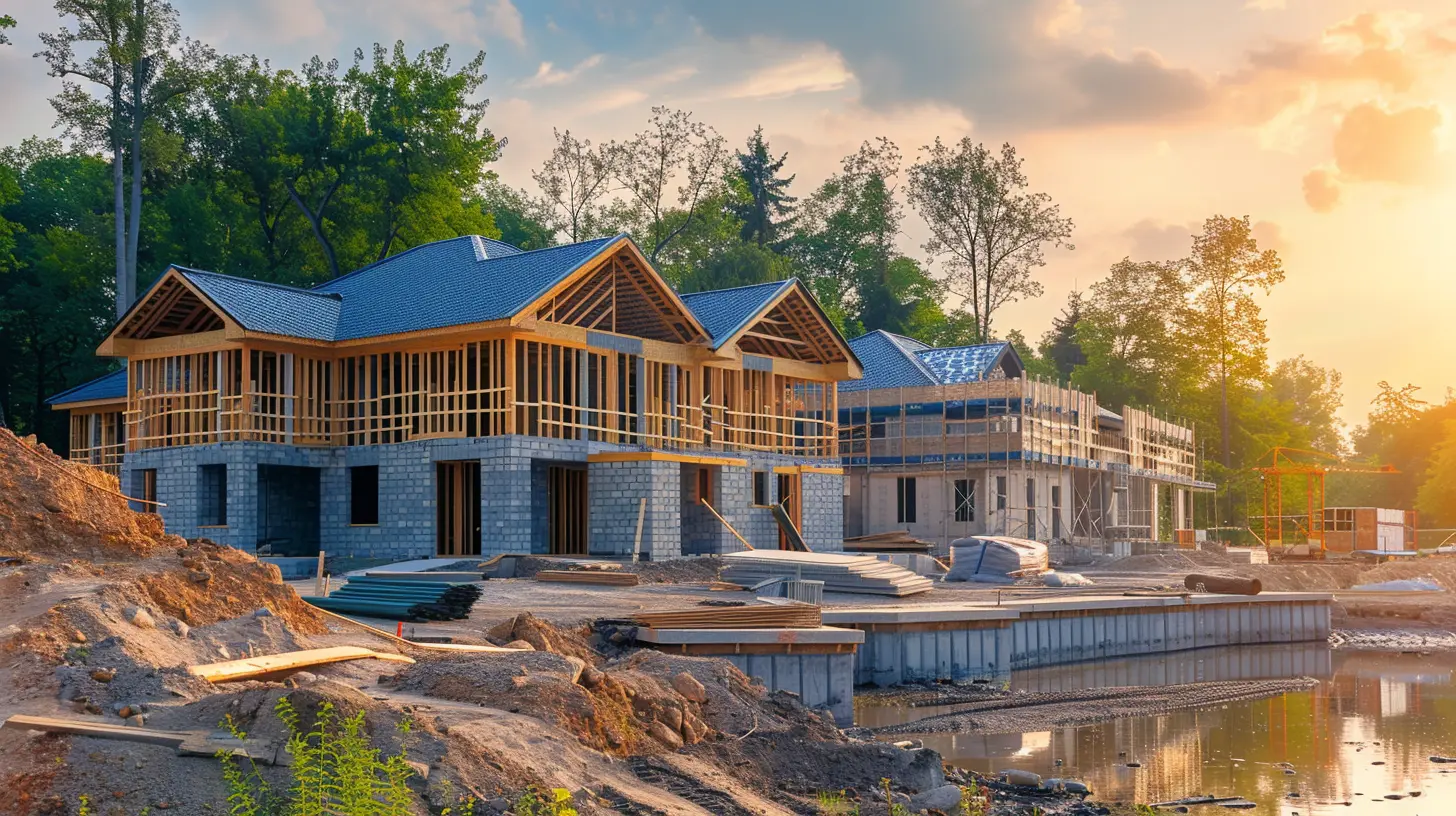
What is a Joint Venture in Real Estate?
In simple terms, a joint venture in real estate is a business arrangement where two or more parties pool their resources to develop a property. Each party contributes something valuable—whether it's land, capital, expertise, or management skills—while sharing the profits and risks.Unlike a partnership, which is usually a long-term business relationship, a joint venture is typically a one-time collaboration for a specific project. Once the project is completed, the JV is dissolved, and the profits are distributed as per the agreement.

Why Do Developers Opt for Joint Ventures?
There are several reasons why real estate developers prefer joint ventures over going solo:1. Access to Capital
Real estate development requires a significant amount of money. A JV allows developers to raise funds without taking on excessive debt. Instead of relying on bank loans, they can bring in investors or partners who contribute financially.2. Sharing Risk
Real estate projects come with uncertainties—market shifts, construction delays, zoning issues, and more. By entering into a joint venture, developers can share both the risks and rewards, minimizing individual exposure.3. Leveraging Expertise
Not every developer is an expert in all aspects of real estate. Some may have financial expertise, while others excel in project management or construction. A JV lets each partner focus on their strengths, making the project more efficient.4. Landowners Can Benefit Without Selling
Many landowners don’t want to sell their property outright but lack the expertise or funds to develop it themselves. A joint venture allows them to retain ownership while benefiting from the project's profits.5. Faster Project Execution
With a strong team in place, projects tend to move faster. Having multiple players involved means tasks can be divided, approvals can be secured quicker, and construction can proceed without unnecessary delays.
Types of Joint Ventures in Real Estate
Not all joint ventures are structured the same way. Depending on the objectives of the parties involved, different types of JVs can be formed:1. Equity Joint Venture
This is one of the most common structures. Two or more parties contribute equity (money, land, or assets) and share ownership of the project. Typically, profits, losses, and responsibilities are divided based on each party’s investment percentage.2. Contractual Joint Venture
Here, no new entity is formed. Instead, the parties enter into a contractual agreement outlining their roles, responsibilities, and profit-sharing terms. This structure is often used in short-term projects.3. Developer-Landowner Joint Venture
A landowner contributes a piece of land while a developer handles everything else—financing, construction, and marketing. The profits are then shared based on a pre-agreed ratio.4. Institutional Joint Venture
Big players like pension funds, REITs, or institutional investors partner with developers for large-scale projects. These joint ventures typically involve large amounts of capital and complex financial structures.
How to Structure a Successful Joint Venture
A poorly structured JV can lead to conflicts, financial losses, or even legal battles. Here are the key components that should be addressed when forming a real estate joint venture:1. Define Roles and Responsibilities
From day one, establish who is responsible for what. Will one party handle financing while the other manages construction? Is there a third-party contractor involved? Having clear role definitions prevents future disputes.2. Profit Sharing Agreement
Decide how profits (and losses) will be divided. Will it be based on the percentage of capital invested, or will other contributions (such as land or expertise) be factored into the equation? A well-documented financial arrangement avoids misunderstandings down the road.3. Exit Strategy
Every JV should have an exit plan. What happens if one party wants to leave before the project is completed? What if the market crashes and the project is no longer viable? Having a predetermined exit strategy ensures a smooth transition in case of unforeseen events.4. Decision-Making Process
Establish how major decisions will be made. Will all parties have equal voting rights, or does decision-making power depend on the percentage of investment? Clearly defining governance protocols reduces conflicts.5. Legal Agreements
Every JV should be backed by a legally binding agreement that outlines the terms, contributions, risks, and obligations of each party. Hiring a real estate attorney to draft these documents is highly recommended.Risks of Real Estate Joint Ventures
While joint ventures offer numerous benefits, they also come with risks. Here are some of the most common challenges:1. Disputes Between Partners
If expectations aren't aligned, disputes can arise. Differences in vision, financial expectations, or management styles can create friction and slow down the project.2. Unequal Contributions
Sometimes, one partner may feel they are putting in more effort than the other while receiving the same rewards. This can lead to resentment and conflict.3. Financial Instability
If one party runs into financial trouble, it can impact the entire project. Ensuring financial due diligence of all partners before entering a JV is crucial.4. Legal and Regulatory Challenges
Local zoning laws, permits, and regulatory requirements can create unexpected hurdles. If one party is responsible for compliance and fails to meet requirements, the entire project can suffer.
Real-Life Example of a Successful Joint Venture
One of the most notable real estate joint ventures was the Hudson Yards development in New York City. The project was a collaboration between Related Companies and Oxford Properties Group, combining financial power with development expertise. The result? A world-class urban hub with residential, commercial, and cultural spaces, generating billions in revenue.This proves that, when structured correctly, a joint venture can be a game-changer in the real estate market.
Is a Joint Venture Right for You?
A real estate joint venture might be a great option if:✅ You lack the capital to fund a project alone.
✅ You want to mitigate risks by partnering with experienced developers.
✅ You have land or resources but don’t have the expertise to develop it.
✅ You want to diversify your investments by collaborating with different stakeholders.
However, if you prefer full control over your projects or dislike relying on others, a JV might not be the best fit.
Conclusion
Joint ventures in real estate development can be incredibly rewarding—as long as they are structured properly. They provide access to funding, reduce risks, and bring together various expertise to ensure project success. However, they require careful planning, strong legal agreements, and clear communication to avoid conflicts.If you're considering a real estate joint venture, take the time to evaluate potential partners, establish a solid agreement, and have a well-thought-out exit strategy. Done right, a JV can open doors to new opportunities and lucrative projects.
all images in this post were generated using AI tools
Category:
Real Estate PartnershipsAuthor:

Elsa McLaurin
Discussion
rate this article
1 comments
Calder Sheppard
Joint ventures in real estate are like a finely tuned orchestra. When various talents collaborate, they create something greater than the sum of their parts. However, harmony requires careful planning and clear communication. Otherwise, you might end up with discord instead of development.
July 6, 2026 at 7:54 PM
Elsa McLaurin
Absolutely, collaboration is key. When each talent plays their part well, the results can truly be remarkable. Clear communication helps keep the project on track.