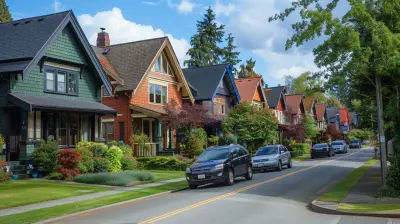
Key Factors to Consider Before Buying Instead of Renting in 2026
30 September 2026
The decision between buying a home and renting one has never been simple. But 2026 brings a particular set of conditions that make this choice more nuanced than the tired advice you have heard for years. Interest rates have shifted. Remote work has reshaped where people want to live. Housing supply remains tight in many markets while loosening in others. And a generation of renters who watched their parents treat homeownership as an automatic milestone are now asking harder questions.
This article does not tell you that buying is always better. It does not tell you that renting is throwing money away. Both claims are lazy. Instead, this is a framework for thinking through the decision with clear eyes, using the real variables that determine whether buying makes sense for your specific situation in 2026.

Why the Buy Versus Rent Question Has Changed
For decades, the standard script went like this: rent for a few years, save a down payment, buy as soon as you can, and watch your equity grow. That script assumed steady appreciation, low interest rates, and a job market that rewarded staying put. Some of those assumptions still hold. Others do not.In 2026, mortgage rates sit in a range that makes monthly payments noticeably higher than they were just a few years ago. At the same time, rents in many metropolitan areas have cooled after a period of aggressive increases, partly because new apartment supply has caught up with demand in certain cities. This creates a situation where, in some markets, renting is meaningfully cheaper on a monthly basis than owning a comparable property. In others, buying still wins because rents remain stubbornly high and inventory is thin.
The point is not to predict the future. The point is to understand that the math depends heavily on where you live, what you can afford, and how long you plan to stay. Blanket advice fails because the underlying numbers vary so much from one situation to the next.

Your Time Horizon Is the Single Most Important Variable
If you take nothing else from this article, take this: the length of time you plan to stay in a home is the biggest factor in whether buying makes financial sense.Buying a home comes with significant upfront costs. Closing costs, loan origination fees, title insurance, inspections, and moving expenses add up quickly. When you sell, you pay agent commissions and other transaction fees. These costs mean that a home typically needs to appreciate enough to cover both the buying and selling expenses before you break even.
In most markets, that break-even point falls somewhere between five and seven years, though it can be shorter in fast-appreciating areas and longer in slow ones. If you might move in two or three years for a job, a relationship, or a change of scenery, renting usually protects you from taking a loss on transaction costs.
Consider a concrete example. Suppose you buy a $400,000 home with a 10 percent down payment. Your closing costs might run $8,000 to $12,000. If you sell three years later and the home has appreciated modestly, say 3 percent per year, you might walk away with little to nothing after paying commissions and fees. Meanwhile, a renter in the same period would have paid rent but retained full flexibility and avoided the risk of a soft resale market.
This does not mean short-term buying is always wrong. If you find a property below market value, or if you plan to convert it into a rental when you move, the calculus changes. But for most people, the five-year rule is a reasonable starting filter.
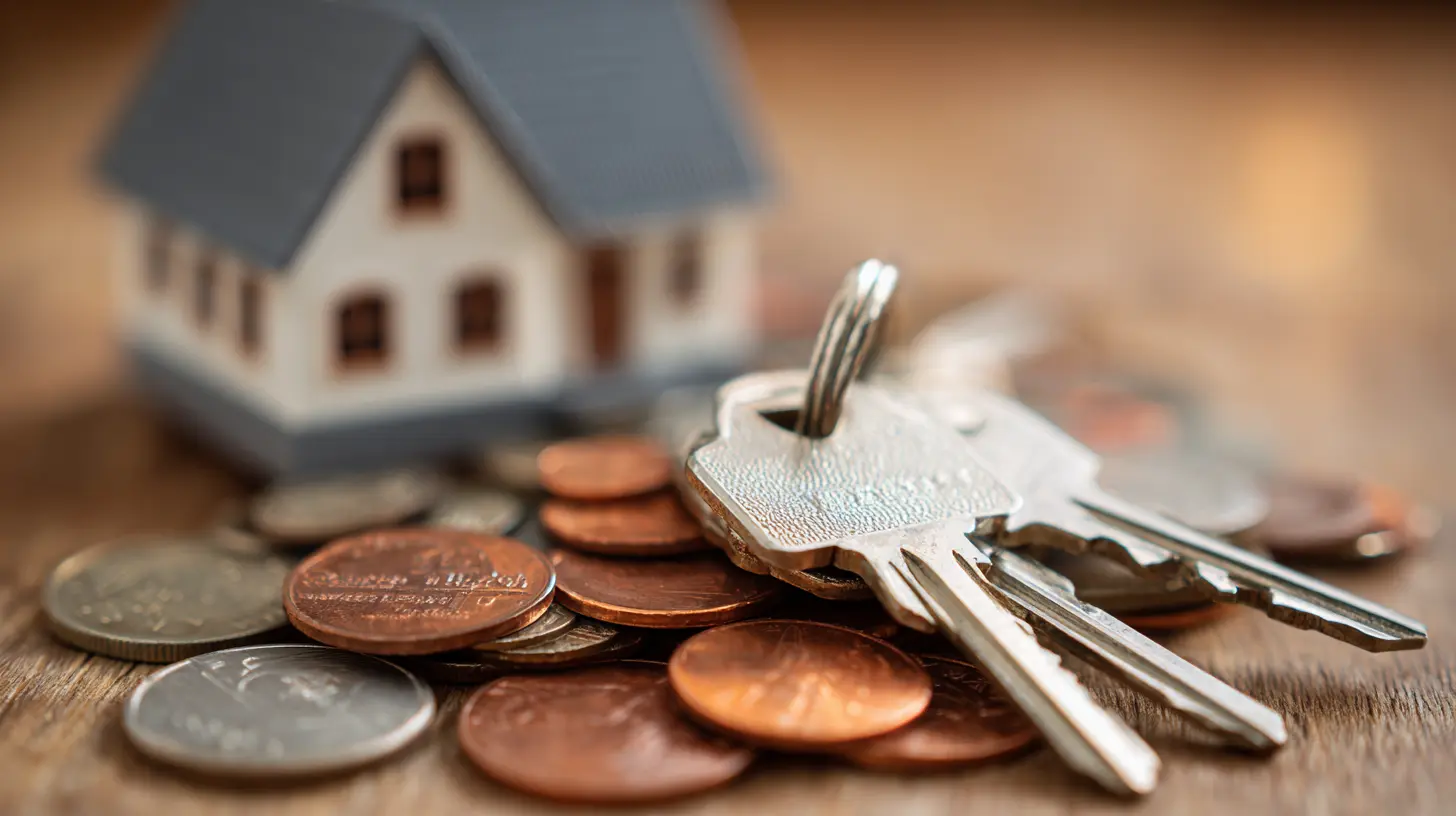
The True Cost of Owning Goes Beyond the Mortgage
First-time buyers often focus on the mortgage payment and forget everything else. That is a mistake that can strain a budget for years.Property Taxes
Property taxes vary widely by state, county, and even neighborhood. In some parts of the country, annual property taxes can add several hundred dollars to your monthly housing cost. In others, they are relatively modest. Before you buy, look up the actual tax rate for the specific property, not just the general area. Assessments can also change after a sale, so the seller's current tax bill may not reflect what you will pay.Insurance
Homeowners insurance is not optional if you have a mortgage. In regions prone to hurricanes, wildfires, or flooding, premiums have risen sharply in recent years. Some insurers have pulled out of high-risk markets entirely, leaving homeowners to rely on state-backed plans that cost more and cover less. If you are considering a home in an area with climate risk, get insurance quotes before you make an offer. This step alone has saved many buyers from unpleasant surprises.Maintenance and Repairs
A commonly cited rule of thumb is to budget 1 percent of the home's value per year for maintenance. On a $400,000 home, that is $4,000 annually, or about $333 per month. Some years you will spend less. Then your water heater fails, your roof starts leaking, or your HVAC system gives out, and you spend several years' worth of budget in a single month.Renters call the landlord when something breaks. Owners call a contractor and pay the bill. This difference matters, especially for buyers who stretch their budget to the limit and have no room for unexpected expenses.
HOA Fees
If you buy in a planned community, a condominium, or a townhome development, you will likely pay homeowners association dues. These can range from modest to substantial, and they tend to increase over time. Special assessments for major repairs, such as a new roof for a condo building, can add thousands of dollars in a single year. Always review HOA financial documents before buying. A well-funded reserve is a good sign. A history of special assessments is a warning.
The Opportunity Cost of Your Down Payment
One argument for renting that deserves more attention is the opportunity cost of tying up a large sum of money in a down payment.Suppose you have $80,000 available. If you use it as a down payment on a home, that money is no longer liquid. You cannot easily access it without selling the home or taking out a home equity loan. If you rent instead and invest that $80,000 in a diversified portfolio, it could grow over time. Historically, broad stock market indexes have returned roughly 7 to 10 percent annually over long periods, though past performance never guarantees future results.
This does not automatically make renting better. Home equity also grows, and you get leverage: a small down payment controls an asset worth several times more. If the home appreciates 4 percent on a $400,000 property, that is $16,000 in a year, which is a 20 percent return on an $80,000 down payment, before costs. Leverage cuts both ways, though. If prices fall, your equity can vanish quickly.
The honest answer is that the comparison depends on investment returns, home appreciation, and your personal risk tolerance. Neither path is guaranteed to win.
Renting Is Not Wasting Money
The phrase "renting is throwing money away" is one of the most persistent myths in real estate. It sounds intuitive: you pay rent and get nothing back. But that framing ignores what you get in return.Rent buys you a place to live without the costs of ownership. It buys you flexibility to move. It buys you freedom from maintenance and repair bills. It buys you the ability to invest your savings elsewhere. And it transfers risk. If the local housing market drops 15 percent, a renter's rent might adjust modestly, but the renter does not lose equity.
Owners build equity, yes. But they also pay interest, property taxes, insurance, maintenance, and transaction costs. In the early years of a mortgage, most of your payment goes toward interest, not principal. Building meaningful equity takes time.
A fair comparison looks at the total cost of each option, not just the monthly payment. Renters who invest the difference between their rent and what a mortgage would have cost often end up in a comparable or better financial position, depending on the market.
When Buying Clearly Makes Sense
There are situations where buying is the stronger choice, and it is worth being clear about them.You Plan to Stay Long Term
If you are confident you will remain in the same area for at least seven to ten years, buying gives you time to absorb upfront costs and benefit from appreciation. It also gives you a stable housing payment if you choose a fixed-rate mortgage, protecting you from rent increases.You Have Stable Income and Emergency Savings
Lenders will tell you what you qualify for. That number is often higher than what you should actually spend. A good rule is to keep your total housing costs, including taxes, insurance, and maintenance, below 30 percent of your gross monthly income. You should also have three to six months of living expenses in savings after closing. If buying drains your emergency fund, you are one repair away from financial stress.You Value Stability and Control
Owning a home lets you renovate, paint, adopt pets, and plant a garden without asking permission. For some people, this control is worth a premium. It is a legitimate reason to buy, even if the pure financial math is close.The Local Math Favors Ownership
In some markets, the cost of owning is genuinely lower than renting a comparable home, especially after accounting for tax deductions if you itemize. This is more common in areas with moderate home prices and strong rental demand.When Renting Is the Smarter Move
Renting deserves more respect than it often gets. Here are situations where it is clearly the better choice.You Might Move Soon
If there is any real chance you will relocate within a few years, renting avoids the risk of selling at a loss. Career changes, relationship changes, and health issues are hard to predict. Renting keeps your options open.You Are Not Financially Ready
Buying before you have a solid emergency fund, stable income, and manageable debt is a recipe for stress. It is better to rent for another year or two and build your financial foundation than to buy prematurely and struggle.Your Local Market Is Overheated
In cities where home prices have risen much faster than incomes, buying at the top of a cycle carries real risk. Renting while you wait for conditions to shift can be a disciplined strategy, though there is no guarantee prices will fall.You Value Flexibility and Low Maintenance
Some people simply do not want the responsibility of homeownership. They would rather travel, change jobs, or pursue hobbies than spend weekends on repairs. That is a valid lifestyle choice, not a failure.
Common Mistakes Buyers Make in 2026
Even when buying is the right decision, execution matters. Here are mistakes that trip up otherwise smart buyers.Stretching the Budget
Just because a lender approves you for a certain amount does not mean you should borrow it. Leave room for life: vacations, emergencies, retirement savings, and the unexpected costs of ownership.Skipping the Inspection
In competitive markets, buyers sometimes waive inspections to make their offers more attractive. This is risky. An inspection can reveal foundation problems, water damage, or outdated electrical systems that cost tens of thousands to fix. If you must waive the inspection, do a pre-offer walkthrough with a contractor you trust.Ignoring the Neighborhood Trajectory
A home is also a bet on a location. Look at school quality, crime trends, planned development, and property tax trajectories. A beautiful house in a declining area may not hold its value. A modest house in an improving area often does better.Forgetting About Resale
Even if you plan to stay forever, life has a way of changing plans. Consider how easy the home would be to sell. Odd layouts, extreme customization, and locations on busy roads can limit your buyer pool.Underestimating Closing Costs
Closing costs typically run 2 to 5 percent of the purchase price. On a $400,000 home, that is $8,000 to $20,000. Buyers who forget this line item sometimes find themselves short at the worst possible moment.How to Run Your Own Numbers
The best way to decide is to run the math for your specific situation. Here is a practical approach.First, estimate the total monthly cost of owning a home you would actually want to buy. Include mortgage principal and interest, property taxes, insurance, HOA fees, and a maintenance allowance. Then compare that to the rent for a comparable home in the same area.
Second, calculate your upfront costs: down payment, closing costs, moving expenses, and any immediate repairs or furnishings.
Third, estimate how long you plan to stay. If it is fewer than five years, renting usually wins. If it is more than seven, buying often wins, assuming steady appreciation and stable income.
Fourth, consider the opportunity cost of your down payment. What could that money earn elsewhere?
Fifth, stress-test the scenario. What happens if you lose your job? What if the roof needs replacing in year two? What if home prices fall 10 percent and you need to sell?
If you can answer these questions comfortably, buying may be right for you. If any of them make you uneasy, renting for another year is not a setback. It is prudence.
A Note on Timing the Market
Some buyers wait for the perfect moment: when rates drop, when prices fall, when inventory improves. In practice, timing the market is extremely difficult, even for professionals. What matters more is your personal readiness and your time horizon.If you find a home you love, can afford it comfortably, and plan to stay, the exact interest rate matters less than you might think. You can refinance later if rates fall. You cannot refinance a decision to stay in a rental you have outgrown.
That said, do not let anyone pressure you into buying before you are ready. Real estate agents, lenders, and well-meaning family members all have their own incentives and opinions. The decision is yours, and it deserves careful thought.
Final Thoughts
Buying a home in 2026 is neither automatically smart nor automatically foolish. It is a decision that depends on your finances, your plans, your local market, and your tolerance for risk and responsibility.If you have a stable income, a solid emergency fund, a long time horizon, and a market where ownership costs are reasonable, buying can build wealth and provide stability. If you are early in your career, unsure where you want to live, or facing an overheated market, renting can be the wiser, more flexible choice.
The key is to run the numbers honestly, avoid the myths on both sides, and make a decision that fits your life, not someone else's expectations. A home is a place to live first and an investment second. Treat it that way, and you will make a better choice.
all images in this post were generated using AI tools
Category:
Buying Vs RentingAuthor:

Elsa McLaurin