Key Factors to Consider When Choosing a Retirement Home
12 June 2026
Retirement—finally, the sweet escape from alarm clocks, endless meetings, and pretending to enjoy office birthday parties. After a lifetime of hard work, you deserve a cozy, stress-free place to kick back and live your best life. But choosing a retirement home isn’t as simple as picking the one with the fluffiest pillows.
There are quite a few factors to consider before packing up your belongings and moving into a new space. Some might be obvious (like affordability), while others are the kind of things you don’t think about until you realize your neighbor plays the tuba at 2 AM. So, let’s break it all down in a way that makes sense—without any of that dull real estate jargon.
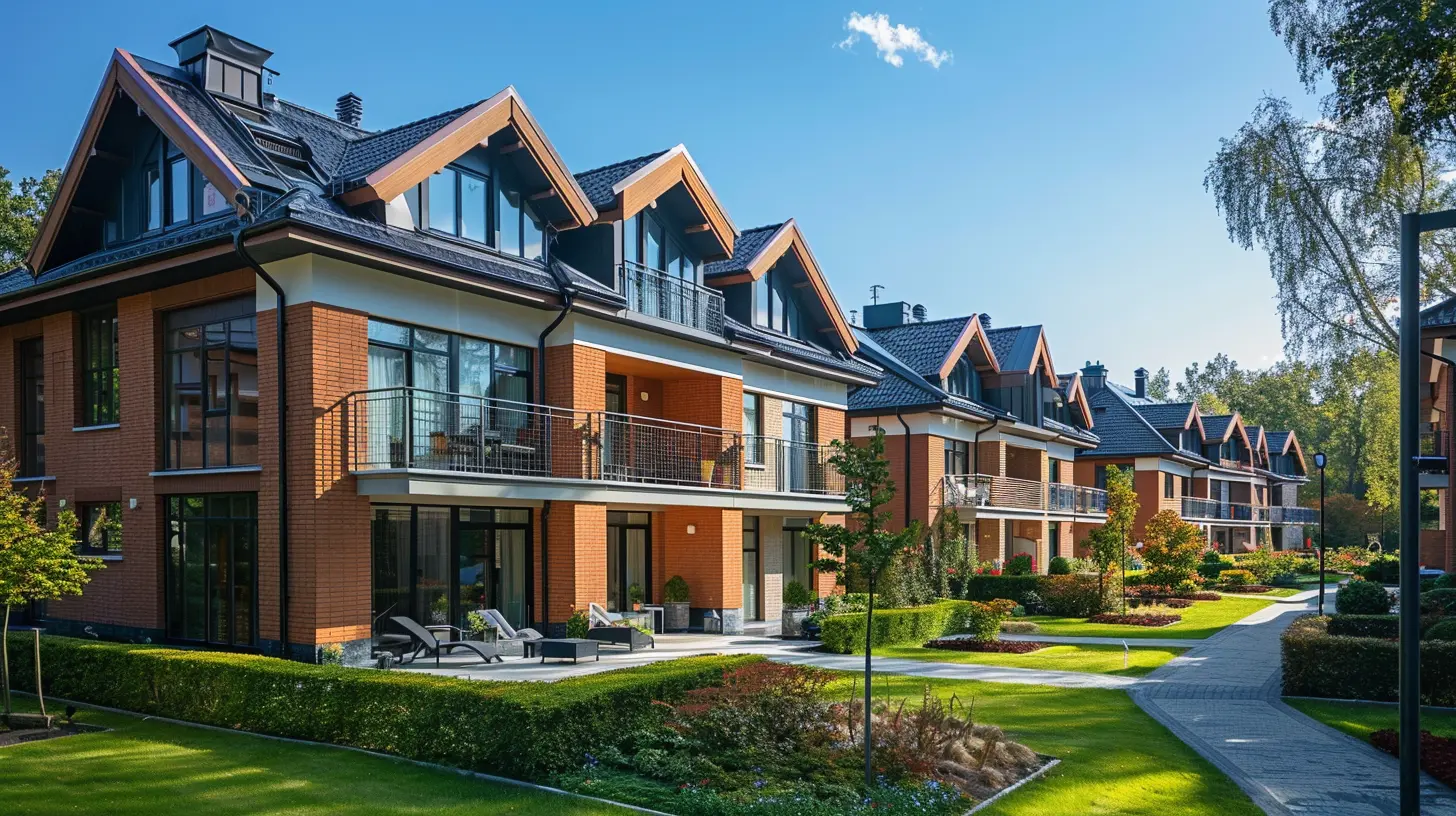
1. Location, Location... and Did We Mention Location?
The golden rule of real estate applies to retirement homes, too. Where you live will impact everything—your lifestyle, your visitors, and how often your grandkids come over to "borrow" money.Things to Consider:
- Proximity to Family and Friends – Let’s be real, if you're moving across the country, you might see more of your mailman than your loved ones.- Climate Preferences – Hate shoveling snow? Maybe skip the Midwest and head south. Love a crisp fall breeze? Florida might not be your jam.
- Access to Healthcare – Being close to quality medical care is just smart planning. No one wants to take a road trip just to see their doctor.
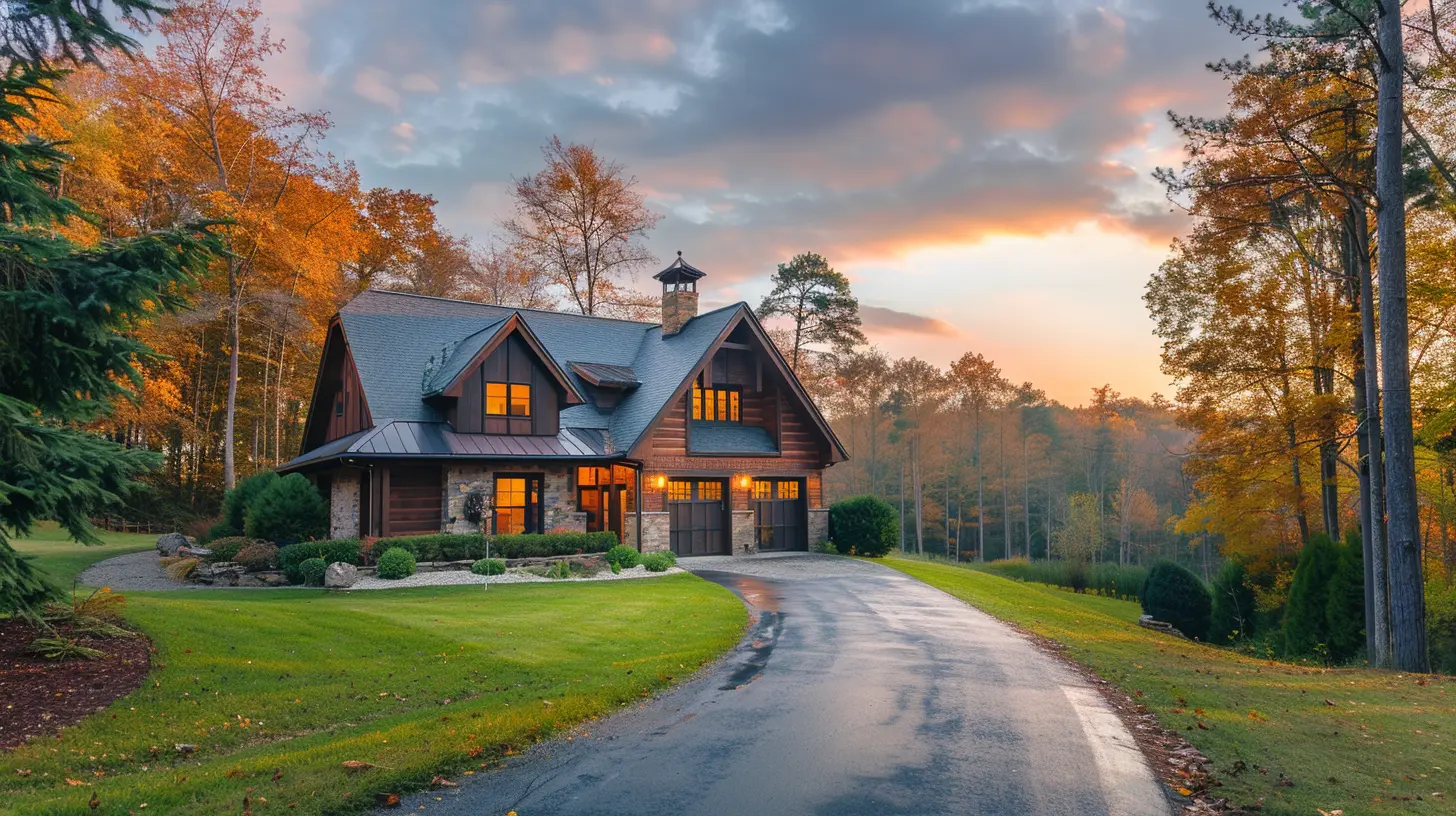
2. Budget: Because Money Doesn’t Grow on Trees
Unless you have a secret stash of gold bars buried in the backyard, cost is going to be a big factor. There’s a wide range of retirement home options, from budget-friendly to "Wow, does this place come with a personal chef?"What to Keep in Mind:
- Upfront Costs vs. Monthly Fees – Some places require a hefty buy-in fee, while others operate like rent.- What’s Included? – Some retirement homes include meals, housekeeping, and activities, while others charge extra for every little thing.
- Hidden Fees – Just like airlines love charging for baggage, some retirement homes have surprise costs for guest meals, transportation, or maintenance.

3. The "Vibe" – Does It Feel Like Home?
The last thing you want is to end up in a place that feels like a hospital or, worse, a scene from a bad reality TV show. You’re not just picking a home—you’re picking a community.How to Assess the Atmosphere:
- Visit in Person – Websites can make anything look nice. Go take a tour and get a feel for the place.- Talk to Residents – If possible, chat with a few people already living there. Are they happy? Do they have a secret underground poker club?
- Look at the Staff – Are they friendly? Do they know residents by name? A warm, welcoming staff makes all the difference.

4. Activities & Amenities – Will You Be Bored Out of Your Mind?
Retirement is the time to enjoy yourself. Whether you're into yoga, painting, or competitive bingo (yes, it’s a thing), your new home should have activities to keep you entertained.Questions to Ask:
- What’s on the Activity Calendar? – Are there social events? Day trips? Fitness classes?- Are Facilities Well-Maintained? – A pool is nice, but it's useless if it looks like something out of a ghost story.
- Do They Cater to Your Interests? – If you’re a bookworm, is there a library? If you love gardening, do they have green spaces?
5. Healthcare Services – Just in Case
Even if you're feeling fit as a fiddle now, planning for the future is wise. Some retirement communities offer on-site healthcare, while others require you to find outside help when needed.Considerations:
- Access to Medical Care – Is there a nurse on staff? How far is the closest hospital?- Levels of Care Available – Some communities offer independent living, assisted living, and skilled nursing, so you don’t have to move again if your needs change.
- Emergency Response – Are there safety measures like emergency call buttons or on-site medical staff? Because nobody likes a slow ambulance.
6. Food – Because Eating Should Be Enjoyable
You’re not in college anymore—eating instant noodles every night is no longer acceptable. The food situation at your retirement home should be a major factor.What to Check:
- Menu Variety – Are they serving actual meals, or is it just a parade of mashed potatoes?- Dietary Restrictions – If you need gluten-free, vegetarian, or low-sodium options, will they cater to your needs?
- Mealtime Atmosphere – Is it restaurant-style dining, or are you expected to eat at set times like a school cafeteria?
7. Pet-Friendliness – Because Fido is Family
For many retirees, pets are non-negotiable. If you’ve got a furry (or feathered) friend, make sure your new home welcomes them.Things to Ask:
- Are Pets Allowed? – Some places have size or breed restrictions, so don't assume your Saint Bernard is getting a free pass.- Are There Pet-Friendly Amenities? – Dog parks, walking trails, or even pet-sitting services can be a huge plus.
- Pet Fees? – Some places charge extra for pets, so read the fine print.
8. Safety & Security – Because Peace of Mind Matters
Safety isn't just about locked doors and security cameras—it’s about knowing that if something happens, help is nearby.What to Check For:
- Security Measures – Gated entry? Surveillance cameras? On-site security staff?- Emergency Preparedness – Are there fire drills? Evacuation plans?
- Resident Check-Ins – Some communities offer daily check-ins for those who live alone.
9. The Fine Print – Read Before You Sign
Contracts can be sneaky. Before you sign anything, read every word (or have a lawyer do it for you).Look for:
- Refund Policies – If you decide to leave, will you get any money back?- Rules & Restrictions – Some places have strict policies about visitors, decorations, or even what you can hang on your walls.
- What Happens If Your Needs Change? – Will they accommodate you if you eventually require more care?
Final Thoughts
Choosing a retirement home is a big decision, but it doesn’t have to be overwhelming. Think of it like picking a vacation spot—only this time, it’s permanent. Prioritize what matters most to you, take your time researching options, and most importantly, trust your gut.Because at the end of the day, this is YOUR retirement, and you deserve a place that feels like home (minus the stress, the leaky faucets, and the noisy neighbors).
all images in this post were generated using AI tools
Category:
Retirement HomesAuthor:

Elsa McLaurin
Discussion
rate this article
1 comments
Marlowe Ruiz
Choosing a retirement home is like finding the right pair of shoes. Comfort and fit matter most, but don't forget about style. After all, you want a place that feels like home, not a waiting room.
June 12, 2026 at 2:43 AM
Elsa McLaurin
That's a great analogy! Comfort and a personal touch really make all the difference in choosing a retirement home. It should feel right for you.