Modular Housing: Trending Forward into 2027
21 September 2026
Modular housing has spent the better part of two decades hovering at the edge of the mainstream, promising to solve everything from affordability to construction speed. For years, the promise outpaced the delivery. Factories closed, startups burned through venture capital, and buyers who had been sold on "half the price, twice the speed" ended up with neither. So why should anyone believe the next three years will be different?
Because the math has finally caught up with the marketing. Labor shortages in construction are not a temporary blip, they are a structural shift. Interest rates have made carrying costs on stalled projects painful enough that speed has real financial value. And a generation of factory operators has quietly learned from the failures of the 2010s. The companies still standing in 2025 are not the ones that promised to reinvent housing. They are the ones that figured out how to build a boring, repeatable product and ship it.
That is the story heading into 2027. Not a revolution. A grind toward legitimacy.
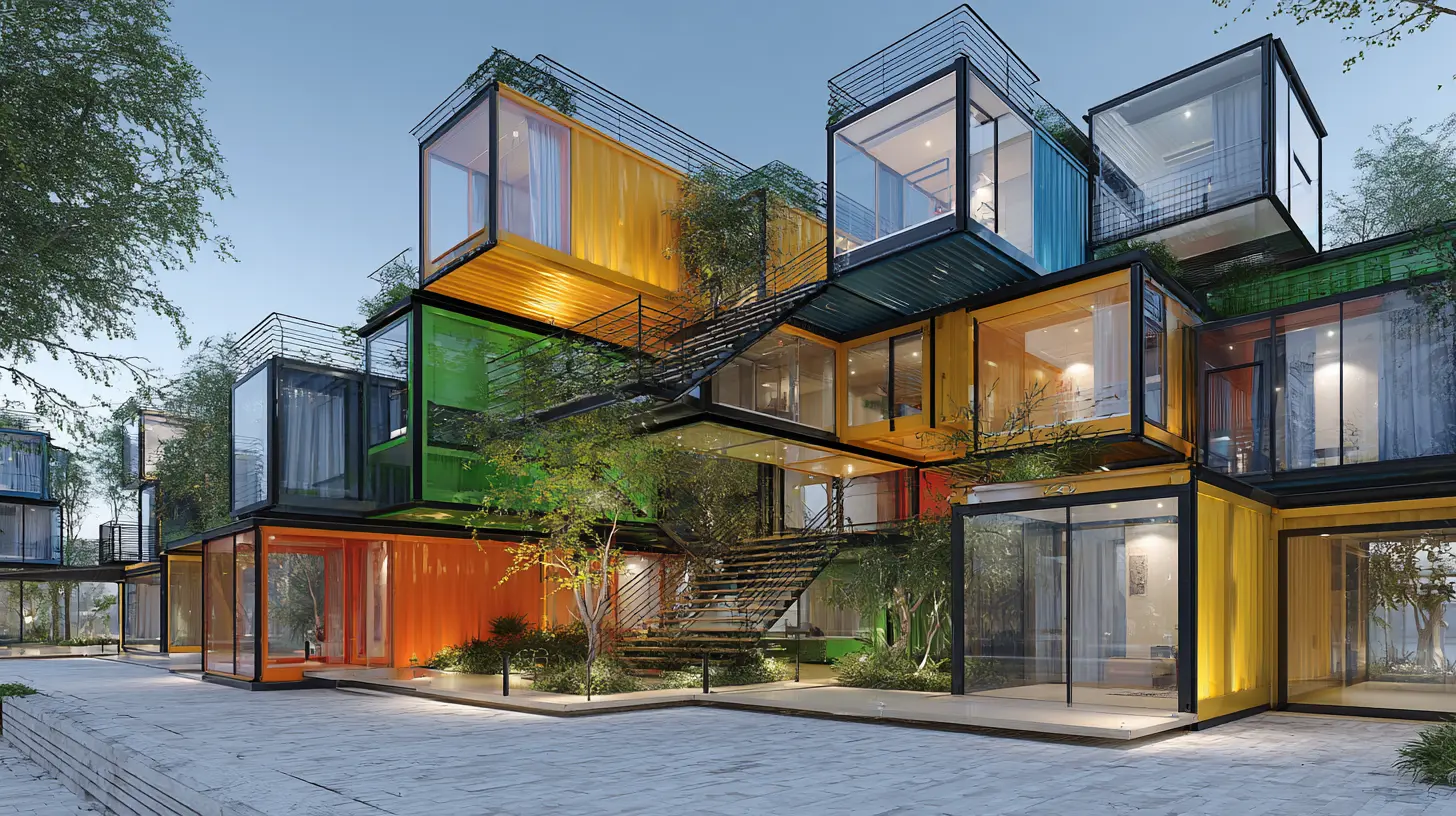
What Modular Housing Actually Means, and Why the Definition Matters
Before anyone gets excited about trends, it helps to separate modular from its cousins, because the industry lumps them together and buyers pay the price for that confusion.Modular construction means a building is assembled in volumetric sections, or "boxes," in a factory, then transported to the site and stacked or joined. The modules arrive with framing, wiring, plumbing, and often finishes already installed. A crane sets them in place. The site work, foundation, and utility connections happen around them.
That is different from panelized construction, where flat wall, floor, and roof panels are built off site and assembled on a foundation. It is different from manufactured housing, which is built to the HUD code and treated legally and financially as personal property in many cases. And it is different from 3D printed construction, which is still largely a pilot-stage technology with a handful of real projects and a lot of press releases.
Why does the distinction matter? Because financing, permitting, appraisal, and resale all treat these categories differently. A modular home built to local building codes is, in the eyes of a lender, a site-built house. A manufactured home often is not. Buyers who confuse the two end up with loan products they did not expect and insurance quotes that make their eyes water.
If you are evaluating any off-site product, the first question is not "how fast can it be built." It is "what code is it built to, and how will a bank and an appraiser classify it." Everything else follows from that.
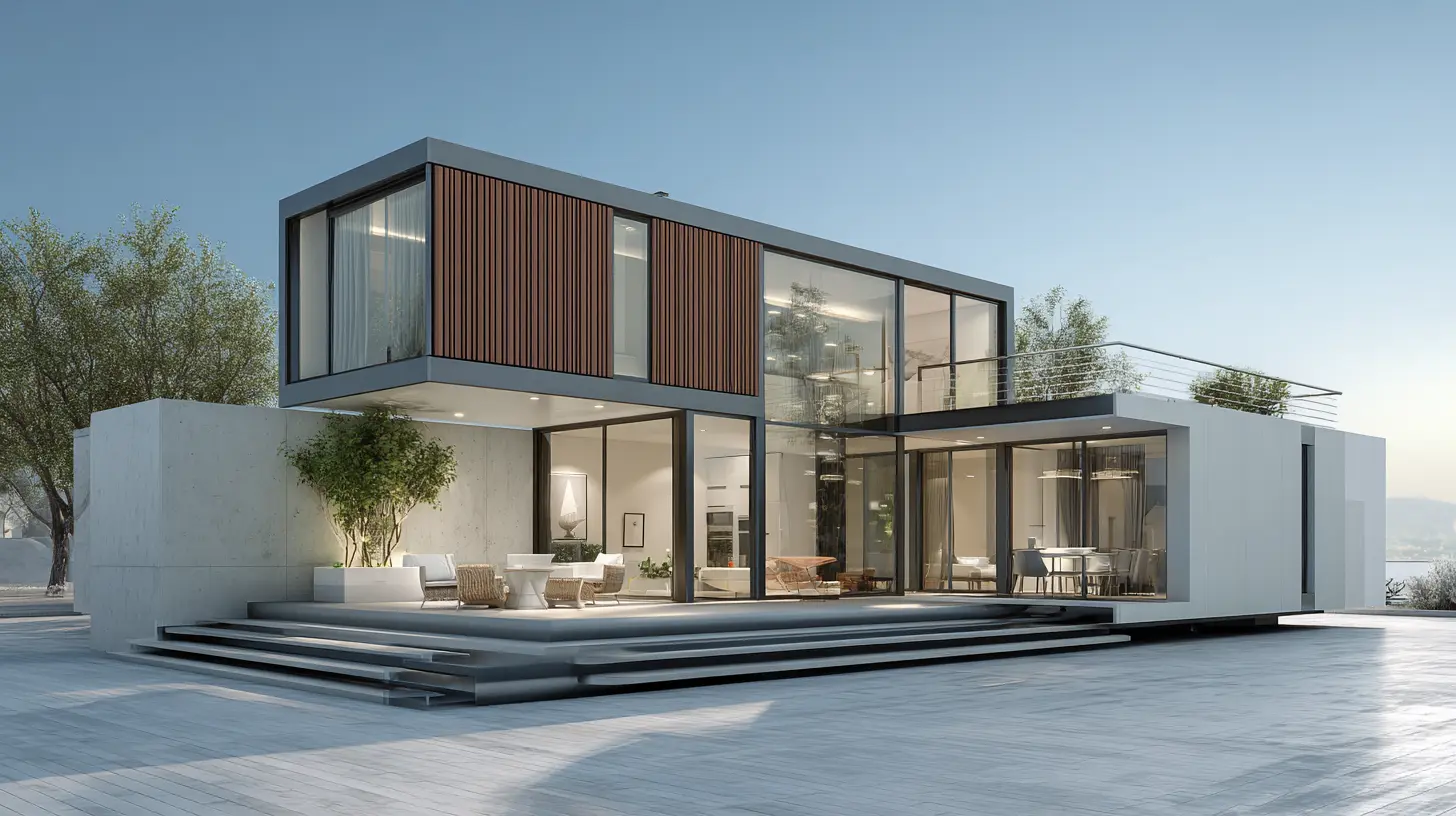
The Forces Pushing Modular Forward
Three pressures are doing the heavy lifting between now and 2027.Labor Is Not Coming Back the Way It Was
The construction trades have been losing workers for years, and the pipeline of new entrants has not kept pace with retirements. This is not a political talking point, it is a demographic reality. When you cannot find framers, you either wait, pay more, or find a way to do more of the work in a controlled environment with a smaller crew.Factories do not eliminate labor. They relocate it. But they relocate it to a place where a worker can be productive year-round, regardless of weather, and where one trained team can produce the same wall assembly dozens of times. That repetition is where the cost and quality gains come from, not from magic.
Speed Has Become Expensive to Ignore
When money was cheap, a six-month delay on a project was annoying. At higher rates, it is a line item that can kill a deal. Modular construction can compress the schedule because site work and factory work happen simultaneously. A project that would take 14 months conventionally might take 9 or 10 with modules. That difference shows up directly in interest carry, and for developers, that is often the whole argument.Quality Control Is Easier in a Factory
Rain does not get into a wall assembly that is built indoors. Trades do not have to crawl over each other in a muddy trench. Inspections happen at stations, not in a chaotic sequence. This does not guarantee a better building, but it removes a lot of the variability that plagues site construction.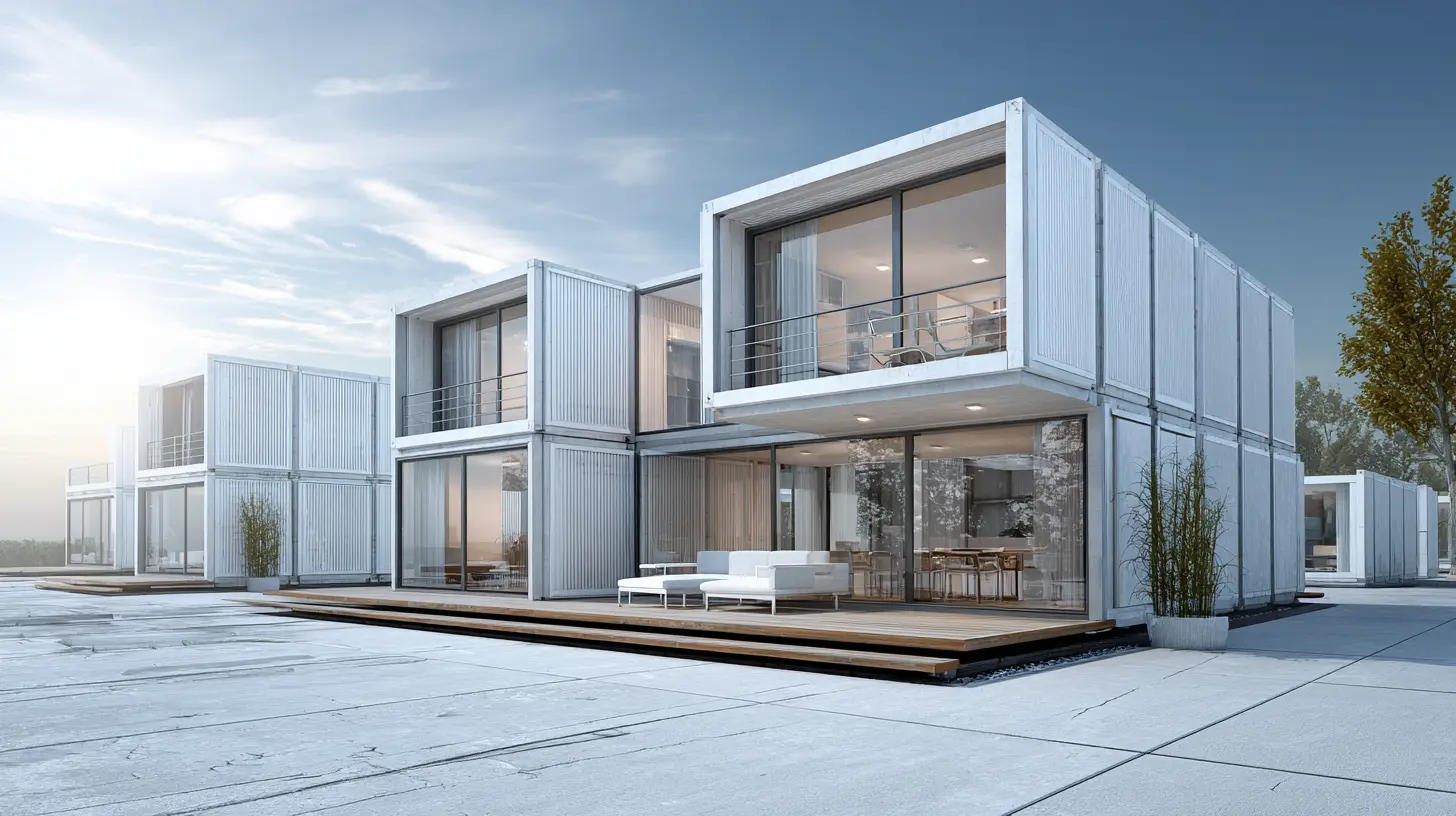
Where Modular Still Struggles, and Why Honest Operators Admit It
Anyone selling modular as a universal solution is either new or lying. The model has real constraints, and pretending otherwise is how buyers get burned.The Design Penalty
Modular rewards repetition. If you want the same bathroom pod 200 times, the factory is your friend. If you want a bespoke layout with a cantilevered living room and a double-height atrium, you are going to pay for it, and the factory may not be able to build it at all.This is why modular has gained the most traction in hotels, student housing, multifamily rentals, and affordable housing. These projects benefit from standardization. Custom single-family homes are a harder sell, though that is changing as more factories offer semi-custom catalogs.
Transportation Is the Hidden Cost
Modules are big. Really big. A typical module might be 12 to 16 feet wide and up to 60 feet long. Moving that from a factory to a site requires permits, escorts, route surveys, and sometimes police details. If your site is 300 miles from the factory, you may spend more on logistics than you save on labor.The rule of thumb many operators use is that the factory should be within a day's drive, ideally 150 to 250 miles. Beyond that, the economics start to wobble.
Financing Is Still Awkward
Construction lenders are comfortable with site-built projects. They understand draw schedules, lien waivers, and inspection milestones. Modular introduces a new wrinkle: a large payment is often due when modules leave the factory, before anything is standing on the site. Lenders who have not done modular deals before may balk, and that friction can delay or kill a project.The workaround is to bring a lender who has done modular before, or to use a factory with a track record the lender can verify. This sounds obvious. In practice, it is one of the most common reasons modular deals fall apart.
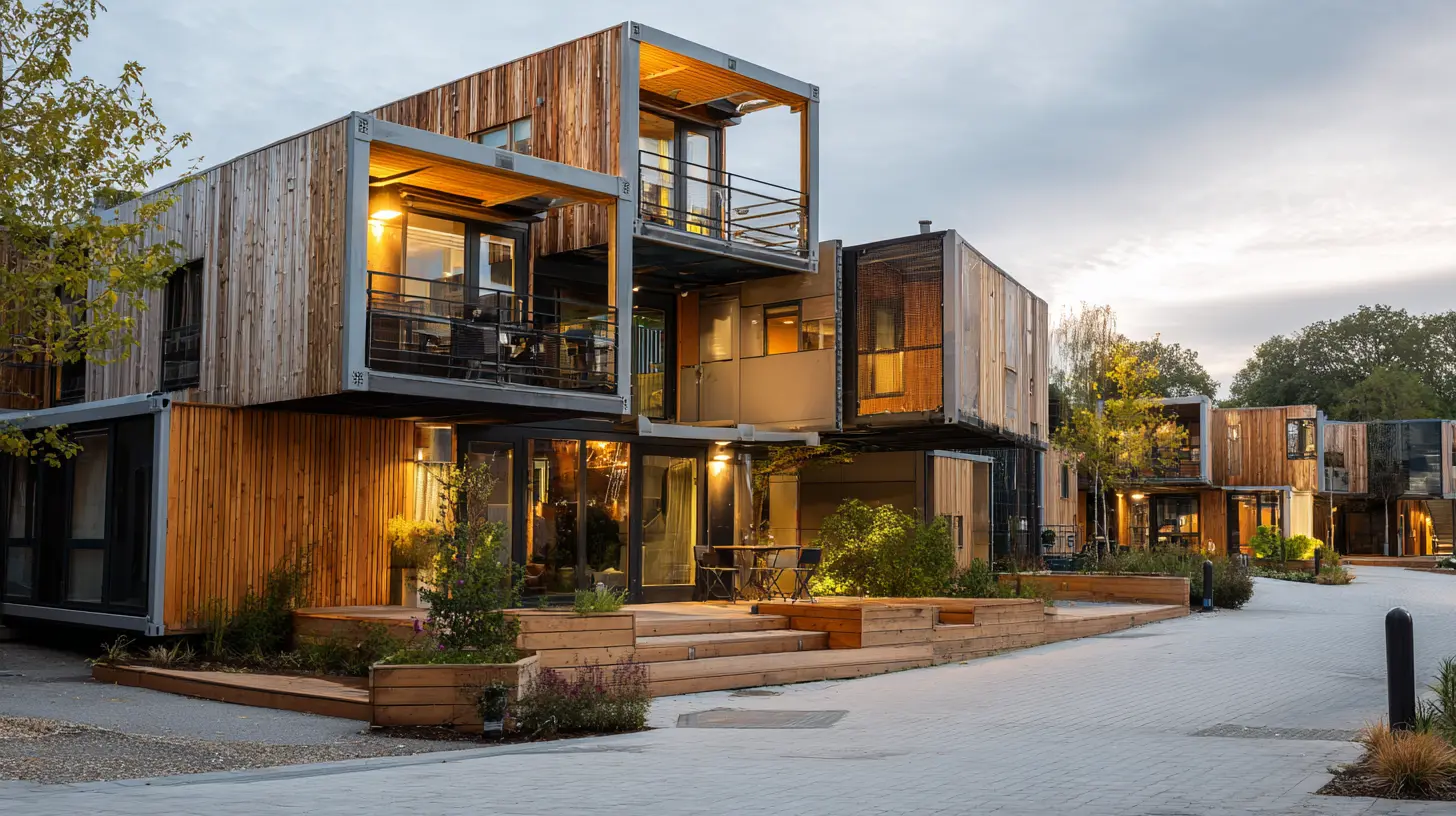
What Is Actually Changing Between Now and 2027
The interesting shifts are not in the technology. They are in the business model.Factories Are Getting Smaller and Smarter
The first wave of modular startups built enormous factories designed for massive volume. When the volume did not materialize, those factories became anchors. The survivors are building smaller facilities, often 50,000 to 100,000 square feet, with leaner automation and a focus on a narrower product range.Smaller factories can be profitable at lower utilization. That is a big deal, because it means they do not need to win a 500-unit contract to stay alive.
The Rise of the "Kit of Parts"
Rather than selling entire buildings, more manufacturers are selling standardized components: bathroom pods, kitchen pods, mechanical rooms, headwalls for hospitals. These can be dropped into a conventionally built structure, which sidesteps many of the permitting and financing headaches of full modular.This is a smart middle path. It captures factory efficiency where it matters most, in the trades-heavy, highly repeatable parts of a building, without forcing the whole project into a new delivery model.
Developers Are Becoming Manufacturers
Some of the largest modular projects in the pipeline are being driven by developers who got tired of waiting for a factory to serve them and built their own. This is capital-intensive and risky, but it gives them control over schedule and quality in a way that buying from a third party does not.Expect to see more of this in the affordable housing and hospitality sectors, where the repeatability is highest.
Policy Is Slowly Catching Up
A handful of states and cities have started to streamline approvals for modular and off-site construction, recognizing that a module inspected in a factory should not have to be re-inspected on site to the same degree. This is uneven and slow, but the direction is clear. Where policy leads, lenders and insurers tend to follow.A Practical Comparison: Modular vs. Site-Built vs. Panelized
| Factor | Site-Built | Panelized | Volumetric Modular ||---|---|---|---|
| Schedule | Longest | Moderate | Shortest |
| Design flexibility | Highest | High | Limited |
| Weather risk | High | Moderate | Low |
| Transportation cost | Low | Low to moderate | High |
| Financing ease | Easiest | Moderate | Hardest |
| Quality consistency | Variable | Good | Best |
| Best fit | Custom homes | Mid-size projects | Repeatable, multi-unit |
The takeaway is not that one wins. It is that each model fits a different problem. If you are building a one-off custom home on a tight urban lot, modular may be the wrong tool. If you are building 80 rental units and need them open before the next school year, modular may be the only tool.
Common Mistakes Buyers and Developers Make
These come up again and again, and they are avoidable.Choosing the factory before the site. The site dictates what can be delivered and craned. If you cannot get a crane to the site or a truck down the road, the factory does not matter.
Underestimating site work. Modular compresses the building schedule, not the site schedule. Foundation, utilities, and site access still take time, and if they are not ready when modules arrive, you are paying for storage.
Assuming the factory handles everything. Factories build modules. They do not pour foundations, pull permits, or manage utility connections. Someone has to own those tasks, and if it is not clearly assigned, it will fall through the cracks.
Skipping the mock-up. Before committing to 200 modules, build one. Inspect it. Live with it. Fix the details while they are cheap to fix.
Ignoring the warranty structure. Who warranties the module? Who warranties the connection between modules? Who handles a leak at a joint? Get this in writing before you sign.
What to Watch for by 2027
A few developments are worth tracking.- More factories, but fewer big ones. The trend is toward distributed, smaller facilities closer to demand.
- Standardized financing products. As more lenders do modular deals, expect to see construction loan products designed specifically for off-site delivery.
- Code harmonization. Some states are moving toward accepting factory inspections across jurisdictions. This would be a quiet but significant change.
- Hybrid models. Expect more projects that combine modular pods with site-built structure, rather than all-or-nothing approaches.
- Better software. The coordination between design, factory, and site is still clumsy. Better tools will reduce errors and rework.
The Bottom Line
Modular housing is not going to replace site-built construction by 2027. It is not going to make housing cheap overnight. What it will do is become a normal, unremarkable option for the right projects, the way steel framing or precast concrete is normal. That is a less exciting story than the one the industry has been telling, but it is a more useful one.If you are considering modular, start with the site, the lender, and the code. Get those three aligned before you fall in love with a floor plan. And be skeptical of anyone promising a revolution. The operators who will still be here in 2027 are the ones who never promised one.
all images in this post were generated using AI tools
Category:
Housing TrendsAuthor:

Elsa McLaurin