Planning for Long-Term Care: Is a Retirement Home the Right Choice?
2 July 2026
As we age, planning for long-term care becomes an essential part of securing our future. But with so many options available, it can be overwhelming to decide what’s best. One popular choice is a retirement home. But is it the right choice for you or your loved one? Let’s dive in and break it down in simple terms.
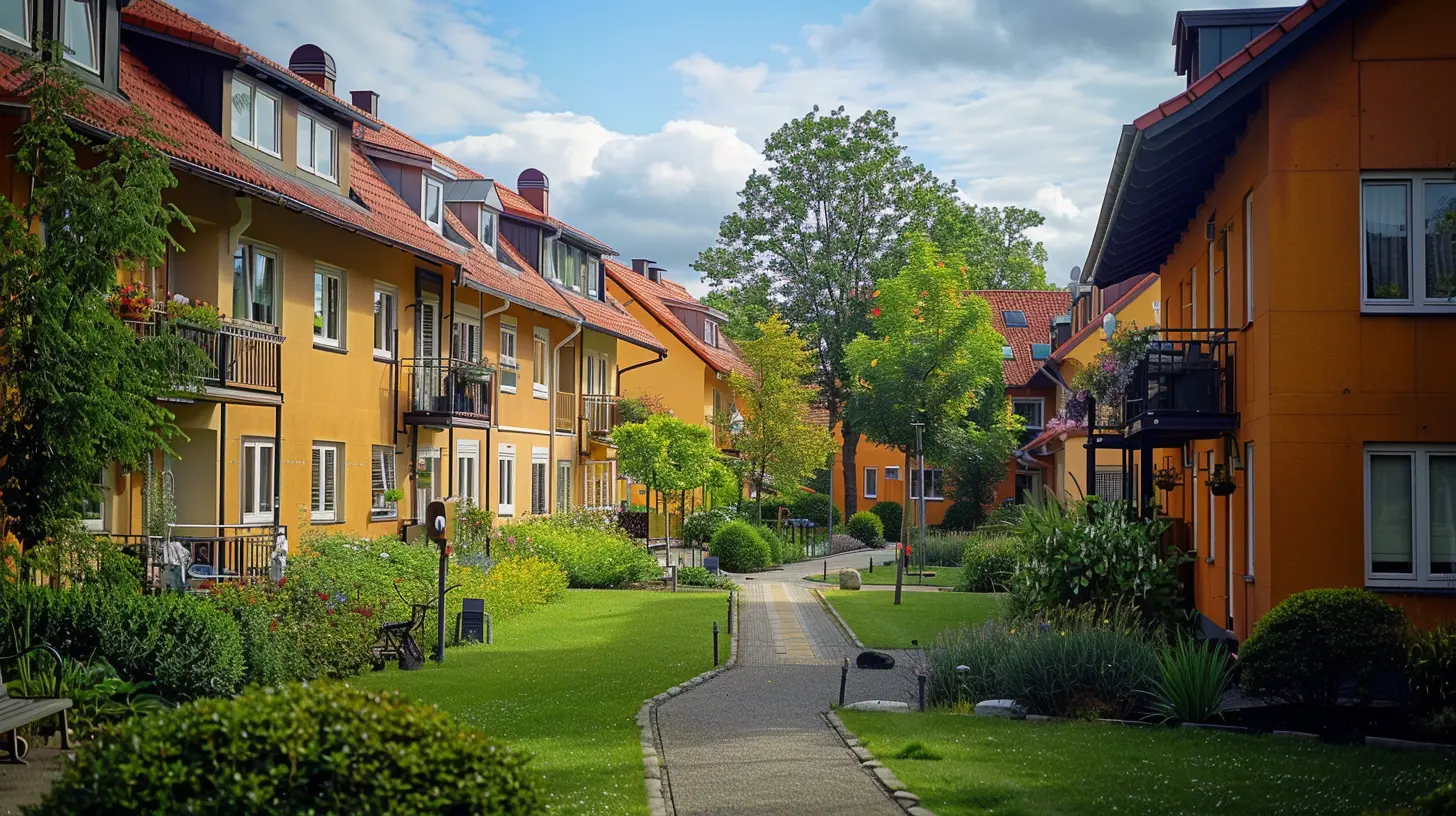
What Is a Retirement Home?
A retirement home is a community designed for seniors who want to maintain their independence while having access to necessary care and services. Unlike nursing homes, which provide full-time medical care, retirement homes focus on offering a comfortable lifestyle with minimal assistance.Most retirement homes offer private living spaces, communal dining, housekeeping, and recreational activities. Some even provide assistance with daily tasks like bathing, dressing, and medication management.
But is this setup the right fit for your long-term care needs? Let’s take a closer look at the factors to consider.

Signs It Might Be Time for a Retirement Home
Making the decision to move into a retirement home isn't easy. It often comes after a series of small (or big) changes in a person's health, lifestyle, and needs. Here are some clear signs that it might be time to consider this option:1. Difficulty Managing Daily Tasks
If simple chores like cooking, cleaning, or even remembering to take medication start to feel overwhelming, a retirement home can help relieve the burden.2. Increased Health Concerns
Chronic illnesses, mobility issues, or frequent hospital visits might mean that a senior needs more care than what’s available at home.3. Feeling Lonely or Isolated
Social interaction plays a huge role in mental and emotional well-being. If someone is spending too much time alone, a retirement home can offer a vibrant community atmosphere.4. Safety Concerns at Home
Falls, accidents, or difficulty navigating stairs can put seniors at risk. A retirement home provides a safer, more accessible living environment.5. Family Caregivers Feel Overwhelmed
Caring for a loved one is rewarding, but it’s also demanding. If family members feel burned out, a retirement home can provide the assistance they need while allowing them to maintain a loving relationship.
Benefits of Choosing a Retirement Home
So, what makes a retirement home a good option? Here are some advantages:1. Maintenance-Free Living
No more worrying about yard work, home repairs, or even cooking if you don’t want to. Most retirement homes take care of these chores so you can focus on enjoying life.2. Access to Healthcare and Assistance
While retirement homes aren’t hospitals, many offer on-site healthcare services like medication reminders, physical therapy, and emergency assistance.3. Social Opportunities
Loneliness is a serious issue for many seniors, but retirement homes provide plenty of chances to make new friends. From group activities to communal dining, there's always something happening.4. Security and Safety
Many seniors worry about falls or home break-ins. Retirement homes have security features and staff available 24/7 to ensure residents feel safe.5. Customized Care Plans
Just because someone moves into a retirement home doesn’t mean they lose their independence. Residents can choose the level of care they need, from completely independent living to assisted care.
Downsides of Retirement Homes
Of course, nothing is perfect. Here are some potential drawbacks to consider:1. Cost Can Be High
Retirement homes can be expensive, especially if additional care services are needed. It's important to compare costs and see if it's financially feasible in the long run.2. Less Privacy
Moving from a personal home to a community setting means sharing spaces with other residents. For some people, this lack of privacy can be an adjustment.3. Emotional Difficulty
Leaving a long-time home filled with memories can be tough. It’s an emotional transition that requires time and support.4. Adjusting to a New Environment
It can take time to feel at home in a new place. Some seniors might struggle with the changes in routine and surroundings.Alternatives to Retirement Homes
If you’re unsure whether a retirement home is the right choice, there are alternatives that might be a better fit.1. Aging in Place with Home Care
Many seniors prefer to stay in their own homes with the help of caregivers. This allows for maximum independence while still receiving necessary assistance.2. Independent Living Communities
These are similar to retirement homes but focus more on active, independent seniors who don’t need much assistance.3. Assisted Living Facilities
For those who need daily help but don’t require full-time medical care, assisted living might offer a good balance of support and independence.4. Living with Family
Some families choose to have their elderly loved ones move in with them. This can be a great option if there is enough support and care available.
How to Choose the Right Option
Deciding on long-term care requires careful planning. Here are some questions to ask before making a decision:- What level of care is currently needed, and will that change in the future?
- What is the financial situation? Can a retirement home be afforded long-term?
- Does the senior prefer a social setting, or do they value privacy more?
- What amenities and services are most important?
- Is family support available for other care options?
It’s also a good idea to visit different retirement homes, talk to staff, and get feedback from current residents before making a final decision.
Final Thoughts
Deciding whether a retirement home is the right choice for long-term care is a big decision, but it doesn’t have to be stressful. Consider health needs, lifestyle preferences, and financial factors carefully. And remember, the goal is to ensure comfort, security, and happiness in the golden years.Whether it's a retirement home, aging in place, or another option, planning ahead makes all the difference. Talk with family members, explore possibilities, and find the perfect fit for a fulfilling and worry-free future.
all images in this post were generated using AI tools
Category:
Retirement HomesAuthor:

Elsa McLaurin
Discussion
rate this article
1 comments
Annabelle Pacheco
Choosing a retirement home can feel overwhelming, but it's all about finding a place that feels like home. Keep your priorities in mind and trust your instincts... you'll find the right fit!
July 10, 2026 at 11:00 AM
Elsa McLaurin
Absolutely, it's crucial to prioritize what feels right for you. Trusting your instincts can make all the difference in finding a true home.