Preparing Your Home Inspection as a For Sale By Owner
16 January 2026
Selling your home without a real estate agent—commonly known as For Sale By Owner (FSBO)—can be an empowering and cost-saving decision. But it also comes with its fair share of responsibilities, especially when it comes to preparing for a home inspection.
A home inspection is one of the most critical steps in selling your property. It can make or break a sale, depending on what the inspector finds. Buyers want the confidence that they're making a solid investment, and a flawless inspection report helps seal the deal.
So, how can you prepare your home for a smooth inspection? Grab a notepad—it's time to get your house in peak condition before an inspector sets foot inside. 
Why a Home Inspection Matters
For many buyers, a home inspection is non-negotiable. It ensures the property is safe, well-maintained, and free from hidden problems. A bad report can scare off potential buyers or give them leverage to negotiate a lower price.As an FSBO seller, you must put your best foot forward. Unlike working with an agent, who typically guides you through this process, it's up to you to ensure your home passes the scrutiny of an inspector's keen eye. 
Step-by-Step Guide to Preparing for a Home Inspection
1. Conduct Your Own Pre-Inspection
Before a buyer’s inspector ever walks through the door, do your own walkthrough. Pretend you're the inspector—examine your home with a critical eye. Identify potential red flags that could cause issues during the inspection.What to Check:
- Roof and Gutters: Any missing shingles? Are the gutters clogged?- Foundation: Look for cracks or signs of shifting.
- Windows and Doors: Do they open and close smoothly? Any draft issues?
- Plumbing: Check for leaks under sinks, dripping faucets, and low water pressure.
- HVAC System: Does your heating and cooling system work properly?
- Electrical System: Are all outlets functioning? Flickering lights?
If anything raises a red flag, consider fixing it before scheduling the buyer’s inspection.
2. Address Repairs Big and Small
Home inspectors don't just look for major issues; they also note minor ones. A collection of small problems can give buyers the impression that bigger issues may exist.Common Fixes to Handle:
- Change burnt-out light bulbs.- Replace torn window screens.
- Fix leaky faucets and running toilets.
- Seal gaps around doors and windows.
- Patch nail holes in walls and touch up paint.
These small fixes help create a well-maintained impression, which reassures buyers that the home has been cared for.
3. Ensure All Utilities Are Turned On
If you've already moved out, make sure the electricity, water, and gas are still connected. Inspectors need access to these systems to do a thorough job. If the utilities are off, the inspector may need to reschedule, delaying your sale.4. Clean Like a Pro
A messy home won’t necessarily cause a failed inspection, but it does leave a bad impression. A clean, well-organized home suggests that it's been taken care of properly.Cleaning Checklist:
✅ Deep-clean floors and carpets.✅ Scrub kitchen counters and appliances.
✅ Dust ceiling fans, vents, and baseboards.
✅ Organize closets and storage spaces.
If deep cleaning feels overwhelming, hiring a professional cleaner can be a worthwhile investment.
5. Make the Attic and Basement Accessible
Inspectors need access to all parts of the home, including the attic and basement. If these areas are cluttered or blocked, it makes their job harder—and that’s not a good look.- Clear pathways to the attic, electrical panel, and water heater.
- Remove stored items that might block access.
- Ensure lighting in these areas is working properly.
6. Test Safety Features
Home inspectors will check for basic safety features to ensure your home is up to code.- Smoke & Carbon Monoxide Detectors: Ensure they have fresh batteries and are functioning.
- GFCI Outlets: Test the outlets in bathrooms and kitchens—press the reset button to make sure they work.
- Fire Extinguishers: Make sure they’re up to date and accessible.
A home that meets safety codes reassures buyers that they’re making a smart investment.
7. Check the Exterior and Landscaping
Curb appeal isn’t just for show—it matters in an inspection too! The inspector will assess things like drainage, siding condition, and overall upkeep of your home’s exterior.How to Prep the Outside:
- Trim overgrown bushes and low-hanging tree branches.- Ensure downspouts direct water away from the foundation.
- Repair broken fence panels or damaged siding.
- Clear leaves, debris, or personal items from the yard.
8. Prepare a List of Recent Repairs and Upgrades
Providing a list of recent maintenance and repairs can build confidence with buyers.Include details like:
- Roof replacements
- HVAC servicing
- Plumbing or electrical updates
- Structural or foundation work
Having a well-documented history of repairs prevents buyers from worrying about hidden surprises.
9. Be Prepared to Leave During the Inspection
Most buyers prefer to attend the inspection, and it’s best if the seller isn’t present. This allows the inspector and buyer to discuss any concerns freely.Before leaving:
- Open all doors for easy access.
- Secure pets or take them with you.
- Leave any necessary keys or codes for locked areas (garage, shed, electrical box).
Inspections typically take 2-4 hours, so plan to be out of the house for a chunk of time. 
What Happens Next?
Once the home inspection is complete, the buyer will receive a report detailing the findings. From here, they may:✅ Accept the home as-is.
✅ Request repairs or credits.
✅ Attempt to renegotiate the price.
✅ Walk away if major issues arise.
If repairs are requested, you have a choice: fix the issues or adjust the price accordingly. Some sellers prefer to handle minor fixes to avoid extended negotiations. 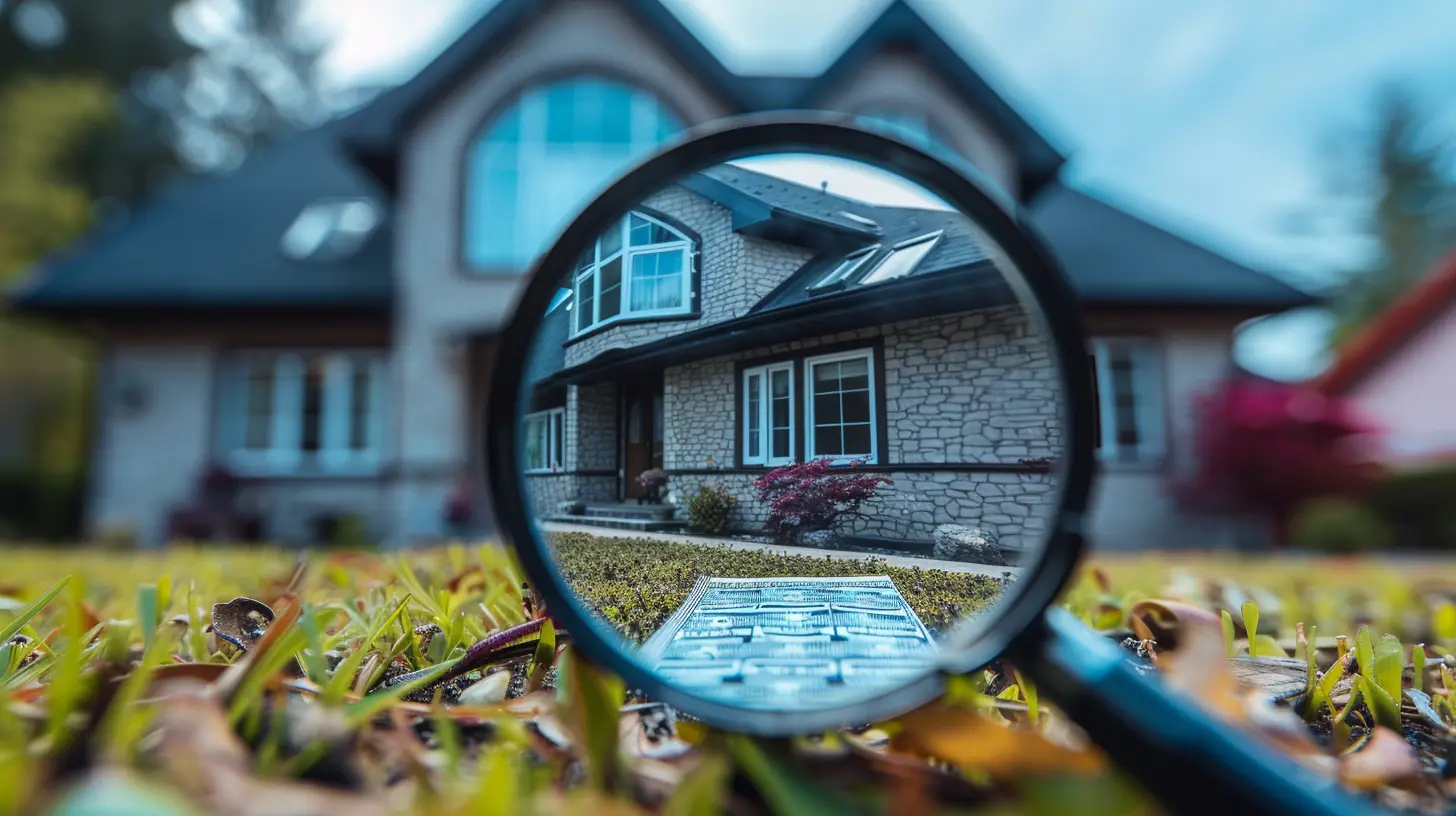
Final Thoughts
A smooth home inspection is crucial for keeping your sale on track. By addressing repairs in advance, maintaining a clean and accessible home, and ensuring all systems are in working order, you increase your chances of passing with flying colors.Selling your home FSBO means you’re in control—but it also means you need to be prepared. A little extra effort upfront can prevent major headaches down the line. So roll up your sleeves, tackle that to-do list, and get ready to impress both the inspector and your potential buyer!
all images in this post were generated using AI tools
Category:
For Sale By OwnerAuthor:

Elsa McLaurin
Discussion
rate this article
2 comments
Malia Vaughn
Happy selling! A little prep makes a big difference!
February 13, 2026 at 6:01 AM
Elsa McLaurin
Thank you! Absolutely, a little prep goes a long way in ensuring a smooth inspection process. Happy selling!
Erica Gates
Because nothing says 'I love DIY' like pretending you’re a home inspector—what could possibly go wrong?
January 19, 2026 at 11:53 AM
Elsa McLaurin
True! A little DIY spirit can go a long way, but knowing when to call in the pros is key to a successful sale.