Real Estate Appraisal Trends Shaping the Future Market
18 July 2026
Let's talk about something that often flies under the radar but plays a massive role in how homes are bought and sold: real estate appraisals. Yep, that moment when someone comes in, crunches a bunch of numbers, walks through your home, and tells you what it's worth.
But the world of real estate appraisal? It’s shifting. A lot.
In fact, the way homes are valued today is changing faster than it ever has before — and if you’re a buyer, a seller, an investor, or even an agent, you need to know what's going on. Because these changes? They’re not just passing fads; they’re shaping the future of the market.
So, let’s pull back the curtain and unpack the real estate appraisal trends that are rewriting the rulebook.
Why Real Estate Appraisals Matter (Yes, More Than You Think)
Before we jump into the trends, it’s worth asking — why do appraisals even matter?Imagine trying to buy a home and having no idea if the price is fair. Or being a lender, handing over a mortgage without knowing if the home is really worth the loan amount. That’s where appraisals step in. They’re the middle ground, the sanity check, the reality anchor in a sea of listing prices and bidding wars.
But here's the catch: the traditional appraisal process is kinda stuck in the past. And that’s where things are starting to change in a big way.
1. The Rise of Automated Valuation Models (AVMs)
Let’s face it — we live in a world of instant everything. Same-day shipping, food delivery in 30 minutes, answers with a single Google search... so why not instant home values?Enter Automated Valuation Models (AVMs).
These are computer programs that use math, algorithms, and a boatload of market data to estimate property values. Think of them like the calculators of the real estate world — fast, efficient, and always on.
How AVMs Are Changing the Game
AVMs are starting to show up everywhere — from Zillow’s Zestimate to bank-backed systems used for low-risk mortgage approvals. They’re fast, objective, and not influenced by human error (or bias). Sounds great, right?Well, sort of.
AVMs work best in neighborhoods with lots of recent sales data. In unique areas or rural regions? Not so much. Still, the trend is clear — tech is taking the wheel in the valuation process.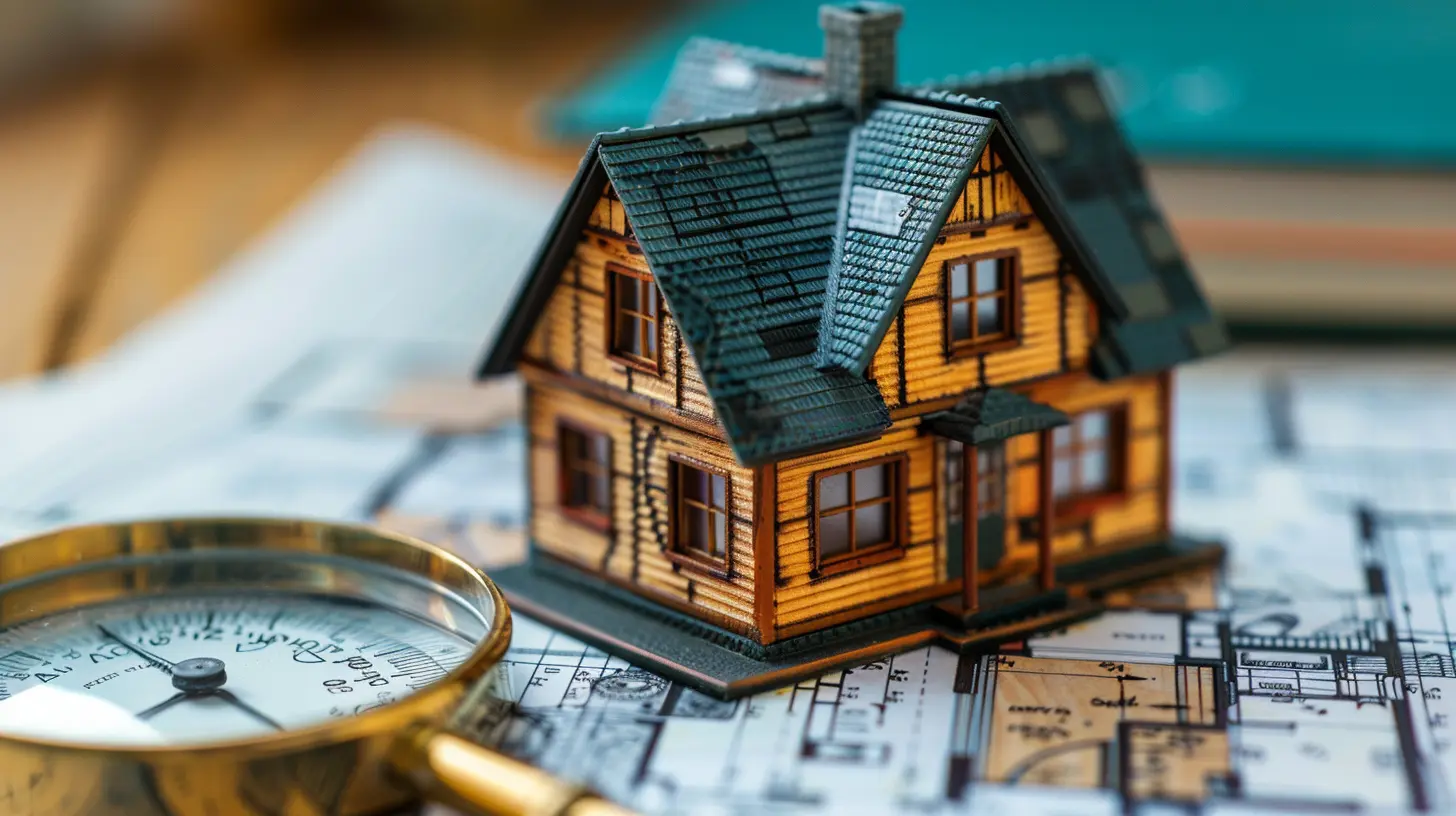
2. Desktop Appraisals Are Going Mainstream
You know how remote work became the new normal? Well, appraisals are going remote, too.A desktop appraisal is exactly what it sounds like — an appraiser evaluates a property from the comfort of their desk, using digital data, photos, and online market trends. No on-site visit, no boots on the ground.
Why Banks and Lenders Love Desktop Appraisals
They’re quicker. Cheaper. And in many cases, they’re accurate enough — especially for refinancing or transactions that aren’t high-risk.Post-2020, the government and big lenders are increasingly okay with desktop appraisals, particularly when housing demand is high and appraisers are stretched thin. Expect to see more of these in the coming years.
3. Data-Driven Decision Making (Goodbye Gut Instinct)
Old-school appraisers used to rely on their "feel" for a market. But let’s be honest — gut instinct doesn't always age well.Now, the industry is shifting toward hyper-data-driven appraisals. Appraisers have access to detailed market stats, neighborhood analytics, local school ratings, and even buyer behavior tracking. This isn't about guessing anymore; it's about reading the numbers — and trusting them.
Big Data: The Silent Power Player
Tech-savvy appraisers now use predictive modeling and forecasting tools that pull in every piece of information imaginable. We’re talking tax records, satellite imagery, crime rates, housing absorption rates — you name it.This abundance of data allows for more accurate pricing and fewer surprises down the line.
4. Regulation and Racial Equity in Appraisals
Now, let’s get real for a second. For years, there’s been a growing conversation about discrimination in the appraisal process. Studies have shown that homes in minority neighborhoods are often undervalued. That’s not just frustrating — it’s unjust.But here’s the upside: change is happening.
The Push for Fairness Is Finally Getting Attention
The federal government and advocacy groups are pushing for new policies to remove bias. There are educational programs to train appraisers on fair housing standards, and even AI tools designed to flag potentially biased valuations.This trend isn’t just about fairness — it’s about creating a more inclusive and balanced market for everyone.
5. The Rise of Hybrid Appraisals
Hybrid appraisals are the best of both worlds. They combine tech with a human touch.Here’s how they work: a property inspector visits the home, collects data and photos, and then an appraiser (often remote) uses that information to determine the value. It’s like tag-teaming the process — faster and cheaper, but still accurate.
Hybrid appraisals are becoming especially popular in high-volume areas or for transactions where speed is key — like refinancing or cash-out loans.
6. Blockchain, Baby — It’s Coming to Real Estate
You’ve probably heard of blockchain in the crypto world… but real estate? Absolutely.Blockchain can bring transparency and security to property data. Imagine having a property’s entire history — ownership, repairs, transactions — stored securely and unchangeably. That would be a goldmine for appraisers!
What It Means for Appraisals
With blockchain, appraisers can trust the data they see. Less fraud. Less guesswork. More time spent doing what they do best — valuing homes.It’s still early days, but the potential is massive.
7. AI-Powered Appraisals: Not Science Fiction
Artificial Intelligence isn’t just for robots and sci-fi movies. It’s becoming a real player in the appraisal world.AI can analyze images to detect upgrades, damage, or quality differences. It can scan thousands of comparable property sales in seconds. It can learn from past appraisals and improve over time.
Sounds a little spooky, right? But in truth, it’s more exciting than scary.
Will AI Replace Human Appraisers?
Not likely. But it will absolutely become their sidekick — think Iron Man and JARVIS. Together, humans and AI can provide faster, fairer, and more consistent appraisals across the board.8. Sustainability and Green Features Are Getting Noticed
Energy efficiency used to be a bonus. Now? It’s a selling point.As homebuyers get more eco-conscious, appraisers are being trained to properly value green features like solar panels, energy-efficient windows, and sustainable materials.
Green = Greater Value (Sometimes)
In competitive markets, eco-friendly features can boost appraisal values. But it's still a work in progress. Many appraisers are still catching up, and standard valuation models don’t always account for these upgrades.Expect sustainability to gain more spotlight in appraisals moving forward.
9. Appraisal Modernization Programs Are Rolling Out
The Federal Housing Finance Agency (FHFA) and other regulators are backing programs aimed at modernizing the appraisal process. These include pilot testing new methods, collecting more digital data, and creating clearer guidelines for AVMs and hybrids.Why? Because the system needs an upgrade — and fast.
These programs aren’t just about speed and efficiency. They’re also about fairness, transparency, and innovation.
10. Market Volatility Is Forcing Appraisers to Evolve
Let’s be honest — the housing market has been on a roller coaster lately. One month it’s a seller’s dream, the next it’s cooling off. Interest rates are rising, and affordability is a hot-button issue everywhere.In this fluctuating climate, appraisers have to be sharper than ever.
They’re adapting to faster market shifts, using real-time data, and being extra cautious with comps and pricing. There’s no room for “same-old” methods anymore. It’s evolve or get left behind.
So, What Does This Mean for You?
Whether you're buying your first home, selling your fifth, or just keeping an eye on the market, knowing how appraisals are changing gives you an edge.If you’re selling, make sure your upgrades are documented and your property is listed accurately — tech-driven appraisals leave little room for fluff.
If you’re buying, understand how your lender evaluates risk. AVMs and hybrid appraisals might play a bigger role than you think.
And if you’re in the real estate industry? Embrace the change. The more you align with these trends, the more future-proof your business becomes.
Final Thoughts: The Future Is Already Here
Real estate appraisals aren’t what they used to be — and that’s a good thing.We're moving away from slow, manual, and sometimes biased evaluations. In their place? Speed, accuracy, fairness, and tech-forward processes that make buying and selling homes smoother for everyone.
So, the next time someone mentions an appraisal, don’t roll your eyes — lean in. Because the future of real estate is being shaped by these very trends. And believe me, it’s going to be an exciting ride.
all images in this post were generated using AI tools
Category:
Real Estate AppraisalAuthor:

Elsa McLaurin
Discussion
rate this article
1 comments
Xena McBride
Great insights on appraisal trends! This article really helps clarify what buyers and sellers can expect ahead.
July 21, 2026 at 12:17 PM
Elsa McLaurin
Thank you! I'm glad you found the insights helpful. Understanding these trends is key for both buyers and sellers.