Should You Get a Pre-Listing Appraisal?
8 July 2026
So, you’re thinking of selling your home. First of all—congrats! ? Whether you're upgrading, downsizing, or just ready for a change, this is a big step. But before you stick that shiny "For Sale" sign in the yard and start pre-mourning your favorite nook in the kitchen, there's one burning question you should be asking yourself: Should you get a pre-listing appraisal?
Let’s spill the tea on this hot real estate topic. Is it worth the money? Will it boost your sale price? Can it save you from buyers playing hardball? Buckle up, buttercup—we’re diving deep into everything you need to know (and didn’t know you needed to know) about pre-listing appraisals.
What on Earth Is a Pre-Listing Appraisal?
Let’s break it down. A pre-listing appraisal is just like any other real estate appraisal… but done before you list your home for sale. Instead of an appraiser getting involved after you’ve snagged an offer from a potential buyer, you're calling them in before your home hits Zillow or Realtor.com.A licensed appraiser evaluates your home’s value based on its condition, location, upgrades, recent comparable sales, and market trends. Basically, they’re the Sherlock Holmes of property—digging into the nitty-gritty, so you get a solid estimate of what your home is truly worth.
And guess what? That little report they give you? It can be your secret weapon when selling your house.
Why Bother With a Pre-Listing Appraisal Anyway?
I get it. You’re probably thinking, “Do I really need to throw more money at this process?” Well, let’s look at some very real benefits that might just change your tune.1. Pricing Like a Pro
Here’s the tea: The number one mistake sellers make is slapping the wrong price on their home. Price it too high? Crickets. ? Price it too low? You leave money on the table. ?A pre-listing appraisal gives you a reality check. It’s based on data, not emotions (yeah, I know you love that reading nook you crafted during quarantine). With a pro’s input, you’re setting a price that’s competitive, accurate, and more likely to attract serious buyers.
2. Boost Buyer Confidence
Imagine you’re a buyer and the seller hands over a fresh, independent appraisal showing exactly how the price was set. That’s like giving someone the Carfax report before they buy a used car—total transparency.It shows buyers you’re not trying to pull a fast one. You’re upfront, informed, and ready to roll. It could even speed up the offer process because buyers feel more confident in making a move.
3. Fewer Surprises Later
Now here’s where it gets sneaky good. Normally, if a buyer’s lender orders an appraisal and it comes in low, bam—you’re stuck renegotiating. That could mean lowering your price or risk the deal falling apart.A pre-listing appraisal helps you avoid that heartbreak. Think of it as a crystal ball. You’ll have a better sense of how your home might appraise later in the deal, so you’re not caught off guard.
4. Negotiation Power
Let’s say you’re in a multiple-offer showdown. Having an appraisal in hand can be your ace card. You can wave that report and say, “Look, my price is backed by a certified pro.”That’s major leverage, darling.
But Hold Up—What Does It Cost?
Alright, let’s talk dollars and sense. A typical residential pre-listing appraisal will run you anywhere from $300 to $700, depending on your location and the size of your home. Custom mansions in Beverly Hills? Yeah, expect to pay more.Now, is that pocket change in the grand scheme of selling your home? Not really. But compared to the losses you could face by pricing too low or screwing up negotiations? It might just be the best money you spend in the whole selling process.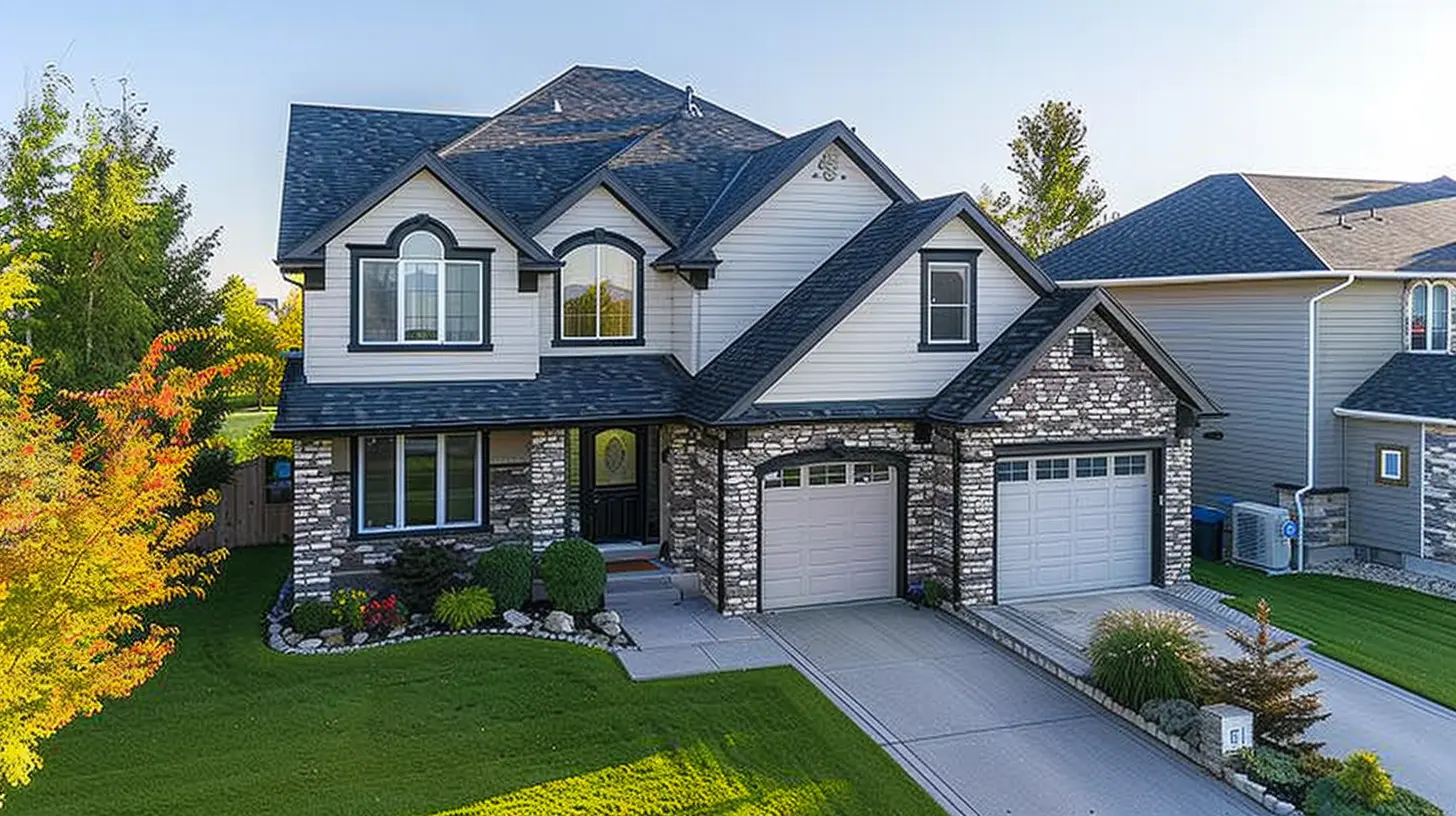
When You Should Absolutely Get One
So, is a pre-listing appraisal always a good idea? Truth bomb: No. But in some situations, it’s not just helpful—it’s borderline necessary. Let’s break those down.✅ You’re in a Unique or Hard-to-Comp Price Range
If your home is like no other on the block (looking at you, converted barn with a rooftop vineyard), comps might be hard to come by. An appraiser can help give a defensible value, even if there’s not a cookie-cutter model down the street to compare with.✅ The Market Is All Over the Place
If prices are swinging wildly—up, down, and sideways—getting a pro’s take can help you nail down a value that’s rooted in current trends, not last month’s drama.✅ You Just Did Major Upgrades
Remodeled kitchen? Sparkling new bathroom? Swapped out that popcorn ceiling from the 80s? Heck yes. An appraisal can factor those improvements into your home’s value—something that might not be obvious by just eyeballing Zillow comps.✅ You’re the Nervous Type
No shame! If you’re someone who doesn’t like guessing or playing real estate roulette, a pre-listing appraisal gives you peace of mind. That alone can be worth every penny.When to Skip the Appraisal
On the flip side, you might want to skip it in some scenarios.❌ You’re Working With a Killer Agent
A seasoned real estate agent knows your market inside and out. They’ll run a CMA (Comparative Market Analysis) that can get you surprisingly close to an official appraisal—without the extra cost. So, if you've got a rockstar agent, their pricing advice might be all you need.❌ You're Selling in a Hot Market
When buyers are outbidding each other like it's an eBay war from 2005, pricing becomes more art than science. Bidding wars might push your price above appraisal anyway, so getting one beforehand might not be the best use of funds.❌ You Already Know Your Ballpark
Maybe you've bought or sold homes recently, your neighborhood's values are stable, and you’ve done your homework. In that case, you might be confident enough to price wisely without an appraisal mic-drop.Pre-Listing Appraisal vs. CMA: What’s the Difference, Really?
This is where things get juicy.Think of a CMA as a smart guess from a savvy real estate agent. It’s based on comparable homes that have sold recently in your area. It’s legit, for sure—but it’s not legally binding.
A pre-listing appraisal, on the other hand? That’s done by a licensed, third-party professional, and carries a lot more weight. Especially with buyers and lenders. It’s not guesswork—it’s certified analysis.
So, while both are valuable, having them both is like having your cake and eating it too—with sprinkles on top.
The Appraisal Appointment—What Actually Happens?
If you decide to go for it, here’s what to expect:- The appraiser will tour your home, inside and out.
- They’ll take photos, measure rooms, and note upgrades or issues.
- You’ll get a final report, typically within a few days, detailing the market value and how it was calculated.
Pro-tip: Tidy up, make a list of recent upgrades, and be home to answer questions. The more helpful you are, the better the appraisal reflects your home’s true shine.
Final Verdict: Should You Get a Pre-Listing Appraisal?
Alright, let’s cut the fluff. Here’s the bottom line:- If you’re in a complex market, have a unique home, or just wanna be extra prepared—go for it.
- If you’re confident in your agent and the market is on fire—you might be fine skipping it.
But here’s the thing to remember: knowledge is power. And knowing your home’s real market value before you list could save you drama, dollars, and delays.
So, should you get a pre-listing appraisal?
Well, darling—that depends on how much you like having the upper hand. ?♀️
Frequently Asked Sass-Laced Questions
Q: Will a pre-listing appraisal guarantee I sell my home faster?
Nope, but it can make your listing more attractive by backing your price with professional data. That alone can draw in more serious buyers.Q: Can the buyer still order their own appraisal?
Absolutely. If they’re using a mortgage, their lender will still require an independent appraisal. But if your number aligns with theirs? Smooth sailing.Q: What if the buyer’s appraisal comes in lower?
Oof. Even with a pre-listing appraisal, there’s no 100% guarantee. Markets shift, and appraisers use slightly different methods. But having your own report gives you a solid defense if you need to go to bat.So, What’s Next?
If you're leaning toward getting a pre-listing appraisal, don’t wait too long. Getting it done early gives you time to plan your pricing strategy, work with your agent, and prep for market domination.Remember: in the war of real estate, information is ammunition—and this could be your secret weapon.
all images in this post were generated using AI tools
Category:
Real Estate AppraisalAuthor:

Elsa McLaurin
Discussion
rate this article
1 comments
Carrie Walker
I wonder how a pre-listing appraisal impacts a home's selling price. Do sellers find that it leads to quicker sales, or is it just another expense? Seems like understanding the local market could really tip the scales in either direction... What do others think?
July 16, 2026 at 3:23 AM
Elsa McLaurin
A pre-listing appraisal can be beneficial. It may lead to a more accurate pricing strategy, helping attract serious buyers and potentially resulting in quicker sales. However, it is an added cost that some sellers might view as unnecessary. Understanding the local market ultimately plays a key role in the decision.