Should You Rent or Buy in a Growing City by 2027?
18 April 2026
Ah, the age-old question that lingers in the air like a summer breeze: Should you rent or buy in a growing city by 2027? It’s a dilemma that tugs at the hearts of many, like a tightrope walker balancing between two enticing options. In this ever-evolving world of real estate, where property values fluctuate like the stock market, let's dive deep into the waters of both renting and buying. Together, we’ll untangle this web of decisions, examining the pros and cons with a poet's pen and a practical mind.

The Allure of Growing Cities
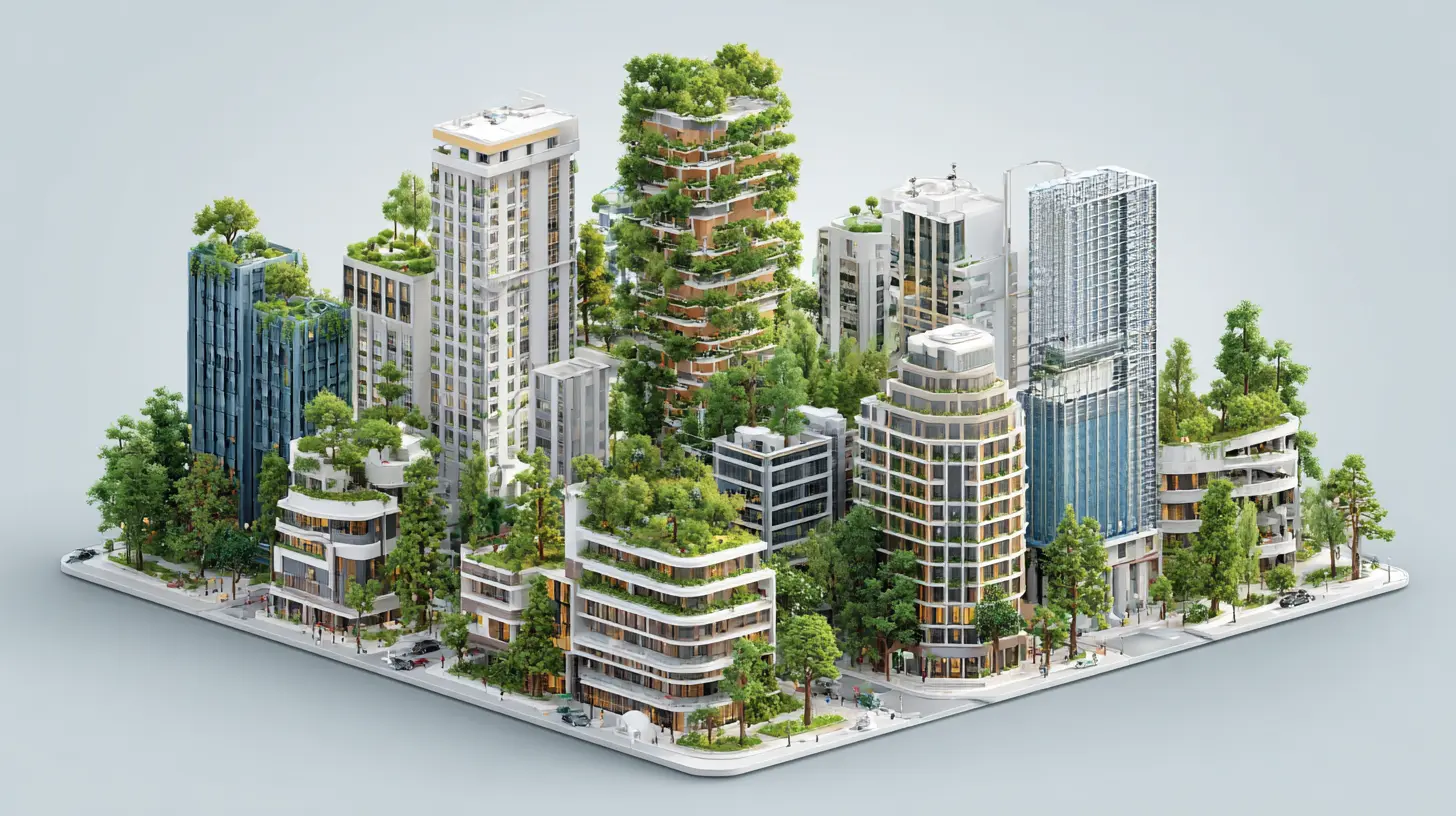
Before we embark on our journey into the realm of renting and buying, let’s take a moment to appreciate the charm of growing cities. Picture this: vibrant streets buzzing with life, new cafes popping up like wildflowers, and a community that pulses with youthful energy. Cities like Austin, Nashville, or Denver are not just places; they are experiences waiting to be embraced.But here’s the kicker—growing cities often mean rising prices. As more people flock to these urban jungles, demand skyrockets, and so do the costs. So, how do you decide whether to rent or buy in such a dynamic environment?
The Renting Route: Freedom and Flexibility
The Case for Renting
Let’s start with renting, shall we? Renting can feel like a breath of fresh air. Imagine waking up in a cozy apartment, the sun streaming through your window, and knowing that you can pack up and leave whenever you want. It’s like being a bird, free to flutter from tree to tree without a care in the world. Here’s why renting might be your best bet in a growing city:- Flexibility: Life is unpredictable, isn’t it? One minute you’re sipping coffee in your favorite café, and the next, you’ve been offered your dream job in another city. Renting gives you the freedom to move with ease, without the burden of selling a property.
- Lower Upfront Costs: Buying a home? That’s a hefty investment. From down payments to closing costs, the expenses can pile up like autumn leaves. Renting often requires a smaller initial outlay—typically just the first month’s rent and a security deposit. This can leave you with more cash in your pocket for other adventures.
- Maintenance-Free Living: Ever tried fixing a leaky faucet? It’s not as fun as it sounds. When you rent, maintenance is usually the landlord's responsibility. So if something goes awry, you can simply call them up and let them deal with it. You’ll have more time to binge-watch your favorite shows.
- Access to Amenities: Many rental properties come with perks like pools, gyms, and community lounges. It’s like living in a resort without the hefty price tag. Want to hit the gym? Just stroll downstairs—no need for a separate membership!
The Flip Side of Renting
Of course, renting has its downsides too. It’s not all sunshine and rainbows. For one, you’re essentially paying someone else’s mortgage. Every month, you hand over your hard-earned cash, and at the end of the lease, what do you have to show for it? Nada. Zero. Zip.Moreover, rental prices can also increase, especially in a growing city. You might find yourself facing a rent hike that feels like a slap in the face. “What do you mean I have to pay $200 more a month?” you might exclaim, feeling the sting of inflation.
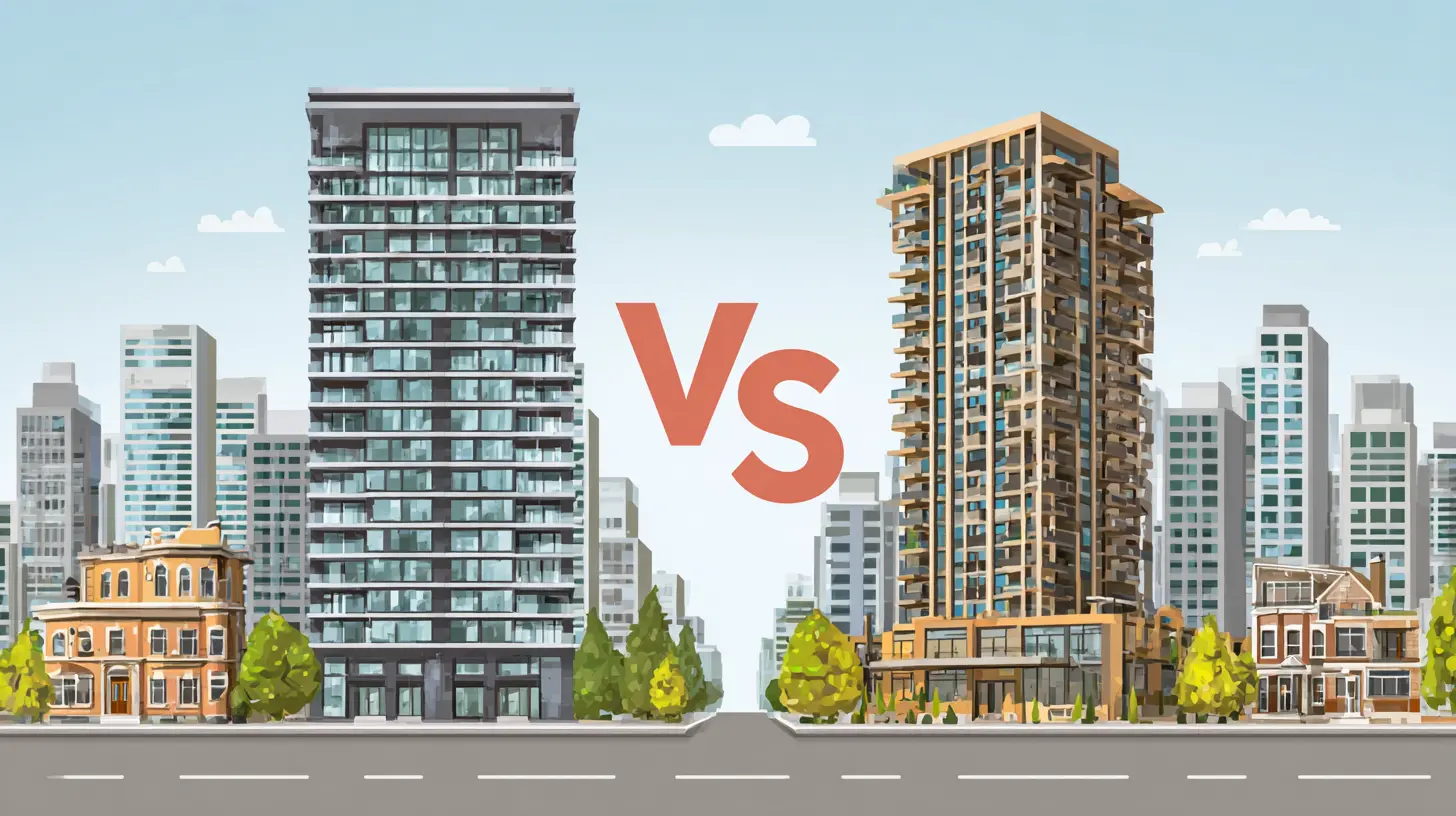
The Buying Bonanza: Building Equity and Stability
The Case for Buying
Now, let’s shift gears and talk about buying. Picture this: you walk into your own home, a place where every wall tells your story. There’s something undeniably appealing about ownership, isn’t there? Here’s why buying might be the path for you:- Building Equity: Every mortgage payment you make is like planting a seed in your financial garden. Instead of paying someone else, you’re investing in your future. Over time, as property values increase, so does your equity—like a tree growing stronger with each passing year.
- Stability: When you own your home, you have a sense of stability that renting simply can’t offer. No unexpected rent hikes, no landlords deciding they want to sell the property. You’re the captain of your ship, navigating through the waters of homeownership.
- Creative Freedom: Have you ever dreamt of painting your living room a bold shade of turquoise? Or maybe you’ve envisioned a backyard oasis with a fire pit and fairy lights? As a homeowner, you can unleash your creativity without seeking permission from a landlord.
- Tax Benefits: Homeowners often enjoy tax deductions that renters miss out on. Mortgage interest and property taxes can sometimes be deducted from your taxable income. It’s like finding a little treasure chest hidden in your backyard!
The Pitfalls of Buying
But before you rush out with a checkbook in hand, let’s talk about the potential pitfalls. Buying a home isn’t all rainbows and butterflies. It comes with its own set of challenges:- High Upfront Costs: As we mentioned, buying a home requires a substantial financial commitment. From down payments to closing costs, this isn’t just a casual stroll in the park; it’s more like a marathon. You’ve got to train for it!
- Market Uncertainty: The real estate market is as unpredictable as a summer storm. Prices can fluctuate, and if you buy at the wrong time, you might find yourself underwater—owing more than your home is worth.
- Maintenance Responsibilities: When the roof leaks or the dishwasher breaks, guess who’s on the hook? Yep, you guessed it. As a homeowner, all maintenance and repairs fall squarely on your shoulders. It’s like inheriting a never-ending to-do list.
- Less Flexibility: Life changes, and sometimes, you need to move. Selling a home can be a lengthy and stressful process, and if you’re tied down to a property, it might limit your options.
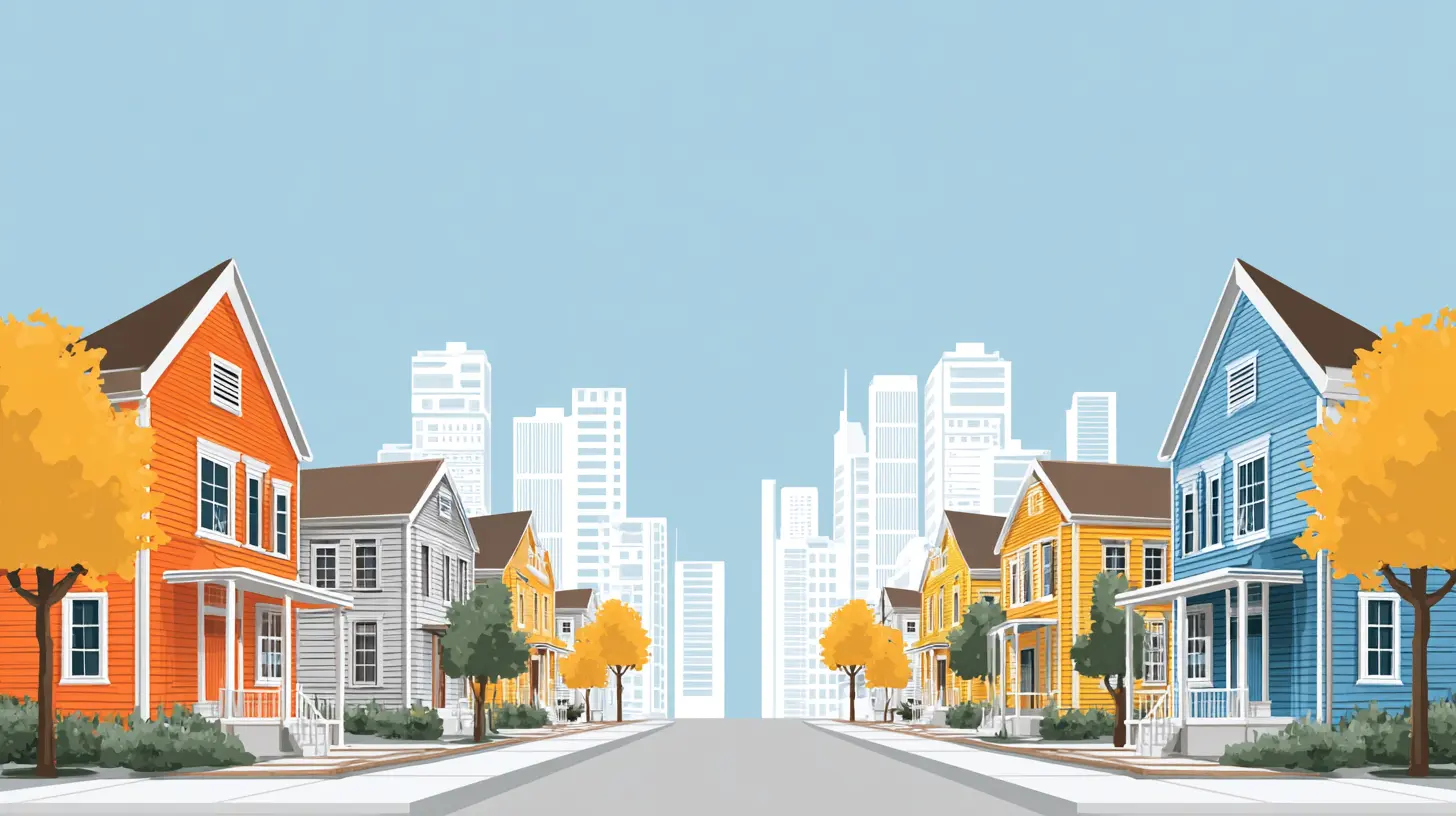
The Middle Ground: Renting to Buy
What if there were a way to blend the best of both worlds? Renting to buy could be your golden ticket! This approach allows you to rent a property with the option to buy it later, giving you time to decide if you truly want to commit.The Benefits of Renting to Buy
- Test the Waters: This option allows you to live in the property and get a feel for the neighborhood. It’s like test-driving a car before you buy it. You can assess the community, commute times, and overall vibe before making a major commitment.- Lock in Purchase Price: Often, a portion of your rent can be applied toward the purchase price. This means you can lock in today’s prices in a growing city, which could save you money in the long run.
- Flexibility with Future Decisions: If life throws you a curveball and you need to move, you can walk away from the deal without the stress of selling a home.
Analyzing Your Personal Situation
As we weigh the scales of renting versus buying, it’s essential to consider your personal situation. Everyone’s journey is unique, like a snowflake—no two are alike. Here are some factors to ponder:Your Financial Health
- Credit Score: A solid credit score can open doors to better mortgage rates if you choose to buy. If your score needs work, renting might be the better option while you boost those numbers.- Savings: Do you have enough saved for a down payment? If not, renting while you build your savings could be a wise choice.
Your Lifestyle
- Job Stability: If your career is stable and you plan to stay in the area for the long haul, buying could be a good investment. On the flip side, if your job is uncertain or you foresee relocating, renting offers the flexibility you need.- Family Dynamics: Are you planning to grow your family or travel extensively? Your living situation might change in the next few years, so consider how your current lifestyle aligns with your housing choice.
The Local Market
- Market Trends: Research the real estate market in your chosen city. Are prices expected to rise or stabilize? Understanding market trends can help you make an informed decision.- Future Developments: Is the city planning new infrastructure or amenities that could increase property values? Keeping an eye on local developments can provide insight into potential returns on your investment.
Conclusion: The Final Tally
As we reach the end of our lyrical journey through the realm of renting and buying, it’s clear that there’s no one-size-fits-all answer to the question, “Should you rent or buy in a growing city by 2027?” Just like a well-crafted poem, your decision depends on your unique circumstances, preferences, and goals.So, take a deep breath and consider all the factors at play. Whether you choose to embrace the freedom of renting, the stability of buying, or the middle ground of renting to buy, make sure it resonates with who you are and where you want to go. After all, your home is more than just a roof over your head; it’s a canvas for your dreams and a sanctuary for your soul.
all images in this post were generated using AI tools
Category:
Buying Vs RentingAuthor:

Elsa McLaurin
Discussion
rate this article
2 comments
Martha Foster
Renting offers flexibility in a growing city, while buying secures investment—choose wisely based on your future plans.
April 21, 2026 at 5:07 AM
Elsa McLaurin
Thank you for your insightful comment! Balancing flexibility and investment is key in such a dynamic market.
Nellie Mahoney
Great insights! Choosing between renting and buying can shape your future—this article offers valuable guidance for everyone.
April 18, 2026 at 11:49 AM
Elsa McLaurin
Thanks for your feedback! I'm glad you found the article helpful in navigating this important decision.