Smart Cities and Their Effect on Housing by 2027
6 September 2026
The term "smart city" has been floating around for over a decade, often bundled with glossy renderings of futuristic towers and autonomous pods. By 2027, however, the concept is no longer a tech demo. It is a structural reality shaping where people live, what they pay, and how their homes function. For anyone involved in real estate, the question is not whether smart city initiatives will affect housing, but which effects will arrive first and how to prepare for them.
This article looks at the concrete ways smart city infrastructure, data systems, and policy changes will alter housing markets by 2027. It covers the mechanics of land value shifts, the rise of mixed-use density, the role of energy grids, and the practical mistakes buyers and developers keep making. The focus stays on actionable insight, not hype.
What a Smart City Actually Changes About Housing
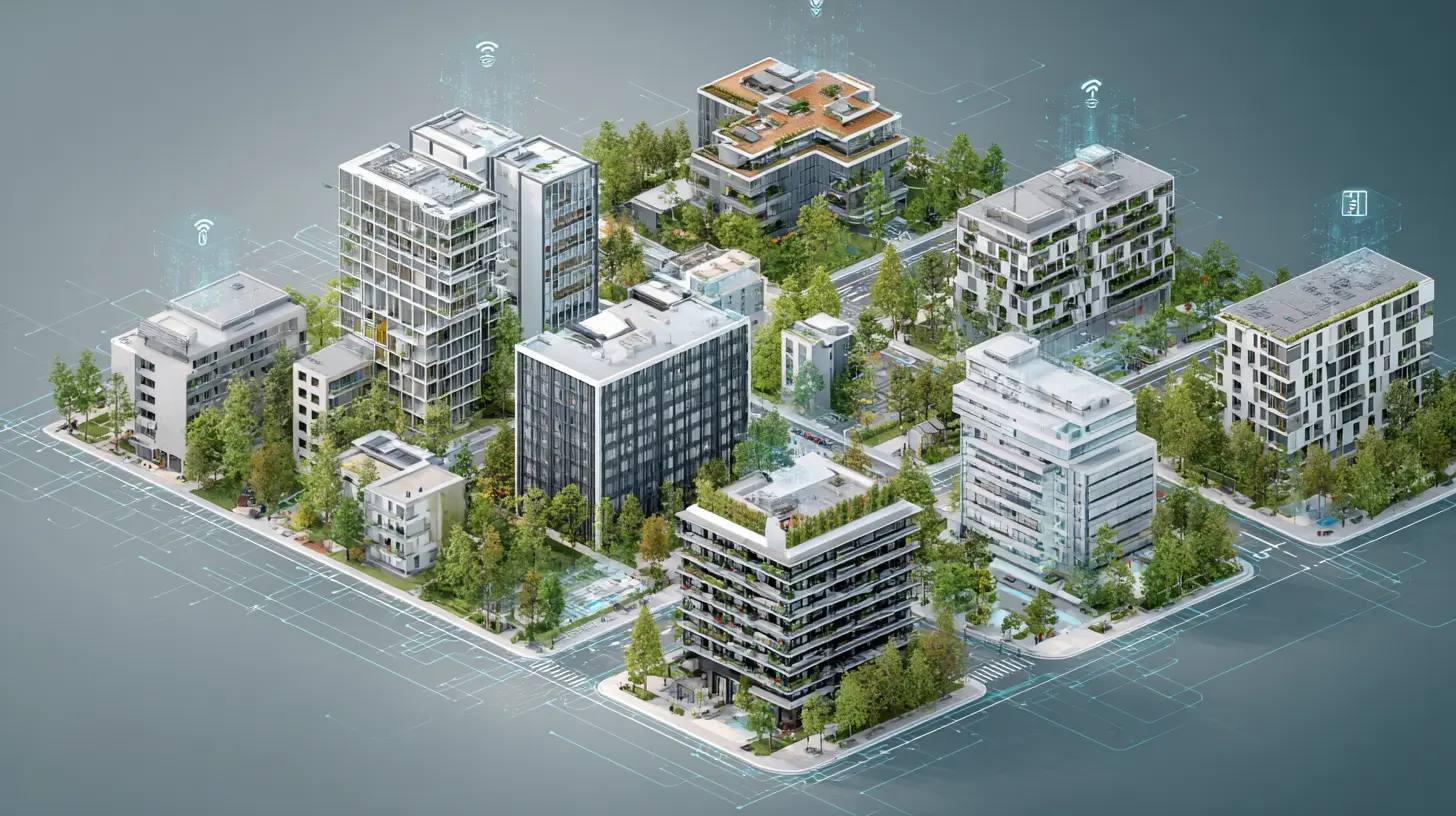
A smart city uses digital technology to manage assets, resources, and services more efficiently. That definition sounds broad because it is. In practice, it means sensors monitor traffic, water, and air quality; central systems adjust street lighting and waste collection; and public data streams inform decisions from zoning to emergency response. By 2027, the most mature projects will not just have these systems running in the background. They will have changed the physical form of neighborhoods.The most direct effect on housing is location value. A street with real-time traffic routing and reliable public transit becomes more desirable than a similar street without it. A district with flood sensors and automated drainage holds its property values better during extreme weather events. These are not abstract benefits. They translate into measurable price premiums and rental differentials.
Consider how internet connectivity has already influenced home buying. A house with fiber optic service commands a premium over one with only DSL, even in the same town. Smart city infrastructure works the same way but at a larger scale. The difference is that the value is tied to the neighborhood network, not just the individual property. That means buyers must evaluate the city's digital backbone as carefully as they evaluate the roof and foundation.

The Shift in Housing Types by 2027
Smart city zones tend to favor density. The logic is simple: sensors and shared infrastructure cost less per unit when more units use them. As a result, municipal governments and private developers are pushing for taller buildings, smaller apartments, and mixed-use blocks where people live, work, and shop within walking distance.By 2027, expect a noticeable split in housing product types. In designated smart districts, the typical new unit will be a one- or two-bedroom apartment of 500 to 800 square feet, built with integrated home automation. These units will come with pre-installed smart meters, adaptive lighting, and heating systems linked to the building's central management platform. The selling point is convenience and efficiency, not space.
Outside these districts, single-family homes will remain common, but they will not be exempt from smart city influence. Municipalities will increasingly require solar readiness, electric vehicle charging ports, and water reuse systems in new construction. These requirements add upfront costs. In some markets, they will push the entry price of a new home beyond what many first-time buyers can afford. In others, government subsidies will offset the cost. The outcome depends heavily on local policy.
Land Value and the New Digital Divide
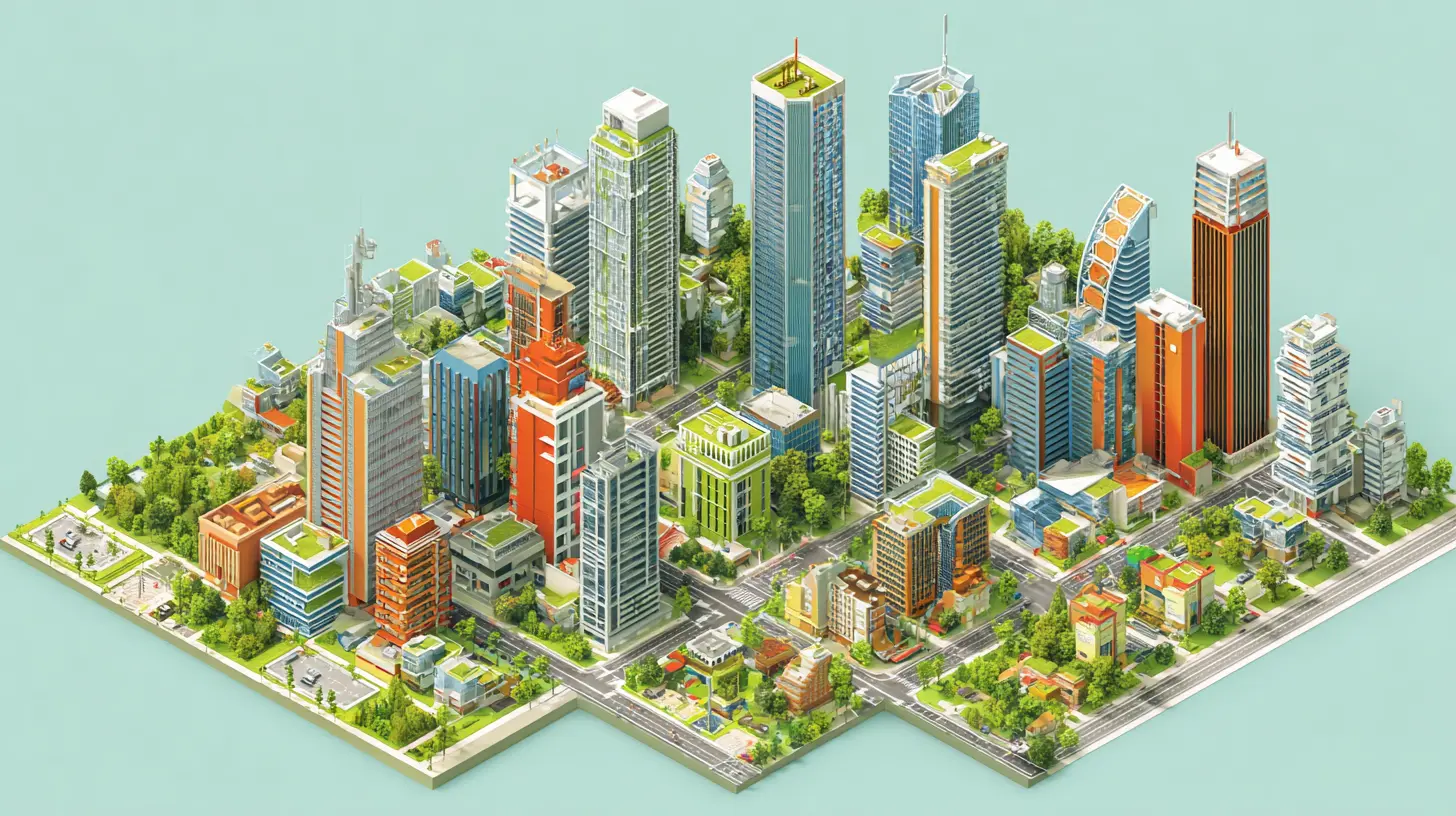
One of the least discussed but most powerful effects of smart city development is the redistribution of land value. When a city installs a comprehensive sensor network and opens its data platform to developers, certain areas become more efficient. Commute times drop. Energy costs fall. Public services respond faster. Those improvements capitalize into land prices.This creates a digital divide in real estate terms. Neighborhoods within the smart grid see their values rise. Adjacent neighborhoods that lack the same infrastructure become relatively cheaper, but they also become less attractive to employers and services. By 2027, this gap will be visible in cities as diverse as Toronto, Amsterdam, and Singapore. The lesson for investors is straightforward: do not just buy property. Buy property that sits inside or near the data flow.
However, there is a risk of overcorrection. Some smart city projects have stalled or failed because the technology was installed without addressing basic housing needs. A neighborhood with perfect connectivity but no affordable rental stock will not thrive. It will merely gentrify faster and push out existing residents. Municipalities that ignore this dynamic face social friction and political backlash, which can delay projects and freeze housing approvals.
Energy Systems and the Hidden Cost of Homeownership
Housing in 2027 will be judged not only by square footage and location but also by its energy profile. Smart grids allow dynamic pricing, which means electricity costs vary by time of day and grid load. Homes equipped with battery storage and smart appliances can shift usage to off-peak hours, reducing monthly bills substantially. Homes without these features become more expensive to operate as utilities phase out flat-rate pricing.This changes the calculation for buyers. A house with a heat pump, smart thermostat, and solar panels may cost 15 to 20 percent more upfront than a conventional home. But the operating cost difference can be several hundred dollars per month. Over a five-year horizon, the smart home often wins. Over a ten-year horizon, it wins decisively, especially as carbon taxes and grid fees rise.
Developers are responding by bundling energy efficiency into the mortgage. Programs that allow buyers to finance solar panels and battery systems through their property tax assessments are expanding. By 2027, expect these programs to be standard in most smart city jurisdictions. Buyers should ask about them early because the paperwork takes time.
The Misconception That Smart Means Sustainable
A common error is equating smart city development with environmental sustainability. They are related but not identical. A smart building can optimize energy use, but if it is built with concrete and steel produced by high-carbon processes, its total footprint may still be large. Similarly, a dense smart district can reduce car dependence, but if the electricity comes from coal, the net benefit shrinks.What matters by 2027 is the combination of smart operations and green construction materials. Cross-laminated timber, low-carbon concrete, and recycled steel are becoming more common in urban projects. These materials add cost but also attract tenants and buyers who prioritize climate impact. Real estate professionals should not assume that a building with a smart facade is automatically a green building. They need to ask about embodied carbon and the source of the energy that powers the smart systems.
This distinction matters for valuation. As governments tighten disclosure requirements, buildings with high operational efficiency but high embodied carbon may face new taxes or compliance costs. Buyers who overlook this risk overpaying for assets that will depreciate faster than expected.
Who Benefits Most From Smart City Housing
The clearest beneficiaries by 2027 will be young professionals and remote workers who value connectivity and low maintenance. A 600-square-foot apartment in a smart building with gigabit internet, shared workspaces, and package lockers fits their lifestyle well. They do not need a garage or a large yard. They need reliable systems and proximity to transit and services.Older adults, especially those looking to downsize, also benefit. Smart homes can monitor health metrics, detect falls, and adjust lighting for safety. This allows aging in place longer than was previously possible. Expect to see senior-friendly smart housing developments with shared medical monitoring and social coordination services. These will command premium rents but also reduce long-term care costs.
Families with children are the least obvious beneficiaries. The smaller units typical of smart districts are cramped for a household with two kids. The schools and playgrounds that families need are often underprovided in early-stage smart developments. Municipalities that fail to plan for family housing will see an imbalance, with too many studios and not enough three-bedroom units. This is already happening in some projects and will become more pronounced by 2027.
Real World Examples and What They Teach
Look at Sidewalk Labs' proposed development in Toronto, which was canceled in 2020. The project collapsed over data privacy concerns and the perception that the tech giant was overstepping into public governance. The lesson is not that smart cities fail. It is that residents must trust the data collection and see clear personal benefits. Without trust, even well-designed projects stall.Compare that with Singapore's approach. The city-state has integrated smart systems into public housing estates for years. Residents use apps to book common spaces, monitor energy use, and report maintenance issues. The result is higher satisfaction and lower operating costs. The difference is that Singapore started with public benefits and then added technology, not the other way around.
For the United States and Europe, the path forward involves more public private partnerships. Cities like Columbus, Ohio, and Barcelona have used federal and EU grants to pilot smart infrastructure in targeted neighborhoods. The housing effects are uneven, but they show that incremental implementation is more realistic than building a new city from scratch. By 2027, expect most progress in established cities rather than greenfield projects.
The Role of Data Privacy in Housing Decisions
One issue that will shape housing markets by 2027 is data privacy. Smart homes generate enormous amounts of personal data. Who owns that data, who can access it, and how it is used are unresolved questions in many jurisdictions. Some buyers will refuse to live in units with always-on sensors. Others will accept the trade-off for lower utility bills and better services.Developers need to be transparent about data collection practices. A building that sells itself as smart but hides its data agreements in fine print will face reputational damage and legal risk. Conversely, a building that offers opt-out options for certain sensors, or that stores data locally rather than in the cloud, will earn trust and justify a premium price.
Real estate agents should ask developers for their data policies before recommending properties. This is not just a legal issue. It is a practical issue. A home that loses value because of a privacy scandal is a bad investment. By 2027, data governance will be as important as physical security in property management.
Common Mistakes Buyers and Developers Make
Mistake one is buying a smart home for the wrong reasons. A home with automated blinds and a voice assistant is not necessarily a smart investment. The value comes from systems that reduce operating costs, improve safety, or increase convenience in measurable ways. Gimmicks add cost without adding value.Mistake two is ignoring the network. A smart home outside a smart grid is like a smartphone without a signal. It has the hardware but not the service. Buyers should check whether the local utility supports dynamic pricing, whether the internet infrastructure is fiber-based, and whether the municipality has a long-term smart city budget. If those pieces are missing, the premium paid for smart features may not be recoverable.
Mistake three is underestimating maintenance. Smart systems require updates, cybersecurity patches, and occasional hardware replacement. A building that does not budget for these costs will see its systems degrade quickly. By 2027, expect to see older smart buildings with broken sensors and outdated interfaces, exactly like early elevators that no one maintained. Buyers should ask about the age of systems and the availability of replacement parts.
How to Value a Smart Home in 2027
Appraisers and investors are still developing methods for valuing smart features. The old approach of comparing square footage and location is insufficient. A home with integrated energy management, smart security, and high speed connectivity may justify a premium of 5 to 10 percent over a comparable conventional home, but only if the features are operational and supported by the local infrastructure.The best method is to calculate the net present value of the savings. If a smart system cuts energy bills by fifty dollars per month and insurance costs by ten dollars per month, that is seven hundred twenty dollars per year in savings. At a capitalization rate of five percent, that supports a value premium of roughly fourteen thousand four hundred dollars. This approach is rational and defensible. It also avoids overpaying for features that look impressive but do not reduce costs.
By 2027, expect more standardized reporting on smart home performance, similar to energy star ratings. Until then, buyers should request a year of utility bills and any available performance data from the seller. If the data is not available, assume the features are not working and negotiate accordingly.
The Trade Off Between Efficiency and Resilience
Smart systems improve efficiency but can reduce resilience. A building that depends on a central network for heating, lighting, and security is vulnerable when the network fails. Power outages, cyberattacks, or simple software bugs can shut down an entire building. This is a serious concern in regions prone to extreme weather or with unstable grids.Resilience requires redundancy. Critical systems should have manual overrides and battery backup. Water and heat should not depend solely on cloud services. Buyers should ask about what happens when the internet goes down. If the answer is nothing works, that is a red flag. Good smart design works with or without connectivity, using local intelligence to maintain essential functions.
The trade off is between cost and certainty. Adding redundant systems increases upfront expense but reduces the risk of catastrophic failure. For a single-family home, the cost is manageable. For a large apartment complex, it is substantial. By 2027, insurance companies will start to differentiate between buildings with redundant systems and those without. Premiums will reflect that difference.
Practical Guidance for Different Types of Buyers
First time buyers should focus on entry level smart apartments in emerging districts. These units may lack the polish of luxury developments, but they often come with lower prices and future appreciation potential as the district matures. Look for projects with established public transit, not just promises of future transit.Relocating professionals should prioritize connectivity and flexible lease terms. The smart city job market is fluid, and a two year lease in a smart building may not be wise if your employer could transfer you. Negotiate shorter terms or ensure that subletting is allowed.
Investors should target buildings with strong data infrastructure and low operating costs. The rental premium for smart features is real but not unlimited. The safer play is to buy in districts where the municipality has committed to smart infrastructure spending over the next decade. These areas will see rising demand as services improve.
The Bottom Line for 2027
Smart cities are not a distant future. They are a present reality with accelerating effects on housing. By 2027, the markets will have clearly separated winners and losers. Properties inside well managed smart grids will hold value and attract tenants. Properties outside these grids will struggle to compete, especially as operating costs rise and expectations shift.The key is to stay informed and ask the right questions. Do not buy a home because it has a smart label. Buy it because the systems reduce your costs, the network is reliable, and the data policies respect your privacy. Do not invest in a district because of a master plan. Invest because the infrastructure is already being built and the funding is in place.
Real estate has always been about location. In a smart city, location includes digital infrastructure, data governance, and energy resilience. Those factors will determine the most livable and valuable neighborhoods in 2027 and beyond. Act accordingly.
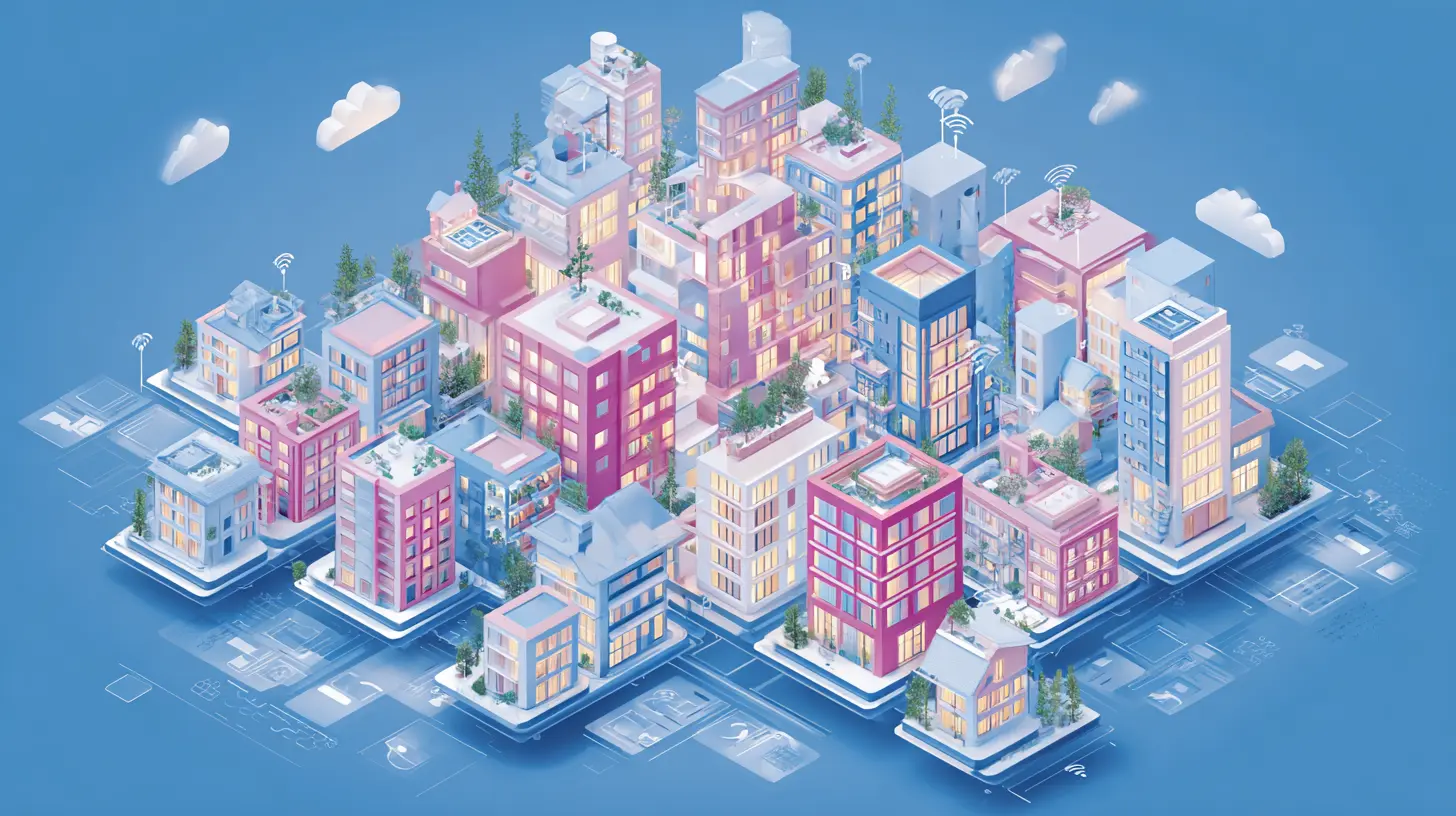
all images in this post were generated using AI tools
Category:
Housing TrendsAuthor:

Elsa McLaurin
Discussion
rate this article
2 comments
Myles Smith
The evolution of smart cities by 2027 could redefine housing affordability and accessibility. Data-driven urban planning may optimize space, but balancing tech integration with community needs remains crucial for sustainable growth.
September 26, 2026 at 12:31 PM
Lorelei McManus
Exciting insights on how smart cities will transform housing!
September 10, 2026 at 10:34 AM
Elsa McLaurin
I appreciate your enthusiasm! Smart cities really have the potential to revolutionize housing in remarkable ways.