Smart Homes on the Rise: What to Expect by 2026
28 April 2026
Let’s be honest—when you hear “smart home,” you probably still picture a guy yelling at a lightbulb that won’t turn on, or a fridge that sends you a passive-aggressive notification about expired milk. We’ve all been there. But here’s the cold, hard truth: the smart home of 2023 is the equivalent of a flip phone in 2007. Clunky, limited, and honestly, a little embarrassing. By 2026? That flip phone turns into an iPhone—and the real estate market is about to get rocked.
If you’re a homebuyer, seller, or just someone who likes to stay ahead of the curve, buckle up. We’re diving into what “smart” really means for your living space in just a few short years. Think of this as your cheat sheet for the future of real estate—no jargon, no fluff, just the sharp, clever reality of where we’re headed.
The Great Shift: From Gadgets to Ecosystems
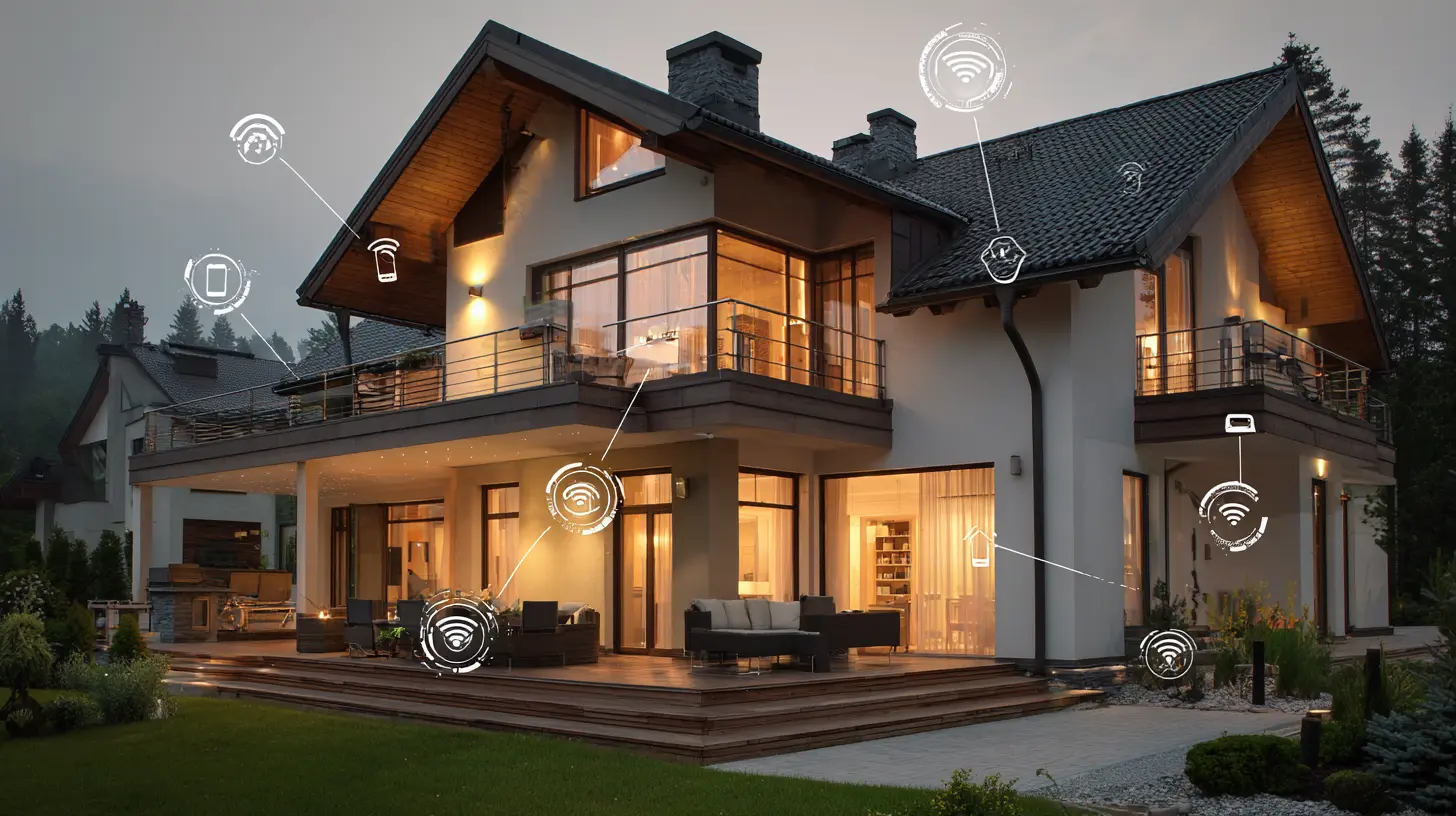
Remember when “smart home” meant buying a $30 plug that you could turn on from your phone? That era is dying—fast. By 2026, we’re moving from isolated gadgets to full-blown ecosystems. Imagine your house not as a collection of devices, but as a single, breathing organism. Your thermostat, lights, locks, blinds, oven, and even your toilet (yes, really) will communicate with each other without you lifting a finger.Why does this matter for real estate? Because buyers are no longer impressed by a smart speaker on the counter. They want a home that anticipates. They want a house that knows when they’re coming home, adjusts the temperature, unlocks the door, and starts brewing coffee—all before they step out of the car. It’s not science fiction; it’s the new baseline.
The analogy? Think of today’s smart homes as a band where each musician plays their own song. By 2026, they’ll be playing the same symphony—and you’re the conductor.
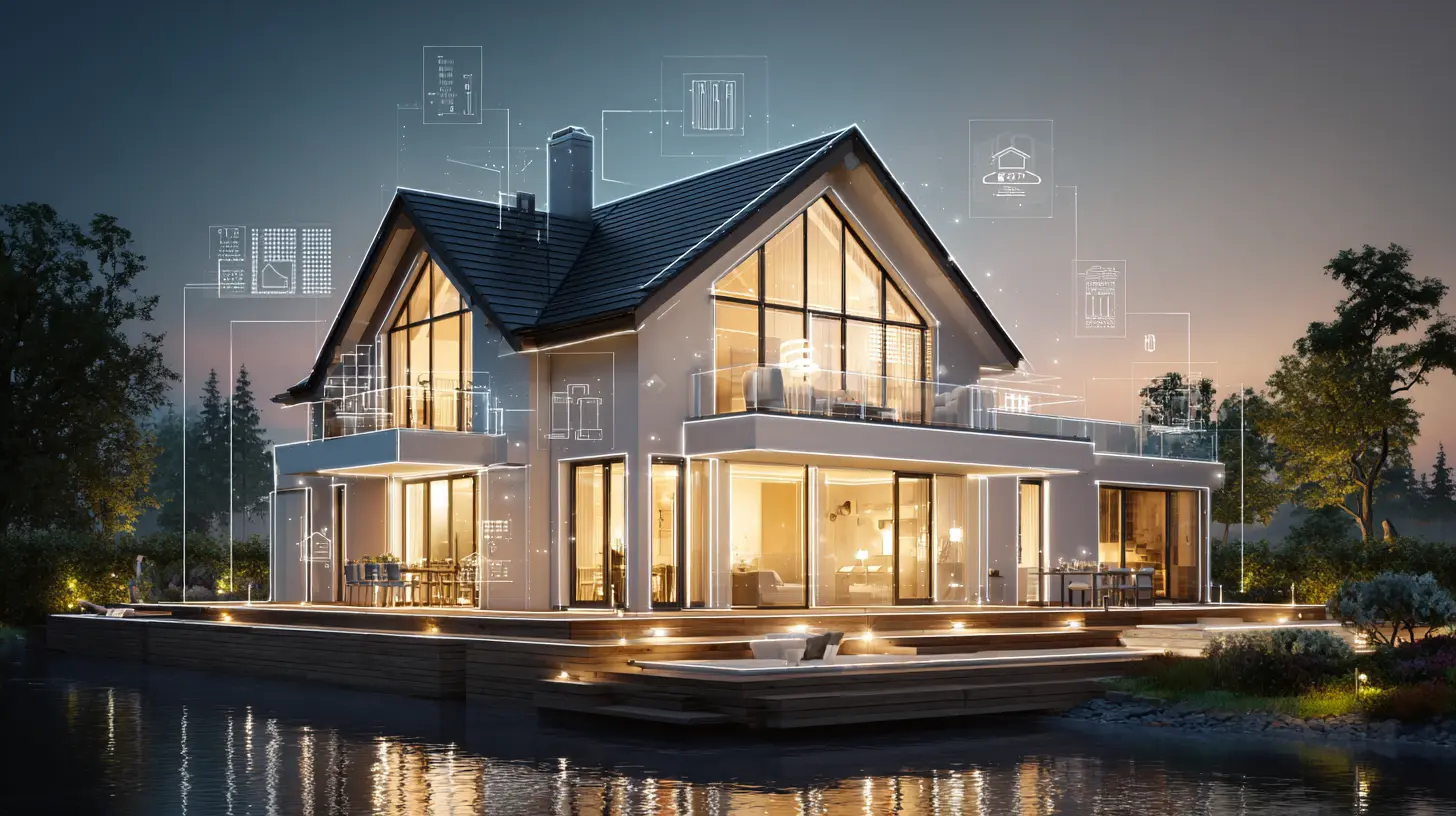
What’s Actually Changing? The Tech That Will Blow Your Mind (and Your Budget)
Let’s get down to brass tacks. What specific technologies are going to dominate the smart home landscape by 2026? And more importantly, how will they affect your property’s value?1. Matter Protocol: The Rosetta Stone of Smart Homes
You’ve probably heard of Zigbee, Z-Wave, Wi-Fi, and Bluetooth—the messy alphabet soup of smart home standards. It’s a nightmare. You buy a smart lock from one brand, and it refuses to talk to your lights from another. Enter Matter.Matter is the universal language for smart home devices. By 2026, it won’t be optional; it’ll be standard. This means every new home built or renovated will have devices that just work together. No more “this works with Alexa but not Google Home” nonsense. For real estate agents and homeowners, this is a massive selling point. A home that’s Matter-compatible is future-proof. It’s like buying a house with a universal power outlet versus one that only works with a specific plug.
Why you should care: If you’re selling a home in 2026, a “Matter-certified” home will command a premium. If you’re buying, you’ll save yourself from the headache of replacing incompatible gadgets every two years.
2. AI That Actually Learns—Not Just Listens
Right now, your smart assistant is basically a glorified search engine. “Alexa, play music.” “Hey Google, set a timer.” It’s reactive. By 2026, AI will be predictive.Imagine this: You come home from work every day at 6 PM. Your smart home doesn’t wait for you to say “turn on the lights.” It learns your pattern. It dims the lights, adjusts the AC, and even starts preheating the oven—based on your habits, not your commands. It’s like having a butler who never sleeps, never complains, and never asks for a raise.
The real estate angle? This isn’t just convenience; it’s energy efficiency. Homes with AI-driven energy management will save homeowners hundreds of dollars a year. That’s a concrete selling point. “This home learns your schedule and cuts your energy bill by 30%.” Try putting that in a listing description.
3. The Rise of the “Health-Conscious” Home
COVID changed how we think about indoor spaces. By 2026, smart homes will go beyond convenience and into health. We’re talking about:- Air quality sensors that automatically adjust ventilation and filtration.
- UV-C light fixtures that sanitize surfaces without you lifting a finger.
- Smart water systems that test for contaminants and alert you in real-time.
Here’s the kicker: These features won’t be luxury add-ons. They’ll be expected, especially in homes marketed to families or older buyers. If your home doesn’t have a basic air quality monitoring system by 2026, it’ll be like showing a house without a smoke detector today.
A sharp metaphor: In 2026, a home without health-smart features is like a car without airbags. Sure, it’ll get you there—but why would you take the risk?
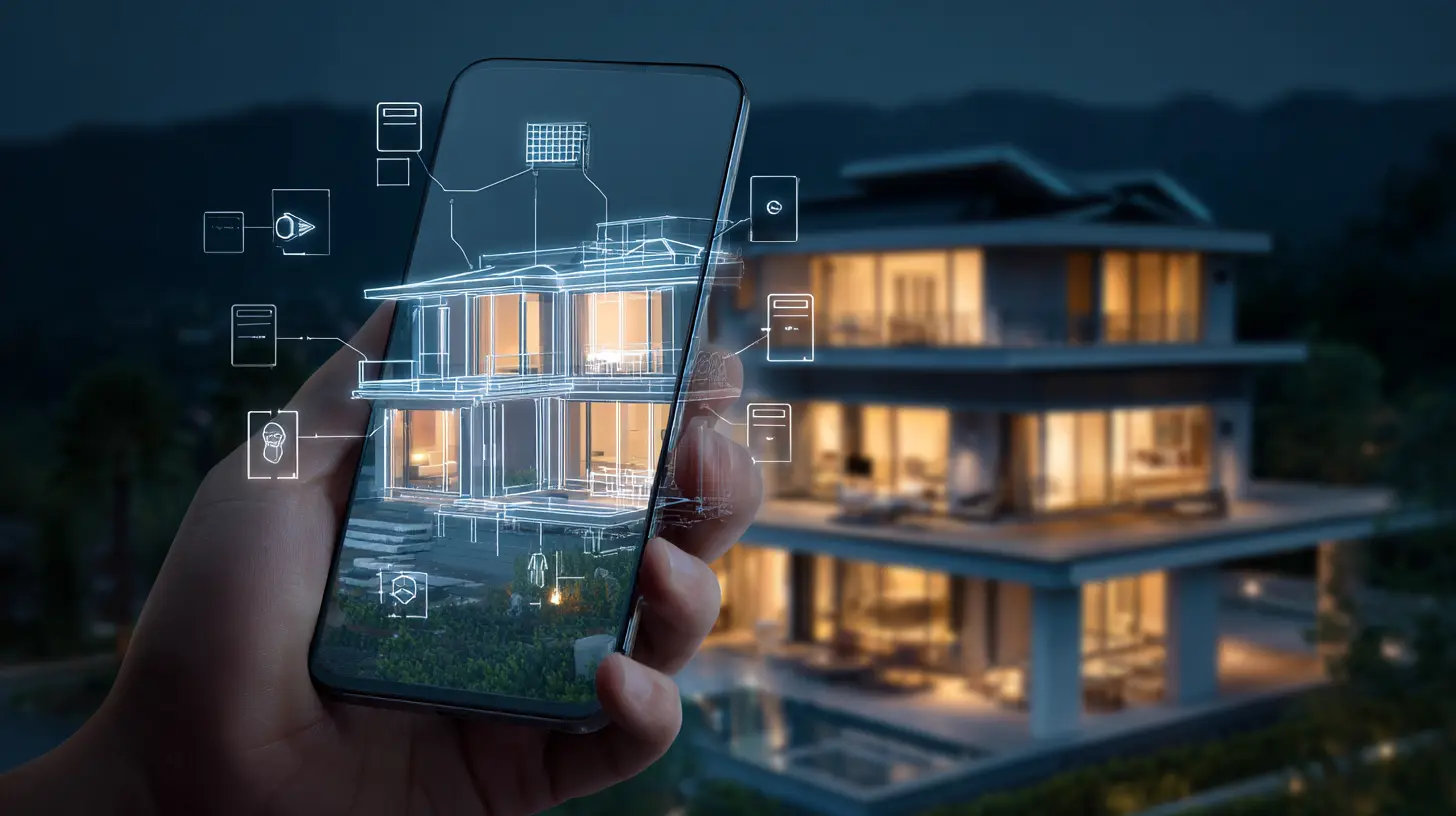
The Real Estate Reality: How Smart Homes Will Change Buying and Selling
Okay, you get the tech. But let’s talk about the money. Because at the end of the day, real estate is about value, ROI, and curb appeal—even if the curb is digital.1. Appraisals Will Get Weird (and Expensive)
Right now, appraisers look at square footage, number of bedrooms, and whether the kitchen has granite countertops. By 2026, they’ll be asking about your home’s “smart score.” Yes, that’s a real thing. Companies are already developing algorithms that rate homes based on their level of automation, security, and energy efficiency.What does this mean for you? If you’re selling, investing in smart upgrades (like a Matter-compatible thermostat, smart locks, and a video doorbell) can directly increase your appraisal value. We’re talking a potential 5-10% bump in some markets. That’s not pocket change.
2. The “Smart Ready” Listing Will Be the New “Move-In Ready”
You know how every listing says “move-in ready” even if the carpet is from 1985? By 2026, “smart ready” will be the new gold standard. Buyers will expect that the home has the wiring, hubs, and infrastructure to support a full ecosystem. No one wants to tear open walls to run Cat6 cable or install smart switches after closing.Here’s the clever part: Savvy sellers will use this as a negotiation tool. “Yes, the kitchen is a bit dated, but it’s fully smart-ready with Matter hubs and pre-wired for solar and EV charging.” That’s a powerful pivot.
3. Security Will Be Non-Negotiable
Let’s face it: The internet is a scary place. As homes get smarter, they also get more vulnerable. By 2026, cybersecurity will be a major selling point for real estate. Buyers will ask: “Is this home’s network encrypted?” “Are the cameras using local storage instead of the cloud?” “Can hackers open my front door?”Homes that offer robust, built-in security—like hardwired systems with offline fail-safes—will be prized. Expect to see “cyber-secure” as a buzzword in luxury listings, and eventually trickle down to mid-range homes.
Rhetorical question time: Would you rather buy a home with a fancy smart lock that can be hacked from a coffee shop, or a home with a physical deadbolt and a secure local network? Exactly.
The Dark Side: What Could Go Wrong by 2026?
Let’s not sugarcoat it. Smart homes aren’t all rainbows and voice-activated curtains. There are real risks that buyers and sellers need to consider.1. Planned Obsolescence Is Real
Tech companies love to make you upgrade. That smart thermostat you bought in 2023 might not be compatible with the new ecosystem in 2026. If you’re buying a home that’s already loaded with smart devices, ask about warranties and update policies. Otherwise, you might inherit a digital paperweight.2. Privacy Nightmares
Your smart home knows when you wake up, when you leave, when you sleep, and even what you eat (thanks, smart fridge). By 2026, this data will be gold—for advertisers, insurance companies, and maybe even your nosy neighbor. Homes that offer “privacy mode” features—like hardware kill switches for microphones and cameras—will be in high demand.3. The “Dumb” House Premium
Here’s a twist: Some buyers will actively seek out “dumb” homes—houses with no smart features. Why? Because they don’t want the complexity, the subscription fees, or the risk of a digital meltdown. This creates a fascinating market split. In 2026, you might see listings that proudly advertise: “No smart features. No subscriptions. Just a house.”The irony? A completely analog home might become a luxury item for the privacy-conscious elite.
What Should You Do Right Now? (Actionable Advice)
You’re not just here for a crystal ball; you want to know what to do today to prepare for 2026. Here’s your shortlist:For Homeowners:
- Start with the basics: Install a smart thermostat, a video doorbell, and a smart lock. These have the highest ROI and are easy to retrofit.- Go Matter-compatible: When buying new gadgets, look for the Matter logo. It’s the only way to ensure they’ll work with future systems.
- Think about infrastructure: If you’re renovating, run Ethernet cables to key rooms. Wireless is great, but hardwired is bulletproof.
For Homebuyers:
- Ask the right questions: “Is this home pre-wired for smart devices?” “What ecosystem does it use?” “Are there any monthly fees for the smart features?”- Don’t overpay for flashy gimmicks: A smart fridge that tweets is cool, but it won’t increase resale value. Focus on security, energy efficiency, and ecosystem compatibility.
- Negotiate for the tech: If the seller has a top-tier smart system, ask for it to stay. It’s cheaper for you than installing it yourself.
For Real Estate Agents:
- Get educated: You need to understand Matter, AI, and cybersecurity basics. Buyers will expect you to answer these questions.- Update your listings: Use terms like “smart-ready,” “Matter-compatible,” and “AI-driven energy management.” It’s the new curb appeal.
- Prepare for appraisals: Learn how smart features impact value and be ready to argue for a higher price.
The Bottom Line: 2026 Is Closer Than You Think
Here’s the thing about the future: It arrives faster than you expect. The smart home of 2026 won’t be about gimmicks; it’ll be about integration, health, security, and value. The homes that win will be the ones that feel less like a collection of devices and more like a living partner.So, is your home ready? Or are you still yelling at that lightbulb?
all images in this post were generated using AI tools
Category:
Housing TrendsAuthor:

Elsa McLaurin
Discussion
rate this article
2 comments
Olympia Gomez
Great insights on the future of smart homes. It's exciting to see how technology will enhance our living spaces. I'm particularly interested in the impact on energy efficiency and home security. Looking forward to seeing how these trends evolve in the coming years.
May 18, 2026 at 4:29 AM
Elsa McLaurin
Thanks for your thoughts! Energy efficiency and security are crucial areas to watch. Exciting times ahead for smart homes!
Tyler Duke
Exciting developments ahead for smart homes... innovation awaits!
May 4, 2026 at 4:44 AM
Elsa McLaurin
Absolutely! The future of smart homes looks promising, and I can't wait to see how these innovations will transform our daily lives. Stay tuned!