The Benefits of Pre-Sale Inspections in a Seller’s Market
21 June 2026
When the real estate market takes a fiery turn into a seller’s paradise, it feels like sellers are in the driver’s seat. Homes are flying off the market, competition is fierce, and buyers are often scrambling to submit offers. It’s easy to assume that as a seller, you can skip certain steps and still sell your property for top dollar. But here’s a little-known secret: even in a seller’s market, a pre-sale inspection can be your golden ticket to maximizing your profits and minimizing headaches.
Think of a pre-sale inspection as the equivalent of taking your car for a tune-up before a big road trip. You wouldn’t want to hit the highway with low tire pressure or a leaking radiator, would you? The same principle applies when selling your home. Let’s dive into why this proactive step is absolutely worth your time (and modest investment) when the market is tilted in your favor.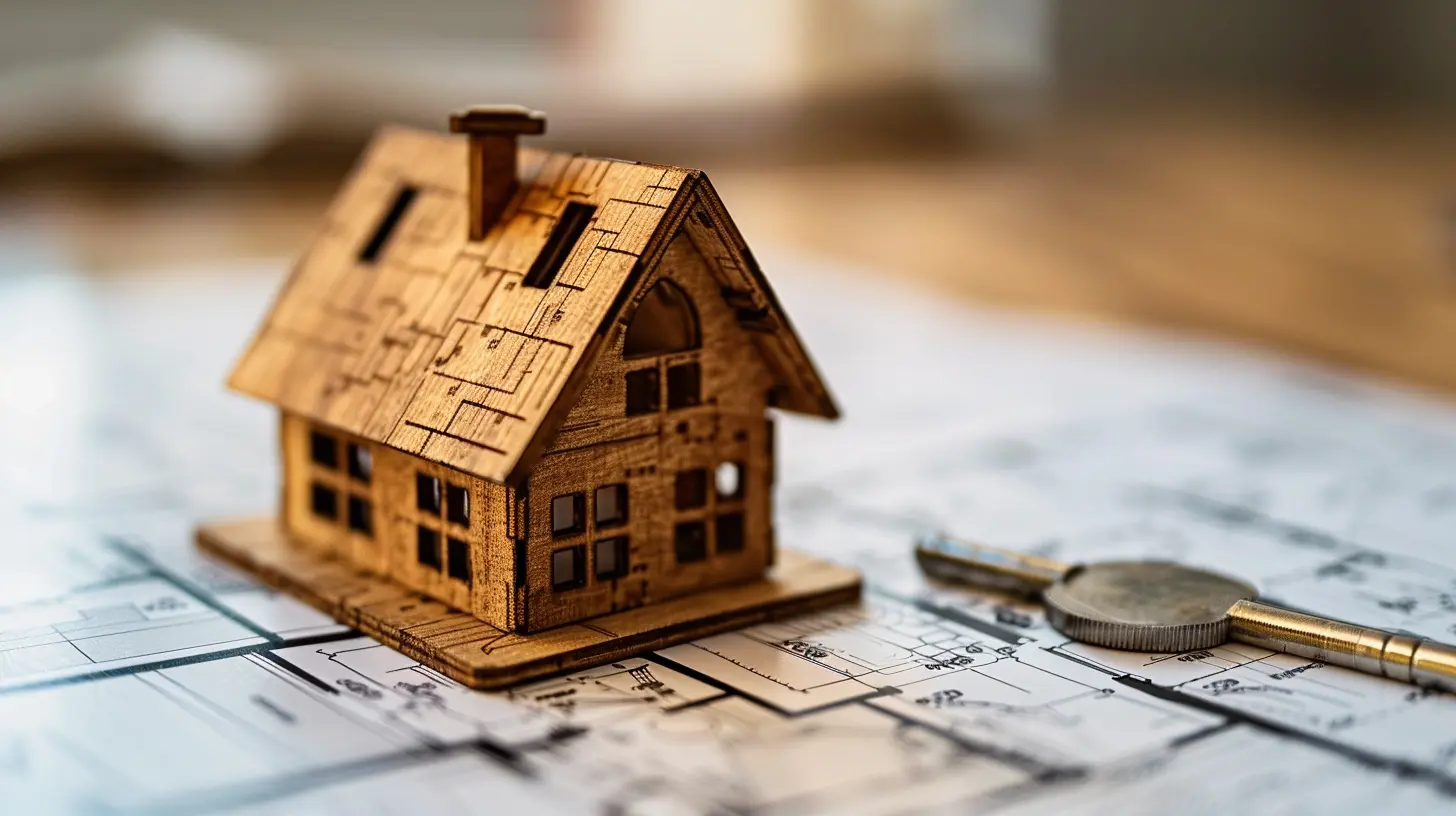
What Is a Pre-Sale Inspection?
First off, let’s get on the same page. A pre-sale inspection is when a seller (that’s you!) orders a home inspection before listing the property for sale. Typically, home inspections are initiated by buyers during the closing process, but flipping the script and doing it upfront can offer you some serious advantages.The inspector checks out all the major systems in the house—think roof, plumbing, electrical, HVAC, foundation, and more. They’ll provide a detailed report highlighting any potential issues. In a nutshell, it’s like giving your house a health check-up before letting it shine in front of potential buyers.
Why Do Pre-Sale Inspections Matter in a Seller’s Market?
1. Eliminate Surprises and Stay in Control
Let’s be real—no one likes surprises, especially when money is on the line. Imagine being in the middle of a heated bidding war, only for the buyer’s inspector to uncover a major foundation issue or leaky roof. Cue the brakes screeching to a halt.By doing a pre-sale inspection, you hold the steering wheel. You’ll know exactly what shape your house is in and can address any problems in advance, preventing last-minute surprises that could derail your sale.
2. Boost Buyer Confidence
Buyers love transparency—it’s like offering them a sneak peek behind the curtain. By providing a pre-sale inspection report, you’re sending the message: "Hey, I’ve got nothing to hide!" This helps buyers feel more confident about making an offer, especially in a competitive market where they might be waiving inspection contingencies to stand out.Think about it this way: Would you buy a used car without knowing its maintenance history? Probably not. A pre-sale inspection is essentially the "Carfax" report for your home.
3. Justify Your Asking Price
In a seller’s market, it’s tempting to price your home high to capitalize on demand. But here’s the catch—you still need to make sure the price is justified. A pre-sale inspection allows you to prove the value of your property, especially if it’s in tip-top shape.Got a brand-new HVAC system? An impeccably maintained roof? No plumbing issues in sight? These are selling points you can flaunt in your listing and during showings.
4. Speed Up the Selling Process
Time is money, especially in real estate. When buyers know upfront that a home has been inspected and any issues have been tackled, it can speed up the entire transaction. That’s because buyers may feel more comfortable skipping contingencies or rushing the closing process.Put yourself in their shoes—why would they want to negotiate over repairs or second-guess their decision when the home is already prepped and ready?
5. Save Money in Negotiations
Here’s the thing about buyer-initiated inspections: They’re often used as leverage to negotiate a lower price. If the buyer discovers a list of repairs, they might ask you to lower your asking price or pay for the fixes.By taking care of issues before listing, you eliminate much of this bargaining power. The result? Your home is less likely to sell for less than what it’s worth. Plus, when you’re the one handling repairs, you can shop around for reasonable pricing instead of rushing to meet buyer demands.
6. Stand Out in the Crowd
Even in a seller’s market, standing out is crucial. A pre-sale inspection report is like a badge of honor that sets your home apart from others on the market. Buyers will notice the extra effort you’ve put in, and it could make all the difference in their decision-making process.Think of it like showing up to a party in a tailored outfit while everyone else is wearing casual jeans. You’re bound to turn heads and leave a lasting impression.
Common Concerns About Pre-Sale Inspections
Now, I know what you’re thinking—what if the inspection uncovers a laundry list of problems? Won’t that make selling harder?Not necessarily. In fact, discovering issues early gives you the chance to control the narrative. Addressing repairs upfront not only strengthens your position but also avoids the "shock factor" when buyers perform their own inspections (if they don’t waive contingencies altogether).
Another common concern is cost. A pre-sale inspection typically costs between $300 and $500, depending on the size and location of your home. Sure, it’s an upfront expense, but when you consider the potential savings during negotiations and the likelihood of a quicker sale, it’s money well spent.
What to Do After the Inspection
Once you’ve received your inspection report, take a deep breath and go through it carefully. You’ll likely see a list of recommended fixes—some minor, some major. Prioritize repairs that could scare off buyers, like structural issues, water damage, or outdated electrical systems.For minor repairs, you can either handle them yourself or leave them as-is and be honest with buyers about the findings. Transparency is key. And if you’ve already addressed the major issues, buyers are likely to overlook the small stuff.
Wrapping It Up
In a seller’s market, it’s tempting to think your home will sell itself. And while it’s true that demand works in your favor, taking a proactive approach with a pre-sale inspection can make a world of difference. You’ll eliminate surprises, build buyer trust, and breeze through negotiations—all while maximizing your profits.Remember, selling a home isn’t just about slapping a "For Sale" sign on your front lawn and crossing your fingers. It’s about showing buyers why your property is worth every penny of the asking price. A pre-sale inspection is your secret weapon to make that happen. So, why not give yourself the edge?
all images in this post were generated using AI tools
Category:
Sellers MarketAuthor:

Elsa McLaurin
Discussion
rate this article
1 comments
Sandra Clark
Pre-sale inspections can really give sellers an edge in a competitive market. They build trust with buyers and can help avoid surprises down the line. Great insights!
June 21, 2026 at 4:07 AM
Elsa McLaurin
Thanks for your comment! I'm glad you found the insights valuable. Pre-sale inspections can definitely enhance buyer trust and streamline the selling process.