The Emergence of Digital Twins in Property Management
29 January 2026
The real estate industry is evolving at breakneck speed, and one of the most exciting advancements in recent years is the rise of digital twins in property management. What once seemed like a concept straight out of a science fiction movie is now becoming a game-changer for how properties are monitored, maintained, and optimized.
But what exactly is a digital twin, and why is it revolutionizing property management? Let’s dive in and break it all down in a way that makes sense, even if you're not a tech guru.
What is a Digital Twin?
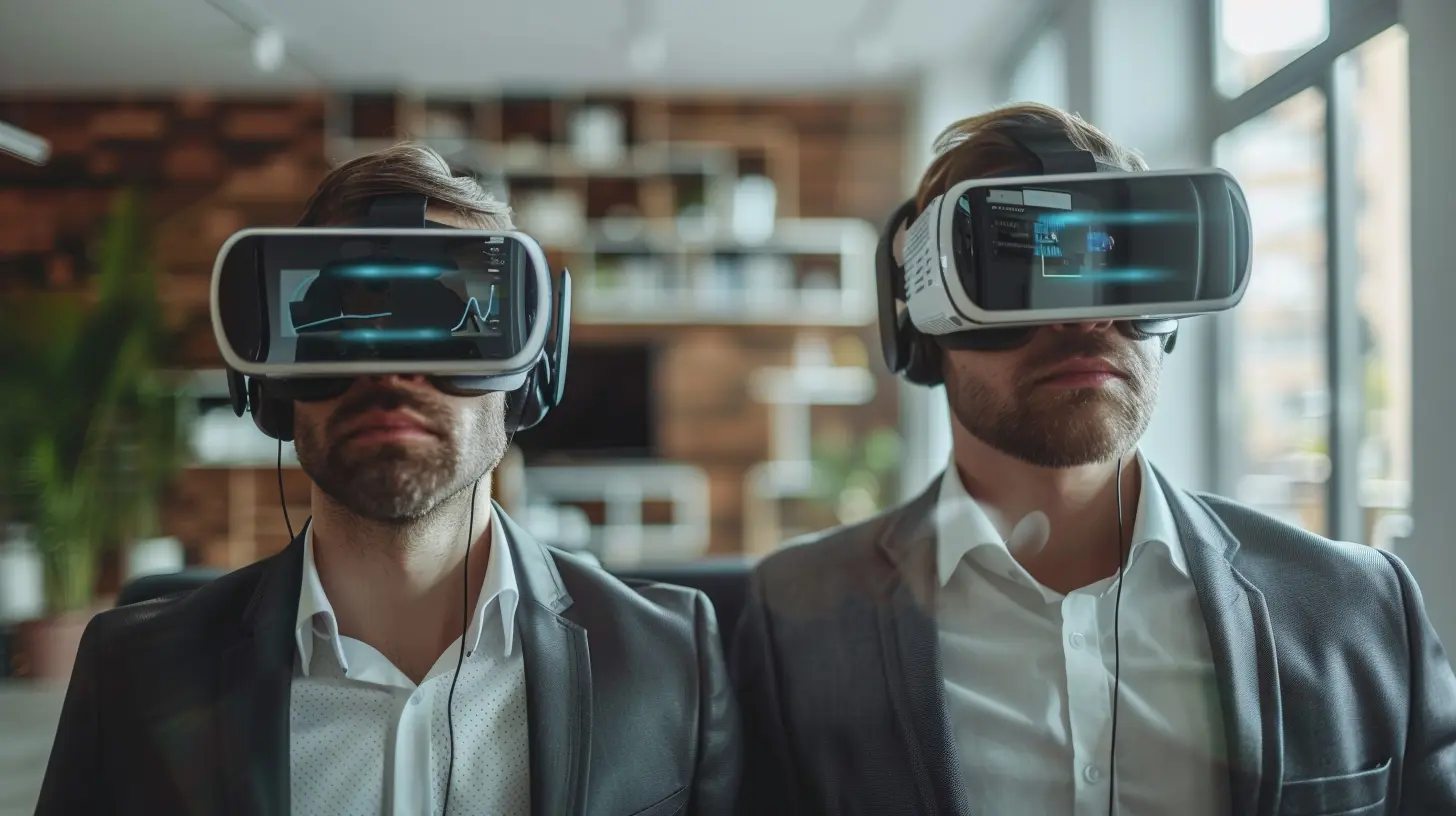
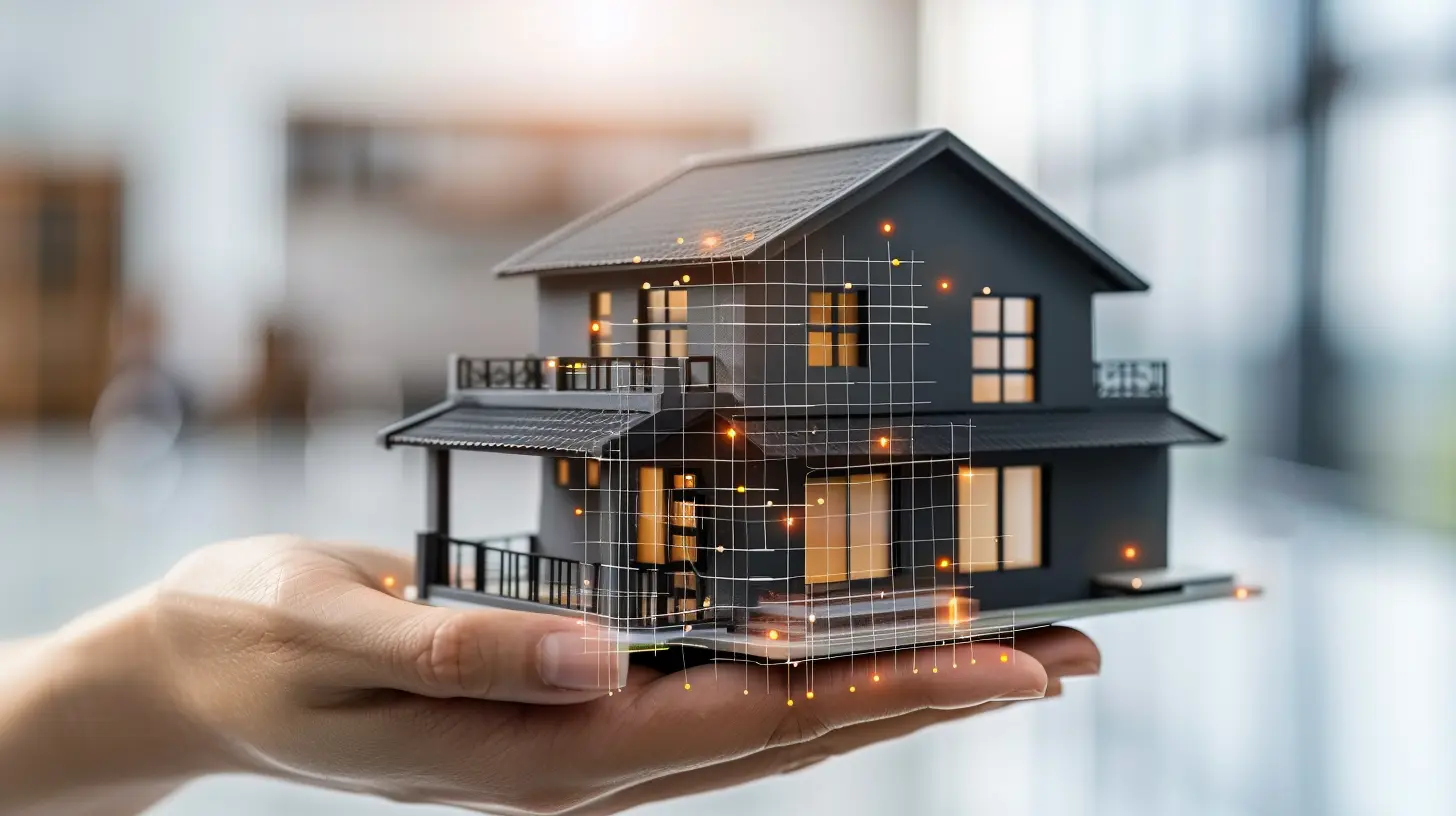
Imagine having a real-time, virtual replica of your property that mirrors everything happening in the physical world. That’s essentially what a digital twin is—a virtual model of a building that updates in real-time using data from sensors, IoT devices, and historical records.Think of it like a living, breathing blueprint that constantly evolves alongside the actual property. It helps landlords, property managers, and even tenants better understand the building’s performance, anticipate maintenance needs, and improve efficiency.
How Digital Twins Are Changing Property Management
Property management has always been about juggling multiple responsibilities—maintenance, energy management, tenant satisfaction, security, and more. But with digital twins, things are becoming a whole lot smarter and more efficient. Here’s how:1. Real-Time Monitoring and Predictive Maintenance
One of the biggest headaches for property managers? Unexpected repairs. A leaking pipe, a faulty HVAC system, or a failing elevator can cause major disruptions.With digital twins, property managers can monitor systems in real-time and predict when maintenance is required before a problem even arises. By analyzing data from sensors, the digital twin can alert managers to potential failures, allowing them to schedule repairs before issues become costly emergencies.
2. Optimizing Energy Efficiency
Energy costs are a significant concern for both property owners and tenants. A digital twin can provide real-time data on energy consumption, identifying which systems are using the most power and where energy is being wasted.For instance, if an office building’s heating system is running at full capacity even when only a few employees are present, the digital twin can suggest adjustments. This helps cut down on energy bills, reduces carbon footprints, and makes buildings more environmentally sustainable.
3. Enhanced Space Utilization
Commercial and residential properties often suffer from inefficient space usage. With digital twins, property managers can track how spaces are being used and optimize layouts accordingly.For example, if a company rents office space but notices that certain meeting rooms are rarely occupied, they might decide to downsize or reconfigure the space to improve efficiency. This kind of insight can lead to better tenant experiences and cost savings.
4. Better Decision-Making for Property Development
For real estate developers, digital twins offer a new level of insight during the planning phase. By running simulations, they can evaluate various design choices and predict how environmental factors, such as sunlight and wind patterns, will affect a building’s efficiency.Instead of relying on traditional architectural blueprints, developers can test different materials, layouts, and designs virtually, reducing construction errors and unexpected costs.
5. Improved Tenant Experience
Let’s face it—happy tenants are the backbone of successful property management. Digital twins allow property managers to provide a more personalized and efficient tenant experience.For instance, smart buildings equipped with digital twins can:
- Adjust heating, lighting, and air conditioning based on tenant preferences.
- Provide quicker maintenance response times by detecting issues early.
- Enhance security measures, with automated surveillance and access control systems.
6. Disaster Management and Risk Reduction
Natural disasters, fires, and infrastructure failures can spell disaster for property owners. Digital twins help mitigate risks by simulating emergency scenarios and optimizing response strategies.For example, in the event of a fire, building managers can use the digital twin to see how smoke will spread, which exits are safest, and how emergency response teams should navigate the space. This level of preparedness can save lives and minimize property damage.

The Role of AI and IoT in Digital Twins
So, how do digital twins get all this real-time intelligence? The secret ingredients are Artificial Intelligence (AI) and the Internet of Things (IoT).- IoT devices—like smart thermostats, motion sensors, and security cameras—collect real-world data and feed it into the digital twin.
- AI-driven analytics interpret this data, learning from past incidents to make accurate predictions and recommendations.
The combination of these technologies allows digital twins to continuously evolve, making buildings smarter and more adaptive over time.

Challenges in Adopting Digital Twins
While digital twins offer incredible benefits, they’re not without challenges. Some of the key hurdles that property managers and developers face include:1. High Initial Investment
Setting up a digital twin involves substantial upfront costs, including sensor installation, cloud infrastructure, and AI-driven analytics tools. However, the long-term savings on maintenance and energy efficiency often outweigh the initial investment.2. Data Privacy Concerns
With so much real-time data being collected, privacy and security risks can’t be ignored. Property managers must ensure that sensitive tenant information and building data are secure and comply with regulations like GDPR or CCPA.3. Learning Curve for Property Managers
Not every property manager is tech-savvy. Transitioning from traditional management methods to a data-driven digital twin approach requires training and a willingness to embrace technology.4. Integration with Existing Systems
Many buildings operate on legacy systems that may not seamlessly integrate with modern IoT and AI technologies. Overcoming this compatibility issue often requires custom software solutions and upgrades.The Future of Digital Twins in Real Estate
Digital twins are still in their early stages, but they hold immense potential for transforming property management. As technology advances, we can expect:- More affordable solutions, making digital twins accessible for smaller property owners.
- Better AI and machine learning capabilities for even smarter decision-making.
- Wider adoption across residential, commercial, and industrial properties.
The future is digital, and real estate is no exception. Those who embrace digital twins now will be at the forefront of an industry that’s becoming smarter, more efficient, and tenant-friendly.
Final Thoughts
The emergence of digital twins in property management is more than just a trend—it’s the future of real estate. Whether you’re a property owner, manager, or tenant, the impact of this technology is undeniable.From predictive maintenance to energy savings and better tenant experiences, digital twins are changing the game. Sure, there are challenges, but as technology advances, these barriers will become easier to overcome.
So, what does all this mean for you? If you're in the real estate business, it might be time to start thinking about how digital twins can benefit your properties. The sooner you adopt this cutting-edge technology, the bigger the advantage you'll have in the rapidly evolving real estate landscape.
all images in this post were generated using AI tools
Category:
Real Estate TechnologyAuthor:

Elsa McLaurin
Discussion
rate this article
2 comments
Quentin Wallace
Great article! The exploration of digital twins in property management is truly fascinating. Excited to see how this technology enhances efficiency and transforms the industry. Keep up the insightful work!
February 24, 2026 at 11:49 AM
Elsa McLaurin
Thank you for your kind words! I'm glad you found the article insightful. Exciting times ahead for digital twins in property management!
Chantal Hall
Digital twins in property management? Finally, a way for my landlord to experience my complaints in 3D! Just wait until my virtual self starts sending him virtual rent reminders!
January 29, 2026 at 5:04 AM
Elsa McLaurin
That's a creative perspective! Digital twins can definitely enhance communication and understanding between landlords and tenants. Imagine the possibilities!