The Environmental Factors First-Time Buyers Should Consider
5 December 2025
Buying your first home is one of the most exciting yet nerve-wracking experiences in life. It’s easy to get caught up in the aesthetics—the granite countertops, hardwood floors, and open-concept layouts. But beyond the charm and curb appeal, have you thought about the environmental factors that could impact your home’s long-term value and livability?
Ignoring environmental considerations could mean unexpected costs, health hazards, or problems that affect your daily life. So, before you sign on the dotted line, let’s talk about the key environmental factors first-time homebuyers should pay attention to.
1. Location, Location… and Environment
We’ve all heard that location is king in real estate, but it's not just about proximity to work, schools, or entertainment. The local environment plays a huge role in your home's future value and your quality of life.- Risk of Natural Disasters – Is the area prone to flooding, earthquakes, wildfires, or hurricanes? These disasters don’t just damage homes but can also increase insurance costs substantially. Check FEMA flood maps, state seismic zones, and historical wildfire data before settling in.
- Air Quality – Poor air quality can lead to respiratory issues. If you're moving to an area with industrial activity, heavy traffic, or frequent wildfires, check the air quality index (AQI).
- Water Availability & Quality – Some regions struggle with droughts and water restrictions. Check the local water supply and whether the area has had contamination issues in the past.
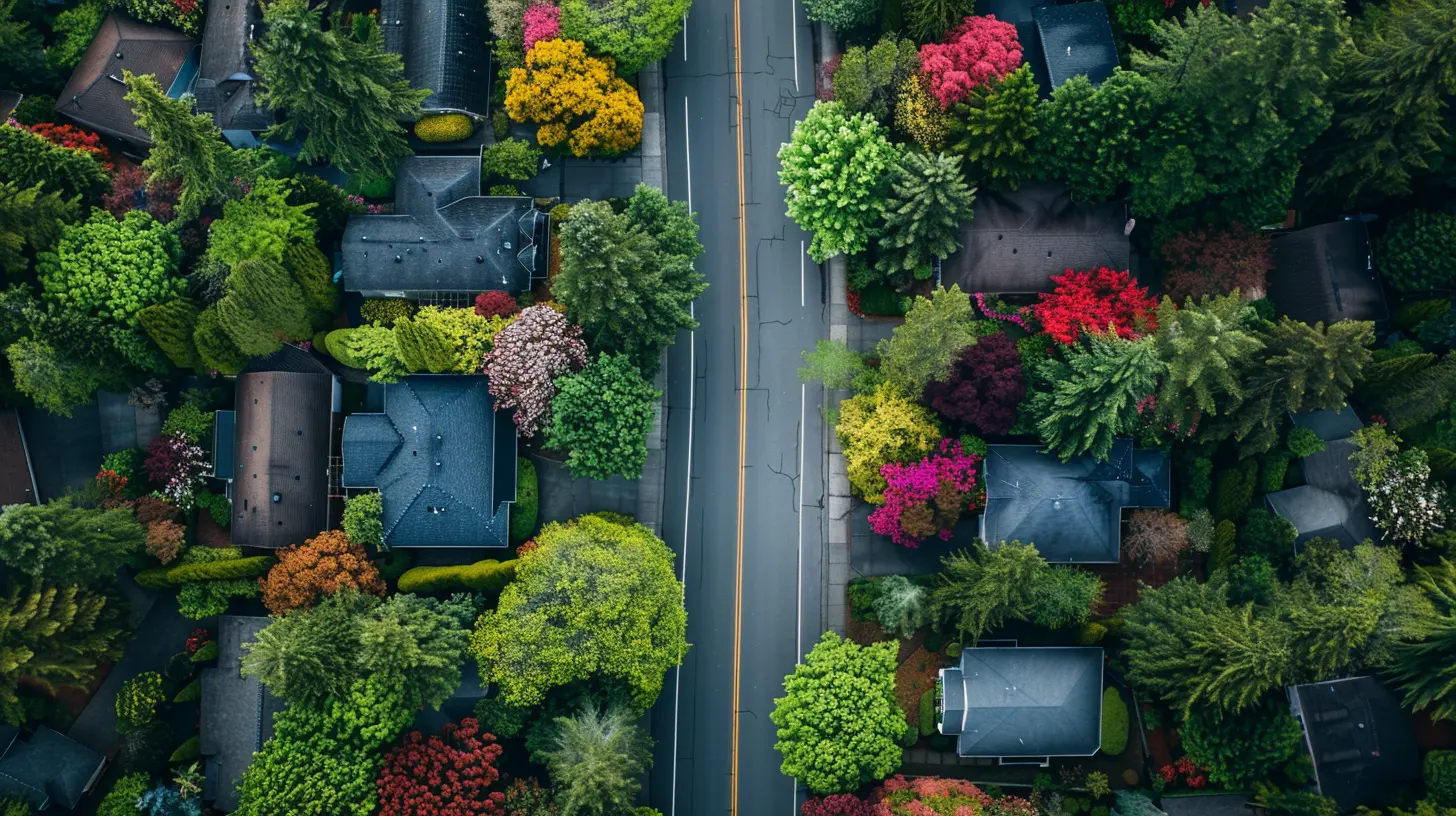
2. Soil and Foundation Stability
Ever heard of sinkholes swallowing entire homes? It’s not just a horror story—unstable soil can lead to serious structural damage.- Expansive Clay Soil – Some soils expand and contract dramatically with moisture changes, causing foundation issues over time.
- History of Land Use – Was the neighborhood built on an old landfill or industrial site? If so, there could be contamination risks.
- Radon Levels – Radon is a naturally occurring radioactive gas that seeps up from the ground. Long-term exposure can cause lung cancer, so always test your future home before buying.
3. Climate and Energy Efficiency
Energy efficiency isn’t just about being eco-friendly—it saves you money! Depending on the climate, different homes will have distinct advantages and challenges.- Heating & Cooling Costs – A home in a hot climate without proper insulation or energy-efficient windows will cost a fortune to keep cool. Likewise, a drafty home in a cold region will eat up your heating budget.
- Solar Potential – If you're interested in renewable energy, check how much sunlight the area gets. Some neighborhoods even have incentives for installing solar panels.
- Extreme Temperature Risks – Some areas experience extreme heat, cold, or humidity that can impact home materials, mold growth, and even the lifespan of your roof.
4. Noise Pollution and Light Pollution
Imagine moving into what you thought was a peaceful neighborhood only to find that planes fly overhead every 15 minutes, or that the streetlights keep your bedroom glowing at night.- Traffic and Industrial Noise – Living near a highway, train tracks, or an airport can mean dealing with constant noise. It’s not just annoying—it can actually impact your health.
- Light Pollution – If you love stargazing, avoid areas with excessive artificial lighting. Bright city lights can also affect sleep quality.
- Neighborhood Activity – Some areas become loud at night due to bars, stadiums, or nightlife. Visit the neighborhood at different times of the day to get a true feel for the noise levels.
5. Green Spaces and Air Quality
Ever notice how refreshing it feels to walk through a park or a tree-lined neighborhood? That’s not just in your head—green spaces improve mental health, air quality, and even property values.- Proximity to Parks and Green Spaces – Homes near parks or green belts tend to have higher resale values and provide a better quality of life.
- Tree Cover – Trees act as natural air filters, provide shade, and even help reduce energy costs in hot climates.
- Industrial Zones Nearby – Too much concrete and not enough greenery can contribute to higher heat levels and poor air quality.
6. Potential Health Hazards
Environmental health hazards can be invisible threats lurking in your future home. Some issues may not be immediately obvious but could have lasting health consequences.- Mold and Moisture – Mold thrives in damp environments and can cause respiratory problems. Check the home for leaks, water damage, and signs of past mold issues.
- Lead and Asbestos – Older homes may contain lead-based paint or asbestos insulation, both of which can be hazardous if disturbed. A professional inspection is a must.
- Pesticide and Chemical Exposure – If your dream home is near farmlands, consider that pesticides and herbicides can sometimes contaminate local water sources.
7. Transportation and Walkability
A home’s environmental footprint isn’t just about the building itself—it’s also about how you get around.- Walkability Score – Can you walk to grocery stores, schools, or cafes? Living in a walkable area can reduce your need for a car and lower transportation costs.
- Public Transportation Access – Good transit options not only save you money but also reduce carbon emissions.
- Traffic Congestion – If you're near a major road, daily commutes may be stressful, and air pollution levels could be higher.
8. Future Development and Zoning Changes
That quiet neighborhood might not stay quiet forever. A new freeway, shopping center, or industrial site could drastically alter the landscape of the area.- Planned Developments – Check city planning documents to see if any big projects are coming up.
- Gentrification and Rising Costs – Some areas are rapidly changing—great for investment, but it could mean rising property taxes and living costs.
- Environmental Protections – Some places have strict zoning laws that preserve green spaces, while others might allow for industrial expansion.
9. Sustainable Community Efforts
If sustainability matters to you, consider how environmentally conscious the community is.- Recycling and Waste Management – Does the city have a good recycling program?
- Community Gardens and Farmers' Markets – Access to fresh, local food is a huge plus.
- Eco-Friendly Policies – Some towns promote solar energy, water conservation, and energy-efficient developments.
Final Thoughts
Buying a home is about more than just finding a place that looks good—it's about ensuring it’s in an environment where you can thrive. Environmental factors can impact your finances, health, and overall happiness in ways you may not have considered.So, before you jump into homeownership, take the time to research the climate, air quality, noise levels, and future development plans of your desired location. The perfect house isn’t just the one with the trendy kitchen—it’s the one that fits into a sustainable, safe, and comfortable environment for years to come.
all images in this post were generated using AI tools
Category:
First Time Home BuyersAuthor:

Elsa McLaurin
Discussion
rate this article
2 comments
Ace Hurst
Interesting insights! How do community vibes impact home choices?
December 6, 2025 at 4:18 AM
Elsa McLaurin
Community vibes play a crucial role in home choices by influencing a sense of belonging, safety, and overall lifestyle preferences, ultimately guiding buyers towards neighborhoods that align with their values and social needs.
Corin Warren
Great article! It's essential for first-time buyers to prioritize environmental factors when choosing a home. A sustainable location not only benefits the planet but also enhances long-term value. Well done!
December 5, 2025 at 11:37 AM
Elsa McLaurin
Thank you for your kind words! I'm glad you found the article helpful. Prioritizing sustainability is indeed crucial for both the planet and long-term investment.