The Financial Implications of Buying a Fixer-Upper
17 October 2026
Buying a fixer-upper is one of the few real estate strategies where the math can work spectacularly in your favor, or quietly destroy your budget before the first coat of paint dries. The difference between those two outcomes rarely comes down to luck. It comes down to understanding the financial mechanics before you make an offer, not after.
This article breaks down what a fixer-upper actually costs, where the hidden expenses live, how financing differs from a standard home purchase, and how to decide whether a specific property is a smart investment or a money pit with good bones.

What Counts as a Fixer-Upper
The term gets used loosely. A house that needs new carpet and paint is not the same as a house with a failed foundation and knob-and-tube wiring. Before you run any numbers, categorize the property honestly.Cosmetic fixers need surface-level work: paint, flooring, fixtures, landscaping, minor updates. These are the lowest-risk properties because the scope is predictable and the work rarely uncovers structural surprises.
Systems fixers need major mechanical or structural components replaced: roof, HVAC, plumbing, electrical panel, windows. Costs are higher and more variable, but they are still largely quantifiable through inspection.
Structural or distressed fixers have foundation problems, water intrusion, mold, fire damage, or code violations. These properties can be profitable, but they demand deep expertise, larger cash reserves, and a tolerance for uncertainty that most first-time buyers do not have.
The category determines almost everything that follows: your financing options, your renovation budget, your timeline, and your exit strategy.
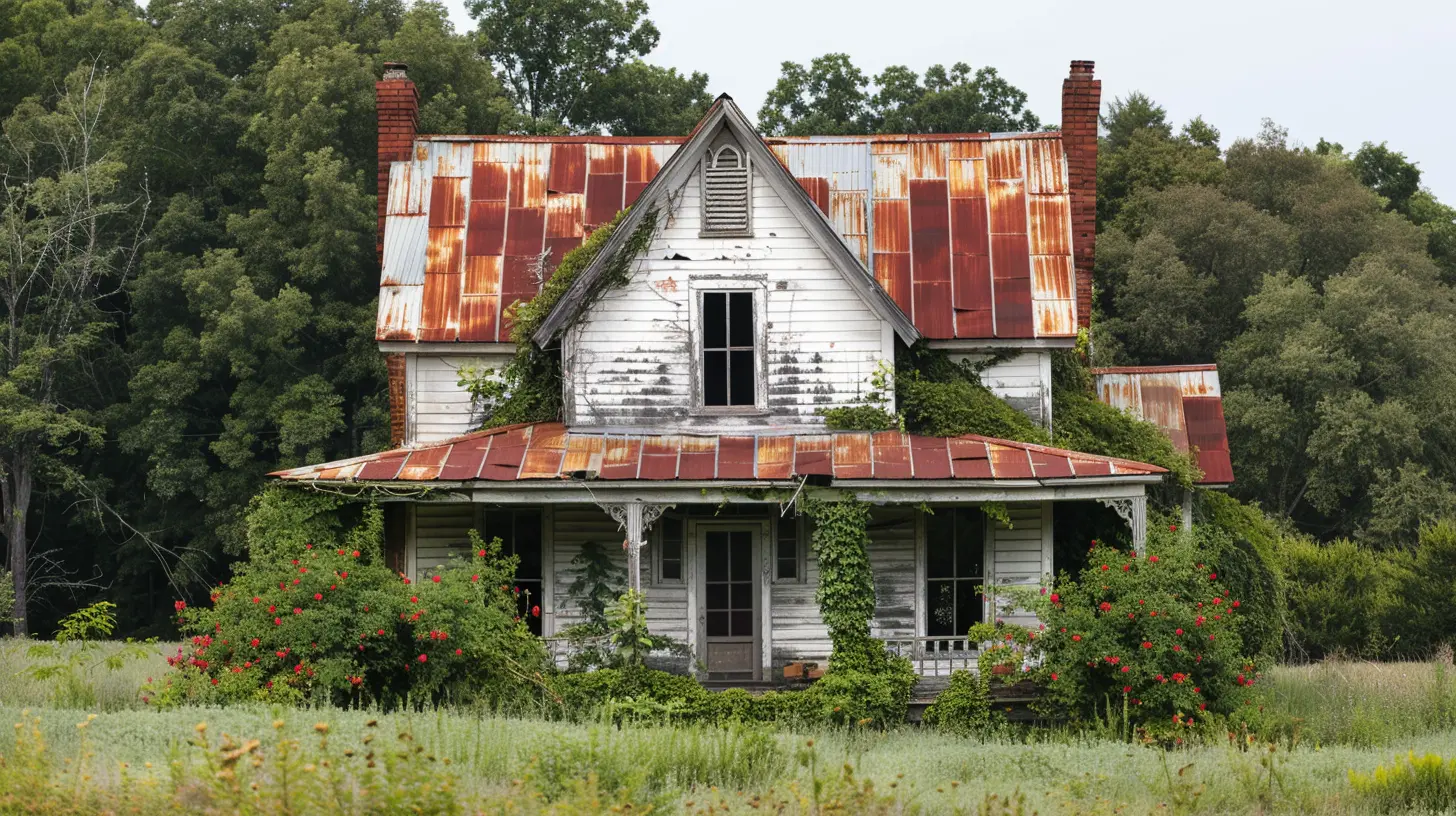
Why the Purchase Price Is Only the Starting Point
The single most common financial mistake buyers make is treating the listing price as the cost of the house. It is not. It is the entry fee.Your true cost basis includes:
- Purchase price
- Closing costs (typically 2 to 5 percent of the loan amount)
- Inspection and appraisal fees
- Renovation costs, including materials, labor, permits, and dumpsters
- Carrying costs during the renovation (mortgage payments, taxes, insurance, utilities)
- Contingency reserves for surprises
- The cost of your own time, if you are managing or doing the work
A house listed at $250,000 that needs $60,000 in work does not cost $250,000. It costs somewhere between $320,000 and $360,000 once everything is accounted for, and possibly more if the renovation runs long.
This is why fixer-uppers fail financially. Buyers budget for the visible problems and get blindsided by the invisible ones.

Renovation Cost Realities
Contractor pricing varies enormously by region, material quality, and market conditions. Rather than quoting precise figures that will be wrong in your market, here is how to think about cost categories and their relative weight.Kitchens and bathrooms consume a disproportionate share of any renovation budget. They involve plumbing, electrical, cabinetry, countertops, tile, and fixtures all in one room. A mid-range kitchen remodel can easily exceed the cost of a new roof. If a fixer-upper needs both, you are looking at a serious capital outlay.
Roofs, HVAC, and windows are high-ticket items with relatively predictable pricing. Get three quotes. These are also the items where deferring maintenance causes cascading damage, so they often cannot wait.
Electrical and plumbing are where older homes hide expensive surprises. Replacing a panel is one thing. Rewiring a house with knob-and-tube wiring is another. Replacing galvanized pipes that are corroding from the inside is another. These systems are behind walls, which means the cost includes opening and closing those walls.
Foundations and structural work are the wild card. A foundation repair can range from a few thousand dollars for minor crack injection to tens of thousands for pier and beam work or full replacement. Until a structural engineer evaluates the property, any number you hear is a guess.
Permits and inspections add cost and time. Some jurisdictions are fast and inexpensive. Others are slow and bureaucratic. Factor both the fees and the delays into your plan.
The practical takeaway: get contractor estimates before you waive your inspection contingency, not after. A general contractor walkthrough costs far less than a mistake.

Financing a Fixer-Upper
Standard mortgage financing assumes the house is habitable and in reasonable condition. A property with a failing roof, no working kitchen, or exposed wiring will not qualify for a conventional loan as-is. This changes your options.Conventional Loans
Fannie Mae's HomeStyle Renovation loan and similar programs let you borrow against the after-repair value of the home, rolling renovation costs into the mortgage. The appeal is obvious: one loan, one closing, and you finance the work at mortgage rates rather than credit card rates.The trade-offs are real. These loans require detailed contractor bids, a licensed contractor, and additional paperwork. Timelines are longer. Not every lender offers them, and those that do may have higher fees.
FHA 203(k) Loans
The FHA 203(k) program serves a similar purpose with lower credit and down payment requirements. The limited version covers cosmetic and minor repairs up to a capped amount. The standard version covers structural work but requires a HUD consultant to oversee the project, which adds cost and oversight.These loans work well for owner-occupants with limited capital. They work poorly for investors who need speed and flexibility.
Hard Money and Private Lenders
Hard money loans are short-term, high-interest, and asset-based. They fund fast and do not care much about your credit score, which makes them popular among house flippers. The cost is steep: interest rates well above conventional loans, plus points and fees.Hard money makes sense when speed and certainty matter more than cost, typically on properties you intend to sell within a year. It makes little sense for a long-term hold.
Cash
Cash is the most flexible option and often the only way to win a competitive bid on a distressed property. It eliminates financing contingencies, speeds up closing, and gives you full control over the renovation timeline. The downside is opportunity cost. Every dollar in the renovation is a dollar not invested elsewhere.If you have the capital, paying cash for the purchase and financing the renovation separately can be a reasonable middle path.
The Refinance Exit
Many buyers purchase with cash or hard money, complete the renovation, then refinance into a conventional loan based on the new appraised value. This is the classic BRRRR strategy: buy, rehab, rent, refinance, repeat.It works when the renovation adds more value than it costs. It fails when the market softens, the appraisal comes in low, or the renovation overruns. Do not assume the refinance will bail you out. Underwrite the deal so it works even if the refinance is delayed or smaller than expected.
The After-Repair Value Calculation
After-repair value, or ARV, is the estimated market value of the property once renovations are complete. It is the anchor for every fixer-upper decision.To estimate ARV, find comparable homes in the same neighborhood that have already been renovated and sold recently. Adjust for differences in size, layout, lot, and finishes. Be conservative. Optimistic ARV estimates are how investors end up underwater.
A common rule of thumb among flippers is the 70 percent rule: do not pay more than 70 percent of ARV minus repair costs. So a house with an ARV of $400,000 and $60,000 in repairs should be purchased for no more than $220,000.
This rule is a starting point, not a law. In competitive markets, 70 percent may be unrealistic. In slow markets, you may find deals at 60 percent. The underlying logic holds: you need a margin of safety to cover holding costs, selling costs, and the inevitable surprises.
For owner-occupants who plan to live in the home, the calculation is different. You are not trying to profit on resale. You are trying to build equity and get a home you want at a price you can afford. The math still matters, but the timeline is longer and the margin can be thinner.
Carrying Costs and the Time Value of Money
Renovations take longer than planned. This is not pessimism. It is a near-universal experience. Materials get delayed. Contractors get pulled to other jobs. Inspections reveal new problems. Permits take weeks longer than expected.Every week of delay costs money:
- Mortgage interest continues to accrue
- Property taxes come due regardless
- Insurance must be maintained, and vacant or under-construction properties often require specialized policies at higher premiums
- Utilities, security, and lawn care add up
- If you are renting elsewhere, you are paying two housing costs
A renovation that runs three months over schedule can easily add several thousand dollars in carrying costs. Build this into your budget from the start.
The Hidden Costs Nobody Talks About
Beyond the obvious line items, fixer-uppers carry costs that rarely appear in blog posts or contractor bids.Code compliance. Older homes are often grandfathered into outdated codes, but once you pull permits, you may be required to bring entire systems up to current standards. A simple bathroom remodel can trigger a requirement to upgrade the electrical panel or add GFCI outlets throughout.
Asbestos and lead paint. Homes built before 1978 may contain lead paint. Homes built before the 1980s may contain asbestos in flooring, insulation, or popcorn ceilings. Abatement is expensive and regulated. Testing before you buy is worth the cost.
Environmental issues. Radon, mold, underground oil tanks, and septic problems can turn a manageable project into a financial disaster. These are not always visible during a standard inspection.
Insurance complications. Vacant or under-construction homes are harder to insure. Some carriers will not write policies at all. Those that will charge significantly more.
Permit fees and impact fees. Some jurisdictions charge impact fees for certain improvements. Others require expensive engineering or survey work before issuing permits.
Your own time. If you are managing the project, you are working a second job. If you are doing the work yourself, you are trading your evenings and weekends for labor savings. That trade is sometimes smart and sometimes a false economy, especially when a mistake costs more to fix than a professional would have charged.
When a Fixer-Upper Makes Financial Sense
A fixer-upper is a strong financial decision when several conditions align:- You can buy at a meaningful discount to ARV
- The renovation scope is well understood and mostly cosmetic or mechanical
- You have a contingency reserve of at least 15 to 20 percent of the renovation budget
- You have the time and temperament to manage the project, or the budget to hire someone who can
- You plan to hold the property long enough to recover transaction costs
- The neighborhood supports the renovated value you are targeting
That last point matters more than most buyers realize. You cannot renovate a house beyond what the neighborhood will support. A $500,000 renovation in a $250,000 neighborhood produces a $300,000 house and a $200,000 loss.
When It Does Not
A fixer-upper is a poor financial decision when:- The renovation scope is unclear or depends on deferred inspection findings
- You have no reserve for surprises
- You need to move in within a tight timeline
- The property has structural, environmental, or title problems you do not fully understand
- The numbers only work if everything goes perfectly
- You are emotionally attached to a specific house
That last point is worth emphasizing. Fixer-uppers reward discipline and punish attachment. If you cannot walk away from a deal that does not pencil out, you should not be buying fixer-uppers.
Common Mistakes and Misconceptions
"I will save money by doing the work myself." Sometimes true. Often false. DIY saves labor costs but costs time, and mistakes in plumbing, electrical, or structural work can be far more expensive than hiring a professional from the start. Know your limits."The inspection will catch everything." A standard home inspection is a visual, non-invasive assessment. It will not catch problems behind walls, under floors, or inside sewer lines. Specialized inspections for sewer, structural, and environmental issues are separate and worth the money.
"I will just refinance later." Refinancing depends on appraised value, market conditions, your credit, and your debt-to-income ratio. None of those are guaranteed. Plan for the possibility that you cannot refinance on your preferred timeline.
"The contractor's estimate is the budget." It is an estimate, not a fixed price, unless you have a signed contract with a scope of work and a change order process. Even then, changes happen.
"Fixer-uppers are always cheaper." They are cheaper to buy. They are not always cheaper to own. A move-in-ready home at a higher price may cost less over five years than a fixer-upper that consumes your savings and your weekends.
Best Practices for Managing the Financial Risk
Get a thorough inspection, then get specialists. A general inspection is a starting point. Bring in a structural engineer, a sewer scope, a roof specialist, and an environmental tester if the property warrants it. The cost is small relative to the risk.Build a real contingency. Fifteen to twenty percent of the renovation budget is a reasonable minimum. For older homes or structural work, go higher.
Get multiple contractor bids. Not because you want the cheapest, but because the spread between bids tells you how much uncertainty exists in the scope.
Sequence the work correctly. Structural first, then systems, then cosmetic. Doing cosmetic work before replacing the roof means doing it twice.
Keep receipts and documentation. You will need them for taxes, refinancing, and resale.
Understand your tax situation. Renovation costs may be deductible, depreciable, or added to your cost basis depending on whether the property is your primary residence, a rental, or a flip. Rules differ and change. Talk to a tax professional before you assume anything.
Have an exit plan. Know before you buy whether you intend to live in the home, rent it, or sell it, and how long you can carry it if things go wrong.
The Bottom Line
A fixer-upper is a financial instrument as much as it is a home. The purchase price is the smallest part of the equation. What determines whether you come out ahead is the accuracy of your renovation estimate, the size of your reserve, the discipline of your execution, and the realism of your exit strategy.Buy well, plan conservatively, and resist the urge to fall in love with a house that does not make sense on paper. The best fixer-upper deals are the ones you can walk away from without regret.
all images in this post were generated using AI tools
Category:
Financial PlanningAuthor:

Elsa McLaurin