The Impact of IoT on Property Management Efficiency
16 February 2026
The real estate industry has been evolving rapidly, and technology is at the forefront of this transformation. One of the most significant breakthroughs in recent years is the Internet of Things (IoT). From smart locks to automated energy systems, IoT is revolutionizing property management, making life easier for landlords, property managers, and tenants alike.
But how exactly does IoT enhance property management efficiency? Let’s break it down and see why smart technology has become a game-changer in the real estate world.

What is IoT in Property Management?
IoT refers to a network of interconnected devices that communicate and share data in real-time. These smart devices can be controlled remotely, automated for efficiency, and optimized to reduce costs. When applied to property management, IoT solutions offer seamless operations, improved tenant experience, and significant cost savings.Imagine being able to monitor and control lighting, security, HVAC systems, and even leak detection—all from a smartphone. That’s the power of IoT in real estate!

How IoT Enhances Property Management Efficiency
1. Remote Monitoring and Automation
Gone are the days when property managers had to be on-site for every little issue. IoT allows remote monitoring of properties through smart systems.- Security Cameras & Smart Locks – Property managers can monitor buildings in real time and grant or restrict access without being physically present. This is especially useful for short-term rentals and multi-unit buildings.
- Energy Management Systems – Smart thermostats and lighting can be set to adjust automatically based on occupancy, reducing energy waste and lowering utility bills.
Automation not only saves time but also enhances security and operational efficiency.
2. Predictive Maintenance
Unexpected breakdowns are a nightmare for any property owner. IoT-enabled predictive maintenance helps prevent costly repairs.- Smart Sensors – These detect issues like water leaks, HVAC malfunctions, or electrical failures before they become major problems.
- Automated Alerts – Property managers receive notifications about potential issues, allowing them to address them proactively.
Think of it like regular health check-ups for your property—fixing small issues before they turn into expensive disasters.
3. Improved Tenant Experience
Happy tenants mean long-term leases and fewer vacancies. IoT enhances tenant satisfaction by making daily life more convenient.- Smart Home Features – Tenants can control lighting, temperature, and security systems from their smartphones.
- Faster Issue Resolution – When property managers can remotely diagnose and fix problems, tenants don’t have to wait for maintenance crews to arrive.
Wouldn't you love to live in a space where everything runs smoothly without a hassle? That’s what IoT delivers!
4. Enhanced Security & Access Control
Security is a top priority for both property owners and tenants. IoT improves security measures through smart locks, surveillance, and real-time alerts.- Access Control Systems – No more lost keys! Digital access can be granted or revoked instantly.
- 24/7 Monitoring – Security cameras and motion detectors enhance surveillance, reducing risks of theft or vandalism.
- Emergency Alerts – In case of fire or gas leaks, automated alarms send notifications instantly, ensuring quick response times.
With IoT, property security is no longer just about locks and keys—it’s about smart, data-driven protection.
5. Energy Efficiency & Cost Savings
Managing energy consumption is one of the biggest challenges in property management. IoT makes this easier by optimizing energy use based on real-time data.- Smart Thermostats – Adjust heating and cooling based on occupancy, reducing energy waste.
- Automated Lighting – Lights turn off in unoccupied rooms, cutting down on unnecessary expenses.
- Water Conservation – IoT monitors detect leaks and inefficiencies, preventing excessive water usage.
These small adjustments add up to significant financial savings over time. Plus, energy-efficient properties are more attractive to environmentally-conscious tenants.
6. Data-Driven Decision Making
IoT provides property managers with valuable data insights. Instead of making decisions based on guesswork, they can analyze real-time statistics to optimize operations.- Usage Patterns – Tracking energy and utility consumption helps in making cost-effective adjustments.
- Maintenance Trends – Identifying recurring issues allows managers to address root causes rather than just symptoms.
- Tenant Preferences – Understanding tenant behavior helps in offering better services, leading to improved satisfaction rates.
In short, IoT transforms property management from reactive to proactive, making decisions smarter and more strategic.

Challenges of Implementing IoT in Property Management
Despite its benefits, integrating IoT into property management does come with a few challenges.1. Initial Investment Costs
Implementing smart systems requires an upfront investment in hardware, installation, and software. However, the long-term savings often outweigh the initial costs.2. Cybersecurity Risks
With interconnected devices comes the risk of cyber-attacks. Property managers must ensure robust security protocols, encryption, and regular software updates to keep data safe.3. Compatibility Issues
Not all IoT devices are compatible with one another. Choosing a unified system that integrates various devices smoothly is crucial for seamless functionality.4. Learning Curve for Property Managers
While IoT simplifies operations, property managers must adapt to new technology. Training and technical support are essential to maximize the benefits of smart property management.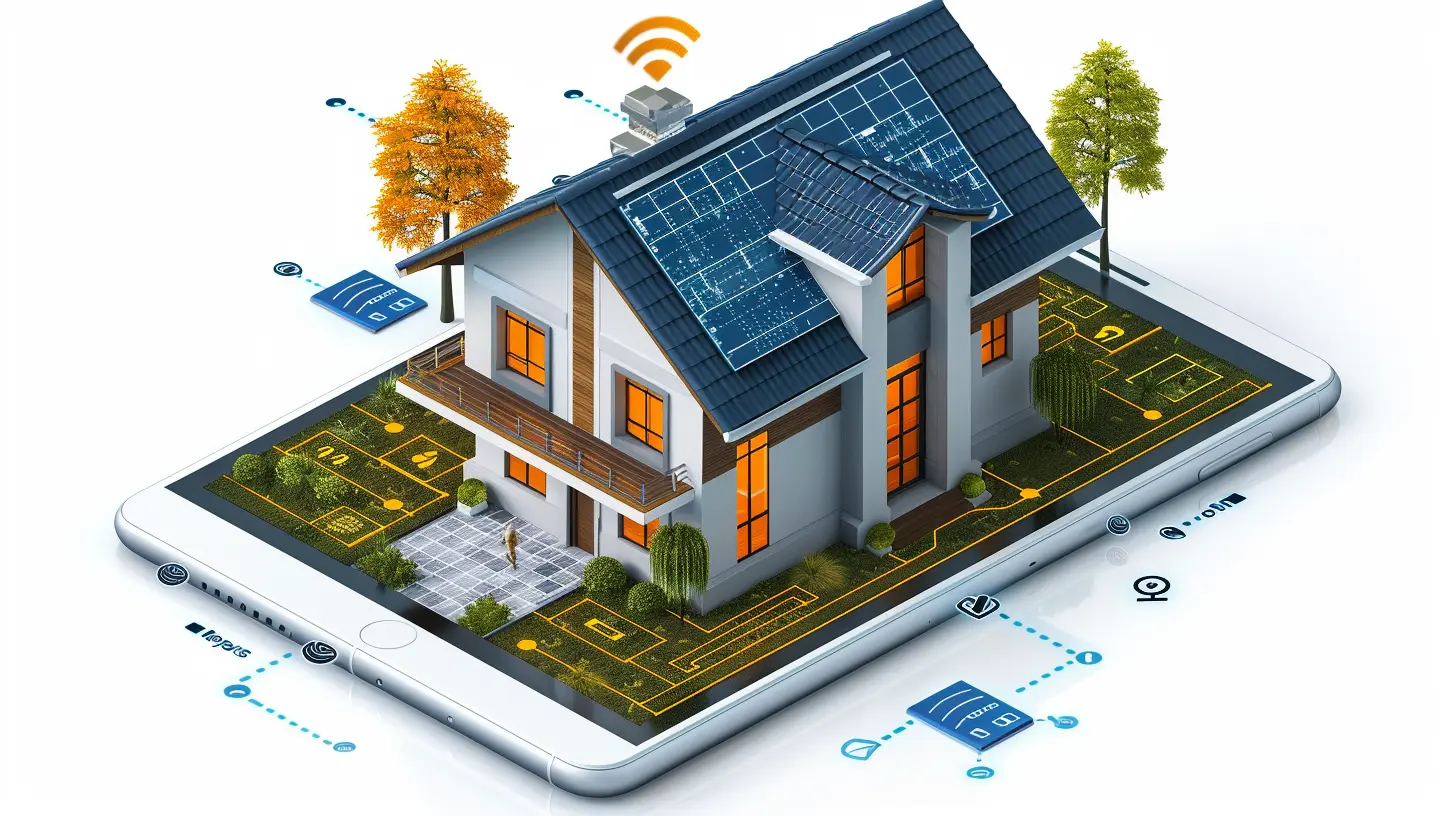
The Future of IoT in Real Estate
The IoT revolution in property management is just getting started. With advancements in AI and machine learning, the future holds even greater possibilities:- AI-Powered Predictive Maintenance – Smart systems will analyze data more accurately, predicting potential failures with greater precision.
- Enhanced Automation – More functions will be automated, reducing the need for manual intervention.
- Smarter Energy Solutions – IoT will integrate with renewable energy sources like solar panels for greater efficiency.
- Voice-Controlled Property Management – Imagine managing properties through simple voice commands—this may soon become a reality!
The real question is, are you ready to embrace the future?
Final Thoughts
IoT has undeniably transformed property management, making it more efficient, cost-effective, and tenant-friendly. From automating security to optimizing energy use, smart technology is changing the way property managers operate.While challenges exist, the benefits far outweigh them. As IoT continues to evolve, property management will only become more seamless and data-driven.
If you’re in real estate and haven’t yet explored IoT solutions, now’s the time to jump on the bandwagon. After all, the future of property management is smart, connected, and incredibly efficient!
all images in this post were generated using AI tools
Category:
Real Estate TechnologyAuthor:

Elsa McLaurin
Discussion
rate this article
2 comments
Olympia Daniels
Sure, IoT is shaking up property management, but let's be real: if your building still has a ghost of a Wi-Fi signal, it’s not the tech that’s the problem! Get your infrastructure in line before chasing the latest gadgets. #TechSavvyOrNah
March 4, 2026 at 6:01 AM
Elsa McLaurin
You make a great point! Robust infrastructure is essential for effectively leveraging IoT technologies in property management. Without reliable connectivity, even the best tech can't perform. Thanks for highlighting this crucial aspect!
Carla Roberson
Great insights! Embracing IoT in property management is like giving your properties a smart makeover. Let’s gear up for a future where efficiency meets comfort—exciting times ahead for all!
February 16, 2026 at 5:55 AM
Elsa McLaurin
Thank you! I completely agree—IoT is transforming property management, making it more efficient and comfortable. Exciting times indeed!