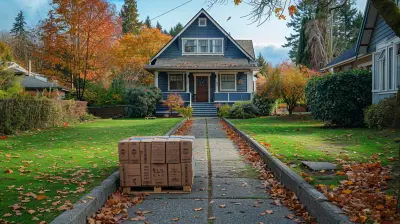
The Importance of Location in Real Estate Investment Decisions
27 December 2025
When it comes to real estate investment, there’s one golden rule that stands above all others: location, location, location. You’ve probably heard it a thousand times, but have you ever stopped to think about why location matters so much? The truth is, a property’s location can make or break your investment.
Whether you’re looking for a rental property, a commercial space, or a home to flip, choosing the right location is the key to maximizing your returns. But what exactly makes a location good or bad? Let’s dive into the factors that make location the most critical component in real estate investment decisions. 
Why Location Matters More Than Anything Else
You can change almost everything about a property—renovate the interior, upgrade the fixtures, or even knock it down and start from scratch. But the one thing you can’t change is where it’s located. That’s why location plays a bigger role than the property itself when determining long-term value.
1. Property Value and Appreciation Potential
A strong location means strong property appreciation over time. Real estate markets fluctuate, but properties in prime locations tend to hold and increase in value regardless of market downturns.Think about cities like New York, San Francisco, or London—properties in central locations have skyrocketed in value over the years. Even during economic downturns, these areas remain in high demand.
If you want to build long-term wealth through real estate, buying in the right location is non-negotiable. 
2. High Demand = Higher Rental Income
If you’re investing in rental properties, location determines how much rental income you can command.Would you rather own a rental unit in the middle of nowhere or in a bustling metropolitan area with a high population density? More demand means higher rental prices, fewer vacancies, and a steady stream of income.
Key factors that drive rental demand in a location:
✔️ Proximity to job hubs
✔️ Availability of schools and universities
✔️ Good public transportation
✔️ Access to entertainment, shopping, and dining
✔️ Safety and low crime rates
When people want to live somewhere, they’re willing to pay top dollar for it. And that’s music to an investor’s ears.
3. The Power of Neighborhood Development
A location's potential isn't just about where it is today—it’s also about where it's going.Smart investors look beyond the present condition of a neighborhood and focus on future development plans. New schools, hospitals, shopping centers, or even infrastructure projects like new highways or metro stations can significantly boost property values.
Look out for signs of growth: Is the local government investing in the area? Are businesses moving in? Are new residential projects being built?
Buying in an up-and-coming neighborhood before prices surge is like getting in on the stock market before a company goes public—it’s a game changer.
4. Good Schools = Higher Home Values
For families, school districts often top the priority list when choosing a place to live. Even if you’re not personally concerned about schools, your future tenants or buyers might be.Homes in top-rated school districts typically see higher demand and faster appreciation. Parents are willing to pay a premium to ensure their children receive the best education, which makes these locations a smart investment choice.
If you're considering buying a property, research the local schools—it could mean the difference between a mediocre and a high-performing investment.
5. Walkability & Public Transportation Accessibility
Ever noticed how properties in walkable neighborhoods tend to sell for higher prices? Convenience matters.Walkability refers to how easy it is for residents to run errands, grab coffee, or go out for dinner without needing a car. Locations with high walkability scores (think New York or San Francisco) are highly desirable and often command premium prices.
Likewise, public transportation plays a huge role in real estate values. Properties near subway stations, bus lines, or train hubs usually see higher demand because they make commuting easier.
If a property is in a location where people can ditch their cars, you can bet it’s a great investment opportunity.
6. Economic and Job Growth in the Area
Nobody wants to live in a ghost town. If an area lacks job opportunities, property values won’t rise, and your investment could suffer.Before buying, ask yourself:
- Is the local economy stable and growing?
- Are businesses moving in or shutting down?
- Is the unemployment rate low?
- Are high-paying industries present?
Booming job markets attract workers, which increases housing demand. More demand? Higher rent prices. Higher rent prices? More profit for you. It’s simple economics.
Some of the best places to invest are cities with strong job markets fueled by industries like tech, healthcare, or finance.
7. Crime Rates and Safety
Safety is a non-negotiable factor when choosing a location. No matter how beautiful a home is, if it’s in a crime-ridden neighborhood, it will struggle to attract tenants or buyers.People want to feel secure where they live. If crime rates are high, rental demand decreases, and resale values take a hit.
Want to check crime rates? Websites like NeighborhoodScout and local police reports can give you a clear picture.
Safety = higher demand = better investment returns.
8. Lifestyle and Local Amenities
People don’t just buy homes—they buy lifestyles.When choosing a location, consider the local lifestyle and amenities. Are there parks, coffee shops, gyms, entertainment, and vibrant social scenes? Or is the area dull, lacking life and energy?
Locations with a strong sense of community tend to attract more buyers and renters. A desirable lifestyle equals higher property values.
9. The "Location Premium" and ROI
At the end of the day, location determines your return on investment (ROI).Properties in prime locations may cost more upfront, but they also generate higher rental income, appreciate faster, and attract buyers when it’s time to sell. It’s a classic case of “you get what you pay for.”
Would you rather buy a cheap home in a struggling area or spend a little more for a property in a high-demand location that guarantees future profits? Smart investors always choose the latter. 
Final Thoughts: Location is Everything
There’s no doubt about it—the location of a property is the single most important factor in real estate investing. It influences property value, rental income, desirability, and appreciation potential.Next time you’re considering a real estate investment, don’t just focus on the house or apartment itself. Instead, think about the bigger picture—its surroundings, future potential, and economic growth.
Because in the world of real estate, a great location is like a winning lottery ticket—it can set you up for long-term financial success.
all images in this post were generated using AI tools
Category:
Real Estate TipsAuthor:

Elsa McLaurin
Discussion
rate this article
2 comments
Fable Sharpe
Great insights on the critical role location plays in real estate investment! It’s fascinating how factors like accessibility, amenities, and neighborhood trends can significantly influence property value. This article serves as a valuable reminder for investors to prioritize location in their decision-making process. Thank you for sharing!
February 2, 2026 at 1:05 PM
Elsa McLaurin
Thank you for your thoughtful comment! I'm glad you found the insights valuable—location truly is key in real estate investment.
Jacob Dorsey
Location isn’t just important; it’s everything! If you think you can skimp here and still score big, sweetie, you're dreaming. Invest smart or stay home!
January 6, 2026 at 5:03 AM
Elsa McLaurin
Absolutely! Location is indeed the cornerstone of real estate success. Smart investments start with choosing the right area.