The Most In-Demand Home Features in 2026
27 April 2026
You walk into a house, and something feels… off. Not wrong, exactly, but like it’s whispering a secret you can’t quite hear. The walls are a bit too quiet. The light feels staged. The kitchen seems to be holding its breath. That’s the feeling of a home built for yesterday. Now, imagine stepping into a space that knows you. A house that doesn’t just shelter you, but anticipates your next move like a chess grandmaster reading your intentions. That’s the difference between a house and a home in 2026.
We’re not talking about gimmicks. We’re talking about features that have become as essential as indoor plumbing—yet far more mysterious. The real estate market is shifting faster than a sand dune in a desert storm, and buyers are no longer asking for granite countertops or stainless steel appliances. Those are relics. The new currency? Time, wellness, and a dash of technological sorcery.
So, what exactly are these elusive, in-demand features that will make a property vanish from the market faster than a free pizza at a college dorm? Let’s pull back the curtain and peer into the blueprint of the future.
The Rise of the "Living" Home: Biophilic Integration
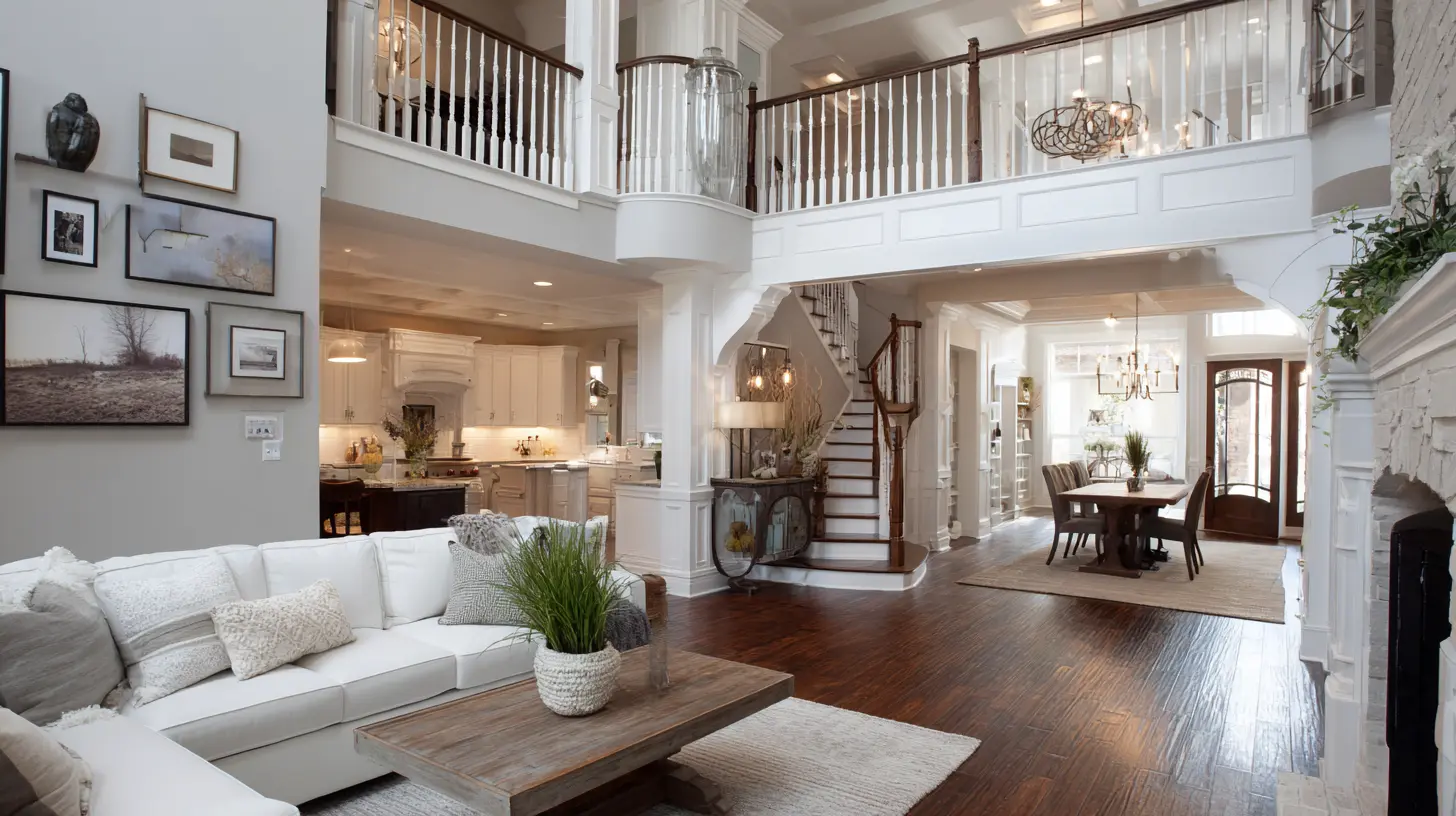
Here’s a wild thought: what if your home could breathe? Not metaphorically, but literally. In 2026, the most in-demand feature isn’t a room—it’s a relationship between the indoors and the outdoors. We’re talking about biophilic design, but not the kind you’ve seen in glossy magazines with a single fern in the corner. This is full-on, immersive nature integration.Imagine walls that aren’t just walls. They’re living green panels, engineered with hydroponic systems that filter the air, regulate humidity, and even grow your dinner herbs. Buyers are demanding homes that don’t just look at nature from a window, but merge with it. Think of it as a house wearing a living coat. The line between your living room and your garden becomes blurry—almost nonexistent.
Why the sudden obsession? Because we’ve spent the last decade staring at screens, and our brains are screaming for a reset. A home that brings the outside in isn’t just pretty; it’s a mental health intervention. It’s like having a personal forest that never leaves your side. You’ll see properties featuring retractable glass walls that disappear into the floor, creating a seamless indoor-outdoor flow that makes you question if you’re inside or out. Spoiler: you’re both.
The Silent Sanctuary: Acoustic Dampening and Sonic Privacy
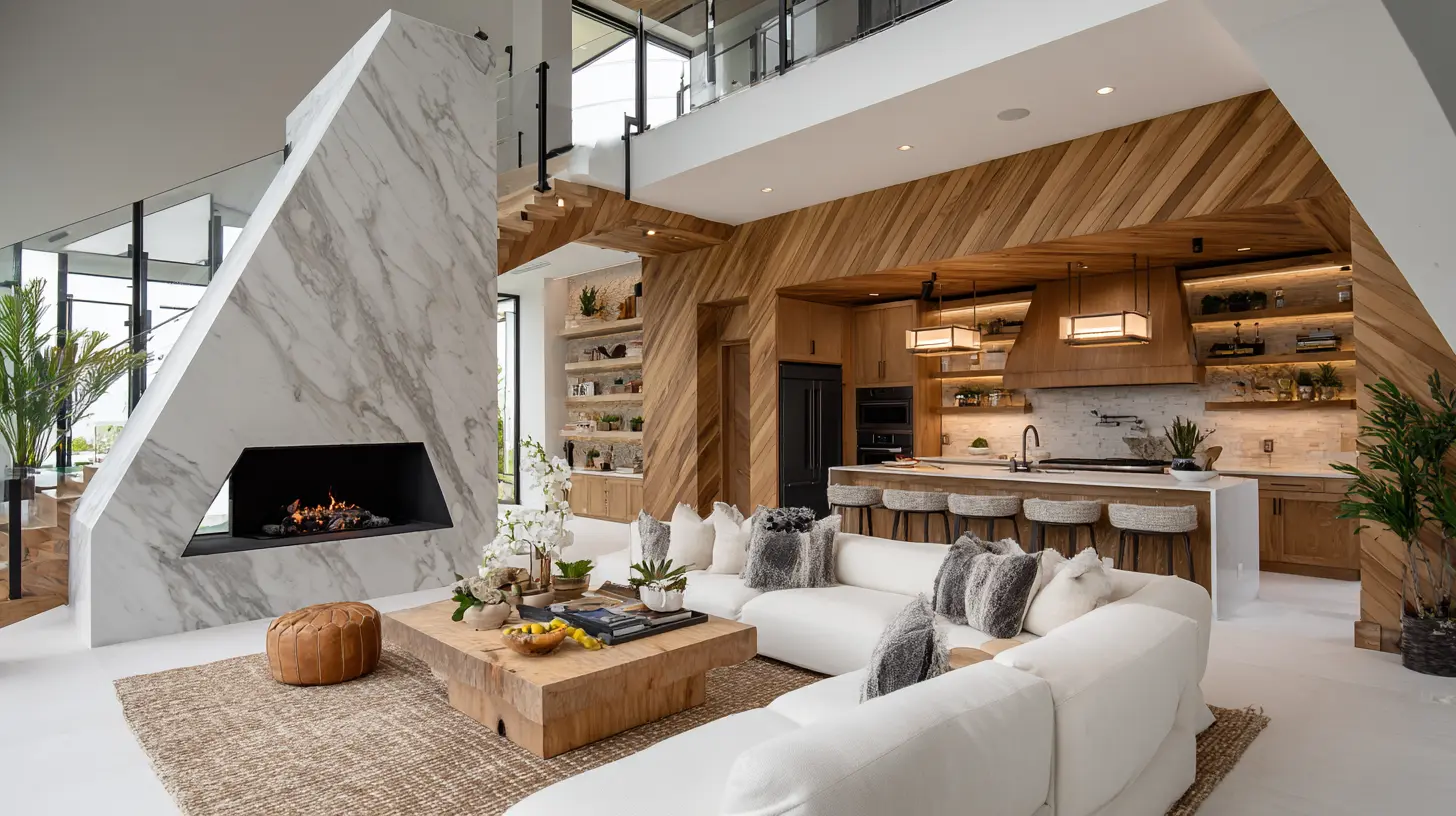
Have you ever lived in a house where you could hear your neighbor sneeze from three floors away? It’s like living inside a drum. In 2026, silence is the new luxury, and it’s not just about thick curtains. The most sought-after feature is intelligent acoustic dampening.We’re not talking about foam panels that look like a recording studio from 1995. This is next-level. Imagine walls embedded with sound-absorbing nanofibers that cancel out traffic noise, barking dogs, and even the hum of your own refrigerator. Some high-end homes are now incorporating "quiet zones"—rooms designed with negative pressure and sound-lock doors, where the decibel level drops so low you can hear your own heartbeat.
Why does this matter? Because noise pollution is the silent killer of productivity and sleep. A home that offers a sonic sanctuary is a home that sells itself. It’s like having a noise-canceling headset for your entire house. Buyers are willing to pay a premium for a place where they can think, sleep, and argue in peace—without the entire neighborhood listening in.
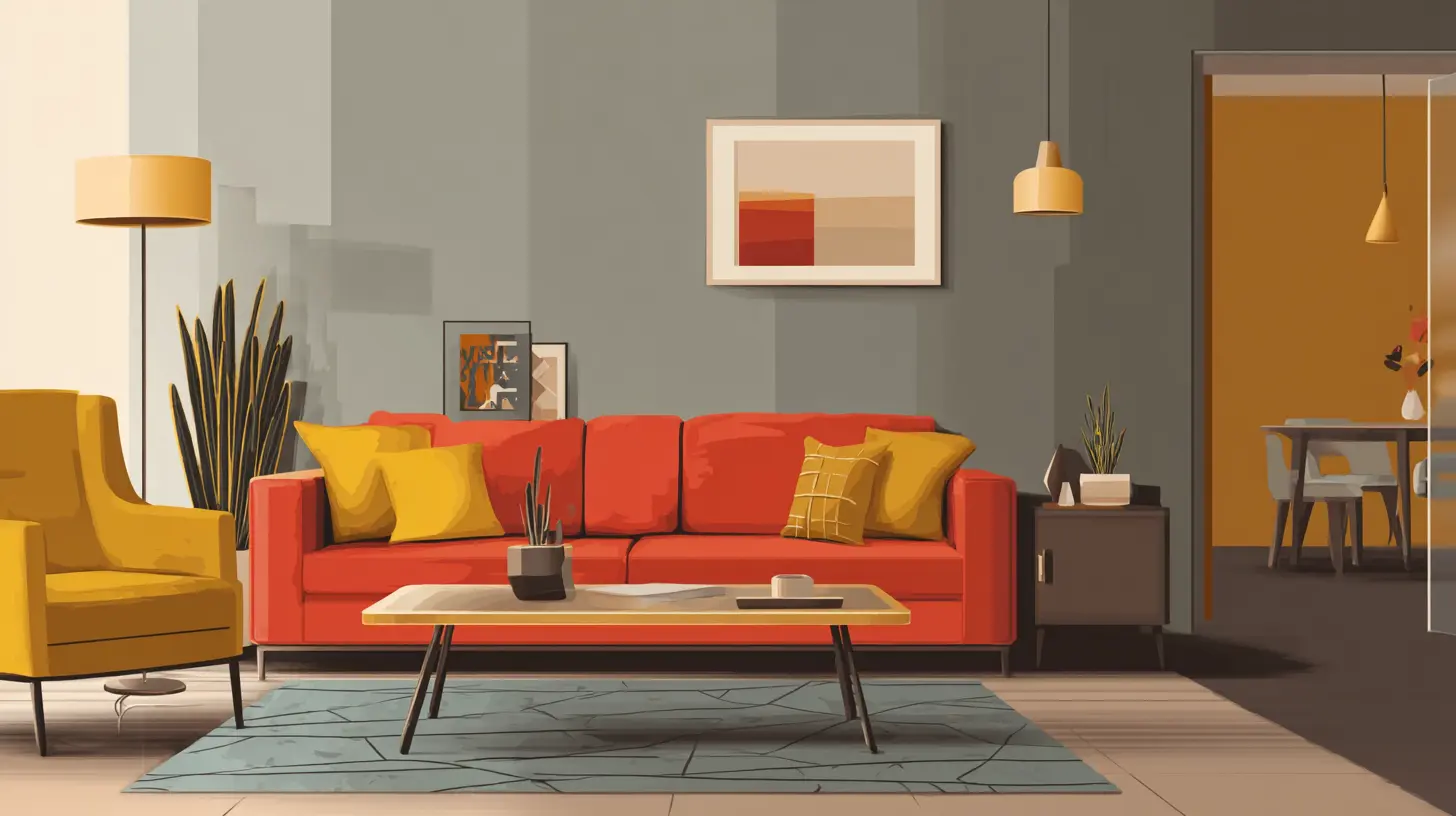
The "Invisible" Tech: Integrated Systems That Anticipate
Let’s be honest: smart homes have been a bit of a joke. You know the drill—clunky apps, voice assistants that misunderstand your accent, and a lightbulb that randomly turns on at 3 AM to haunt you. In 2026, that’s dead. The new demand is for invisible tech. Technology that’s so seamlessly integrated, you forget it’s there.Think of it like the force of gravity. You don’t see it, but it shapes everything. Your home will know when you wake up, not because you told it, but because your bed’s sensors detected your heart rate change. The lights will shift from a warm sunrise glow to a crisp daylight as you step into the bathroom. The coffee machine starts brewing when your morning alarm goes off—but only if you slept well. If you had a rough night, it offers herbal tea instead.
This isn’t science fiction. It’s sensor fusion. Homes are being built with a "brain" that learns your patterns over 30 days. It adjusts temperature, lighting, and even scent (yes, scent diffusers are now a standard feature) to match your mood. The most in-demand feature isn’t a gadget; it’s an ecosystem that disappears into the background. Buyers want a home that anticipates, not one that demands their attention.
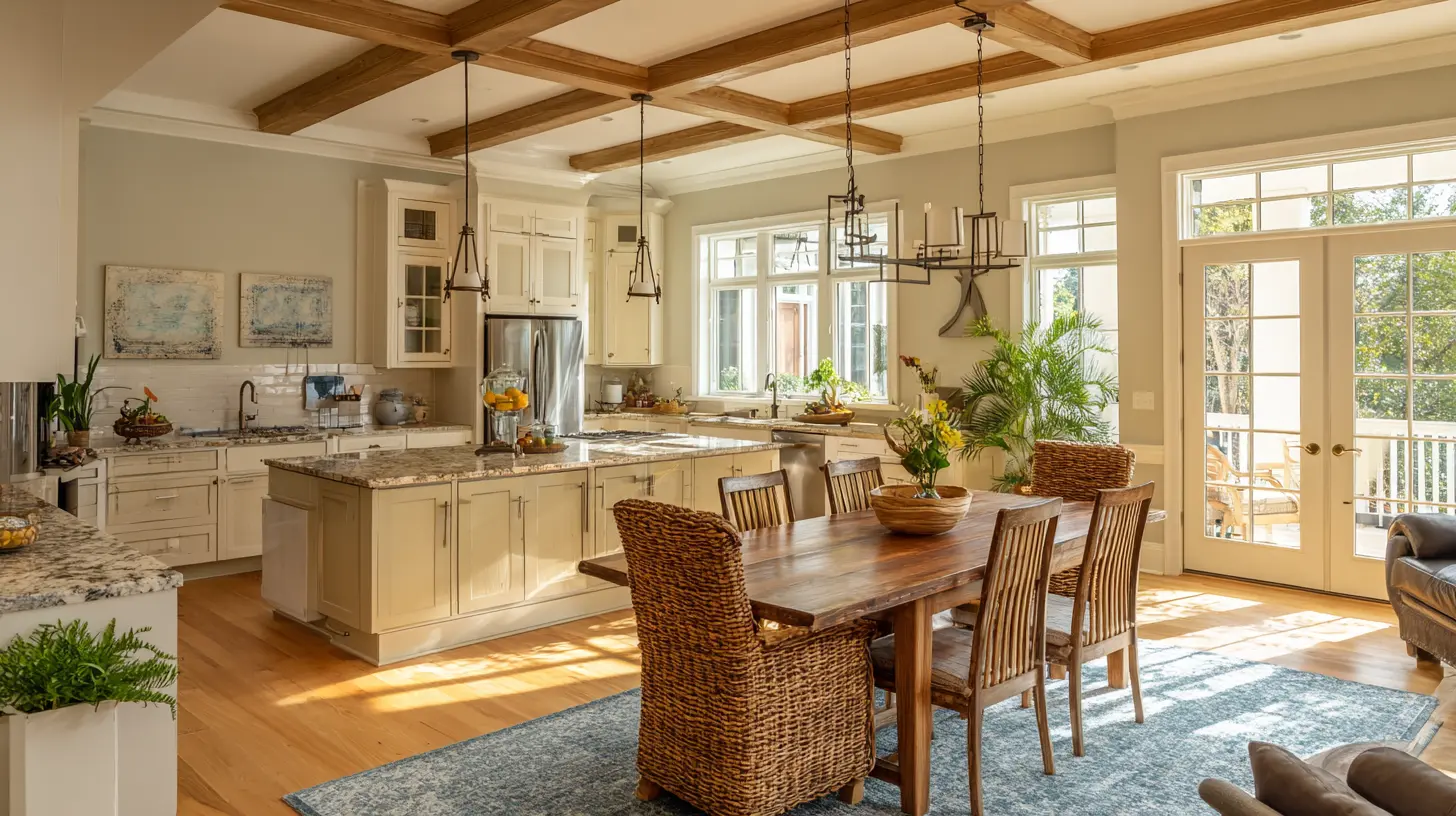
The Wellness Room: Beyond the Home Gym
We all saw the home gym boom during the pandemic. But by 2026, a spare room with a yoga mat and a stationary bike is about as impressive as a rotary phone. The new must-have is a dedicated wellness room—a space designed for recovery, not just exercise.Imagine a room that combines a sauna, cold plunge, infrared light therapy, and a meditation pod. But it’s not just a collection of gadgets. The room itself is engineered. The flooring is made of antimicrobial cork. The walls are infused with negative ions to boost energy. The lighting adjusts to your circadian rhythm automatically.
This is the room where you go to reset. It’s like having a luxury spa membership built into your mortgage. Buyers are realizing that health is wealth, and a home that actively improves your biology is worth its weight in gold. Expect to see infrared saunas built into master bathrooms, or dedicated "cold therapy" showers with ice bath capabilities. It’s not just about looking good; it’s about feeling like a million bucks every single day.
The "Third Space": The Hybrid Home Office 2.0
Remember the awkward desk shoved into a corner of the dining room? That’s a relic of 2020. In 2026, the home office has evolved into a "third space" —a hybrid zone that blurs the line between work, hobby, and relaxation. But here’s the twist: it’s not a single room. It’s a modular concept.Imagine a room that can transform in 30 seconds. With motorized walls and furniture on tracks, you can shift from a professional Zoom-ready background to a cozy reading nook to a mini art studio. The desk folds into the wall. The bookshelf slides to reveal a hidden Murphy bed for guests. The lighting changes from daylight white to warm amber with a voice command.
This isn’t just about flexibility; it’s about psychological separation. The most in-demand feature is a space that feels different from the rest of the house, even if it’s the same square footage. Buyers want a room that tells their brain, "Now it’s time to work," and then, "Now it’s time to rest." It’s a mental boundary disguised as architecture.
Energy Independence: The Off-Grid Allure
Here’s a secret: the grid is old, and it’s getting older. Power outages are becoming more common, and energy prices are volatile. In 2026, the most in-demand feature isn’t solar panels—it’s total energy independence.We’re talking about homes with integrated solar roof tiles that look like slate, not clunky panels. Plus, a battery storage system that can power the entire house for a week. But it goes deeper. Some new builds are incorporating geothermal heating and cooling, using the earth’s constant temperature to regulate your home without a single watt from the grid.
The ultimate feature? A home that can sell energy back to the grid during peak hours, effectively paying you to live there. It’s like having a personal power plant that also makes your house look cool. Buyers are no longer just looking for energy efficiency; they want energy sovereignty. They want to know that when the lights go out everywhere else, their home stays lit, warm, and fully functional.
The "Aging in Place" Elegance: Universal Design Without the Hospital Vibe
Let’s address the elephant in the room: we’re all getting older. But nobody wants to live in a house that looks like a hospital ward. The in-demand feature for 2026 is universal design that’s indistinguishable from luxury.Think wider doorways that look intentional, not accommodating. Think zero-threshold showers with rainfall showerheads and built-in seating that feels like a spa bench, not a plastic chair. Think countertops that adjust height with a touch, and cabinets that pull down to you instead of you reaching up.
This isn’t just for grandparents. It’s for anyone who’s ever broken a leg, had surgery, or simply wants a home that works for them at every stage of life. The most in-demand homes are designed for the "long haul"—they’re beautiful, functional, and adaptable. No grab bars that scream "safety hazard." Instead, you’ll find elegant rails that double as towel racks. It’s design that whispers, "I’ve got your back," without shouting it.
The "Dark Kitchen" and Food Prep Zones
You’ve heard of ghost kitchens. Now meet the "dark kitchen" —a dedicated food prep zone that’s hidden from the main living area. No, it’s not a dungeon. It’s a highly functional, separate space for meal prep, grocery delivery unpacking, and the messier aspects of cooking.The idea is simple: the main kitchen is for presentation and socializing. The dark kitchen is for the dirty work. Think of it as a kitchen’s backstage. It has industrial-grade ventilation, extra refrigerator space, and a separate entrance for delivery drivers. It’s the ultimate solution for people who love cooking but hate the clutter.
In 2026, buyers want a kitchen that looks spotless when guests arrive, even if you just chopped 20 onions. The dark kitchen is the secret weapon. It’s like having a sous-chef that cleans up after themselves. And yes, it’s becoming a non-negotiable for serious home cooks and meal-preppers.
The "Mood" Lighting: Circadian and Beyond
Lighting used to be about switches. "On" or "off." How boring. In 2026, lighting is about mood orchestration. We’re talking about a full-spectrum, tunable white lighting system that mimics the sun’s natural arc from dawn to dusk.But it’s not just about brightness. It’s about color temperature, intensity, and even direction. Imagine lights that shift from a cool blue in the morning (to wake you up) to a warm amber in the evening (to help you sleep). Some systems can even simulate a sunrise on a cloudy day, or a sunset on a rainy one.
The most in-demand feature is lighting that adapts to your biology, not your schedule. It’s like having a personal sun that follows you from room to room. And the best part? It’s controlled by the house’s invisible brain, so you never have to think about it. You just feel better.
The "Sanctuary" Bathroom: A Room Within a Room
The bathroom is no longer just a bathroom. It’s a sanctuary. But not in the way you think. In 2026, the most in-demand bathroom feature is the "wet room" concept—a single, waterproofed space where the shower, bathtub, and even the vanity area are all open and connected.No doors. No dividers. Just a continuous, heated floor that slopes gently to a single drain. The whole room is a shower. The whole room is a spa. It’s like bathing in a warm, stone-lined cave. Add in a steam generator, a built-in sound system, and a heated bench, and you’ve got a room you never want to leave.
Buyers are willing to sacrifice square footage elsewhere for a bathroom that feels like a retreat. It’s the ultimate expression of self-care. And it’s incredibly romantic. Who needs a vacation when your bathroom is a destination?
The "Smart" Garden: Outdoor Living, Automated
The backyard is getting an upgrade. In 2026, the most in-demand outdoor feature is the automated garden. Not just sprinklers on a timer. We’re talking about soil sensors, weather-predictive irrigation, and even robotic lawn mowers that communicate with your home’s brain.But the real magic is in the "living wall" and the "edible landscape." Imagine a garden that tells you when your tomatoes are ripe, or a tree that sends a notification when it needs pruning. It’s like having a digital gardener that never sleeps.
Outdoor spaces are no longer afterthoughts. They’re extensions of the home, with integrated lighting, heating, and even retractable roofs. Buyers want a yard that’s as smart as their living room. And they want it to take care of itself.
The "Community" Connection: Shared Spaces That Work
Finally, the most in-demand feature isn’t even inside your home. It’s the connection to community. In 2026, buyers are looking for developments that offer shared spaces that actually get used. Think of a "co-working barn" in the backyard of a development, or a "tool library" where neighbors share equipment.The secret sauce? These spaces are designed for serendipity. They’re not just amenities; they’re catalysts for human interaction. A home that comes with a built-in community is a home that fights loneliness. And in a world that feels increasingly disconnected, that’s the most valuable feature of all.
The Takeaway
So, what does all this mean for you? If you’re buying, selling, or just dreaming, the 2026 home is a living, breathing entity. It’s a sanctuary that anticipates your needs, connects you to nature, and gives you control over your time and energy. It’s not about the size of the house; it’s about the quality of the experience.The next time you walk into a house, listen. Does it whisper secrets? Does it feel alive? Or is it just a collection of rooms waiting for a future that’s already here? The most in-demand features aren’t just trends—they’re a reflection of who we want to become. And in 2026, we want to be healthier, more connected, and a little bit mysterious.
all images in this post were generated using AI tools
Category:
Housing TrendsAuthor:

Elsa McLaurin
Discussion
rate this article
2 comments
Flynn Strickland
The 2026 real estate landscape prioritizes sustainability and technology. Features like energy-efficient appliances, smart home integration, and outdoor spaces are essential. Buyers increasingly value health and wellness, making homes that support a balanced lifestyle highly desirable and competitive.
May 14, 2026 at 11:13 AM
Elsa McLaurin
Absolutely. Buyers are definitely leaning towards homes that offer both sustainability and wellness. The focus on smart tech and outdoor spaces reflects a significant shift in what people want in their living environments.
Willow McDougal
It's fascinating to see how homebuyer preferences evolve. Features that prioritize comfort and sustainability really resonate with people today. Can't wait to see how these trends shape our future homes!
May 12, 2026 at 4:47 AM
Elsa McLaurin
Absolutely! The shift towards comfort and sustainability is crucial. It's exciting to think about how these trends will influence home design in the coming years.