The Pros and Cons of Buying a Home in a Hot Market
16 November 2026
Buying a home is one of life's significant decisions, and doing so in a hot market presents unique challenges and opportunities. A hot market is characterized by high demand, low inventory, and quickly rising prices. While the potential for appreciation and investment growth can be appealing, it's essential to weigh the pros and cons before diving in. This article will explore the intricacies of purchasing a home in such a competitive environment, offering expert advice and insights to help you navigate the process effectively.

Understanding a Hot Market
What Makes a Market "Hot"?
A hot real estate market often features several key indicators:- High Demand: Buyers are eager to purchase, often driven by factors like low interest rates, a growing economy, or demographic shifts.
- Low Inventory: There are fewer homes for sale than there are buyers, leading to competition and bidding wars.
- Rapid Price Increases: Home prices rise quickly as buyers compete for limited options.
Understanding these dynamics can help potential buyers anticipate the challenges and opportunities that lie ahead.

The Pros of Buying in a Hot Market
1. Potential for Appreciation
In a hot market, homes often appreciate in value at a faster rate than in more stable markets. This can be an excellent opportunity for buyers looking to build equity quickly.- Example: If you purchase a home for $300,000 in a hot market with a 10 percent annual appreciation rate, you could find your investment worth $330,000 within a year.
However, while this potential for appreciation is enticing, it's vital to consider whether the growth is sustainable or driven by speculative trends.
2. Stronger Negotiating Power
When you're able to secure a property in a hot market, you may find that sellers are more willing to negotiate on terms, especially if they are motivated to move quickly.- Trade-off: While you may negotiate terms, the purchase price might still be higher due to competition. Understanding your limits and sticking to your budget is crucial.
3. Variety of Financing Options
In a hot market, lenders often offer various financing options to attract buyers, including lower interest rates or unique loan products. This can make the buying process more accessible.- Best Practice: Shop around for mortgages and consider getting pre-approved. This not only helps you understand your budget but also signals to sellers that you are a serious buyer.
4. Investment Opportunities
Buying in a hot market can be a strategic move for investors looking to flip properties or rent them out. With rising demand, rental prices may also increase, providing additional income.- Example: An investor who buys a property in a hot market can renovate and sell it for a profit within a few years, capitalizing on the market's upward trajectory.

The Cons of Buying in a Hot Market
1. Increased Competition
One of the most significant downsides of a hot market is the competition. Multiple offers on a single property can lead to bidding wars, pushing prices beyond what might be reasonable.- Common Mistake: Buyers often get caught up in emotional bidding, leading to overpaying. Having a clear budget and sticking to it can help mitigate this risk.
2. Higher Prices
With demand outpacing supply, prices can skyrocket. This may lead to purchasing a home that is not worth its asking price.- Trade-off: While you may secure a home, it may require significant repairs or updates that could negate some of the initial advantages of buying in a hot market.
3. Less Time for Due Diligence
In a competitive environment, buyers often feel rushed to make decisions. This can lead to skipping essential steps like home inspections or reviewing neighborhood trends.- Best Practice: While time may be of the essence, it's critical to maintain thorough due diligence. Rushing the process can lead to costly mistakes down the road.
4. Potential for Market Corrections
While a hot market can indicate strong growth, it can also signal volatility. If the market corrects, homeowners may find themselves underwater-owing more on their mortgage than their home is worth.- Consideration: Thoroughly evaluate market conditions and trends before committing. Understanding the factors influencing your local market can provide insights into its stability.
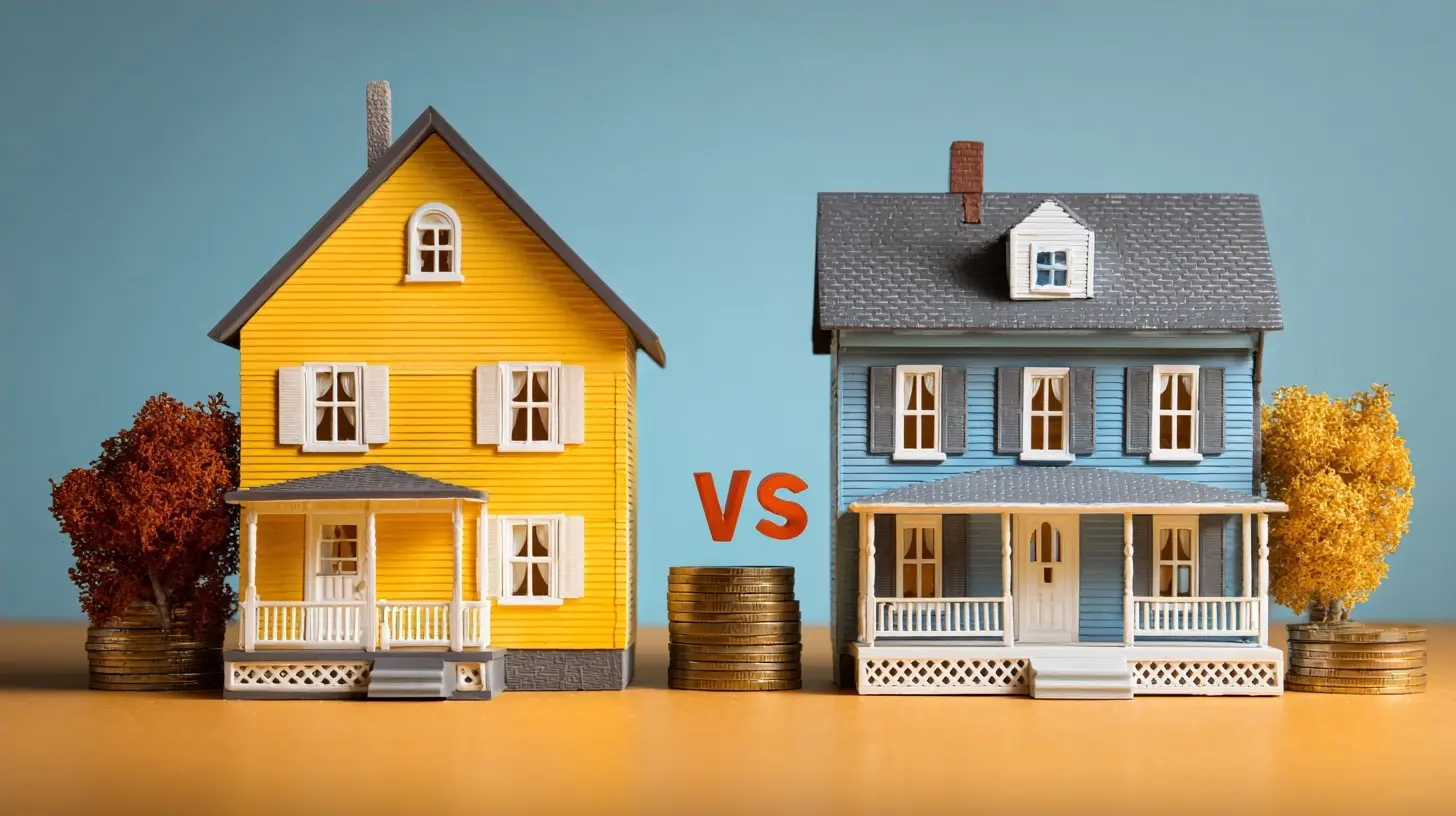
Key Strategies for Buyers in a Hot Market
1. Know Your Budget
Establish a clear budget before beginning your home search. Factor in not just the purchase price but also closing costs, potential renovations, and ongoing expenses like property taxes and maintenance.- Actionable Tip: Use a mortgage calculator to estimate your monthly payments and determine how much home you can realistically afford.
2. Get Pre-Approved for a Mortgage
Being pre-approved shows sellers you are a serious buyer, which can be an advantage in a competitive situation. It also gives you a clearer picture of your budget.- Expert Insight: Some sellers may favor offers from buyers who are pre-approved over those who are not, even if the offer amounts are similar.
3. Act Quickly
In a hot market, homes can sell in days or even hours. When you find a property that meets your needs, don't hesitate. Have your financing and documentation ready to make an offer swiftly.- Best Practice: Stay connected with your real estate agent. They can alert you to new listings and help you act fast.
4. Consider Compromises
In a hot market, you may not find a perfect home that meets all your criteria. Be prepared to make compromises on certain features or locations to secure a property.- Trade-off: While it's essential to find a home that fits your lifestyle, being flexible on less critical aspects can open up more opportunities.
Common Misconceptions
Misconception 1: All Hot Markets Are the Same
Not all hot markets are created equal. Each area has unique characteristics that influence its real estate dynamics.- Expert Insight: Research local trends, including job growth, school ratings, and future development plans. Understanding the nuances of your targeted area can help shape your decision-making.
Misconception 2: You Should Always Buy
While buying in a hot market can seem appealing, it's not always the right time for everyone. Depending on your financial situation and long-term goals, renting may be a better option.- Consideration: Evaluate your personal circumstances and future plans. If you expect to move or change jobs within a few years, renting may offer more flexibility.
Misconception 3: Sellers Always Have the Upper Hand
While sellers often benefit from a hot market, buyers can still gain negotiating power by making attractive offers, especially if they can provide quick closings or flexible terms.- Expert Insight: Presenting a strong, clean offer without contingencies can make your bid more appealing, even in a competitive environment.
Conclusion
Buying a home in a hot market can be both exciting and daunting. By understanding the pros and cons, employing strategic approaches, and remaining informed about market trends, you can navigate the complexities of a competitive environment. Whether you are a first-time buyer or a seasoned investor, careful planning and consideration will empower you to make choices that align with your goals.Final Thoughts
Remember, real estate is often a long-term investment. Balancing the thrill of a potential purchase in a hot market with careful analysis and thoughtful decision-making will serve you well. As you embark on this journey, keep your objectives clear and remain flexible to adapt to changing circumstances.
all images in this post were generated using AI tools
Category:
Buying Vs RentingAuthor:

Elsa McLaurin