The Psychology Behind Effective Real Estate App Interfaces
18 November 2026
When it comes to real estate apps, the interface is everything. A well-designed app can make or break user engagement, which is crucial in a competitive market. But what makes an app truly effective? It's all about understanding the psychology behind user behavior and how to create an interface that resonates with your audience. Let's dive into the key elements that contribute to successful real estate app interfaces and why they matter.
Understanding User Needs
The Importance of User-Centric Design
To create an effective real estate app, start with user-centric design. This means understanding what users need and want. Conducting thorough user research can help you identify pain points, preferences, and behaviors. For instance, a potential homebuyer might prioritize easy navigation to find listings, while a seller might want tools for analyzing market trends.Building Empathy Through Personas
Creating user personas can be a game changer. Personas are fictional representations of your ideal users based on research. They help in visualizing user needs and behaviors. For example, a persona for a young couple seeking their first home would differ significantly from a retired couple looking to downsize. By tailoring the app experience to these distinct personas, developers can create features that appeal directly to each group's unique motivations and challenges.
The Power of Visuals
First Impressions Matter
In the digital world, first impressions are often visual. A cluttered or unattractive interface can lead users to abandon the app within seconds. Effective use of color, typography, and imagery can enhance user experience. For example, bright and inviting colors may appeal to younger audiences, while a more muted palette might resonate with older users.Imagery and Listings
High-quality images can evoke emotions and create a sense of connection. Real estate is a visual medium, and listings with vibrant images tend to perform better. Users are more likely to click on properties that feature professional photographs. Consider integrating virtual tours or 3D walkthroughs; they create an immersive experience, allowing users to visualize themselves in the space.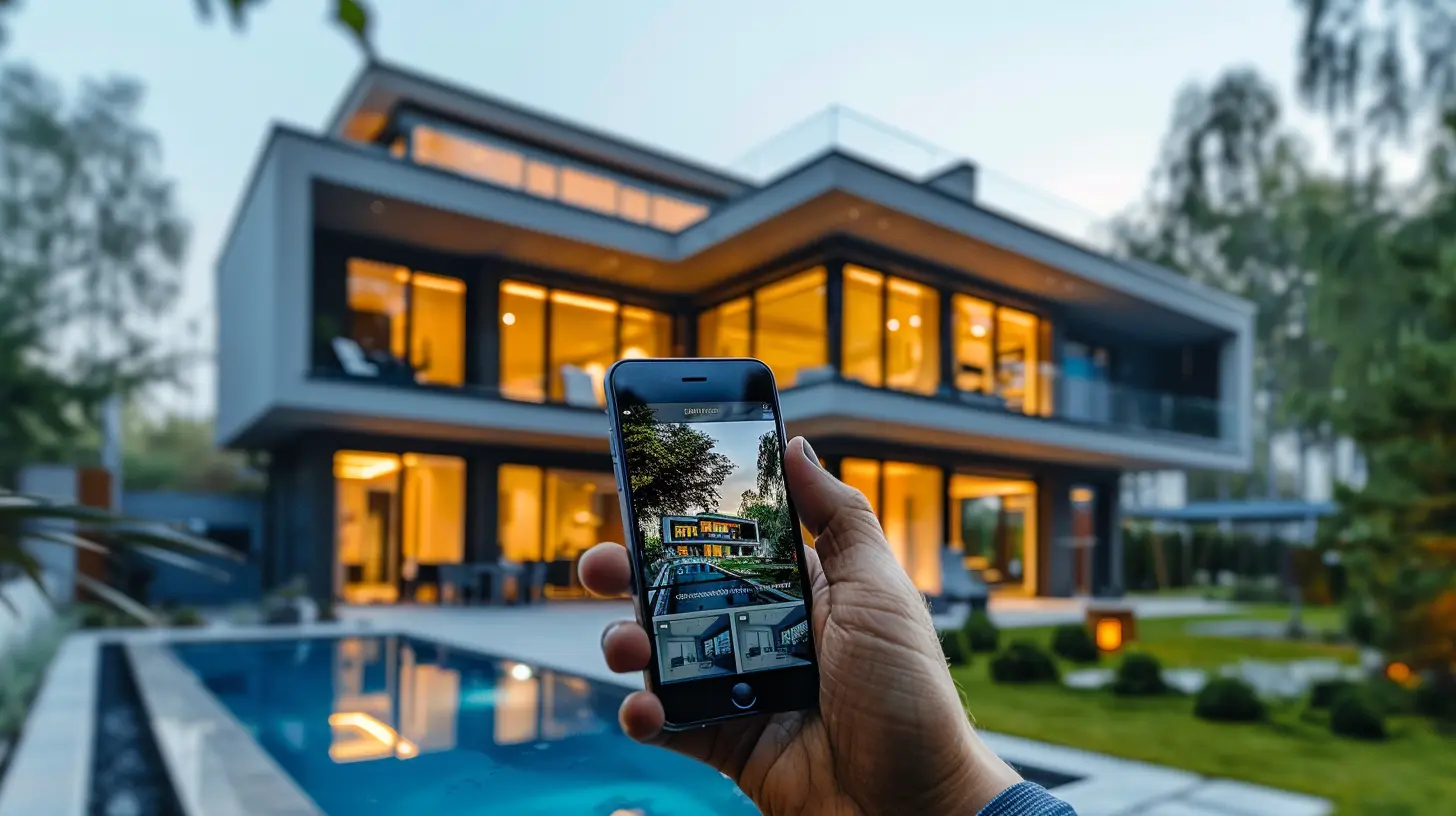
Navigation and Usability
Simplicity is Key
When it comes to navigation, simplicity reigns supreme. Users should be able to find what they need without getting lost in a labyrinth of menus and options. A clean, intuitive layout is essential. Think about how a user might approach the app. They should be able to filter search results easily, access saved properties, and view their search history with minimal effort.Incorporating Feedback Loops
Creating a responsive app that acknowledges user actions can significantly enhance engagement. Feedback loops, such as animations or sounds when a user successfully saves a listing, reinforce positive behavior. They provide users with a sense of control and satisfaction, encouraging them to continue exploring the app.
The Role of Trust
Establishing Credibility Through Design
Trust is vital in real estate. Users must feel confident that they can rely on the app to provide accurate information. Incorporating elements that enhance credibility is crucial. For instance, displaying user reviews, ratings, and testimonials can help build trust. ensuring a professional design throughout the app-without excessive ads or distractions-can reinforce the perception of reliability.Privacy and Data Security
Given the sensitive nature of real estate transactions, users want assurance that their personal information is secure. Clearly stating your privacy policy and incorporating visible security features, such as encryption icons, fosters trust. Users are more likely to engage with an app that prioritizes their security.The Emotional Connection
Creating a Sense of Belonging
Real estate is not just about buying or selling properties; it's about creating homes and communities. Your app should evoke a sense of belonging. Incorporate features that allow users to explore neighborhoods, local amenities, and community events. This not only enriches their experience but also helps them see the bigger picture of their potential new home.Storytelling Through Content
Consider integrating storytelling elements into your app. Whether through blog posts, local guides, or user stories, content that resonates emotionally can significantly enhance user experience. For example, showcasing the journey of a family finding their dream home can inspire others in similar situations.
The Impact of Gamification
Engaging Users Through Challenges
Gamification can be an effective tool in real estate apps. By incorporating elements like challenges, rewards, or points systems, you can boost engagement and encourage users to explore more. For example, rewarding users for completing certain actions, like saving properties or sharing listings, can motivate them to interact with the app regularly.Balancing Fun and Functionality
While gamification can enhance user experience, it's essential to strike the right balance. Too many distractions can detract from the primary purpose of the app. Ensure that any gamification elements serve to enhance, not overshadow, the core functionalities users seek.The Influence of Social Proof
Leveraging User Reviews
Social proof can significantly influence decision-making in real estate. Incorporating user reviews and ratings prominently can help potential buyers and sellers feel more confident in their choices. For instance, showing the number of successful transactions and customer testimonials can create a sense of urgency and trust.Community Engagement Features
Consider integrating social features that allow users to connect with others in the community. This could include forums or discussion boards where users can share tips, ask questions, and provide support. Building a community around your app can enhance the user experience and encourage ongoing engagement.
Common Pitfalls to Avoid
Overcomplicating the User Journey
One of the most common mistakes in app design is overcomplicating the user journey. Every additional feature needs to be justified. Always ask yourself: does this add value? If not, it might be time to cut it. Streamlining the user journey ensures that users can navigate the app without frustration.Neglecting User Testing
User testing is not optional; it's essential. Developers often get too attached to their designs and overlook potential issues. Conduct usability tests with real users to gather feedback. This can uncover blind spots and lead to enhancements that truly resonate with users.Best Practices for Effective Real Estate App Interfaces
Conduct Thorough User Research
Understand your audience by conducting surveys, interviews, and usability tests. Gather insights to inform your design decisions and ensure you are meeting user needs.Prioritize Mobile Responsiveness
With many users accessing apps from mobile devices, ensure your app is fully responsive. A seamless experience across devices is crucial for retaining users.Focus on Performance Optimization
A slow app can be a dealbreaker. Optimize your app's performance to ensure quick loading times and smooth transitions between features.Iteratively Improve Based on Feedback
Regularly collect and analyze user feedback. Use this data to make iterative improvements, ensuring your app evolves alongside user needs and preferences.Stay Updated with Design Trends
Real estate app design is not static. Stay informed about current trends and technologies in app design to keep your app relevant and appealing.
Conclusion
Designing an effective real estate app interface goes beyond aesthetics. It requires a deep understanding of user psychology, trust-building, emotional engagement, and practical usability. By focusing on these elements, you can create an interface that not only attracts users but keeps them coming back. Remember, in the world of real estate, the right app can be the key to unlocking dreams.
all images in this post were generated using AI tools
Category:
Real Estate AppsAuthor:

Elsa McLaurin

