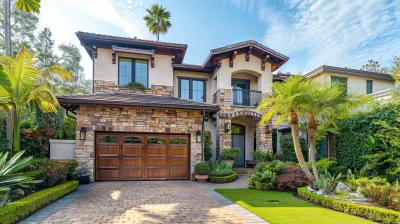
The Real Cost of Renting Compared to Buying in 2026
17 April 2026
Let’s be honest for a second. That monthly rent check you write—it feels a bit like feeding a meter that never gives you the car, doesn’t it? You pour money in, month after month, year after year, and what do you have to show for it when you finally leave? A stack of receipts and maybe your security deposit back (if you’re lucky). As we look ahead to 2026, the age-old debate of renting versus buying isn’t just about personal preference anymore; it’s a major financial crossroad. The landscape is shifting, and the real costs are about so much more than just the monthly payment. So, grab a coffee, and let’s unpack this together. What does your housing choice truly cost you, not just in dollars, but in future possibilities?
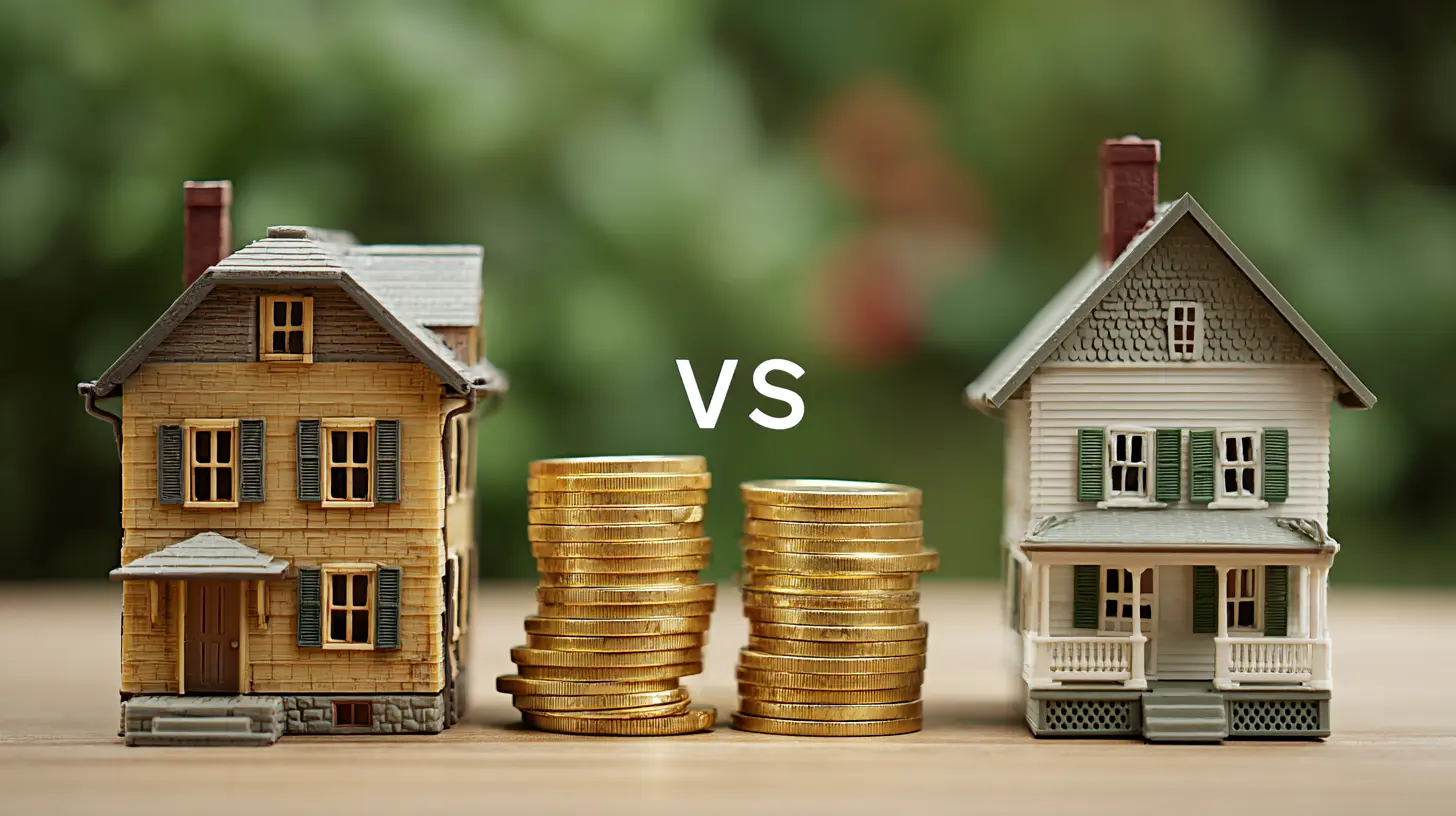
The 2026 Landscape: A New Playing Field
First, we need to set the stage. Predicting 2026 isn't about gazing into a crystal ball, but about understanding the currents we’re already swimming in. Interest rates, while potentially stabilizing from recent highs, are unlikely to return to the rock-bottom levels of the past decade. Housing inventory might see some relief, but demand in desirable areas isn’t vanishing. And rent? Well, if history is any guide, it has one primary direction: up.Think of the housing market like a river. Renting is like leasing a boat for a journey—you pay for the ride, but you don’t own the vessel or the riverbank. Buying is like building your own dock on that river. It takes more effort and resources upfront, but it becomes an asset that belongs to you, potentially appreciating as the river becomes more traveled. In 2026, building that dock might look different than it did in 2019, but the fundamental principle remains.
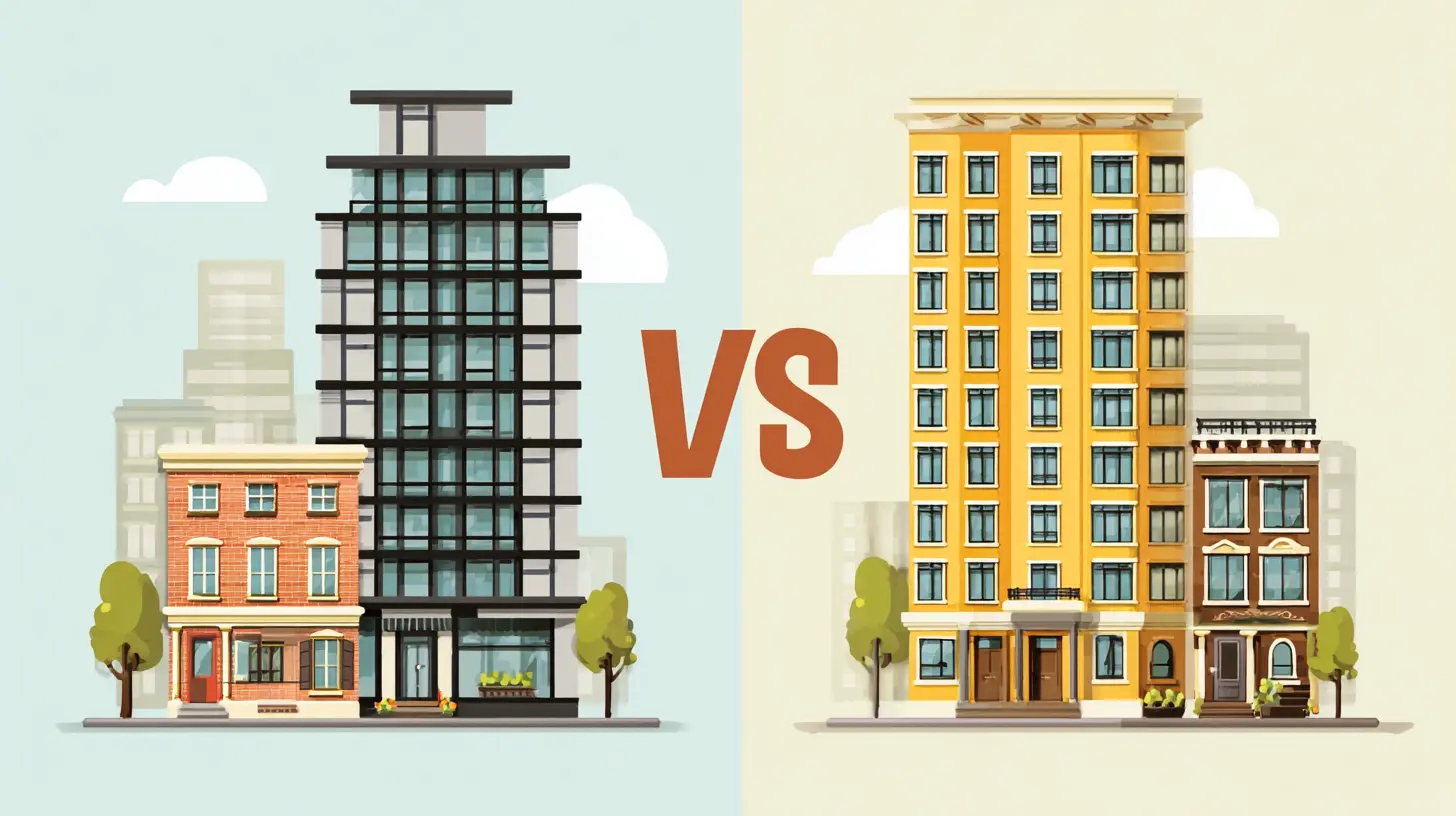
The Visible Iceberg: Monthly Payments Face-Off
Okay, let’s talk about the number everyone stares at first: the monthly outlay.The Renter’s Reality: Your rent in 2026 is likely a fixed (or predictably increasing) cost for the term of your lease. It’s simple. It includes, in most cases, nothing but the right to occupy that space. You write one check, and your biggest housing responsibility is fulfilled. There’s a beautiful, uncomplicated clarity to it. No surprise repair bills, no property tax headaches. It’s a known quantity, which for many, provides priceless peace of mind. But here’s the kicker—that known quantity is almost guaranteed to be higher next year, and the year after that. Your landlord’s costs (taxes, insurance, maintenance) go up, and those get passed directly to you. You are, in essence, paying their mortgage plus their profit margin, with zero equity in return.
The Buyer’s Breakdown: A mortgage payment in 2026 might look intimidating at first glance, especially the principal and interest portion. But here’s where the magic of a fixed-rate mortgage comes in. That core payment is locked in. For 30 years. While the world spins and rents climb, that part of your housing cost becomes a relic, a monument to a past financial decision. Sure, your total monthly outlay will also include property taxes and insurance (often escrowed), and these will creep up. But a significant portion of your payment is immune to inflation.
It’s like planting an oak tree versus buying cut flowers every month. The flowers (rent) are immediately beautiful and require no long-term commitment. But you have to buy them again, and again, and again, each time at the market’s whim. Planting the oak (a mortgage) requires more digging, more care upfront, and patience. But as it grows, it provides lasting value and stability that the temporary flowers never can.
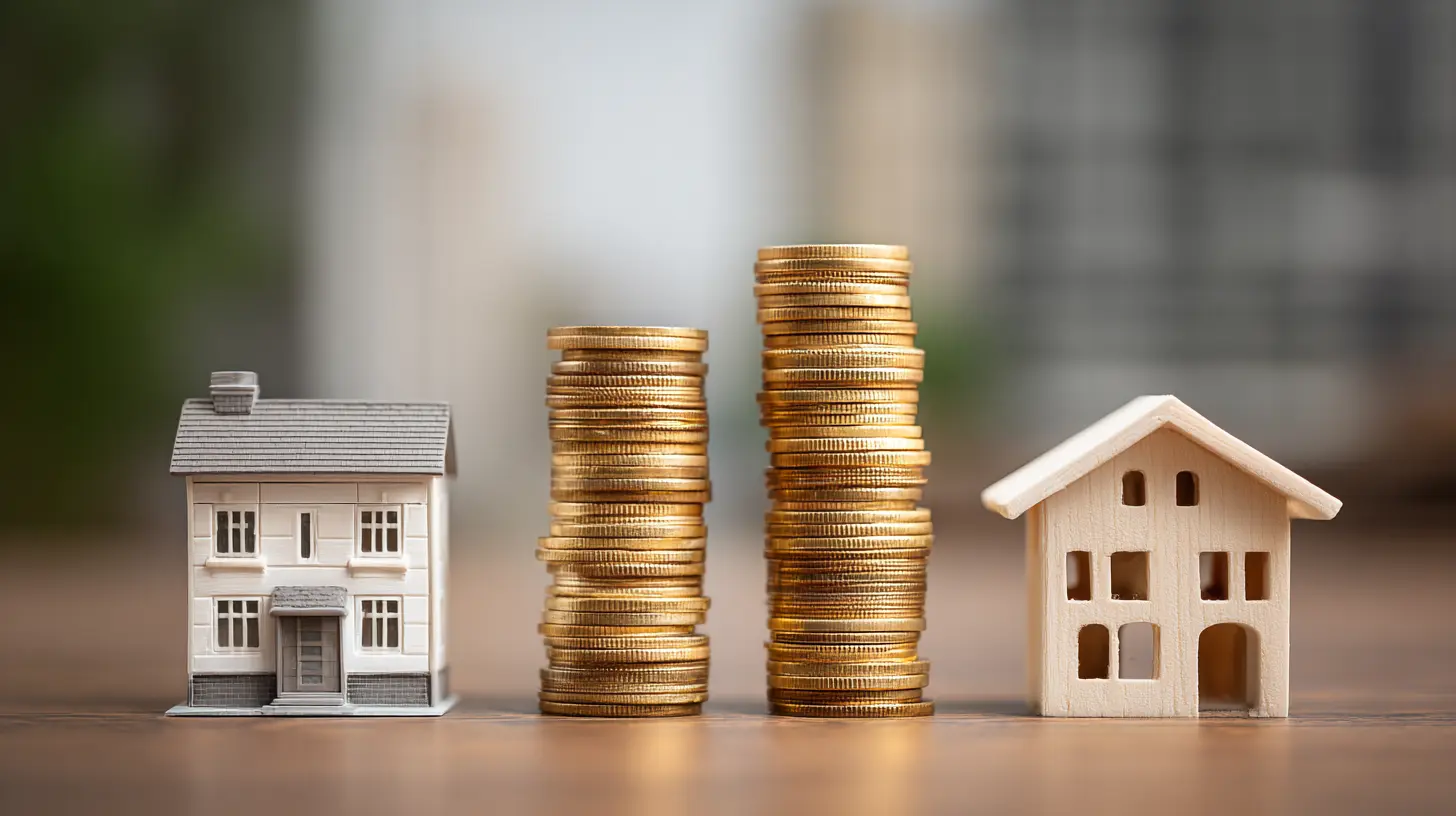
The Hidden Depths: Costs You Don't See Coming
This is where the "real cost" gets interesting. The monthly bill is just the tip of the financial iceberg.For Renters, The Hidden Cost is Opportunity.
Every rent payment is money that leaves your personal economy forever. It’s a sunk cost. The hidden, staggering expense of renting is the equity you never build. It’s the leveraged appreciation you miss out on. If your $2,000 monthly rent in 2026 were instead going toward a mortgage, a portion of that is paying down your loan balance (building equity) and the property itself could be gaining value. Over 5, 7, 10 years, that missed opportunity compounds into a monumental sum. You’re also at the mercy of lease renewals, potential non-renewals, and the inability to truly customize your space. What’s the cost of not being able to paint your child’s room their favorite color, or plant a garden you’ll see mature? It’s not zero.
For Buyers, The Hidden Cost is Responsibility.
Ah, the infamous "hidden costs of homeownership." They’re real, and in 2026, with potentially older housing stock on the market, they must be budgeted for. We’re talking 1-4% of your home’s value per year, on average, for maintenance and repairs. The roof, the HVAC, the water heater—they don’t last forever. Property taxes can rise. HOA fees can increase. There’s no landlord to call when the plumbing springs a leak at 2 AM; you are the landlord. This requires a financial and emotional buffer. It’s the cost of total control, which includes the responsibility when things go wrong.
The Wealth Factor: Building Net Worth vs. Building Your Landlord’s
Let’s cut to the ultimate bottom line: wealth creation. This is the grand canyon separating the long-term outcomes of renting and buying.Renting is a linear financial path. You pay for shelter. Full stop. It is an expense, neatly filed under "Cost of Living." It does not, in any way, contribute to your personal balance sheet.
Buying, however, is a form of forced savings with leverage. Each mortgage payment chips away at your debt. More importantly, you own an asset that, historically, appreciates over time. You’re not just saving; you’re investing, often with a bank’s money (your mortgage). Imagine buying a $400,000 home with a 10% down payment ($40,000). If that home appreciates a modest 3% annually, it gains $12,000 in value in the first year. That’s a 30% return on your initial $40,000 investment, thanks to leverage. As a renter, a 3% rise in the housing market only means one thing: your rent is about to go up.
By 2026, with more data and tools available, people will view a primary residence not just as a home, but as the foundational asset in their long-term wealth-building strategy. It’s the bedrock.
Flexibility vs. Roots: The Lifestyle Calculus
Money isn’t everything. The "cost" of your housing choice is also measured in life flexibility and stability.Renting offers unparalleled freedom. Got a dream job offer in another state? Your commitment is typically a lease-break fee, not a complex, time-sensitive sale. Hate your neighbors or the building management? You can leave when your lease is up. This mobility is incredibly valuable, especially early in a career or if you crave a nomadic lifestyle. The cost of buying here is opportunity cost—the job you might not take, the adventure you might postpone.
Buying is about planting roots. It’s about knowing you can’t be asked to leave in 12 months. It’s about painting walls, adopting a pet without permission slips, and knowing the school district your kids will grow up in. The cost of renting here is instability—the constant background hum of potential displacement and the lack of control over your own living environment. In 2026, as remote work solidifies, some may choose to plant roots in more affordable areas, making the stability of buying even more attractive.
The 2026 Decision Matrix: It’s Not One-Size-Fits-All
So, with all this laid out, how do you decide as we approach 2026? Throw the old, simplistic rules of thumb out the window. The decision is a deeply personal equation.Ask yourself:
What’s my timeline? If you’re likely to move within 3-5 years, the transaction costs of buying and selling (agent fees, closing costs) can easily wipe out any financial advantage. Renting might be the smarter financial* play in the short term.
* What’s my risk tolerance? Can I handle a surprise $10,000 repair bill without spiraling? Do market fluctuations keep me up at night? Homeownership is a long game that requires financial and emotional resilience.
* What do I value more: freedom or stability? Be brutally honest with yourself. There’s no wrong answer, only a wrong fit.
* Am I looking at the full picture? Don’t just compare rent to a mortgage P&I. Use online calculators that factor in taxes, insurance, maintenance, estimated appreciation, and opportunity cost on your down payment.
Your Path Forward: From Analysis to Action
If you’re leaning toward buying in 2026, start now. Get your financial house in order. Check your credit score, reduce debt, and start squirreling away for that down payment and a robust emergency fund (think 3-6 months of total expenses, plus a home repair fund). Get pre-approved so you know exactly what you’re working with. Knowledge is power, and in a nuanced market, it’s your greatest asset.If renting is your clear choice for this season of life, do it strategically. See it as a chance to save aggressively for future goals, whether that’s a home down the line or another investment. Negotiate your lease, understand local rent control laws, and always, always budget as if your rent will increase.
The Final Tally
The real cost of renting in 2026 is a lifetime of payments with no asset to show for it, traded for flexibility and simplicity. The real cost of buying is upfront commitment and ongoing responsibility, traded for potential wealth building and profound stability.In the end, your home is more than a line item on a budget. It’s the backdrop to your life. Whether you choose the flexible lease of an apartment in 2026 or the fixed-rate mortgage on a house, make sure the choice aligns not just with your wallet, but with the life you’re actively trying to build. The most expensive choice of all is the one made by default, without intention. So, which path builds the future you’re dreaming of?
all images in this post were generated using AI tools
Category:
Buying Vs RentingAuthor:

Elsa McLaurin
Discussion
rate this article
2 comments
Tate Barrett
In 2026, the decision to rent versus buy hinges on various factors, including interest rates, property values, and personal finances. While renting offers flexibility, buying builds equity and potential long-term savings. Prospective homeowners must carefully assess their financial situation and market conditions to make informed choices.
April 22, 2026 at 11:24 AM
Elsa McLaurin
You raise valid points. With interest rates and market trends, it's crucial for buyers to evaluate their financial readiness and long-term goals. Flexibility has its perks, but so does equity.
Aris Roberts
Invest in your future: owning beats renting in the long run!
April 21, 2026 at 10:41 AM
Elsa McLaurin
Thank you for your comment! Owning can provide long-term financial benefits, but it's essential to consider individual circumstances and market conditions before making a decision.