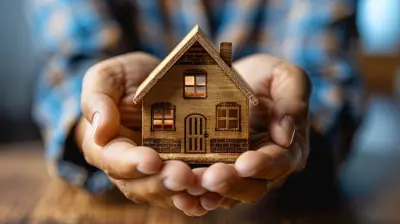
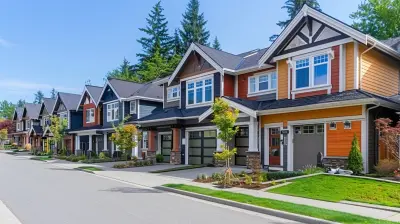
The Return of the Multi-Generational Household by 2027
30 April 2026
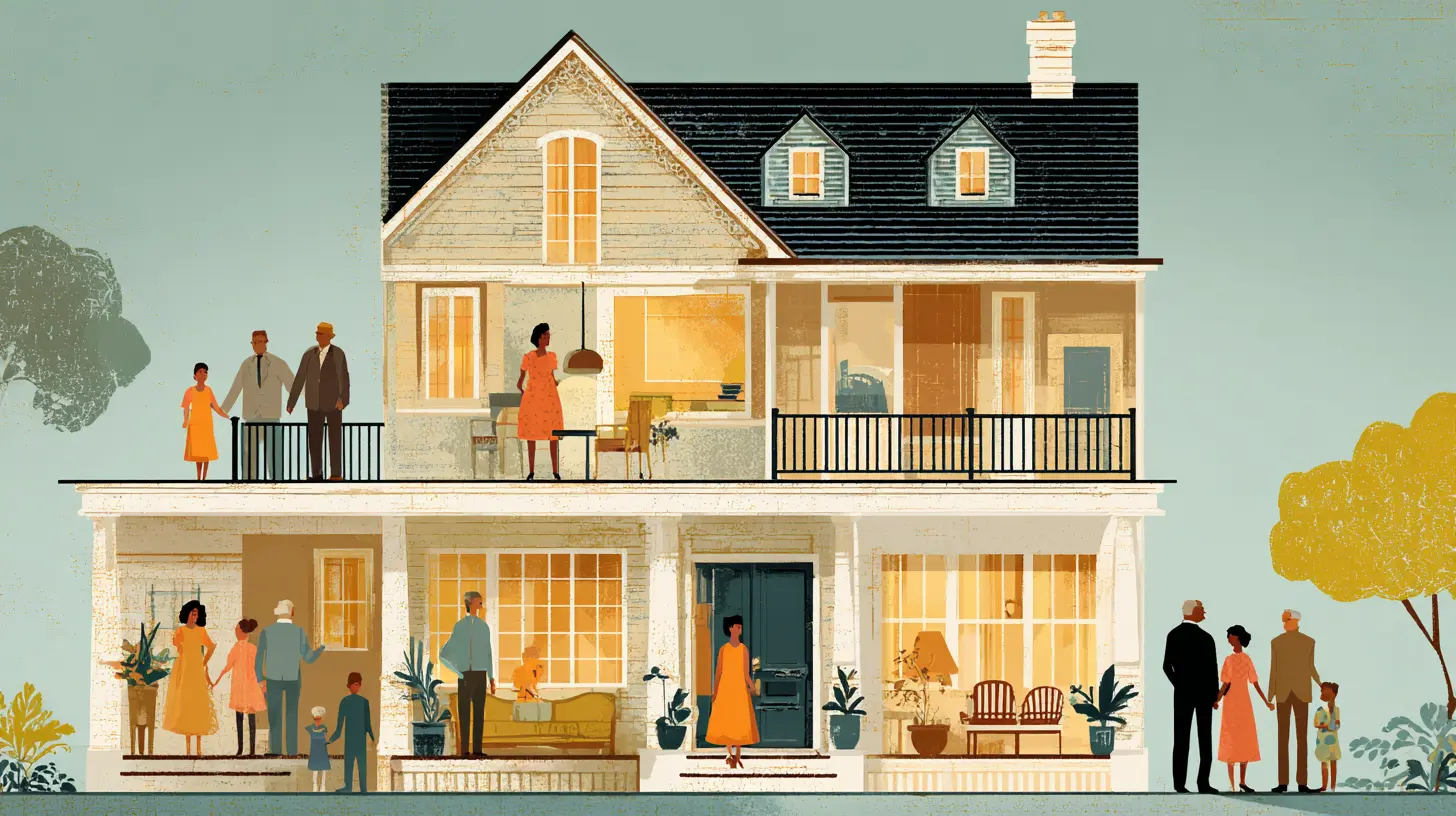
Let’s be real for a second: the American Dream—that white picket fence, the 2.5 kids, and a mortgage so heavy it practically owns you—has been on life support for a while. But guess what? By 2027, we’re not just tweaking the dream; we’re bulldozing it and building something far more interesting. I’m talking about the roaring comeback of the multi-generational household. Yes, that scenario where Grandma lives in the in-law suite, your adult kid is crashing in the basement (again), and your cousin’s best friend’s dog is somehow part of the lease. It’s not a sign of failure. It’s a revolution.
And honey, it’s about time.
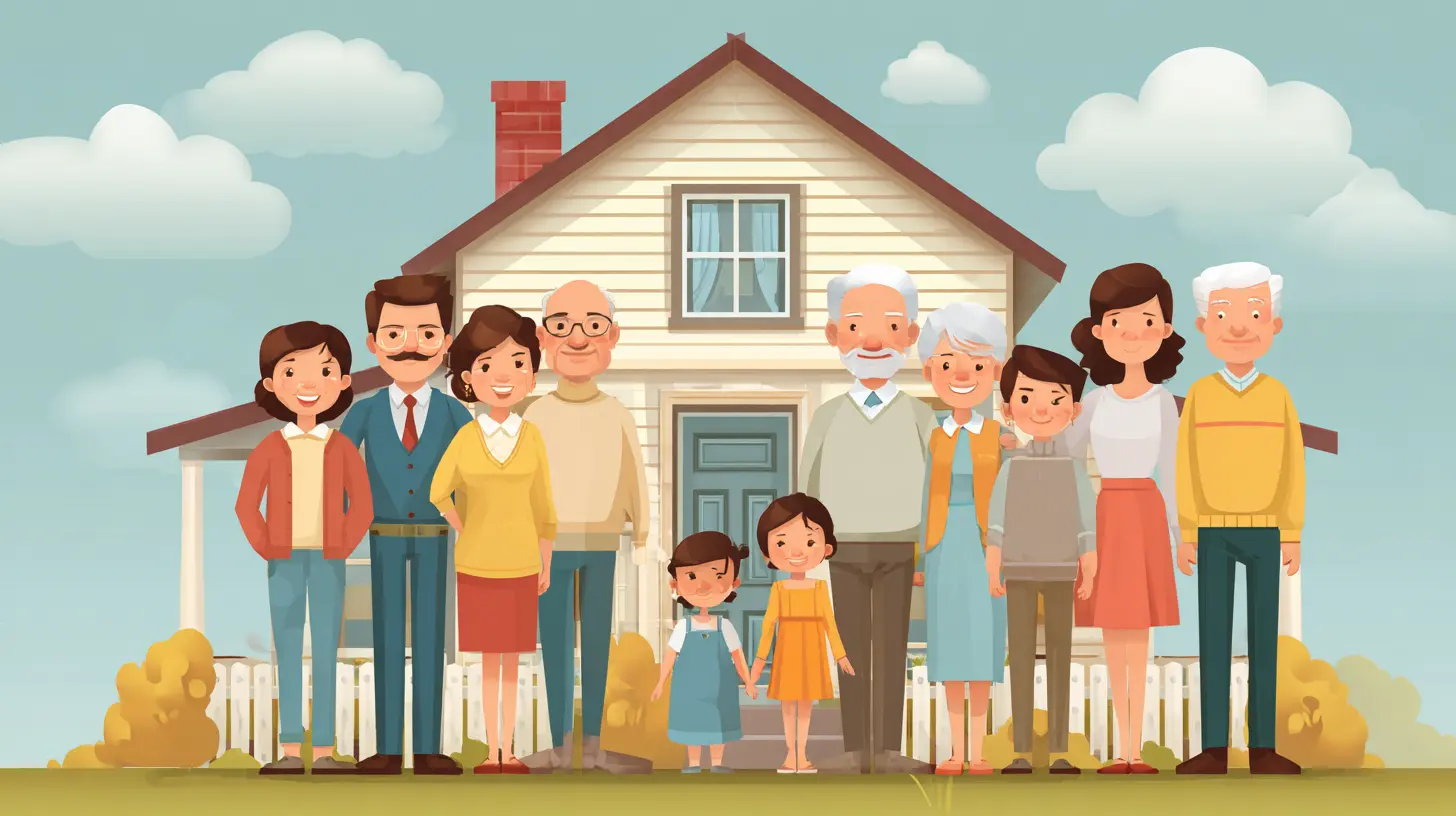
Why 2027? The Perfect Storm of “Nope, Can’t Afford That Alone”
You might be thinking, “Didn’t we already try this whole living-with-family thing during the pandemic? Isn’t that over?” Oh, you sweet summer child. That was just the appetizer. The main course—served piping hot by 2027—is a full-blown economic and social convergence that’s making solo living look as outdated as a flip phone.The Housing Market: Still a Dumpster Fire (But With a Fancy Label)
Let’s talk about the elephant in the living room—the housing market. By 2027, we’re looking at a landscape where the median home price has become a punchline. Interest rates? They’ve been doing the limbo: how low can they go? But even if rates drop, prices aren’t following. We’ve got a chronic undersupply of homes, builders who are still crying over lumber costs, and a generation of millennials and Gen Z who are staring at down payments that look like lottery jackpots.So, what’s the solution? You don’t buy a house alone. You don’t rent alone. You pool your resources like a tribe. Multi-generational living isn’t just a nice idea; it’s the financial life raft. By 2027, it’s going to be the sensible choice. Grandma’s Social Security check plus your salary plus your brother’s side hustle? That’s a down payment. That’s a mortgage approval. That’s survival.
The “Boomerang” Generation Is Now a Permanent Resident
Remember when moving back in with your parents after college was seen as a temporary embarrassment? By 2027, that stigma is dead. Buried. We’ve renamed it “strategic cohabitation.” The reality is simple: student loan debt is still a monster, the gig economy is unstable, and the cost of living in cities has made the “roommate” model obsolete. Why split a cramped apartment with three strangers when you can split a whole house with people you actually (mostly) like?The boomerang kids aren’t leaving. They’re building a guesthouse in the backyard. And the parents? They’re secretly thrilled. They get help with the yard work, someone to fix the Wi-Fi, and a built-in audience for their stories about “walking uphill both ways in the snow.”
Aging Parents: The Silent (and Loud) Return
Here’s the part nobody talks about in polite company: our parents are getting old, and assisted living is a scam that costs more than a private jet. By 2027, the oldest Boomers are hitting their 80s. They don’t want to be shipped off to a facility where the pudding is beige and the activities involve bingo. They want to be near their grandkids. They want to feel useful.And you know what? You want them there too. They can watch the kids while you work, cook meals that don’t come from a box, and provide that undying loyalty that no hired nanny or dog walker can match. The multi-generational household becomes a built-in caregiving solution. It’s not just about saving money; it’s about saving the family unit from fragmentation.
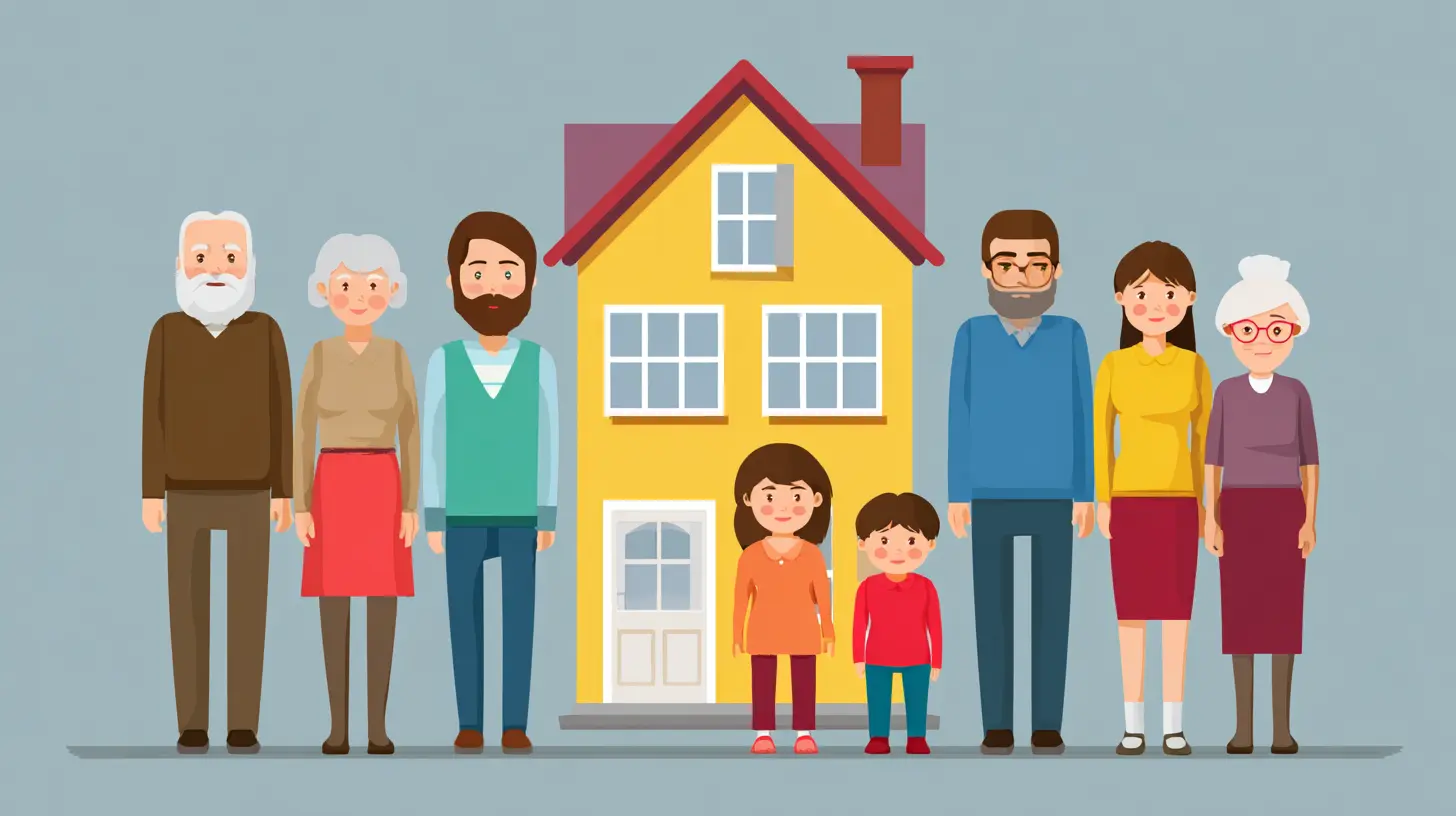
The Floor Plan Revolution: Bye-Bye, Open Concept. Hello, Privacy Zones.
If you think the multi-generational home of 2027 is just a cramped house with people tripping over each other, you’re dead wrong. The real estate industry is pivoting hard. Builders are finally listening.The Rise of the “Mother-in-Law” Suite (Now Called a “Junior ADU”)
Accessory Dwelling Units (ADUs) are the new black. By 2027, you won’t find a new development that doesn’t have a separate entrance, a small kitchenette, and a private bathroom tucked into the floor plan. We’re not just adding a spare bedroom; we’re creating a self-contained universe. Grandma gets her own space. Your adult kid gets their own zone. You get the main house. Everyone has a door they can close.This isn’t charity. It’s smart design. It’s the difference between “I’m going to scream if I hear one more TikTok” and “Let’s meet for dinner at 7.” The floor plan is the referee in this game, and by 2027, it’s going to be the star player.
The “Flex Space” That Actually Flexes
Forget the formal dining room nobody uses. The new home has a “flex space” that can be a home office, a bedroom, a yoga studio, or a storage room for your cousin’s vinyl collection—depending on who’s visiting that week. These rooms are designed with Murphy beds, sliding walls, and acoustics that can handle a Zoom call and a teenager’s guitar practice without a divorce.The key? Soundproofing. Lots of it. Because love is grand, but silence is golden. By 2027, the best feature in a home won’t be the granite countertops. It’ll be the triple-pane windows and the insulated interior walls that let you live together without living together.
The Social Contract: Rules for the Multi-Gen Household
Living with multiple generations isn’t just about square footage. It’s about a new social contract. This isn’t your parents’ house where you had to follow their rules until you were 18. This is a negotiation.The “Who Pays for What?” Conversation (Get Ready to Get Uncomfortable)
Let’s get sassy: money talks, and in a multi-gen home, it has to scream. By 2027, families are sitting down with spreadsheets (or an app) and dividing costs like a business partnership. Who pays for utilities? Who buys the groceries? Who covers the property tax? If Grandma lives in the ADU, does she pay rent? (Hint: She should, even if it’s symbolic.)The bold truth is that resentment builds when expectations are unclear. So, you’re going to have the awkward conversation upfront. “Hey, Mom, I love you, but you’re paying for the internet.” It’s not rude. It’s adulting. And it’s the only way this works.
Boundaries, Not Walls
You can’t just throw people together and hope for the best. That’s how reality TV shows are made, not functional families. You need rules about:- Kitchen hours: Who cooks when? Can you eat someone else’s leftovers? (Answer: No, unless you want war.)
- Noise levels: Quiet hours exist for a reason. If you’re watching a movie at 2 AM, use headphones.
- Guest policies: Can your sister’s new boyfriend crash on the couch? For how long?
- Chores: You’re not a hotel. Everyone contributes.
By 2027, families are treating these rules like a constitution. And they’re updating them annually. Because what worked when your son was 22 might not work when he’s 25 and has a partner.

The Emotional Payoff: Why It’s Actually Better
Okay, I’ve painted a picture of spreadsheets and soundproofing. But let’s not forget the heart of it. The multi-generational household isn’t a compromise. It’s an upgrade.Built-In Childcare (Without the Guilt)
If you have kids, you know the struggle of finding a babysitter you trust. By 2027, the babysitter lives in the house. Grandma or Grandpa can read stories, help with homework, and be the loving presence that no app can replace. And you, the parent, get to actually have a date night without paying $30 an hour. It’s a win-win.The End of Loneliness
We live in an epidemic of loneliness. People are isolated, scrolling through social media while feeling completely disconnected. A multi-gen home is the antidote. You have built-in conversation at the dinner table. You have someone to watch the game with. You have a living, breathing support system that doesn’t require a text message. It’s messy, yes. But it’s real.Financial Resilience That Bends, Not Breaks
When one person loses their job, the household doesn’t collapse. When a medical emergency hits, there are extra hands and extra income. By 2027, the multi-gen household is the ultimate hedge against economic chaos. It’s not just about surviving; it’s about thriving. You can take risks—start a business, go back to school, change careers—because you have a safety net made of family.The 2027 Home: A Sneak Peek
Let’s paint a picture of the typical multi-gen home by 2027. It’s a 4-bedroom, 3-bath house in a suburban neighborhood that’s walkable to a coffee shop. The backyard has a small, separate structure—the ADU—with a porch swing. Inside, the main house has a large kitchen with two refrigerators (one for the family, one for the in-law). The basement is a “teen zone” with its own entrance. The living room is designed for gatherings, with a large table that seats 10.The garage? It’s been converted into a workshop or a home gym. Because everyone needs their own thing.
And the best part? The property taxes are split three ways. The mortgage is manageable. The utility bills are fair. The family has a shared calendar on the fridge (and on the phone) that tells everyone who’s cooking dinner on Tuesday.
The Skeptics: “Won’t It Be a Disaster?”
Of course, there will be drama. There will be fights over the thermostat. Someone will eat the last slice of cake. You’ll hear your father-in-law’s snoring through the walls. But here’s the thing: you’re going to have those conflicts anyway, even if you live alone. The difference is that in a multi-gen home, you have the infrastructure to resolve them. You have the shared goal of keeping the household together.And let’s be honest: isn’t it better to fight with people who actually love you, rather than with a landlord who raises your rent every year?
The Bottom Line: Get Ready, Because It’s Coming
By 2027, the multi-generational household won’t be a niche trend. It’ll be the new normal. It’ll be what smart, resilient families do. It’ll be the answer to the housing crisis, the caregiving crisis, and the loneliness crisis all rolled into one.So, if you’re thinking about buying a home, start planning for extra space. If you’re a builder, start designing for three generations. If you’re a parent, start having the conversation with your kids and your parents. Because the train is leaving the station, and it’s headed straight for a house where everyone has a key.
Are you ready to share the bathroom? Are you ready to share the mortgage? Are you ready to share the love?
I thought so. Welcome to the future. It’s crowded, it’s loud, and it’s absolutely brilliant.
all images in this post were generated using AI tools
Category:
Housing TrendsAuthor:

Elsa McLaurin
Discussion
rate this article
2 comments
Lana McNair
Multi-generational homes offer savings and shared support benefits.
May 18, 2026 at 4:29 AM
Elsa McLaurin
Absolutely, multi-generational homes can lead to significant financial savings and stronger family bonds. It's a win-win for many families.
Brittany Benson
This shift towards multi-generational households is a wonderful opportunity for families to connect, share resources, and support each other. Embracing this trend can strengthen bonds and create lasting memories.
May 1, 2026 at 4:34 AM
Elsa McLaurin
I completely agree. Multi-generational living fosters deeper connections and enriches family life in so many ways. It's an exciting shift.