The Rise of Remote Work Communities by 2026
19 April 2026
Remember the old dream? The one where you’d climb the corporate ladder, buy a house near the office with a punishing commute, and your community was simply the people fate placed in your zip code? That dream is being quietly, powerfully, rewritten. We’re standing at the precipice of a seismic shift in how we live and work, and by 2026, the landscape won’t just be different—it will be fundamentally reimagined. Welcome to the era of the remote work community. This isn’t just about working from your couch in pajamas (though, let’s be honest, that’s a nice perk). It’s about a collective awakening: the understanding that where we live can finally be a choice, not a compromise. And we’re choosing connection.
I want you to picture something with me. Imagine trading the soul-sucking, bumper-to-bumper traffic for a morning stroll to a shared workspace overlooking a mountain range or a serene lake. Imagine your neighbors aren’t just strangers behind closed doors, but fellow designers, developers, writers, and entrepreneurs you can brainstorm with over a coffee or a hike. This isn’t a utopian fantasy for a lucky few; it’s the rapidly materializing future for millions. By 2026, remote work communities will have evolved from a niche trend into a mainstream housing and lifestyle sector. Let’s dive into why this is happening, what it will look like, and what it means for you.
The Perfect Storm: Why 2026 Isn't Just a Guess
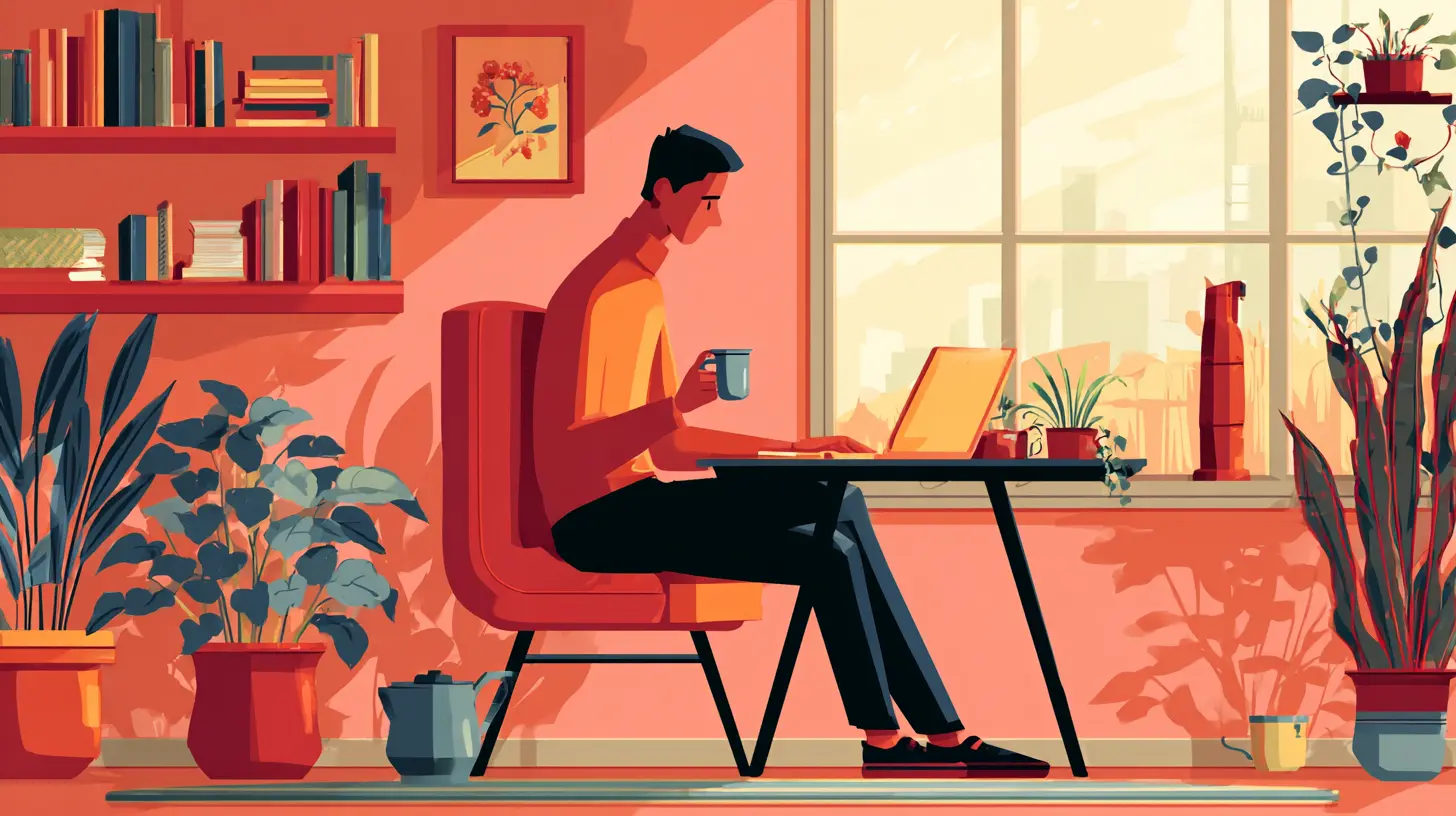
Think of this rise not as a single trend, but as a perfect storm of technological, cultural, and economic forces converging. The pandemic didn’t create this wave—it simply lifted the curtain on a possibility that technology had already enabled. We proved, on a global scale, that productivity doesn’t vanish outside a cubicle. In fact, for many, it soared. That genie isn’t going back in the bottle.But here’s the catch we all discovered: working remotely can be, well, lonely. The watercooler chats, the spontaneous lunches, the sense of belonging—these are human needs, not office perks. At the same time, skyrocketing housing costs in traditional tech and business hubs have pushed people to ask, “What am I really paying for?” If the office is optional, why pay a premium to be near it? This confluence of a proven work model, a hunger for community, and economic pragmatism is the rocket fuel for this movement. By 2026, these forces will have fully matured, moving from early adoption to early majority.
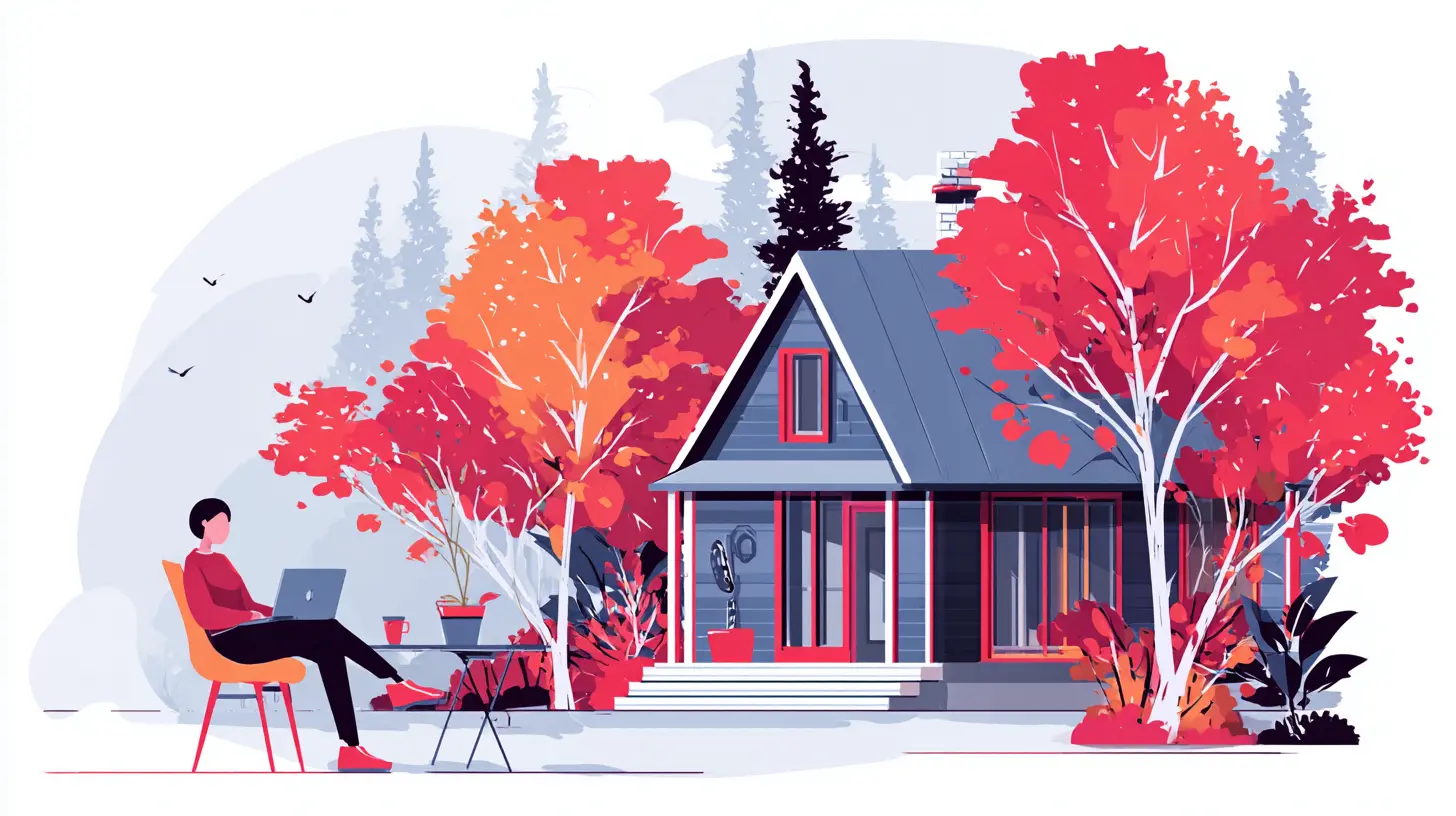
Beyond the Co-Living Space: The Anatomy of a 2026 Remote Work Community
So, what exactly will these communities look like? Forget the sterile, temporary feel of some early co-living experiments. The 2026 remote work community is designed for holistic living.The Heart: Purpose-Built Hubs, Not Just Houses
These won’t be mere apartment complexes with a token “business center.” We’re talking about master-planned environments. Picture neighborhoods or entire small towns conceived from the ground up for the remote professional. The architecture will blend private living spaces—from cozy studios to family homes—with vibrant public infrastructure. The central plaza isn’t just for show; it’s home to a state-of-the-art coworking space with fiber-optic internet, soundproof pods for calls, and workshop areas. Next door, a café doubles as a casual meeting spot. There’s a gym, maybe a yoga studio, and communal gardens. The physical design actively encourages interaction and serendipity—the very things we lost when our home became our office.The Soul: Curated Connection & Shared Identity
This is the real magic. A zip code doesn’t create community; shared experiences do. The 2026 community will have a “community manager” or director, a role as crucial as any building superintendent. Their job? To foster connection. This means organized weekly socials, skill-sharing workshops (from coding to sourdough baking), founder mixers, and family-friendly events. The community might develop a shared identity around a passion—like an outdoor-focused community in the Rockies for adventurous types, or an arts-imbued community in a revitalized small town. You’re not just renting a space; you’re joining a tribe with a built-in social and professional network.The Backbone: Seamless Digital-Physical Integration
The community’s digital layer will be as important as its physical one. A dedicated community app won’t just be for reporting a leaky faucet. It will be the nexus of life: you can book a coworking desk, RSVP to a potluck dinner, join a pickup basketball game, or find a collaborator for your startup idea. It’s the digital town square, ensuring the community thrives beyond chance encounters. This seamless blend is what will make these places feel less like a housing option and more like a chosen home.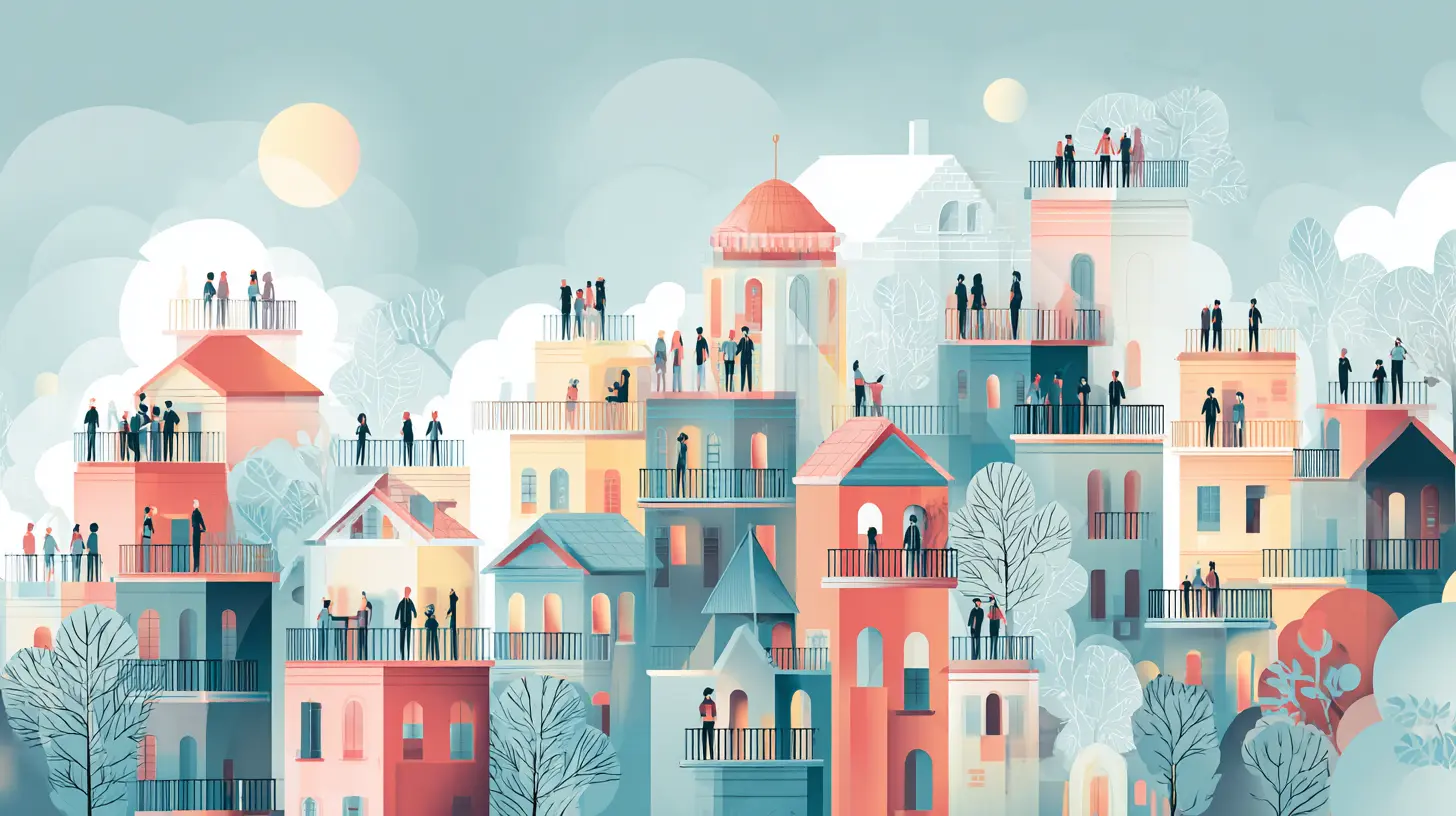
The Ripple Effect: Reshaping Real Estate and Revitalizing Regions
The implications of this shift are staggering. Let’s talk real estate. The classic “location, location, location” mantra is being reinterpreted. Proximity to a city center is being rivaled—and often surpassed—by new metrics: proximity to nature, quality of community infrastructure, and reliability of internet connectivity. Properties in areas poised to host these communities will see incredible demand. We’re not just talking new construction; existing small towns with character, good bones, and natural beauty will be revitalized. Imagine historic main streets filled not with shuttered stores, but with cafes, independent boutiques, and service providers catering to this new demographic.This is a massive opportunity for secondary cities and rural areas. They can attract a talented, economically active population without needing to land a single factory or corporate headquarters. The tax base grows, schools benefit, and a cycle of positive development begins. Conversely, traditional suburban sprawl built solely on the premise of being a bedroom community for a distant city may face challenges. Why live there if you never need to drive to the city?

The Human Element: Solving for Happiness, Not Just Productivity
At its core, this movement is about solving for human happiness. We’ve spent decades bending our lives around work. The remote work community flips the script: it bends the structure of living around a fulfilling life, with work integrated healthily within it.The mental health benefits are profound. The isolation of full-time remote work is replaced with readily available social connection. The blurring lines between “home” and “office” are redrawn by having a dedicated, short walk to a professional workspace. The stress of a long commute is erased, gifting hours back to your day for hobbies, family, or simply rest. For digital nomads and solo entrepreneurs, it provides the stability and social nourishment that constant travel often lacks. For families, it offers a supportive environment and a safer, more engaging backdrop for childhood.
Challenges on the Horizon: Not All Sunshine and WiFi
Of course, this future isn’t without its wrinkles. As these communities become desirable, we must guard against them becoming exclusive enclaves, simply recreating economic segregation in a prettier package. Affordability and intentional diversity will be key challenges for developers and planners.There’s also the risk of homogenization—will these communities become bubbles of similar people with similar jobs? The most successful ones will actively cultivate a mix of professions, backgrounds, and ages. Furthermore, local tensions can arise between new arrivals and long-time residents in revitalizing towns. Sensitivity, integration, and mutual benefit must be central to the ethos, not an afterthought.
And let’s not forget the practicalities: these communities will live and die by the reliability of their infrastructure. A town with spotty electricity or internet is a non-starter. Investment in robust, often renewable, utilities will be non-negotiable.
Your Place in the 2026 Landscape
So, where do you fit in? Whether you’re a remote employee, a freelancer, an entrepreneur, or a real estate enthusiast, this shift opens a world of possibility.For the Remote Worker: Start thinking beyond the rent vs. buy calculus in your current city. Ask yourself: “If my job location is truly irrelevant, where would I thrive?” What environment fuels your creativity and well-being? Your choices are about to expand exponentially.
For Real Estate Professionals: The game is changing. Understanding the values of this new demographic—community amenities, fiber internet specs, lifestyle alignment—will be crucial. You’re not just selling square footage; you’re selling a potential lifestyle and a network.
For Investors and Developers: The opportunity is vast, but it requires a new playbook. It’s not just about building units; it’s about curating an experience and fostering a social ecosystem. Partnering with community-building experts will be as important as partnering with architects.
The Bottom Line: A Return to Village Life, Powered by Tech
In a strange, beautiful way, the remote work community of 2026 brings us full circle. For centuries, people lived and worked in close-knit communities—the village blacksmith, the tailor, the baker, all living near their trade and supporting one another. The Industrial Revolution pulled us apart, centralizing work in factories and offices, divorcing where we live from where we work.Now, digital technology is allowing us to return to that integrated model, but with global reach and unprecedented choice. We’re using the most advanced tools to fulfill one of our most ancient desires: to belong to a place and a people. By 2026, the question won’t be, “Where is your office?” It will be, “Where is your community?” And your answer will define not just your career, but your life.
The rise of remote work communities is more than a real estate trend. It’s a quiet revolution in how we define success, balance, and connection. The future isn’t just remote; it’s rooted. And it’s waiting for you to log on, and plug in.
all images in this post were generated using AI tools
Category:
Housing TrendsAuthor:

Elsa McLaurin
Discussion
rate this article
2 comments
Tempra Cook
This article beautifully encapsulates the transformative shift towards remote work communities. It's inspiring to see how our living environments are evolving to foster connection and collaboration. The future holds incredible potential for creativity and innovation as we adapt to this new way of working and living together.
April 19, 2026 at 12:50 PM
Elsa McLaurin
Thank you! I'm glad you found it inspiring. The evolution of our workspaces is truly exciting and opens up new possibilities for connection and creativity.
Maxwell Wood
As remote work reshapes our landscape, communities will evolve into vibrant hubs of collaboration and innovation. This shift challenges traditional notions of home and belonging, urging us to reconsider how we define community in an increasingly digital and interconnected world.
April 19, 2026 at 3:54 AM
Elsa McLaurin
I appreciate your insight. Remote work is indeed transforming our connections and redefining what community means. Exciting times ahead.