The Role of Historical Architecture in Property Appraisals
12 August 2026
When it comes to real estate, history isn’t just something you read about in books—it plays a massive role in property valuations. Ever wondered why a century-old Victorian home might be worth more than a modern build of the same size? That’s the magic of historical architecture. Not only does it add charm and character, but it also impacts property appraisals in major ways.
So, if you’re curious about how those gorgeous old buildings influence property values, stick around. We’re breaking down why historical architecture can make or break an appraisal and how it all ties into real estate investments.

What Is Historical Architecture?
Simply put, historical architecture refers to buildings that reflect the design, materials, and craftsmanship of a particular era. Think Gothic churches, Georgian townhouses, or Art Deco apartments. These structures aren’t just homes; they tell stories of the past and often showcase construction techniques that are hard to replicate today.Historical architecture can be categorized into different styles based on the period they were built in. Some common styles include:
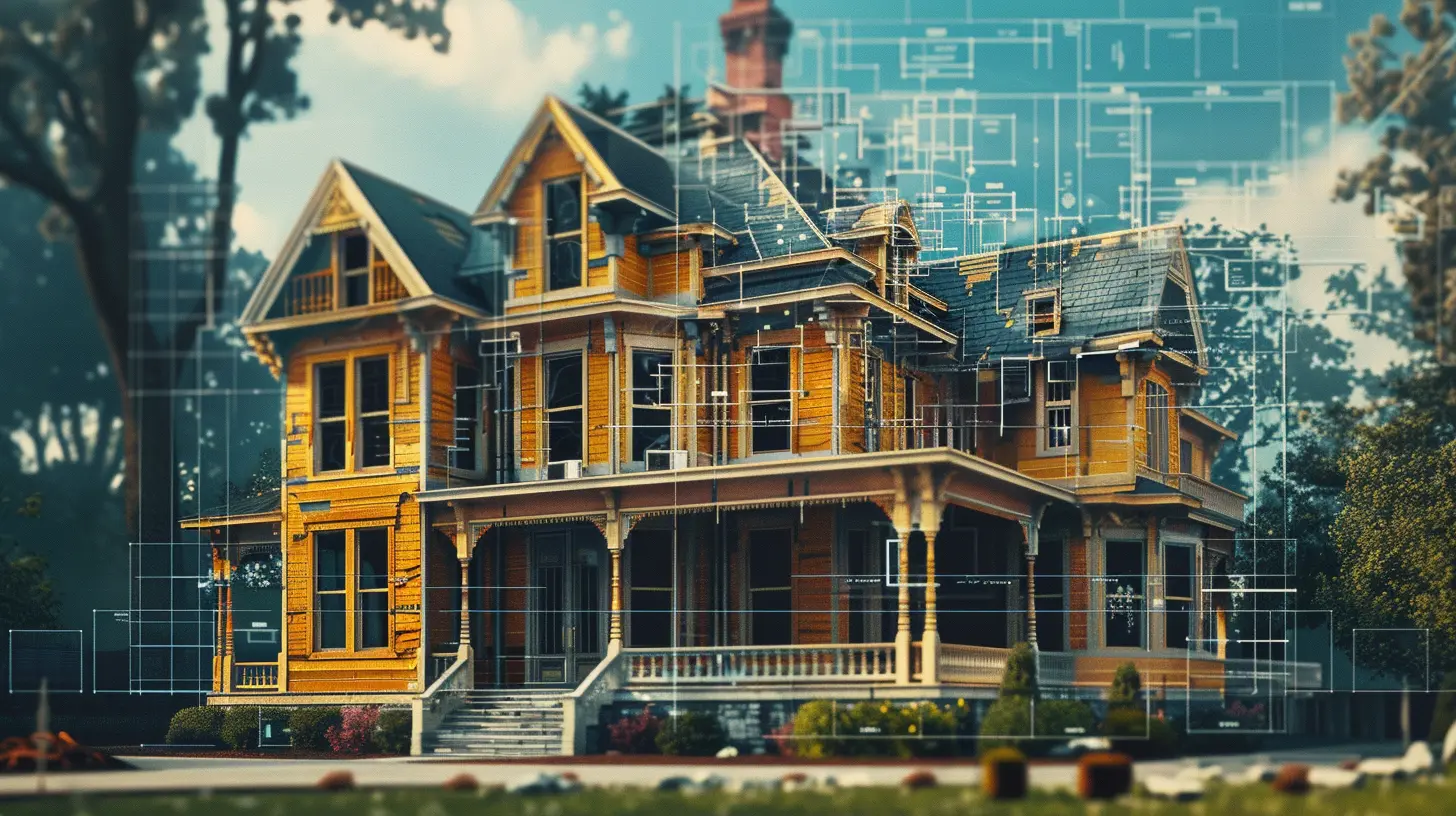
- Victorian – Intricate woodwork, steep roofs, and colorful facades.
- Colonial – Symmetrical designs with brick or wood siding.
- Art Deco – Sleek lines, bold colors, and geometric patterns.
- Mid-Century Modern – Clean lines, open spaces, and large windows.
Each of these designs offers something unique, which is why they hold a special place in the world of property appraisals.
How Historical Architecture Affects Property Appraisals
1. Architectural Uniqueness and Market Desirability
One of the biggest factors that influence an appraisal is demand. A home with historical significance often has a level of uniqueness that modern properties lack. Buyers love the authenticity, craftsmanship, and charm of historical homes, which can drive up their value.Unlike cookie-cutter developments, these properties stand out. They are harder to replicate due to the materials and techniques used at the time of construction. As a result, an appraiser may place a premium on a property that exhibits exemplary architectural significance.
2. Quality of Craftsmanship and Materials
Let’s be real—most modern homes are built for efficiency, not longevity. Compare that to historical buildings, which were constructed with materials that have stood the test of time, like hand-carved wood, original brickwork, and stained glass.Because of this, appraisers often take into account the durability and quality of these old-world materials. If a historical home has been well-maintained with its original features intact, its value can rise significantly.
3. Cultural and Historical Significance
Certain properties hold more than just aesthetic value—they carry historical significance. A home that was once owned by a prominent figure or is located in a historically rich neighborhood can have additional appraisal value.For example, homes in districts like Charleston, Savannah, or New Orleans—where architecture tells the story of America’s past—tend to remain high in value due to their cultural importance.
In many cases, historical associations or local governments designate certain buildings as landmarks, which can further boost their appraised value.
4. Location and Historical Districts
A home's value isn’t just about the structure itself—it’s also about where it’s located. Historical districts often have strict preservation laws that maintain the integrity of the neighborhood. This controlled environment assures buyers that the surrounding properties will retain their charm and won’t be replaced by modern developments.Appraisers look at the overall setting of a historical home and consider whether it is part of a well-preserved district. Properties located in these areas can fetch a higher value due to their desirable surroundings.
5. Limitations Due to Preservation Constraints
Now, historical homes aren’t always a walk in the park. While they carry significant value, they also come with strings attached.Many historical properties fall under preservation regulations that limit what homeowners can change. Want to replace those old windows with energy-efficient ones? Not so fast—the local preservation board might not allow it.
Because of these restrictions, appraisers may factor in the costs and challenges of maintaining or updating the home while assessing its value.
6. Renovation and Restoration Efforts
Not all old homes are in pristine condition. If a historical property needs extensive repairs or hasn’t been restored properly, it could negatively impact its appraisal value.Buyers willing to invest in restoring historical homes often need a healthy budget to cover costs for specialized craftsmen and materials. However, a well-restored property can significantly increase in value over time, making it worth the effort.
7. Energy Efficiency and Modern Adaptations
One of the biggest drawbacks of historical properties is their lack of energy efficiency. Many old homes were built before the concept of insulation and modern HVAC systems. While upgrades are possible, they often come at a high cost.That being said, appraisers take into consideration how well a historical home has been modified for modern living. If a property has been upgraded with energy-efficient features while maintaining its historic charm, it can add to the overall appraisal value.
Is Investing in Historical Architecture Worth It?
Owning a historical home is like owning a piece of history—it’s unique, full of charm, and often carries significant value. But, it’s not for everyone.While historical architecture can boost property value through uniqueness, craftsmanship, and location, it also comes with challenges. Preservation requirements, costly renovations, and maintenance demands can be hurdles that potential buyers and investors need to consider.
So, is it worth it? If you have a passion for history and don’t mind the extra effort, a historical property can be a rewarding investment. But if you're after a low-maintenance property with modern conveniences, it may not be the right fit.

Final Thoughts
Historical architecture isn’t just about aesthetics—it plays a crucial role in property appraisals. From craftsmanship and location to market desirability and preservation laws, appraisers weigh various factors when evaluating these unique properties.If you’re looking at an older home, understanding its historical significance can help you make a more informed decision. Whether you’re a homeowner, investor, or just someone fascinated by architecture, knowing how history shapes property values can be a game-changer.
Would you invest in a historical home, or do you prefer the convenience of a modern build? Let us know your thoughts!
all images in this post were generated using AI tools
Category:
Real Estate AppraisalAuthor:

Elsa McLaurin
Discussion
rate this article
1 comments
Hesper McCool
This article highlights an important aspect of real estate. Understanding how historical architecture influences property appraisals can really help buyers and sellers make informed decisions. Great insights!
August 21, 2026 at 2:44 AM
Elsa McLaurin
Thanks for your feedback! I'm glad you found the insights useful. Understanding historical architecture is key for navigating real estate effectively.