Tiny Homes and the Search for Affordable Living
3 November 2026
Housing costs have outpaced wages in most major markets for years, and the gap keeps widening. That squeeze has pushed a lot of people to look at smaller footprints, not as a lifestyle statement but as a practical escape hatch. Tiny homes sit at the center of that conversation. They promise low overhead, minimal maintenance, and a way to own something outright instead of renting indefinitely. The reality is more complicated, and worth unpacking carefully before anyone sells a car and buys a trailer.
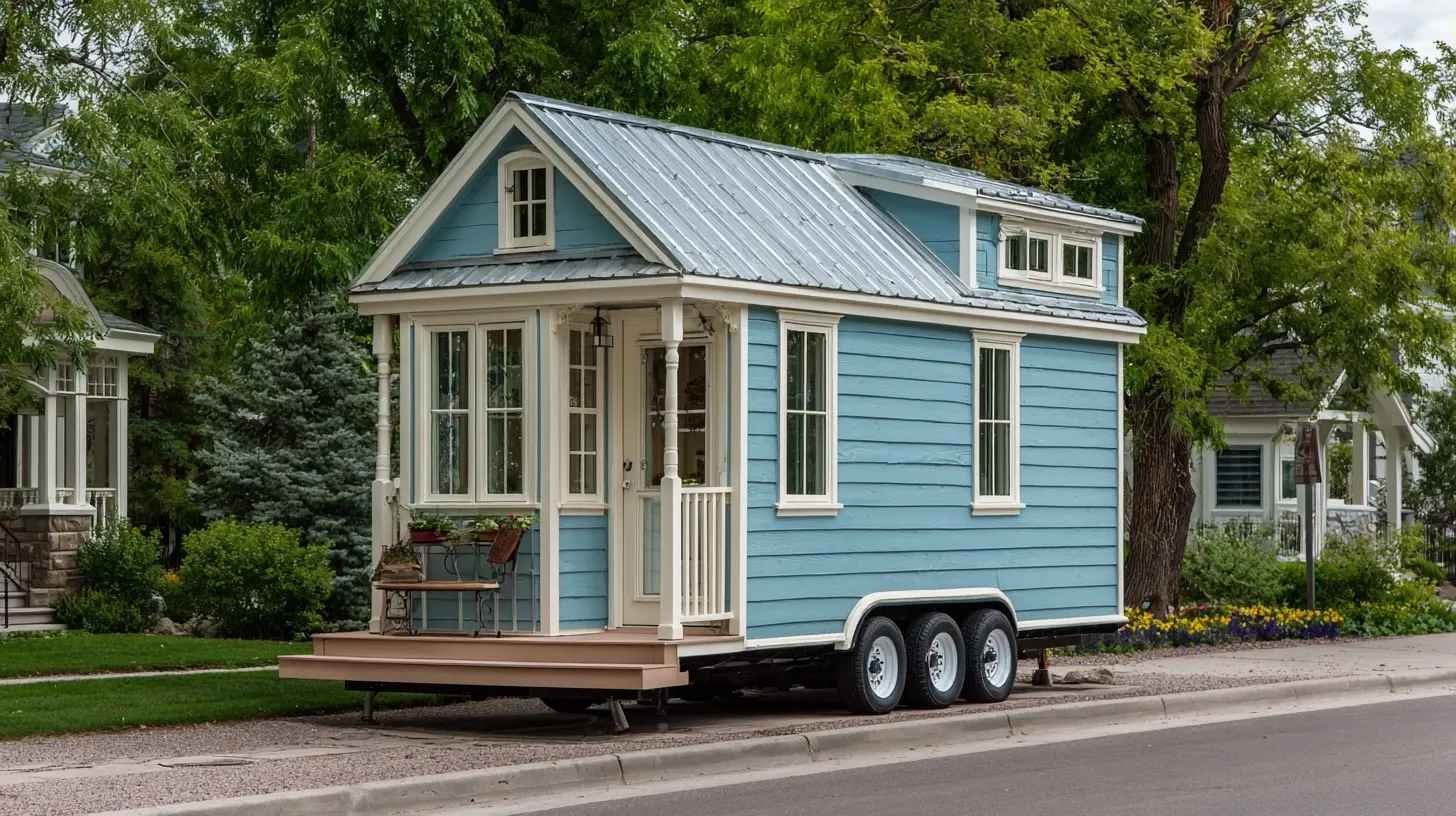
What a Tiny Home Actually Is
The term gets used loosely. In practice, it covers several distinct categories, each with different rules, costs, and risks.The Main Types
Tiny houses on wheels (THOWs). Typically built on a trailer chassis, ranging from roughly 100 to 400 square feet. They can be moved, though most are not moved often. They usually fall under RV or trailer regulations rather than building codes, which is both the appeal and the problem.Park model RVs. Factory-built units up to about 400 square feet, designed for seasonal or temporary occupancy. They conform to a national standard (ANSI A119.5) and are easier to finance and insure than custom THOWs, but they are still treated as vehicles in many jurisdictions.
Container and cabin conversions. Shipping containers or prefab cabin kits adapted for full-time living. These often sit on foundations and can qualify as accessory dwelling units (ADUs) in permissive jurisdictions.
Small site-built homes. Stick-built structures under roughly 500 square feet on permanent foundations. These are the easiest to permit and finance because they are just houses, only smaller.
The distinction matters enormously. A site-built 400 square foot home and a 400 square foot THOW look similar in photos but operate under completely different legal and financial systems. Confusing the two is one of the most common and expensive mistakes buyers make.
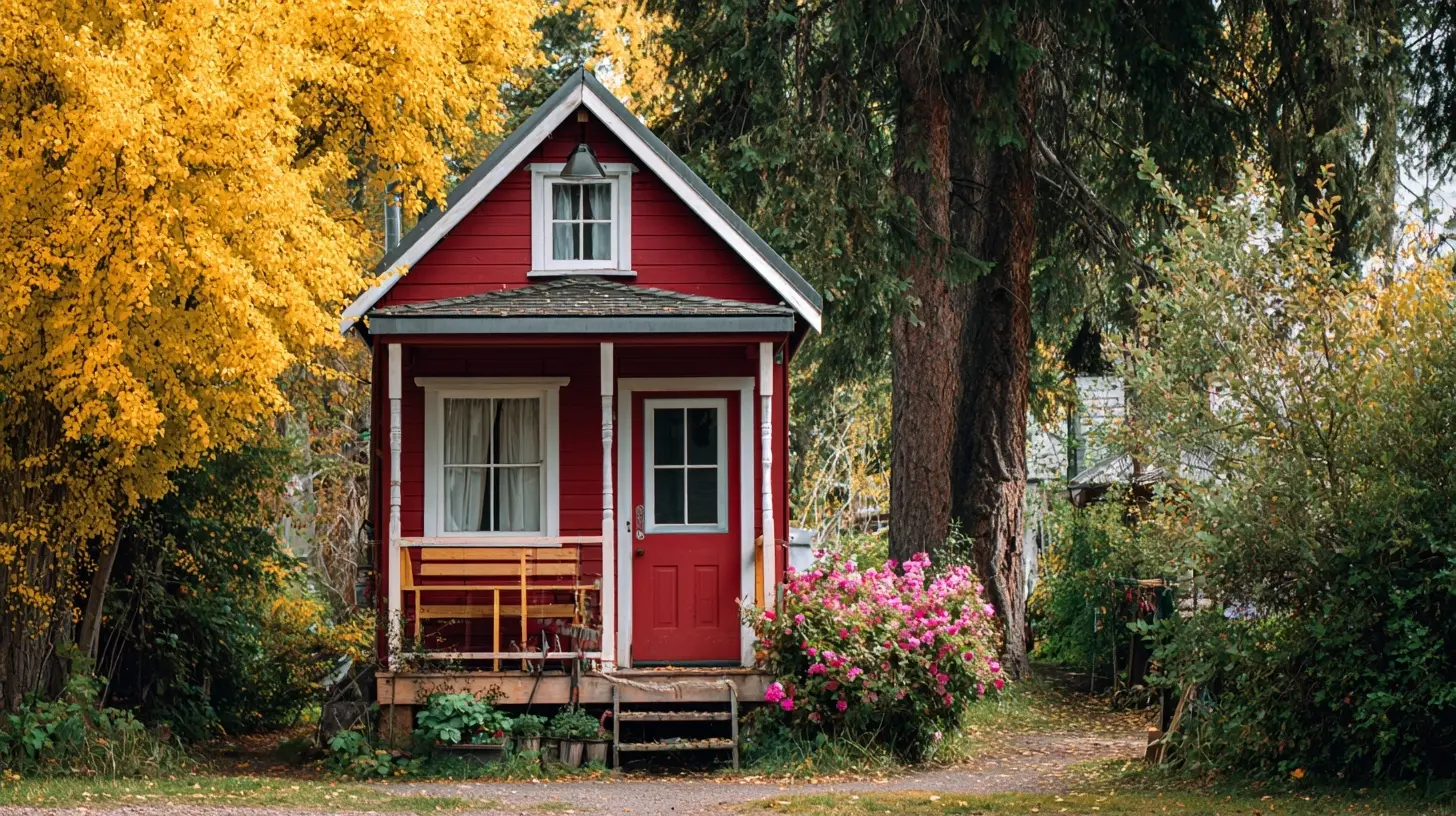
Why Tiny Homes Appeal for Affordability
The affordability case rests on a few real levers.Lower purchase price. A used THOW might run $30,000 to $70,000. A custom build can easily exceed $100,000, which surprises people who assume "tiny" means "cheap." A small site-built home or ADU often lands between $100,000 and $200,000 depending on region and finishes.
Reduced ongoing costs. Less square footage means less to heat, cool, insure, and maintain. Property taxes on a small structure are lower, though the land underneath may not be.
Debt avoidance. Many buyers pay cash or take small loans, eliminating or shrinking a mortgage payment. For people who value cash flow over appreciation, that trade can be rational.
Land flexibility. In areas that allow ADUs, a small unit on an existing lot can add housing without buying new land. That is often the single most cost-effective path into small-footprint living.
The catch is that the headline savings often shrink once land, site work, utilities, permits, and insurance enter the picture. A $50,000 tiny house on $150,000 of land with $40,000 of site work is a $240,000 housing decision, not a $50,000 one.
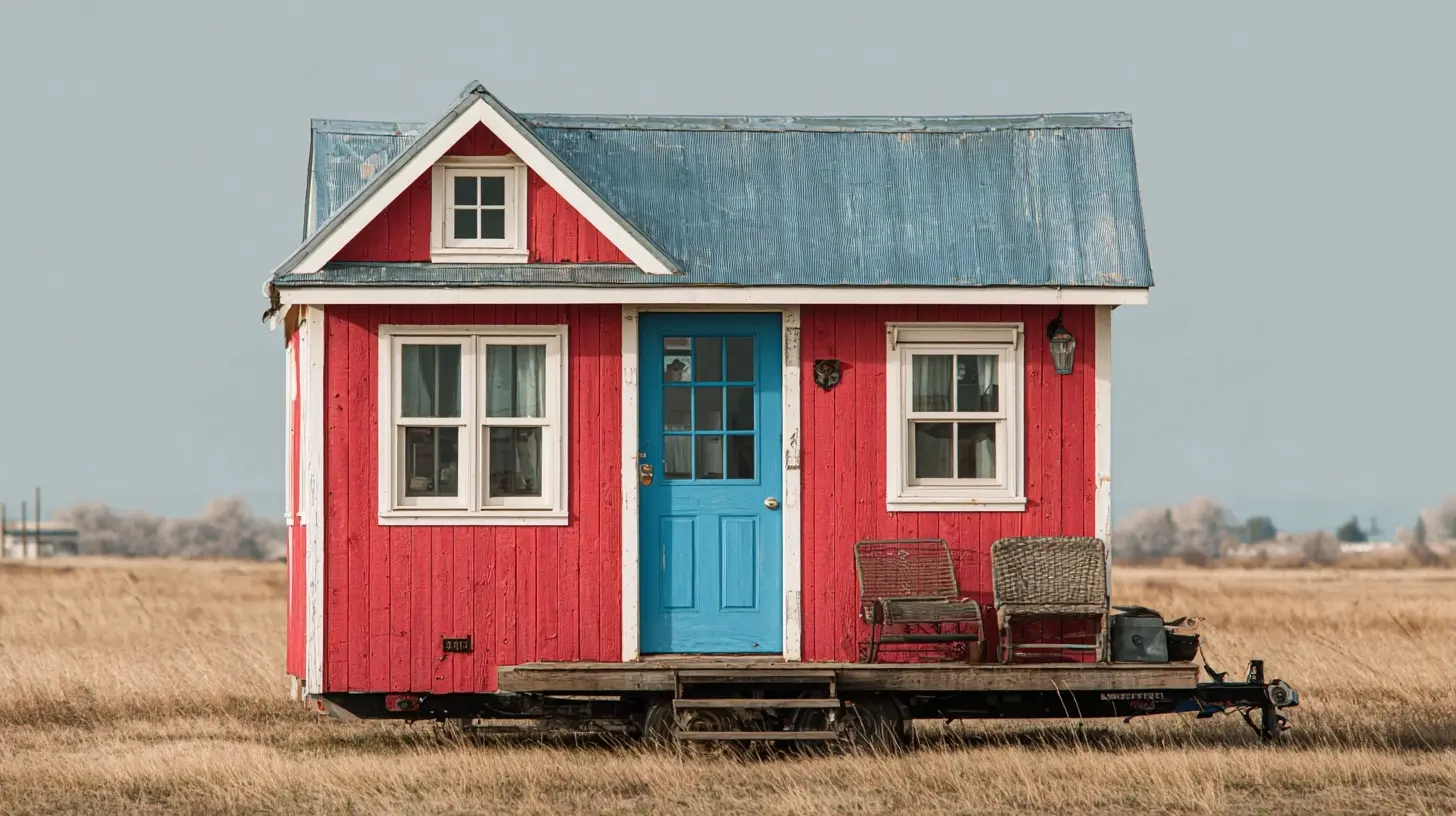
The Land Problem Nobody Talks About Enough
This is where most tiny home plans fall apart. The structure is the easy part. Finding a legal place to put it is the hard part.Zoning Is the Gatekeeper
Most American municipalities set minimum dwelling sizes, often 400 to 1,000 square feet, and restrict occupancy of structures on wheels. Even where tiny homes are legal, rules about foundation type, utility connections, and occupancy certificates vary block by block. Rural counties are generally more permissive than cities, but "generally" is doing a lot of work in that sentence. A county that allows THOWs as ADUs may still require a minimum lot size, a permanent residence on the same parcel, or a special use permit.Practical Options for Land
Buy land in a permissive jurisdiction. Research county zoning before buying anything. Call the planning department directly and ask specific questions: Can I legally occupy a THOW year-round? What permits are required? Are there minimum size rules? Get answers in writing when possible.Join a tiny home community. A growing number of developments are designed around small homes and handle zoning, utilities, and community rules upfront. The trade-off is monthly lot rent, which can run several hundred dollars and erodes the "no rent" promise.
Place an ADU on family land. If a relative owns a lot in a jurisdiction that allows accessory units, this can be the cheapest legal route. It also requires clear written agreements about ownership, utilities, and what happens if the property is sold.
Buy rural land with minimal regulation. This is the classic path, and it comes with real costs: well and septic systems, long utility runs, road access, and distance from services. A $30,000 parcel can require $50,000 or more in site work before a home is habitable.
The lesson is blunt: budget for land and site work first, and treat the structure as the second decision. Buyers who do it in the opposite order end up with a finished tiny home and nowhere legal to put it.
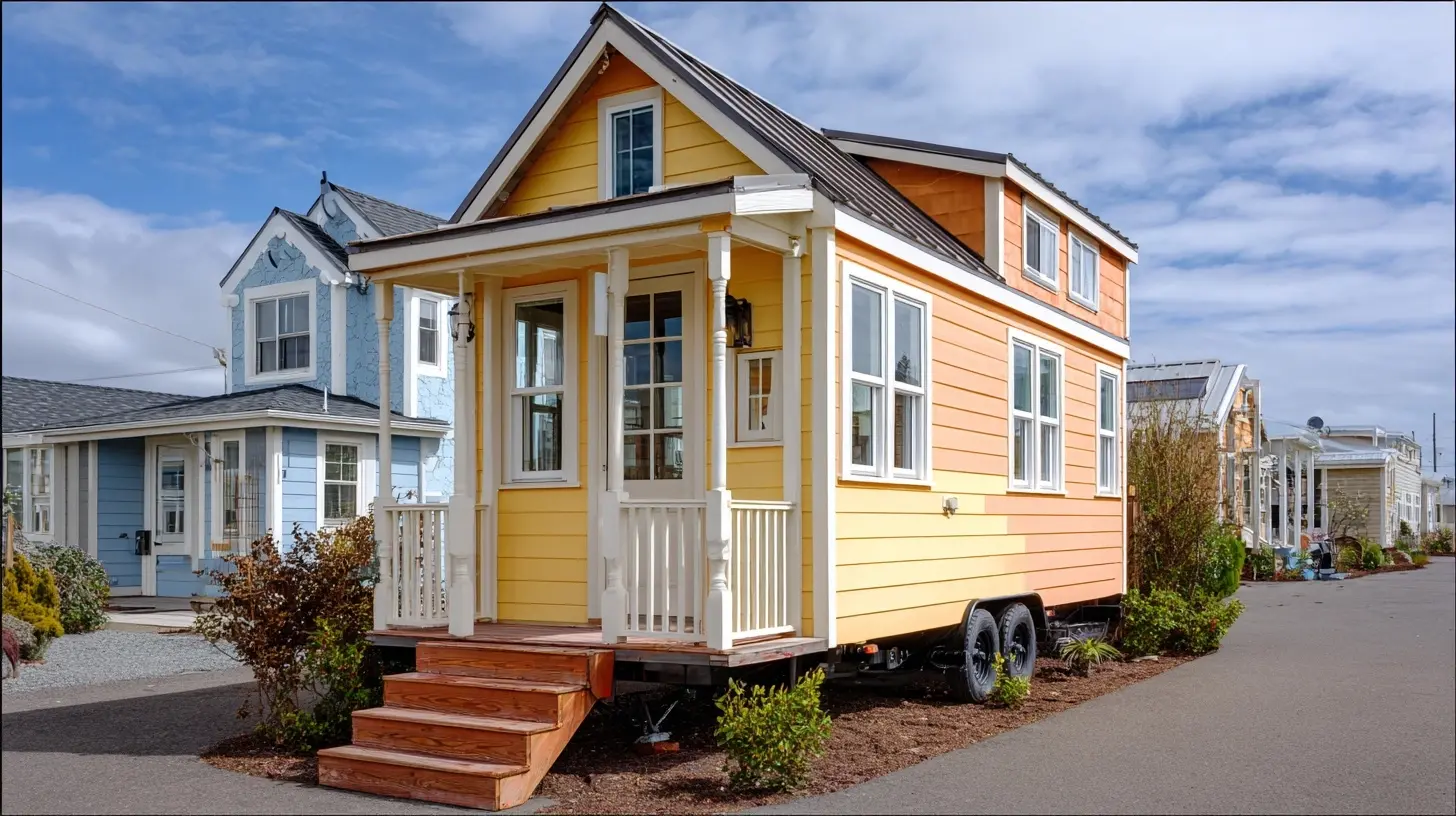
Financing and Insurance Realities
Traditional mortgages rarely fit tiny homes. Lenders see THOWs as personal property, not real estate, which rules out conventional mortgages. Options include:- RV loans for certified park models and some THOWs, often with shorter terms and higher rates.
- Personal loans or builder financing for custom builds, usually at higher interest.
- Cash for many buyers, which is common but limits who can participate.
- Construction loans for site-built small homes, which follow normal mortgage rules once the home is complete and on a foundation.
Insurance is its own maze. A THOW may need a specialty policy similar to RV coverage, and some insurers decline them entirely. Site-built small homes insure like any other house. Before committing to a build, get an insurance quote. A policy that costs twice what you expected can erase the affordability advantage.
The True Cost Comparison
A fair comparison looks at total cost of occupancy over time, not sticker price.| Cost category | THOW (owned land) | Small site-built home | ADU on existing lot |
|---|---|---|---|
| Structure | $40k-$120k | $100k-$200k | $80k-$180k |
| Land | $20k-$150k | $20k-$150k | $0 (shared lot) |
| Site work and utilities | $10k-$50k | $15k-$60k | $10k-$40k |
| Permits and fees | Low to variable | Moderate | Moderate to high |
| Financing cost | Higher rates, shorter terms | Standard mortgage | Standard or renovation loan |
| Insurance | Specialty, variable | Standard | Standard |
| Resale liquidity | Low | Moderate | Moderate to high |
The pattern is consistent: THOWs win on upfront structure cost and lose on land, financing, insurance, and resale. Site-built small homes cost more upfront but behave like normal real estate, which matters enormously when you sell. ADUs are often the best value per dollar because they piggyback on existing land and infrastructure, but they require a willing host property.
Common Mistakes and Misconceptions
"Tiny homes are always cheaper." Only if land and site work are free or already handled. Otherwise the savings are thinner than the marketing suggests."I can park it anywhere." Zoning, HOA rules, and occupancy limits say otherwise in most places. Parking a THOW in a friend's backyard for a year often violates local code, and enforcement tends to catch up eventually.
"It will appreciate like a house." THOWs generally depreciate, like vehicles. Site-built homes can appreciate. This difference matters if building equity is part of your plan.
"I will just build it myself and save money." DIY builds can work for skilled people with time and space, but they often fail inspection, exceed budget, and take far longer than planned. If you go this route, price materials carefully and confirm what your jurisdiction requires for certification.
"Small means no maintenance." Small homes still need roofs, plumbing, electrical systems, and weather sealing. Maintenance per square foot is often higher, not lower, because systems are packed tightly and access is harder.
"Financing will be easy." It usually is not. Line up financing before you fall in love with a design.
When a Tiny Home Makes Sense
A tiny home is a strong fit when several conditions line up:- You have a legal place to put it, confirmed with the local planning department.
- You can pay cash or secure appropriate financing without stretching.
- You value low ongoing costs and minimal space over resale appreciation.
- You are comfortable with a smaller footprint and fewer possessions.
- You have a plan for utilities, waste, and internet or work connectivity.
It is a weak fit when you need conventional financing, expect appreciation, require space for a family, or live in a jurisdiction that restricts small dwellings. In those cases, a small apartment, a manufactured home on owned land, or an ADU arrangement is often the better financial move.
Best Practices Before You Commit
1. Talk to the planning department first. Ask about minimum dwelling size, occupancy rules for structures on wheels, ADU allowances, and permit requirements. Do this before shopping for designs.2. Price the whole project, not the structure. Include land, site work, utility connections, permits, insurance, and a 15 to 20 percent contingency.
3. Get insurance quotes early. A policy you cannot afford changes the math entirely.
4. Confirm financing in writing. Know your rate, term, and down payment before construction starts.
5. Visit built examples. Walk through homes of similar size and layout. Photos hide storage problems and circulation issues.
6. Design storage deliberately. Most dissatisfaction with tiny living traces back to insufficient storage, not insufficient floor space.
7. Plan for climate. Insulation, ventilation, and moisture control matter more in small spaces because there is less buffer. A poorly sealed tiny home develops condensation and mold quickly.
8. Check resale demand. If you might sell, ask who the buyer would be and whether financing would be available to them.
A Balanced View
Tiny homes are neither a silver bullet for the housing crisis nor a passing fad. They are one tool among several, and like any tool they work well in the right context and badly in the wrong one. The people who succeed with them tend to be the ones who treated the project as a land and legal problem first and a design problem second. The ones who struggle usually fell for the aesthetic before checking zoning.For buyers priced out of conventional housing, the most reliable path is often a small site-built home or a legal ADU on land you or a family member already own. THOWs remain viable for people with permissive jurisdictions, cash on hand, and realistic expectations about depreciation and resale. The search for affordable living is real, and small footprints deserve a place in that search, provided the numbers and the rules are checked before the dream gets a down payment.
all images in this post were generated using AI tools
Category:
Home AffordabilityAuthor:

Elsa McLaurin