Understanding Buyer Behavior in a Seller’s Market
7 April 2026
The real estate market can feel like a rollercoaster—sometimes smooth sailing, other times a wild ride. When sellers have the upper hand, buyers often find themselves scrambling to make the right moves. But what drives buyer behavior in a seller’s market? And how can buyers stay competitive without losing their minds (or their budgets)?
If you’ve been house hunting in a seller’s market, you already know things move fast. Homes get snatched up in days—sometimes hours—bidding wars are common, and prices often soar above asking. But understanding buyer psychology in these conditions isn’t just interesting—it’s crucial. Let’s dive into what makes buyers tick when the scales are tipped in favor of sellers. 
What Exactly Is a Seller’s Market?
Before we break down buyer behavior, let’s clarify what we mean by a "seller’s market."A seller’s market happens when demand for homes exceeds supply. In simple terms, there are more buyers than available houses, and that shifts the power to the sellers. This market condition typically arises due to:
- Low housing inventory – Fewer homes available means more competition.
- High demand – Factors like low interest rates, job growth, and population increases drive more people into the market.
- Favorable economic conditions – When the economy is strong, more people are financially capable of buying homes.
In this type of market, sellers call the shots. They can demand higher prices, reject lowball offers without blinking, and sometimes even dictate the terms of the sale. Buyers, on the other hand, must be strategic, proactive, and, sometimes, a little aggressive to get their dream home. 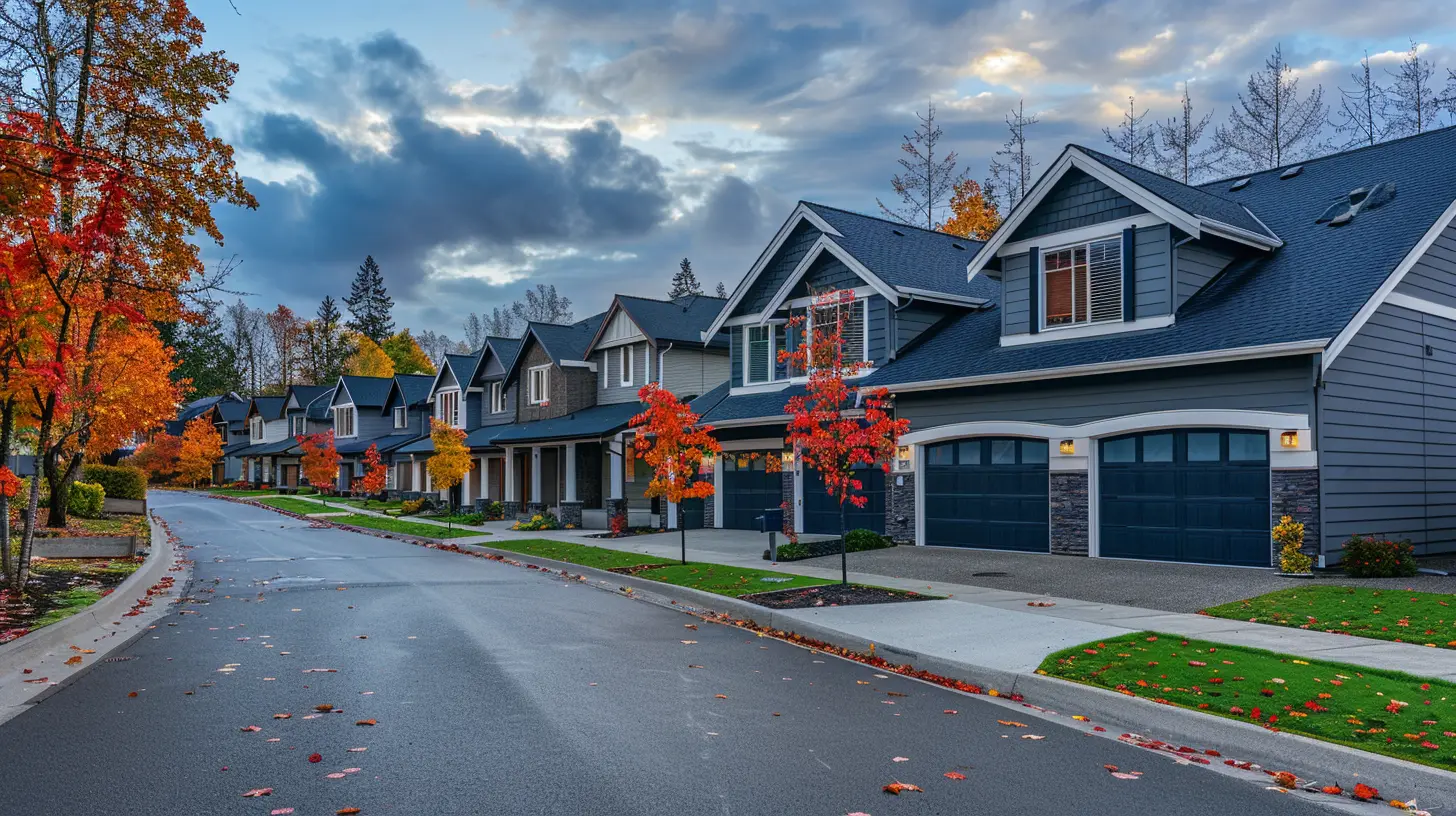
How Buyers React in a Seller’s Market
1. Fear of Missing Out (FOMO) Kicks In
Let’s be real—nobody wants to miss out on what could be the perfect home. Fear of missing out (FOMO) is a strong psychological driver in a seller’s market. Buyers often feel pressured to act quickly because waiting might mean losing out to another eager buyer.This sense of urgency can lead to rushed decisions, sometimes pushing buyers to make offers on homes they aren’t completely sold on or stretching their budgets beyond what’s comfortable.
Pro Tip: Take a deep breath. Yes, speed is important, but don’t let FOMO trick you into making a regrettable decision. Stay patient and set clear limits before diving in.
2. Bidding Wars Become the Norm
When homes are in high demand, bidding wars are practically unavoidable. Buyers often have to offer more than the listing price just to stay in the game. Once multiple buyers start competing, emotions run high, and it’s easy to get caught up in the frenzy.Some buyers even include escalation clauses in their offers, automatically increasing their bid if another buyer offers more. While this can help secure a home, it can also inflate prices beyond what the property is actually worth.
Pro Tip: Set a maximum budget and stick to it. It’s easy to get swept up, but overpaying for a home might not be the smart long-term move.
3. Waiving Contingencies to Stay Competitive
In a competitive market, buyers often waive contingencies to make their offers more appealing to sellers. The most common contingencies that get waived include:- Home inspections – Some buyers skip inspections to speed up the process and make their offer look stronger.
- Appraisal contingencies – Buyers may agree to cover any difference if the home appraises for less than their offer.
- Financing contingencies – Some buyers make all-cash offers or waive financing conditions to reassure sellers.
While waiving contingencies can make an offer more attractive, it also increases risk. A home inspection, for example, can uncover costly issues that the buyer will now have to deal with on their own.
Pro Tip: If you’re thinking about waiving contingencies, understand the risks. Whenever possible, at least get an inspection done—even if it’s after winning the bid.
4. Emotional Decisions Take Over
Buying a home is already an emotional journey. But in a seller’s market, emotions often take center stage. Panic, excitement, and hope all play a role in buyer decisions.Many buyers get emotionally attached to a home and are willing to do whatever it takes to win it. Others make impulsive decisions just to avoid the frustration of losing multiple bids. The pressure can be overwhelming, sometimes leading to buyer’s remorse when reality sets in after closing.
Pro Tip: Stay logical. Set clear priorities before you start shopping and regularly check yourself to ensure you're making a smart, rational decision—not just an emotional one.
5. Compromising More Than Expected
In a seller’s market, buyers often have to compromise. Maybe it's giving up on the dream of a backyard, settling for a smaller home, or choosing a less-than-ideal location.While flexibility is necessary, it’s important not to compromise so much that you end up with regret. Some buyers settle on a home just to secure something, only to realize a year later that it's not the right fit.
Pro Tip: Make a list of non-negotiables and stick to them. If a home doesn’t meet your core needs, it’s okay to walk away—even in a tough market. 
How Buyers Can Stay Competitive Without Losing Their Sanity
1. Get Pre-Approved ASAP
In a seller’s market, pre-approval isn’t optional—it’s essential. It shows sellers you’re serious and financially ready to buy. Without it, your offer will likely get ignored.2. Work with a Skilled Real Estate Agent
A great agent can be a game-changer. They can help you craft competitive offers, navigate bidding wars, and spot red flags before you commit.3. Move Fast, But Smart
Yes, speed is critical, but don’t let it lead to bad decisions. If you find a home that checks your boxes, act quickly—but always do your due diligence.4. Consider Off-Market Homes
Some homes sell before they even hit the market. Working with an agent who has access to off-market deals can give you an advantage.5. Be Ready for Rejection
Not every offer will be accepted. Stay patient, keep improving your strategy, and remember—there’s always another home out there.
Final Thoughts
Navigating a seller’s market isn’t easy, but understanding buyer behavior can help you make smarter, more confident decisions. Yes, competition is fierce, and the pressure is real—but a well-prepared buyer still has plenty of opportunities.Stay focused, stick to your budget, and keep your emotions in check. The right home is out there, and with the right approach, you’ll find it without losing your sanity—or your savings.
all images in this post were generated using AI tools
Category:
Sellers MarketAuthor:

Elsa McLaurin
Discussion
rate this article
2 comments
Skylar McDougal
This article adeptly highlights the nuances of buyer behavior in a seller’s market, emphasizing emotional decision-making and urgency. However, it could further explore how socioeconomic factors influence buyer psychology, providing a more comprehensive understanding of this dynamic and its implications for real estate strategies.
April 10, 2026 at 4:53 AM
Elsa McLaurin
Thank you for your insightful feedback! I appreciate your suggestion to explore socioeconomic factors further and will consider it for future revisions.
Calyx Pacheco
Understanding buyer behavior in a seller's market is crucial for agents and sellers. Factors like urgency, competition, and emotional decision-making drive buyers to act quickly. Tailoring strategies to address these insights can enhance sales outcomes and improve client satisfaction.
April 7, 2026 at 11:41 AM
Elsa McLaurin
Absolutely, grasping buyer behavior is key in a seller's market. Addressing urgency and emotions can really make a difference in closing deals and keeping clients happy.