Understanding the Appraisal Gap and How to Address It
11 December 2025
If you're buying or selling a home, you've probably heard about the dreaded appraisal gap. It’s one of those pesky hurdles that can throw a real estate deal off track. But don’t worry—this guide breaks it all down for you, from what an appraisal gap is to how you can deal with it like a pro.
Whether you're a homebuyer, seller, or real estate investor, understanding the appraisal gap could save you time, money, and a serious headache. Let’s dive in! 
What Is an Appraisal Gap?
An appraisal gap happens when a home is appraised for less than the agreed-upon purchase price. This means the buyer’s lender is only willing to finance up to the appraised value, leaving a gap that the buyer must cover out of pocket—or risk losing the deal altogether.For example, let’s say you agree to buy a home for $400,000, but when the appraisal comes back, it values the home at $380,000. The lender will base the loan on the appraised value, not the purchase price, meaning there’s a $20,000 difference that has to come from somewhere.
So what do you do? Walk away? Renegotiate? Cover the difference yourself? Let’s break it down. 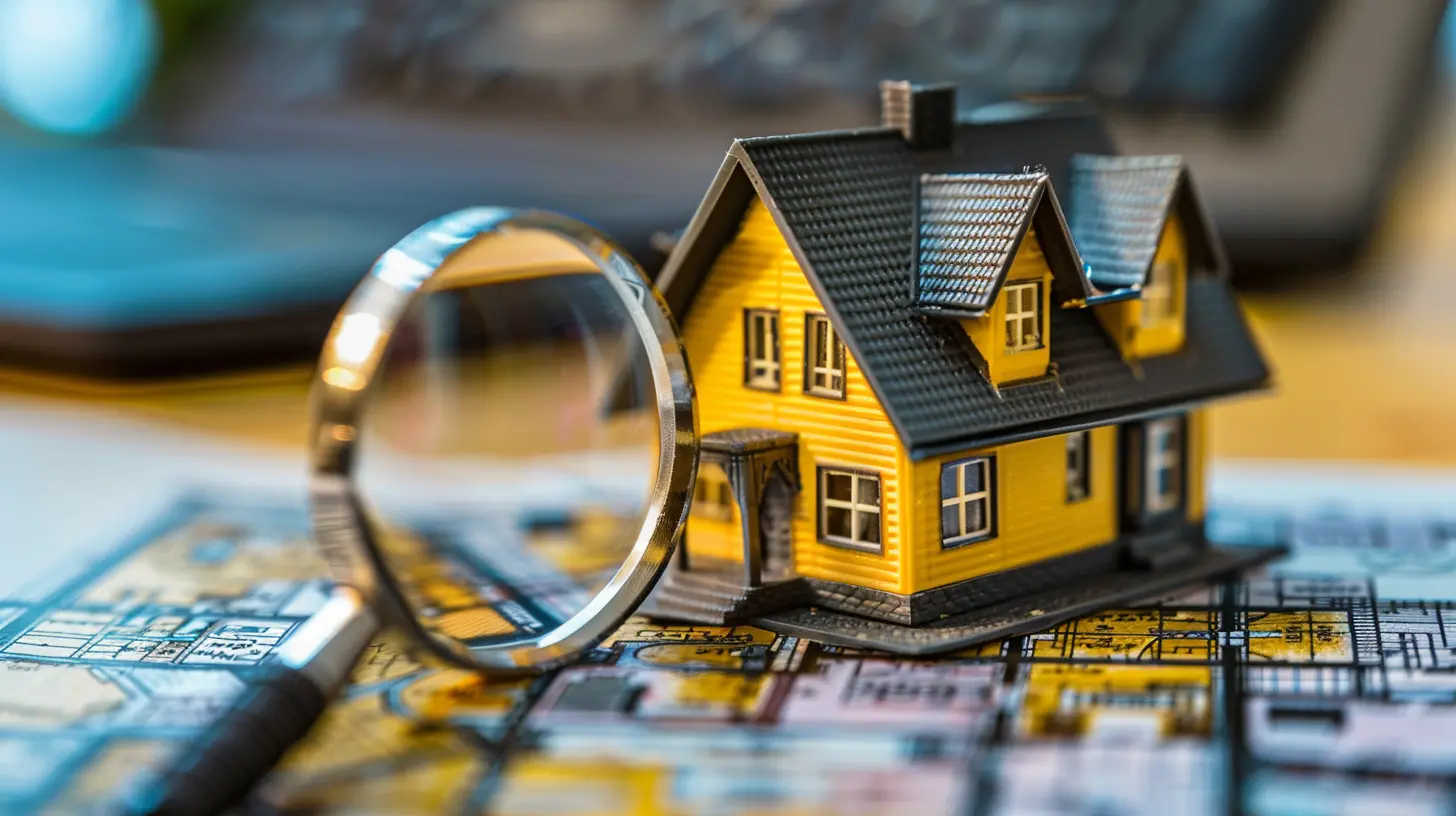
Why Does an Appraisal Gap Happen?
Several factors can cause an appraisal gap, including:1. Competitive Market Conditions
In hot real estate markets, buyers often bid over asking prices just to win a home. However, appraisers rely on past sales (comps) to determine value, not bidding wars. If recent sales haven't caught up with the current demand, an appraisal gap is likely.2. Outdated or Inaccurate Comparables
If the appraiser uses older or irrelevant comparables (comps), it can lead to an undervalued appraisal. This is especially common in rapidly growing neighborhoods where prices are rising quickly.3. Unique Property Features
If a home has unique upgrades or features that don’t have direct comps, an appraiser might not give enough credit for those extras, leading to a lower valuation.4. Market Fluctuations
Real estate markets can shift due to economic conditions, interest rates, or seasonal changes. If the market slows down after a bidding war, a recent sale price might not align with the appraisal.
How to Address an Appraisal Gap
Now that we know what an appraisal gap is and why it happens, let’s look at some solutions. Whether you're a buyer or seller, there are ways to navigate this situation and keep the deal on track.For Buyers: How to Handle an Appraisal Gap
If you’re the buyer and the home appraises for less than you offered, here are your options:1. Cover the Difference in Cash
The simplest (but not always easiest) solution is to pay the difference out of pocket. If the gap is small and you have the funds, this might be the quickest way to keep the deal moving.2. Renegotiate the Price with the Seller
Depending on the market, you might be able to negotiate a lower price with the seller. In a slower market, sellers may be willing to come down to match the appraisal value.3. Request a Second Appraisal
If you believe the appraisal was inaccurate, you can request another one—though this is usually only an option if the lender agrees. Sometimes, bringing in a second opinion can work in your favor.4. Increase Your Down Payment
If you put more money down, you reduce the lender’s risk, which may allow the loan to proceed despite the appraisal gap.5. Use an Appraisal Gap Coverage Clause
Many buyers include an appraisal gap coverage clause in their purchase contract. This means they agree in advance to cover a certain amount of the gap—helping sellers feel more secure about accepting their offer.For Sellers: How to Handle an Appraisal Gap
If you’re the seller and your home appraises low, you have a few choices:1. Lower the Price
One option is to adjust your price to match the appraisal. This keeps the deal on track but means you’re making less than expected. If you're in a hurry to sell, this might be the best route.2. Ask the Buyer to Cover the Difference
If it’s a seller’s market and you have multiple offers, you could ask the buyer to make up the difference. Many buyers in competitive markets are willing to do this just to secure the home.3. Challenge the Appraisal
You can request that the appraiser reconsider their valuation by providing additional comps or pointing out any errors. While this doesn’t guarantee a higher appraisal, it’s worth trying if you believe the appraisal was unfairly low.4. Seek a New Buyer or Financing Option
If the deal falls apart because of the appraisal, you could relist the home or find a buyer with a smaller loan-to-value ratio (LTV) who might not rely as heavily on the appraisal.
How to Avoid an Appraisal Gap in the First Place
Wouldn’t it be nice to avoid appraisal gaps altogether? While not always possible, here are some proactive strategies to minimize the chances of running into one.For Buyers:
- Get Pre-Appraised: Some lenders offer preliminary appraisals before you even put in an offer.- Work with a Savvy Real Estate Agent: An experienced agent can help you craft a smart offer that aligns with market values.
- Avoid Overbidding (If Possible): Try to keep offers within a reasonable range of recent sales in the area.
For Sellers:
- Price Your Home Correctly: Pricing too high can lead to appraisal problems, so work with your agent to set a realistic price.- Highlight Recent Comparable Sales: Provide your appraiser with recent sales data that supports your asking price.
- Make Upgrades Wisely: Not all upgrades add value, so focus on changes that significantly increase a home’s appeal and market worth.
Final Thoughts
The appraisal gap can feel like a deal-breaker, but in many cases, it’s just a bump in the road. Whether you’re a buyer or seller, understanding your options and preparing ahead of time can make all the difference.If you’re buying, make sure you know your budget and have a backup plan in case an appraisal comes in low. If you’re selling, stay realistic about pricing and be ready to negotiate if necessary.
Real estate can be unpredictable, but with the right knowledge, you can navigate the process with confidence!
all images in this post were generated using AI tools
Category:
Real Estate AppraisalAuthor:

Elsa McLaurin
Discussion
rate this article
2 comments
Rowan Wilson
Great insights! Essential info for navigating appraisals.
January 16, 2026 at 11:50 AM
Elsa McLaurin
Thank you! I'm glad you found it helpful.
Trevor Hahn
In the dance of value, numbers sway, Address the gap, let clarity play. With insight and care, find your way, Home dreams alive, come what may.
December 16, 2025 at 12:46 PM
Elsa McLaurin
Thank you for your thoughtful comment! Clarity and insight are indeed essential in navigating appraisal gaps to achieve our homeownership dreams.