What Affordability Looks Like in College Towns by 2027
16 September 2026
College towns have always occupied a strange pocket of the American housing market. They are small, they are seasonal, and their economies often revolve around a single institution that does not pay property taxes. For decades, that combination produced a reliable pattern: cheap student rentals, modest family homes, and a quiet appreciation curve that rewarded patient landlords.
That pattern is breaking. By 2027, affordability in college towns will not look like it did in 2019, and it will not look like the coastal cities either. It will look like something in between, and the people who understand the mechanics early will make better decisions than the people who assume a college town is automatically a bargain.
Why College Towns Are Not a Single Category
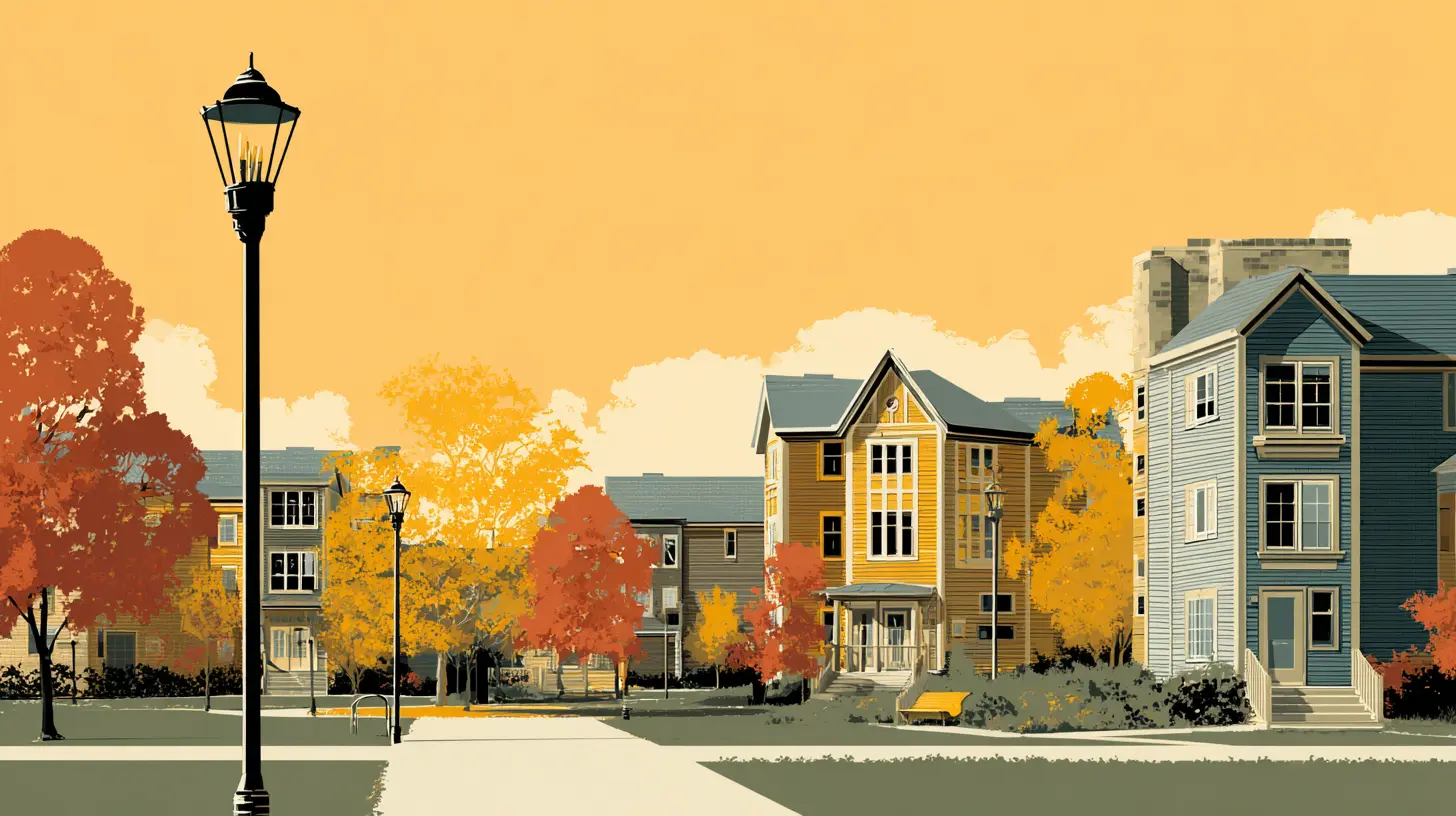
The first mistake buyers and renters make is treating "college town" as one thing. It is not. There are at least four distinct types, and their affordability trajectories are diverging fast.The flagship university town. Think of places anchored by a large public research institution with 30,000 or more students. These towns have deep labor markets, hospital systems, research parks, and a steady stream of graduate students and faculty who stay for decades. Demand here is structural, not cyclical.
The small liberal arts town. Enrollment of 1,500 to 3,000 students, a walkable downtown, and a cultural identity built around the campus. These markets are more fragile. A single enrollment decline or a college closure can gut the local housing market within two years.
The satellite campus suburb. A commuter campus inside a larger metro area. Here, affordability is really a function of the metro, not the campus. The college adds rental demand but does not set the price ceiling.
The destination college town. A school in a place people already want to live for other reasons, such as mountains, coastlines, or a strong retirement draw. In these markets, students compete with remote workers and second-home buyers, and affordability is usually the first casualty.
By 2027, the gap between these four types will be wider than the gap between college towns and non-college towns. Knowing which type you are dealing with matters more than knowing the enrollment number.
The Forces Reshaping Prices Through 2027
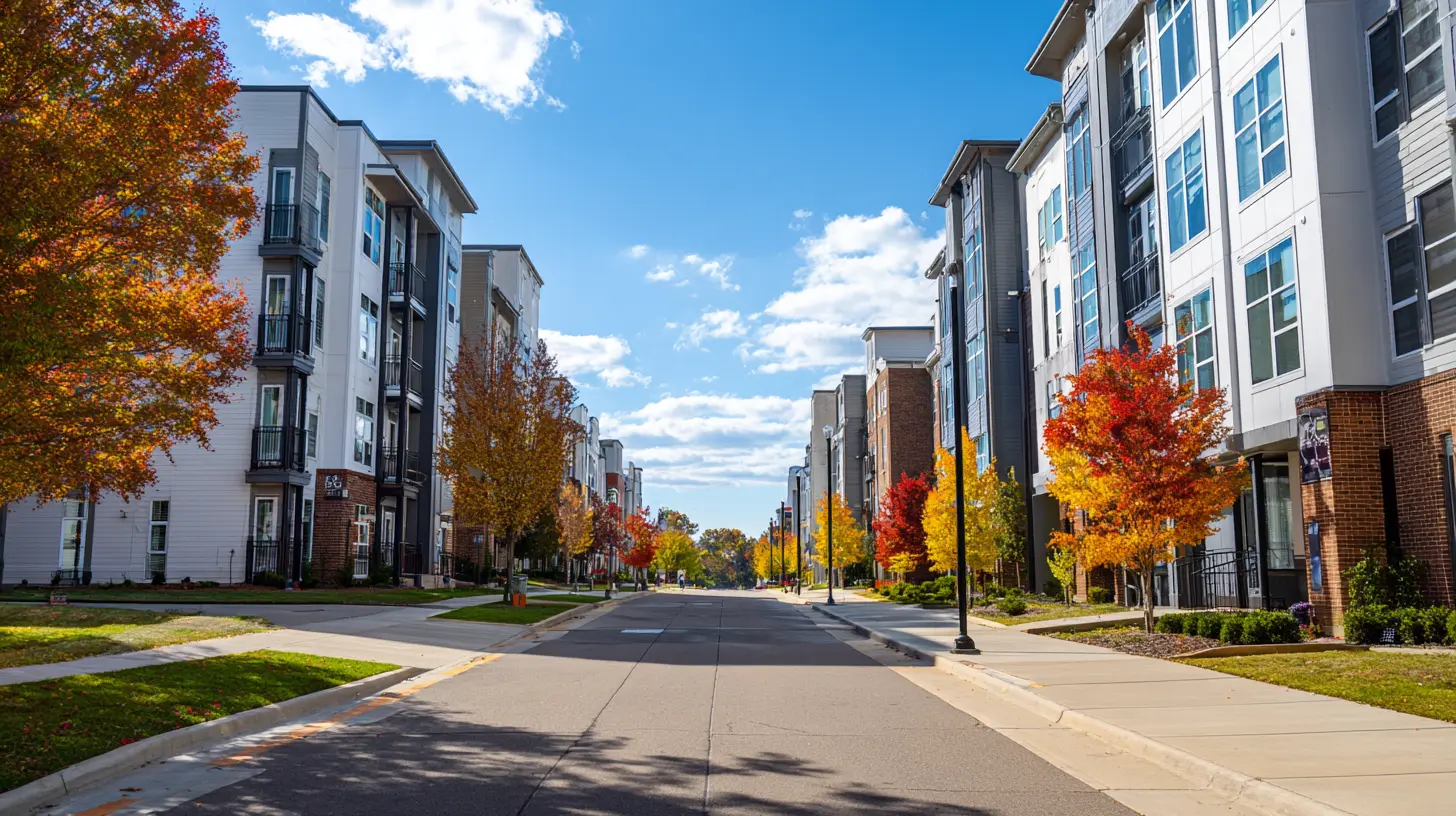
Several pressures are converging at once. None of them is exotic, but together they change the math.Enrollment Is Flat, but Housing Demand Is Not
National undergraduate enrollment has been roughly flat after a pandemic dip, with modest recovery at four-year schools and continued weakness at community colleges. Flat enrollment sounds like flat housing demand. It is not, for two reasons.First, universities are housing fewer students themselves. Many institutions have deferred maintenance on dormitories or converted older residence halls to other uses. When a school houses 60 percent of its sophomores instead of 80 percent, those students do not disappear. They move into the surrounding neighborhood and bid up rents.
Second, the people moving to college towns are increasingly not students. Remote workers who want a walkable downtown, a decent coffee shop, and a university hospital nearby have discovered that college towns deliver all three at a discount to major metros. This is the single biggest wildcard for 2027 affordability.
Construction Costs Have Reset the Floor
Builders cannot deliver new housing below a certain cost. Land, labor, materials, and permitting have all risen. In most college towns, that floor now sits well above the existing median home price. The practical result is a two-tier market: older, smaller, often deferred-maintenance housing that lower-income buyers can still reach, and new construction priced for faculty couples, doctors, and remote workers.When the gap between those tiers grows too wide, the older tier appreciates quickly because it is the only affordable option left. That is the mechanism behind the sharp price jumps many college towns saw between 2020 and 2023, and it has not fully played out.
Interest Rates Set the Monthly Payment, Not the Price
A common misconception is that high mortgage rates crush affordability by lowering prices. In tight markets with limited supply, prices often stay flat while monthly payments rise. A house that cost $250,000 at 3.5 percent carries a very different payment than the same house at $260,000 and 6.5 percent.By 2027, the more useful question is not "what will this house cost" but "what monthly payment can a typical local household sustain." In many college towns, that number is being pushed by property taxes and insurance as much as by the mortgage itself.
What Affordability Will Actually Look Like
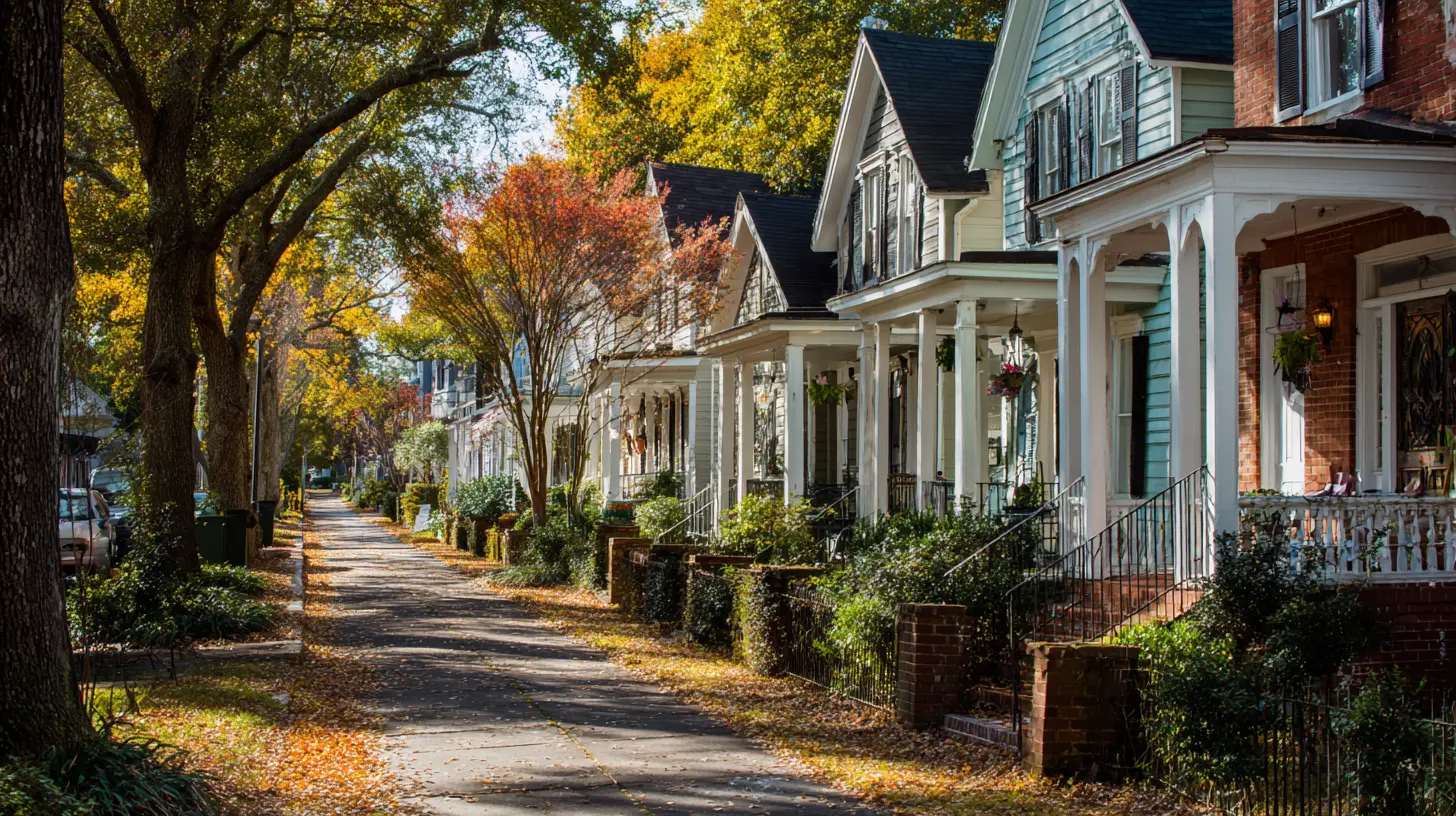
Here is where the picture gets concrete. Affordability in 2027 will not be a single number. It will be a set of trade-offs that look different depending on who you are.For First-Time Buyers
Expect smaller. The classic college-town starter home, a two-bedroom bungalow within walking distance of campus, will be the most contested property type in the market. These homes appeal to first-time buyers, downsizing retirees, and investors who want to rent to graduate students. That is three buyer pools competing for the same inventory.The realistic path for a first-time buyer in 2027 is one of these:
- Buy 15 to 25 minutes from campus in a town that is not the college town itself.
- Buy a property that needs work and budget for it explicitly.
- Buy a townhouse or condo where the land cost is shared.
- Accept a longer commute and treat the college town as a weekend destination.
None of these is glamorous. All of them are more achievable than waiting for prices to fall, which in structurally strong college towns is a bet against decades of evidence.
For Renters
Rents in college towns track the academic calendar, but the annual reset is becoming less predictable. Landlords who once signed twelve-month leases in August now experiment with shorter terms, furnished units, and per-bedroom pricing. Per-bedroom leasing, where each tenant signs separately, has spread from student housing into general rental stock because it raises gross revenue per unit.For renters, this means the advertised rent may not reflect the real cost. A four-bedroom house at $2,400 sounds reasonable until you realize the landlord rents by the room at $750 each, and you are responsible for the common areas regardless of whether the other rooms are filled.
The practical advice: ask how the lease is structured, who guarantees payment if a roommate leaves, and whether utilities are split or included. These details matter more than the headline rent.
For Investors
The easy money in college-town rentals came from a simple arbitrage: buy a modest house, rent it to students by the bedroom, and let appreciation do the rest. That arbitrage is compressing.By 2027, the investors who do well will be the ones who treat this as an operating business rather than a passive bet. That means understanding turnover costs, summer vacancy, maintenance cycles tied to student wear and tear, and the regulatory environment. Many college towns have tightened rules on short-term rentals, occupancy limits, and rental inspections. Ignoring local ordinance is the most common and most expensive mistake in this asset class.
The Hidden Costs Nobody Mentions
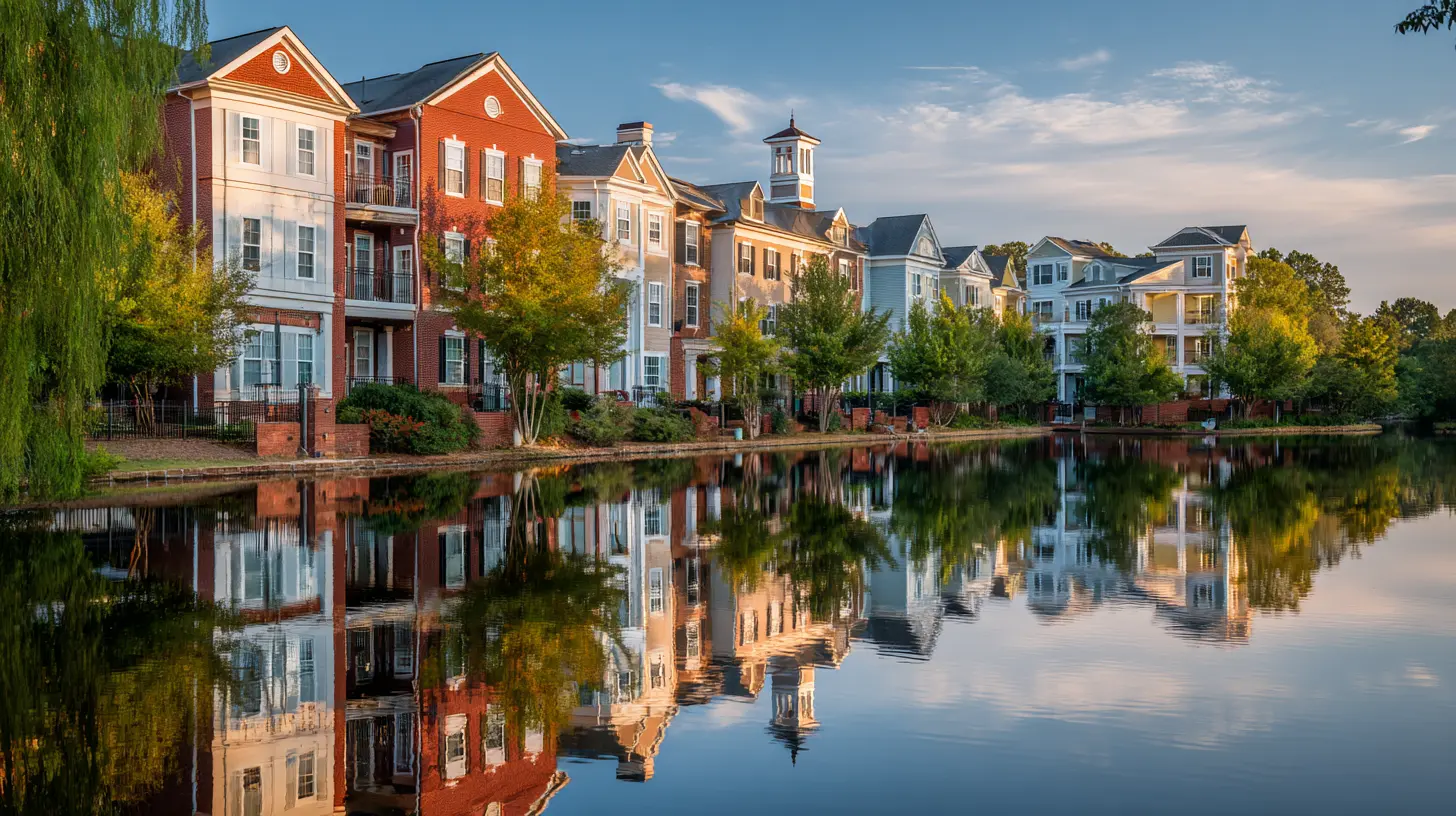
Affordability is not just the purchase price or the rent. In college towns, several costs behave differently than they do elsewhere.Property taxes. Universities own a lot of land and pay no property tax. That shifts the tax burden onto residential and commercial owners. In some college towns, the effective property tax rate is meaningfully higher than in neighboring communities with similar home prices.
Seasonal cash flow. If you own a rental near campus, you may face two or three months of vacancy each year. That is not a minor inconvenience. It is a structural feature of the market that must be priced into any investment decision.
Insurance. Older housing stock, student tenants, and in some regions, weather risk all push insurance premiums up. Landlord policies in college towns can be surprisingly expensive.
Deferred maintenance. Many college-town homes were built between 1920 and 1970 and have been rented for decades. Roofs, wiring, plumbing, and foundations may all need attention. A home inspection is not optional here. It is the difference between a good deal and a money pit.
Common Mistakes and Misconceptions
A few beliefs about college towns deserve direct challenge."College towns are always affordable because students are poor." Students being poor does not make housing cheap. It makes housing crowded. Landlords respond to low individual budgets by increasing occupancy, not by lowering rents.
"Enrollment declines will crash prices." Enrollment declines hurt specific institutions and specific towns. They rarely crash an entire market, because the university is also a major employer, a hospital operator, and a cultural anchor. The towns most at risk are small liberal arts towns with a single fragile institution and no other economic base.
"Buying near campus guarantees renters." It guarantees a larger pool of potential renters and a smaller pool of potential owner-occupants. Those are different things. Resale value near campus depends on investor demand, which is more sensitive to interest rates and rental regulation than owner-occupant demand.
"Remote work will abandon college towns first." The opposite has often been true. College towns offer walkability, healthcare, and a cultural calendar that many remote workers value. If anything, remote work has strengthened the upper tier of these markets.
Practical Strategies for 2027
Whether you are buying, renting, or investing, the playbook for the next few years is more about discipline than cleverness.Run the full monthly number, not the sticker price. Include taxes, insurance, HOA dues if any, and a maintenance reserve. In older college-town housing, a reasonable maintenance reserve is higher than the standard rule of thumb.
Check the institution's financial health. Look at enrollment trends, endowment size relative to operating budget, and whether the school has announced program cuts. A strong university stabilizes a town. A weak one destabilizes it.
Understand the rental ordinance before you buy. Occupancy limits, parking requirements, and inspection schedules can turn a profitable rental into a liability. Call the planning department. Do not rely on what a seller or agent tells you.
Look at the non-student demand. Hospitals, research employers, and local school districts create year-round demand. Towns with a diversified employment base hold value better than towns that live and die by the academic calendar.
Consider the commute ring. The most overlooked opportunity in many college markets is the small town 20 minutes out, where prices are lower, schools may be better, and the university is still accessible. This is where first-time buyers often find the best combination of value and livability.
A Realistic Outlook
By 2027, affordability in college towns will be defined by bifurcation. The desirable, walkable, close-to-campus neighborhoods will remain expensive and probably get more so. The outer rings and the less fashionable edges will offer genuine value, but with trade-offs in commute time, school quality, or housing condition.The towns most at risk are those with a single small institution and no other economic anchor. The towns most likely to stay resilient are those with a large university, a hospital system, and a diversified local economy.
For buyers, the honest advice is that waiting for a broad correction is a strategy with a poor track record in these markets. For renters, the advice is to read the lease carefully and understand the true cost structure. For investors, the advice is to treat this as a business, not a bet.
Affordability in 2027 will not be about finding a hidden gem. It will be about matching your specific situation, budget, and tolerance for trade-offs to the right type of college town and the right part of it. That is less exciting than a hot tip, and considerably more useful.
all images in this post were generated using AI tools
Category:
Home AffordabilityAuthor:

Elsa McLaurin