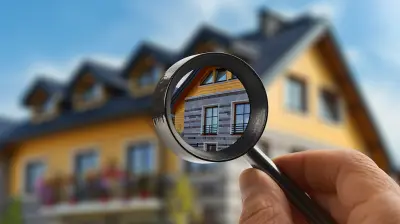
What Buyers Are Looking for in a Competitive Seller's Market
6 June 2026
The real estate market can be a bit of a rollercoaster ride—and right now, we’re on one serious uphill climb. When we talk about a competitive seller’s market, we’re diving into a world where homes are flying off the market faster than freshly baked cookies at an open house. Sellers have the upper hand. But even in this kind of market, buyers still have a checklist—things they expect, want, and sometimes demand before making one of the biggest purchases of their lives.
So, what exactly are buyers looking for when inventory is tight, bidding wars are common, and emotions are running high? That's exactly what we’re unpacking in this article. Whether you're a seller trying to prepare your home or a buyer navigating the madness, understanding these expectations can give you the edge.
What Is a Competitive Seller's Market?
Before we dive into buyer desires, let’s quickly set the stage.In a nutshell, a competitive seller's market happens when there are more buyers than homes available. It’s simple supply and demand. High demand and low inventory drive prices up and turn the pace of selling into a sprint. Sellers get multiple offers—sometimes above asking—and homes often go under contract within days.
Sounds dreamy for sellers, right? Well, yes…but for buyers, it can feel like a battlefield.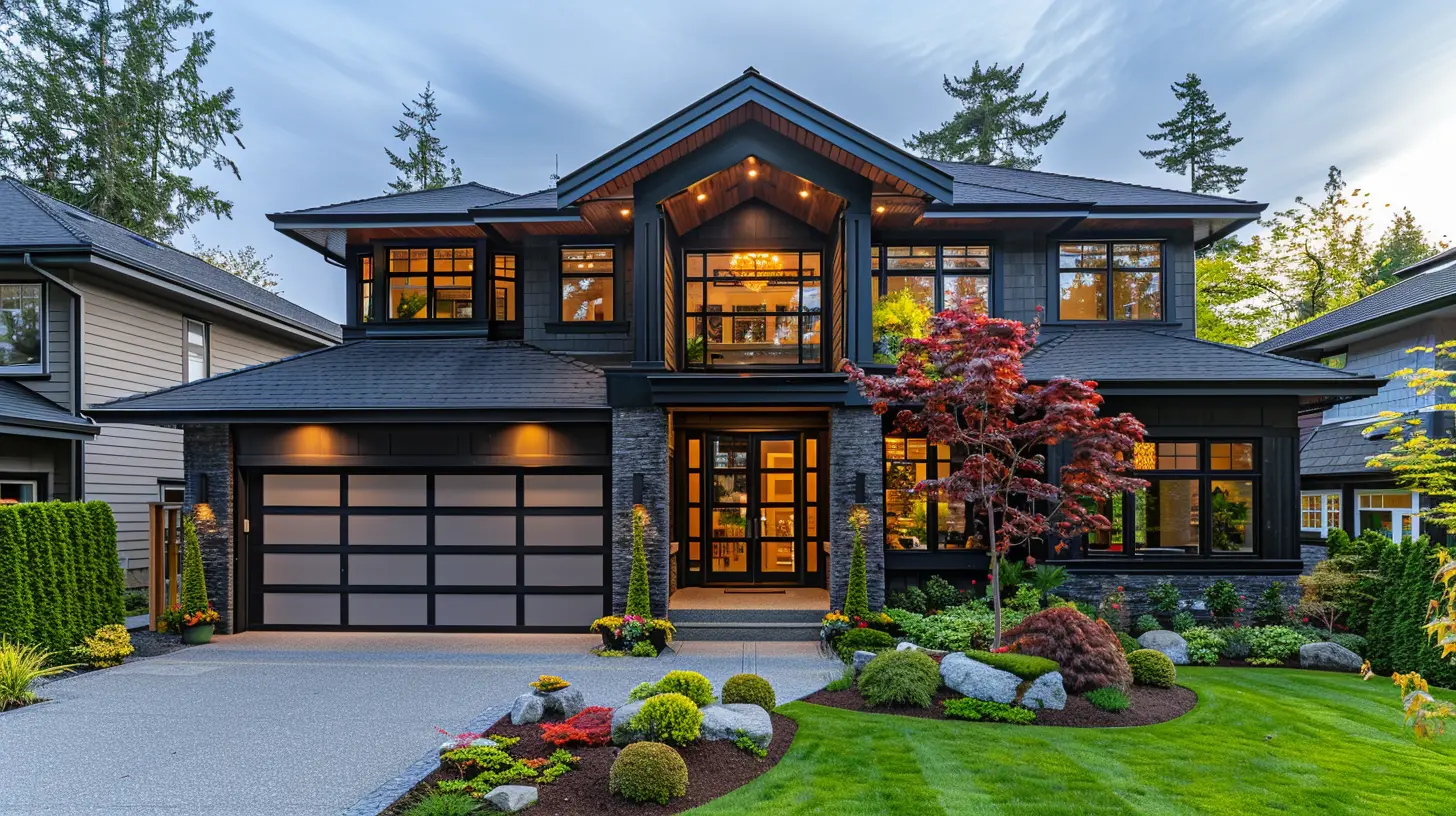
The Modern Home Search: More Than Just Four Walls
Let’s be real—buyers today aren’t just looking for a roof over their heads. They want a lifestyle. When inventory is limited, they’re even more particular because they may have to stretch their budget or make compromises. So, what’s on their radar?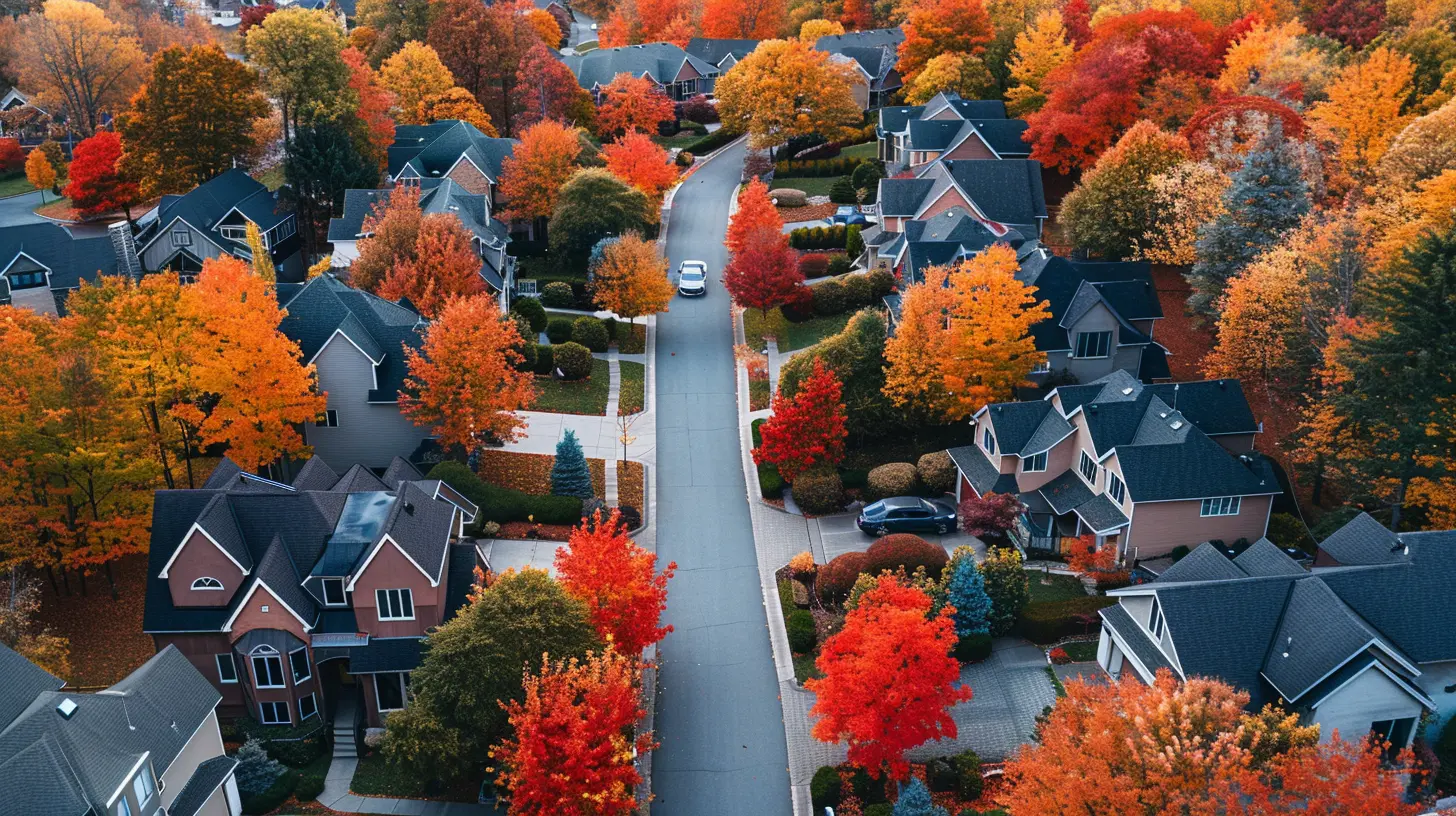
1. Livable Layouts Over Square Footage
Here’s a fun fact: bigger isn’t always better.Buyers aren’t just counting square feet—they’re asking, “Does the space work for me?” Open concept layouts are still high on wish lists, but now, there’s also a need for defined spaces (hello, home office and virtual learning zones!).
They want functional spaces that flow. Think logical room placements, connected kitchens and family rooms, and private retreats when needed. Flexibility is the name of the game.
> Pro Tip: If you’re a seller, consider staging an extra room as a home office. It’s a subtle way to help buyers imagine the space working for their current lifestyle.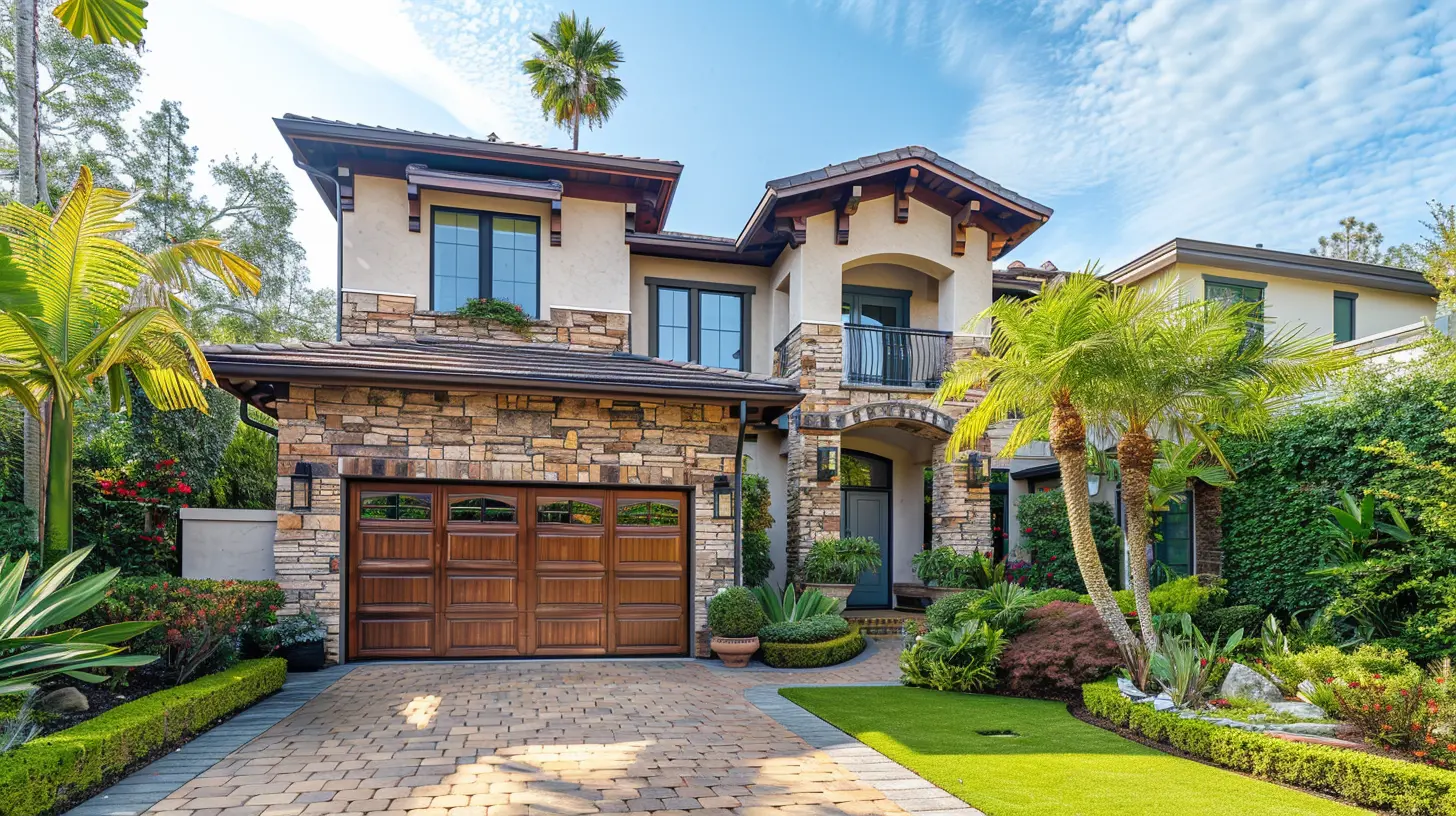
2. Move-In Ready Condition
In a hot market, you might assume buyers will overlook cosmetic flaws to snag a deal. Think again.Even though competition is fierce, many buyers still hope for a move-in ready home—especially first-time buyers. They’ve already stretched themselves financially to make competitive offers. The idea of spending thousands more on repairs or renovations? Not too appealing.
Buyers are looking for:
- Fresh paint and clean finishes
- Updated kitchens and bathrooms
- Well-maintained roofing and plumbing
- HVAC systems in good condition
Basically, they want to walk in and feel like the house is a home—not a project.
3. Energy Efficiency and Sustainability
Let’s talk about bills and the planet, shall we?Today’s buyers are more eco-conscious than ever, and that translates into their home purchases. They’re asking things like:
- Are there energy-efficient appliances?
- How old are the windows?
- Is there solar?
- What’s the insulation situation?
An energy-efficient home isn't just about being green—it saves money in the long haul. That’s a win-win.
> Little upgrades like LED lights, smart thermostats, or tankless water heaters can boost your listing’s appeal without draining your wallet.
4. Updated Kitchens and Bathrooms
It’s true what they say: kitchens and bathrooms sell homes.Buyers are still obsessed with modern, functional kitchens—sleek countertops (hello, quartz!), plenty of cabinet space, and stainless steel appliances are high on the list. Bathrooms? Clean, minimal, and spa-like are the current vibes.
Even simple upgrades like new faucets, mirrors, or lighting can make a big difference in perception.
> Think about it: nobody wants to cook or shower in a space that feels like a time machine to 1992.
5. Smart Home Features
We’re living in a world where you can ask your house to play music, lock doors, and adjust the thermostat—all without leaving the couch.Smart homes aren’t the future; they’re the now.
Buyers want:
- Smart locks for peace of mind
- Cameras and security systems
- Smart lighting systems
- Voice-activated assistants and hubs
If you’re a seller, integrating a few affordable smart features could bump your home up in the rankings.
6. Curb Appeal and Outdoor Spaces
Don't underestimate the power of first impressions.In this competitive market, buyers are often making quick decisions. The moment they step out of the car (or even scroll through listing photos), they’re judging the exterior.
A messy yard or tired landscaping could cause a buyer to move right along. On the flip side, great curb appeal—fresh mulch, trimmed bushes, a pop of color on the front door—can invite them in.
And those outdoor spaces? Hugely valuable. Backyards became the go-to retreat during the pandemic and people haven’t let go of that value. Decks, patios, and even small balconies can make or break a sale.
7. Location, Location, You Guessed It: Location
Some things never change, and location is still key.In a seller’s market, you’d think buyers would be more flexible—but not necessarily. They still want walkability, proximity to good schools, easy commutes (well, at least hybrid ones), and safe neighborhoods.
Buyers often sacrifice interior features to stay in their dream zip code. But they won’t overpay for a home in a subpar location unless everything else wows them.
8. Competitive Pricing, Even in a Hot Market
This might be surprising: even in a competitive market, price matters.Sure, buyers expect to pay more, but they’re also doing their research. They’re comparing other listings, checking recent sales, and watching for overpriced homes sitting a little too long.
Overpricing a home—even in a red-hot market—can backfire. Savvy buyers know when something doesn’t align with comps.
> Pricing your home right from day one creates urgency and often triggers multiple offers. Overprice it? You risk having to reduce later, which can make buyers think something’s wrong.
9. Transparency and Honesty
Buyers today are informed, skeptical, and cautious.They’ve heard the horror stories. They want details. They appreciate honesty about what they're walking into—whether it's a slightly older roof or a quirk in the basement.
Providing upfront disclosures, pre-listing inspections, or even a home warranty can go a long way in establishing trust.
10. A Personal Touch
It’s not all cold facts and data. Emotion plays a BIG role.Buyers want to feel something when they walk into a home. That emotional connection—like imagining where the Christmas tree goes or breakfast on the patio—that’s the X-factor that can push your house to the top of their list.
Neutral decor, cozy vignettes, and even the smell of baked cookies can trigger those homey feelings.
> Buying a house isn’t just a financial decision. It’s personal. The more your house feels like a home, the faster it’ll sell.
Bonus: The Role of the Agent Still Matters
With apps and listings galore, it's easy to assume people don't need agents anymore. But in a competitive market? They matter more than ever.Buyers want someone who gets the local market, writes killer offers, knows how to negotiate, and can explain the fine print. They’re looking for a guide—someone to help them win the house without losing their minds.
And sellers? They need someone who can price it right, market it smart, and navigate multiple offers like a pro.
So, if you're in the game—don't underestimate the power of a solid real estate agent.
Final Thoughts
A competitive seller’s market might be thrilling, but it’s not a free-for-all. Buyers still have expectations—and they’re not shy about walking away from homes that don’t tick enough boxes.As a seller, understanding what buyers are really looking for can help you position your home to sell quickly—and for top dollar. And if you’re a buyer, this list can help you clarify your must-haves and stay focused during the chaos.
At the end of the day, real estate is part business, part emotion, and a whole lot of timing. Make sure you’re ready when the right home (or buyer) walks through that door.
all images in this post were generated using AI tools
Category:
Sellers MarketAuthor:

Elsa McLaurin
Discussion
rate this article
1 comments
Juliet Kirkpatrick
In a competitive seller's market, buyers prioritize homes with strong value, modern features, and desirable locations. Transparency during negotiations and responsiveness from sellers can make a significant difference, as trust often drives decisions in such fast-moving environments.
June 6, 2026 at 4:13 AM
Elsa McLaurin
You nailed it. In a competitive market, value and trust are key. Sellers who communicate well and offer modern features will definitely stand out.