What Rising Construction Costs Mean for the Housing Market
8 December 2025
Let’s face it, folks—buying a home is already like trying to win the lottery, only instead of picking numbers, you're praying your credit score doesn’t ghost you when it matters most. But now, on top of that, construction costs are climbing faster than my blood pressure on a Monday morning. So, what gives? Why does the price of building materials feel like it’s trying to break a world record, and how does that trickle down to us regular people just looking for a roof over our heads? Buckle up, because we’re diving into the nuts and bolts of what rising construction costs mean for the housing market (and yes, it’s as messy as it sounds). 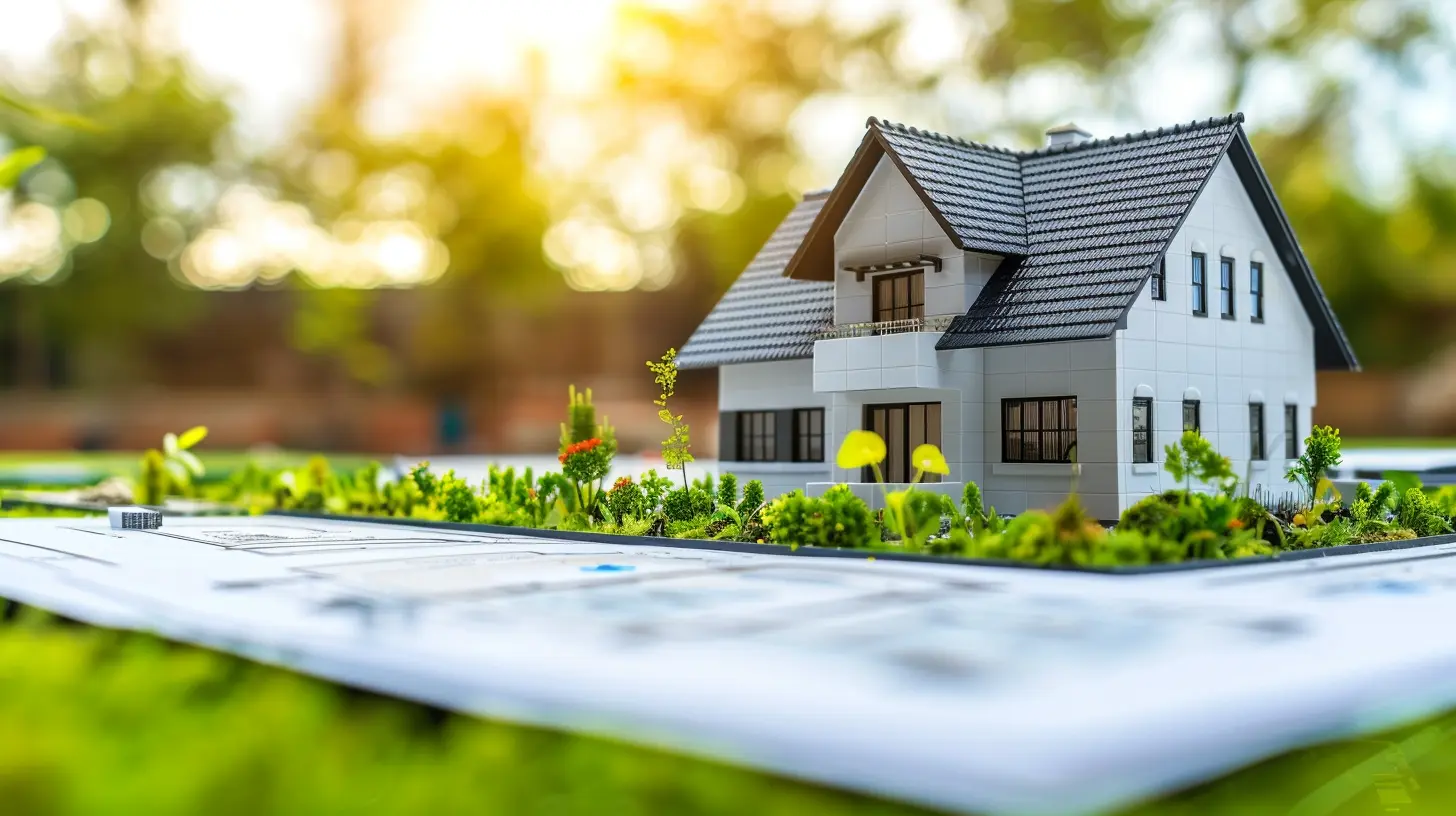
Why Are Construction Costs Skyrocketing?
First, let’s address the big, fat elephant in the room: Why do construction costs seem to have a personal vendetta against our wallets? It’s like every time we look up, plywood is more expensive, concrete takes another hike, and don’t even get me started on labor costs.Well, there’s no single culprit here—it’s more of a team effort. Between supply chain disruptions (thanks, pandemic), inflation, and good ol’ supply-and-demand drama, materials and labor costs are basically living their diva moment. Steel, lumber, copper—you name it. At this rate, I wouldn’t be surprised if nails start asking for first-class treatment.
To make matters juicier (note: “juicier” here is code for miserable), the labor shortage in the construction industry isn’t doing anyone any favors. Picture this: fewer people to build homes, more projects piling up, and voila—higher costs. It’s like trying to host a dinner party with half the kitchen staff missing. The result? A bill that makes you clutch your pearls. 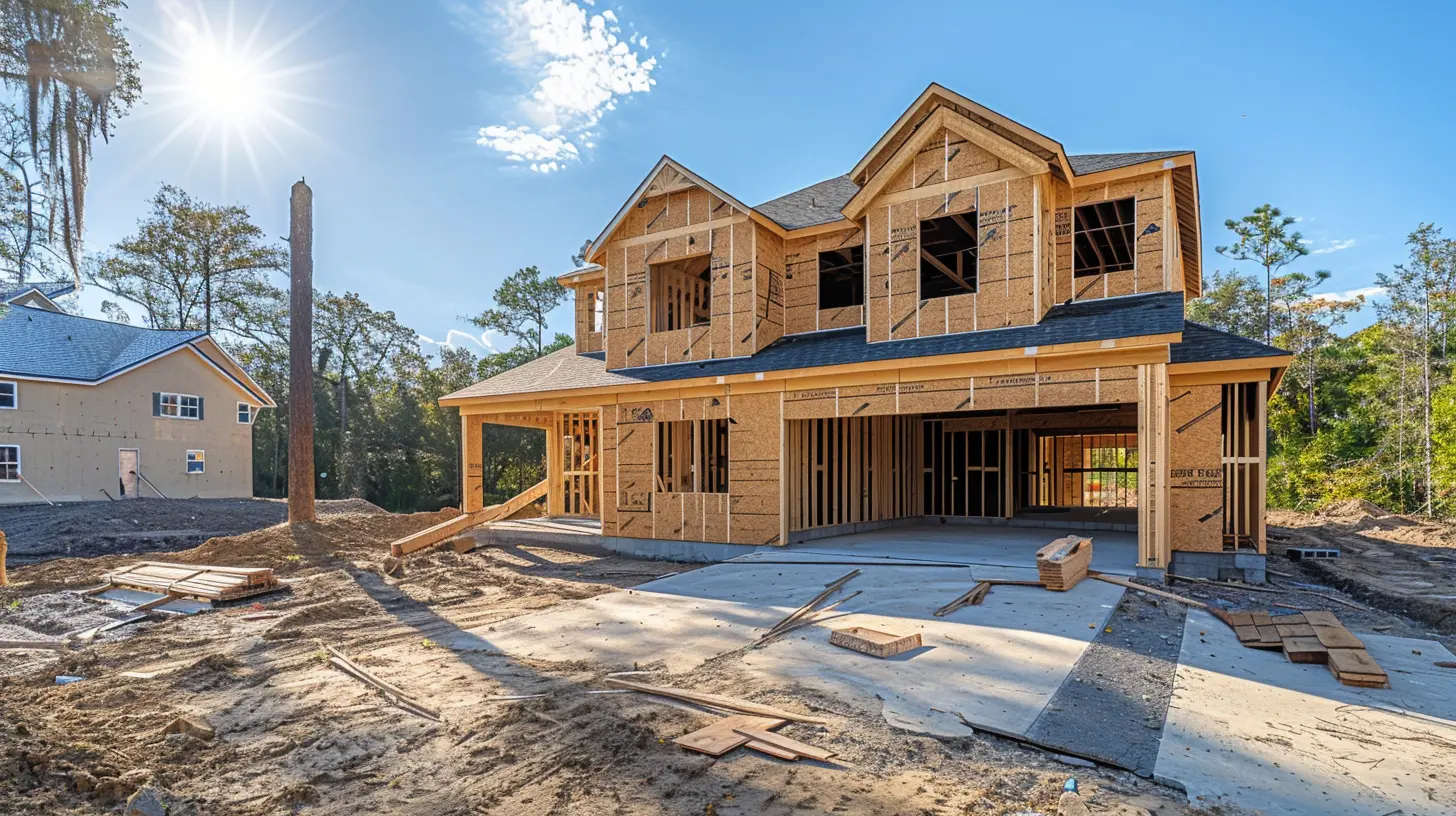
So, What Does This Mean for Homebuyers?
Here’s the kicker: those rising construction costs eventually land on your plate. It’s like ordering dessert and realizing they added a “cake inflation tax” to your bill. Whether you’re looking to buy a brand-new home or rent one, odds are, you’re going to feel the pinch.1. New Homes are Getting Pricier
Someone’s gotta pay for all those expensive materials, and spoiler alert—it’s you. Builders aren’t just going to eat those extra costs out of the kindness of their hearts. Nope, they’re passing that bill right down the line to the buyer. This is why new construction homes are pricing some first-time buyers out faster than you can say “open house.”2. Renovations are No Cheaper
Thinking, “Hey, I’ll just renovate my current place instead of buying new”? Great idea—except, guess what? Rising costs don’t discriminate. Whether you’re adding a new bathroom or just trying to slap on a fresh coat of paint, be prepared for sticker shock. Even small projects like replacing countertops now feel like applying for a small loan.3. Rental Prices Are Tagging Along
Wait, you thought renters were safe from this madness? Nice try. Higher construction costs mean fewer affordable housing units get built, which means demand for rentals skyrockets. And when demand goes up, guess what? So does your rent check. It’s a vicious cycle, kind of like that one friend who borrows your stuff and never gives it back.
What About Builders and Developers?
Ah, the unsung heroes (or villains, depending on how you look at it) of this saga: the builders and developers. Rising construction costs hit them right where it hurts. Think about it—they’ve gotta juggle material shortages, labor demands, and skyrocketing costs while still trying to turn a profit. It’s a tightrope act, and trust me, not everyone’s got the balance for it.For smaller builders, it can feel like an uphill battle. Big companies might be able to absorb some of the costs (or order materials in bulk), but smaller ones? Not so much. And when smaller builders struggle, there are fewer homes being built overall. 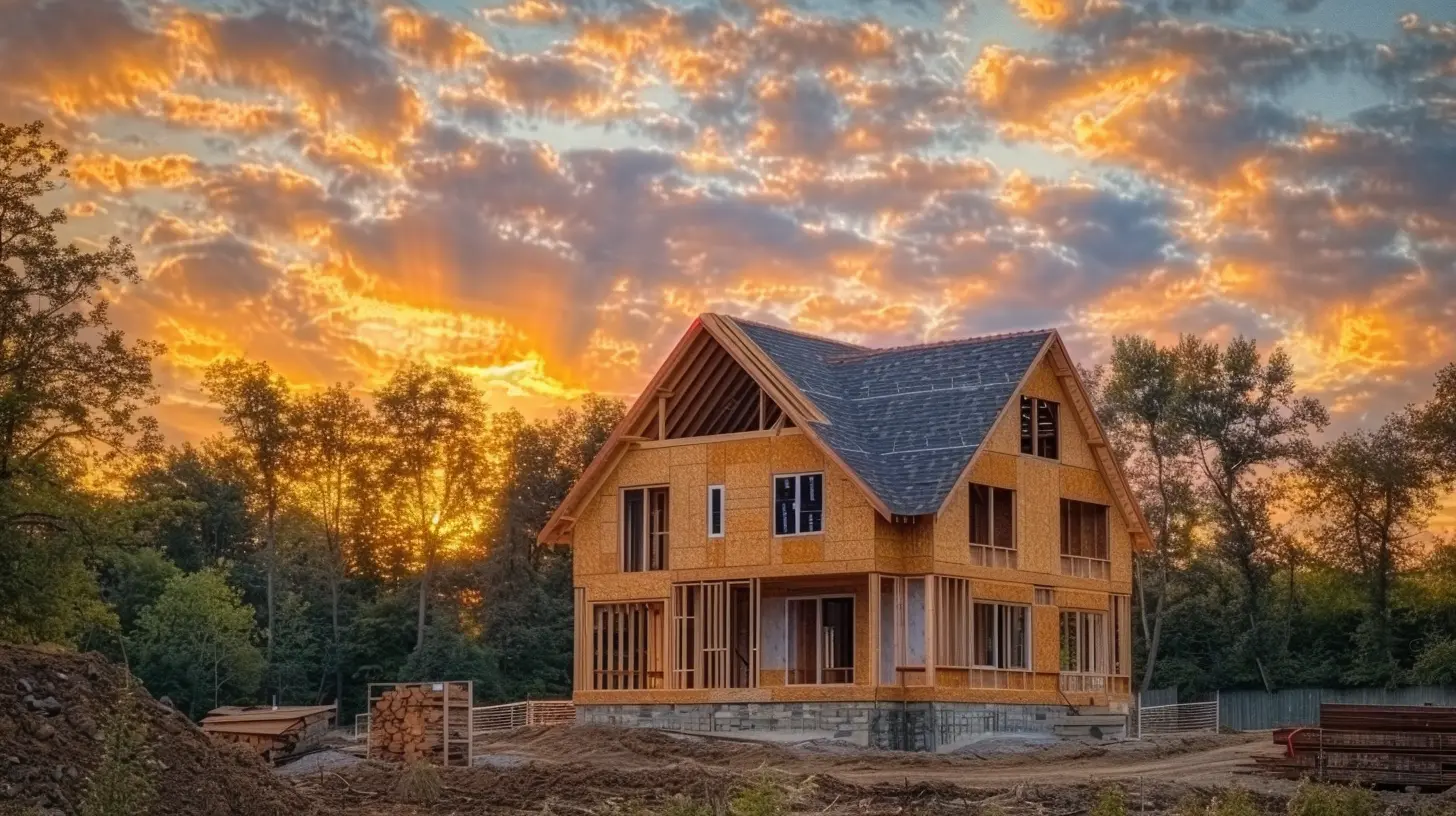
The Ripple Effect on the Housing Market
Rising construction costs don’t just hang out in their own little bubble—they’ve got ripple effects that touch almost every corner of the housing market.1. Fewer Homes in the Pipeline
If it’s more expensive to build homes, guess what happens? Fewer homes get built. Builders hit pause on projects or scale back their plans. And with fewer homes available, supply can’t keep up with demand. It’s like trying to feed a crowd with a single pizza—somebody’s going home hungry.2. The Affordable Housing Crisis Deepens
Affordable housing is already as elusive as finding a left sock in the laundry. Rising costs make it even harder for developers to justify building low- and middle-income homes. Why build something affordable when luxury homes offer a better profit margin? The result? A growing gap between those who can afford a home and those who can’t.3. Market Uncertainty
Let’s be real—nobody likes uncertainty, especially in the housing market. Rising costs make it harder to predict project timelines, budgets, and final sale prices. This creates a general sense of “meh” for both builders and buyers, leaving everyone feeling like they’re walking blindfolded through a hedge maze.Can Anything Be Done About It?
Okay, so we’ve painted a pretty grim picture so far, but is there light at the end of the tunnel? Maybe. Just maybe.1. Innovation in Building Materials
Here’s a sliver of hope: some companies are exploring alternative materials that are cheaper and more sustainable. Think 3D-printed homes, prefab construction, or recycled materials. While these options aren’t mainstream just yet, they have the potential to shake things up big time.2. Better Labor Policies
To tackle the labor shortage, the construction industry needs to get creative—whether it’s offering better wages, training programs, or other incentives to attract new talent. Getting more boots on the ground (and hammers in hands) could help stabilize costs.3. Government Intervention
Yeah, I know, the words “government intervention” don’t exactly scream “fun times,” but hear me out. Tax incentives or subsidies for affordable housing projects could go a long way in making new builds more feasible. Plus, policies that address supply chain issues could help bring material costs back down to earth.Should You Buy, Rent, or Hide Under a Rock?
Ah, the million-dollar question. If you’re feeling overwhelmed by the current state of the housing market, you’re not alone. Rising construction costs make it a tough time to buy, rent, or even renovate. But here’s the thing: housing is always a long-term investment. If you can afford to buy now, it might still be worth it (just be ready for some higher price tags). If you’re renting, try to lock in a lease before prices climb even higher. And if you were planning to renovate? Well, maybe hold off on that gold-plated bathroom for now.Final Thoughts
Rising construction costs are like that friend who keeps showing up uninvited to parties: they’re annoying, disruptive, and impossible to ignore. From pricier homes to skyrocketing rents, these costs are reshaping the housing market in ways that leave a lot of people scratching their heads (and wallets).But hey, this isn’t the first time the housing market’s been thrown a curveball, and it won’t be the last. With innovation, policy changes, and a little bit of patience, there’s hope that we’ll weather this storm. In the meantime, hang in there—and maybe invest in some extra duct tape for your current digs.
all images in this post were generated using AI tools
Category:
Housing MarketAuthor:

Elsa McLaurin
Discussion
rate this article
2 comments
Jillian McDaniel
Rising construction costs? More like a 'build it and they might come' dilemma! If you think housing prices will drop, you're dreaming. Get ready for those wallet-unfriendly price tags to stick around—because luxury homes don't build themselves!
December 26, 2025 at 3:45 AM
Elsa McLaurin
You raise an important point about the ongoing challenges in the housing market. Rising construction costs do indeed contribute to sustained high prices, especially in the luxury segment. It’s a complex issue that requires innovative solutions to ensure affordability.
Ranger Cummings
Ah, rising construction costs—just what every potential homeowner dreams of! Who wouldn't want to pay more for their dream home? Exciting times, indeed!
December 10, 2025 at 11:29 AM
Elsa McLaurin
I understand the frustration! Rising construction costs can be challenging for potential homeowners, but they also reflect increasing demand and investment in quality. It's a complex market!