Blockchain's Role in Streamlining Real Estate Transactions
24 December 2025
If you've ever tried to buy or sell a house, you know the process can feel like waiting in line at the DMV—long, confusing, and full of paperwork that somehow never ends. But what if I told you real estate transactions could be as smooth as ordering pizza online? Enter blockchain, the game-changer that’s reshaping the way we buy and sell property.
Let’s break it down in a way that doesn’t require a degree in rocket science. 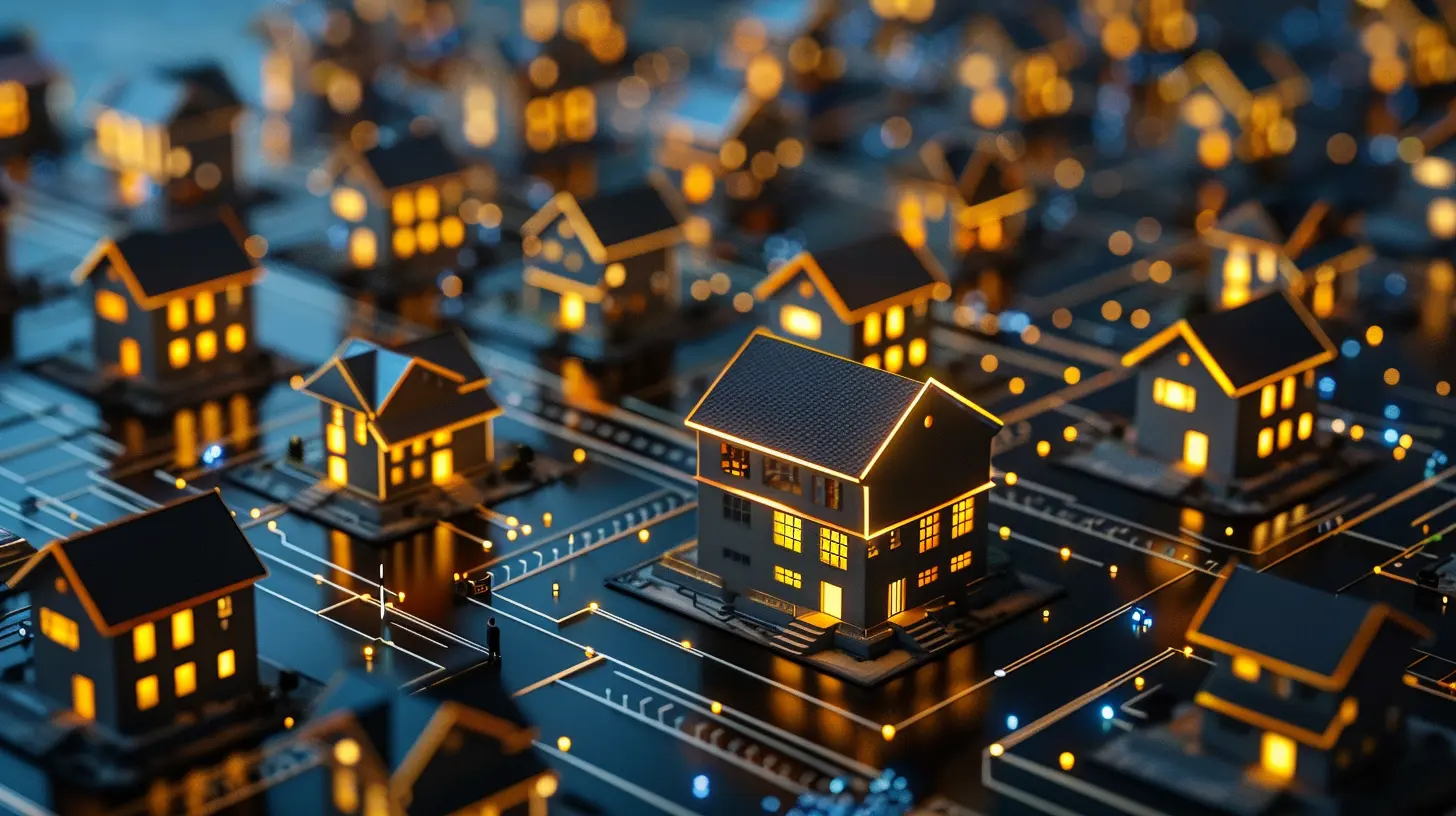
What is Blockchain, and Why Should You Care?
Alright, let’s start simple. Blockchain is like a digital ledger—think of it as a magical notebook that records every transaction securely and transparently. Unlike traditional databases controlled by banks or governments, blockchain is decentralized (fancy word for "nobody owns it"), making it nearly impossible to tamper with.So why should you care? Because blockchain has the potential to cut out the middlemen, speed up transactions, and make the real estate process less of a headache. 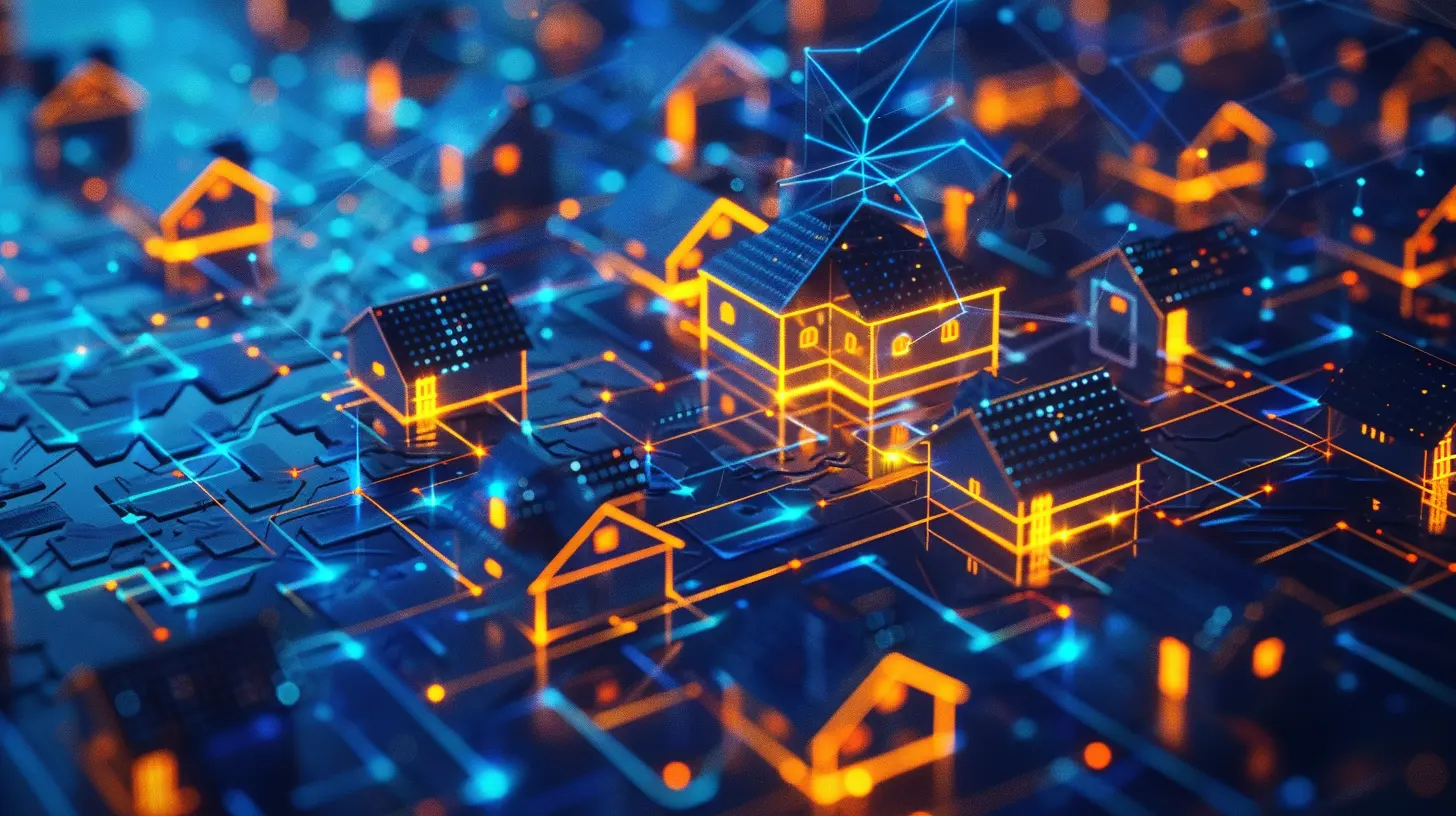
The Current Real Estate Nightmare (And Why It Needs a Makeover)
Buying a house today feels like navigating an endless obstacle course. You’ve got:- Mountains of paperwork – Contracts, deeds, mortgage documents… the list goes on.
- Endless middlemen – Brokers, banks, title companies, notaries… you name it.
- A painfully slow process – Escrow periods, legal checks, and bureaucratic delays make closing a deal take forever.
Now, imagine if all of that could be simplified. Blockchain is stepping up, ready to put on its superhero cape and save the day. 
How Blockchain is Shaking Up Real Estate Transactions
Now that we’ve set the stage, let’s dive into the ways blockchain is revolutionizing real estate.1. Smart Contracts: No More Trust Issues
Ever played a game of telephone where the message gets twisted by the time it reaches the last person? That’s kind of how real estate transactions work today—too many hands in the pot, and mistakes happen.Blockchain introduces smart contracts, which are self-executing contracts with terms written directly into code. No need to rely on attorneys or banks to enforce agreements—once conditions are met, the contract executes itself.
What does this mean for you? Faster transactions, fewer legal fees, and no more worrying about someone backing out at the last minute.
2. Say Goodbye to Fraud and Title Disputes
Title fraud is a real problem. Imagine waking up one day and discovering someone "sold" your house without you knowing. Nightmare, right?With blockchain, property titles can be stored securely and updated in real time. Since blockchain records are immutable (a fancy way of saying "they can't be changed"), fraudsters are out of luck.
Gone are the days of needing stacks of paper to prove you own your home. A simple blockchain record does the job.
3. Faster, Cheaper Transactions (Because Who Likes Extra Fees?)
Let’s be real—nobody enjoys fees. Bank fees, lawyer fees, broker commissions… it all adds up. Traditional real estate transactions go through a maze of intermediaries, each taking their cut.Blockchain cuts through this mess by allowing direct peer-to-peer transactions. Buyers and sellers can interact seamlessly without a third party sucking up their money. That means lower costs, fewer delays, and a more streamlined process overall.
It’s like booking a flight directly instead of paying extra through a travel agent—simple, right?
4. Greater Transparency (Because No One Likes Hidden Surprises)
Ever feel like buying a house is like playing poker? You’re never quite sure if you’re getting the full picture.Blockchain brings transparency like never before. Every transaction is logged on a public ledger, making it nearly impossible to hide important details. Buyers can see the full history of a property, past owners, and any legal issues—all with the click of a button.
No more shady deals or sketchy surprises.
5. Real Estate Tokenization: Buy a Piece of a House Like You Buy Stocks
Picture this—you love a penthouse in New York City but don’t have a million bucks lying around. What if you could buy just a fraction of it?Blockchain enables real estate tokenization, where properties are divided into digital shares, allowing people to invest in real estate just like stocks. This opens up massive opportunities for small investors who otherwise couldn’t afford to get into the market.
With tokenization, real estate investment becomes more accessible, liquid, and democratized. 
But Wait… Is It All Sunshine and Rainbows?
As exciting as blockchain sounds, let’s not get ahead of ourselves. There are still challenges to overcome, like:- Regulatory hurdles – Governments are still figuring out the legal side of things.
- Adoption hesitancy – Not everyone is ready to ditch traditional real estate processes.
- Technology learning curve – Grandma might need a little help understanding blockchain (no offense, Grandma).
But like all major innovations, adoption takes time. Remember when people thought the internet was just a fad? Look at us now!
The Future: Is Blockchain the New Norm for Real Estate?
We’re not saying blockchain will take over real estate overnight, but it’s clear that change is coming. The traditional real estate model is outdated, and blockchain offers solutions that are too good to ignore.In the coming years, we’ll likely see more governments and real estate giants embracing blockchain technology. And who knows? Maybe one day, buying a house will be as easy as buying a cup of coffee with your phone.
Until then, keep an eye on how blockchain continues to shape the future of real estate—because this revolution is just getting started.
Final Thoughts: Are You Ready for a Blockchain-Powered Housing Market?
If you’ve ever been stuck in a painful real estate transaction, you know the system needs a shake-up. Blockchain is here to do just that—cut costs, speed up deals, and bring transparency we’ve never seen before.So, next time you’re scrolling through Zillow dreaming about your next home, just imagine a world where buying it is as easy as tapping a button. That future isn’t far off.
all images in this post were generated using AI tools
Category:
Real Estate TechnologyAuthor:

Elsa McLaurin
Discussion
rate this article
2 comments
Sarah Mitchell
Blockchain in real estate? Finally, a tech solution that cuts the red tape! Who knew buying a house could be as smooth as my morning coffee?
January 25, 2026 at 4:27 AM
Elsa McLaurin
Absolutely! Blockchain has the potential to simplify and secure real estate transactions, making the process much more efficient. Cheers to smoother home buying!
Ivory McKale
Oh sure, because when I think of a smooth home-buying experience, my first thought is definitely blockchain technology! Nothing says "stress-free" like trying to understand a digital ledger while juggling mortgage papers. Can’t wait for the fun!
December 24, 2025 at 7:26 PM
Elsa McLaurin
I understand your concerns! While blockchain may seem complex, it aims to simplify processes and increase transparency in real estate transactions. It’s all about long-term benefits!