Co-Living Spaces: A Growing Trend Through 2027
15 September 2026

Introduction
Co-living spaces have emerged as a significant trend in the real estate market, especially in urban areas. As housing prices continue to rise and the demand for affordable living options increases, co-living offers a unique solution. This article delves into the growth of co-living spaces, their benefits, challenges, and what the future holds through 2027.
What Are Co-Living Spaces?
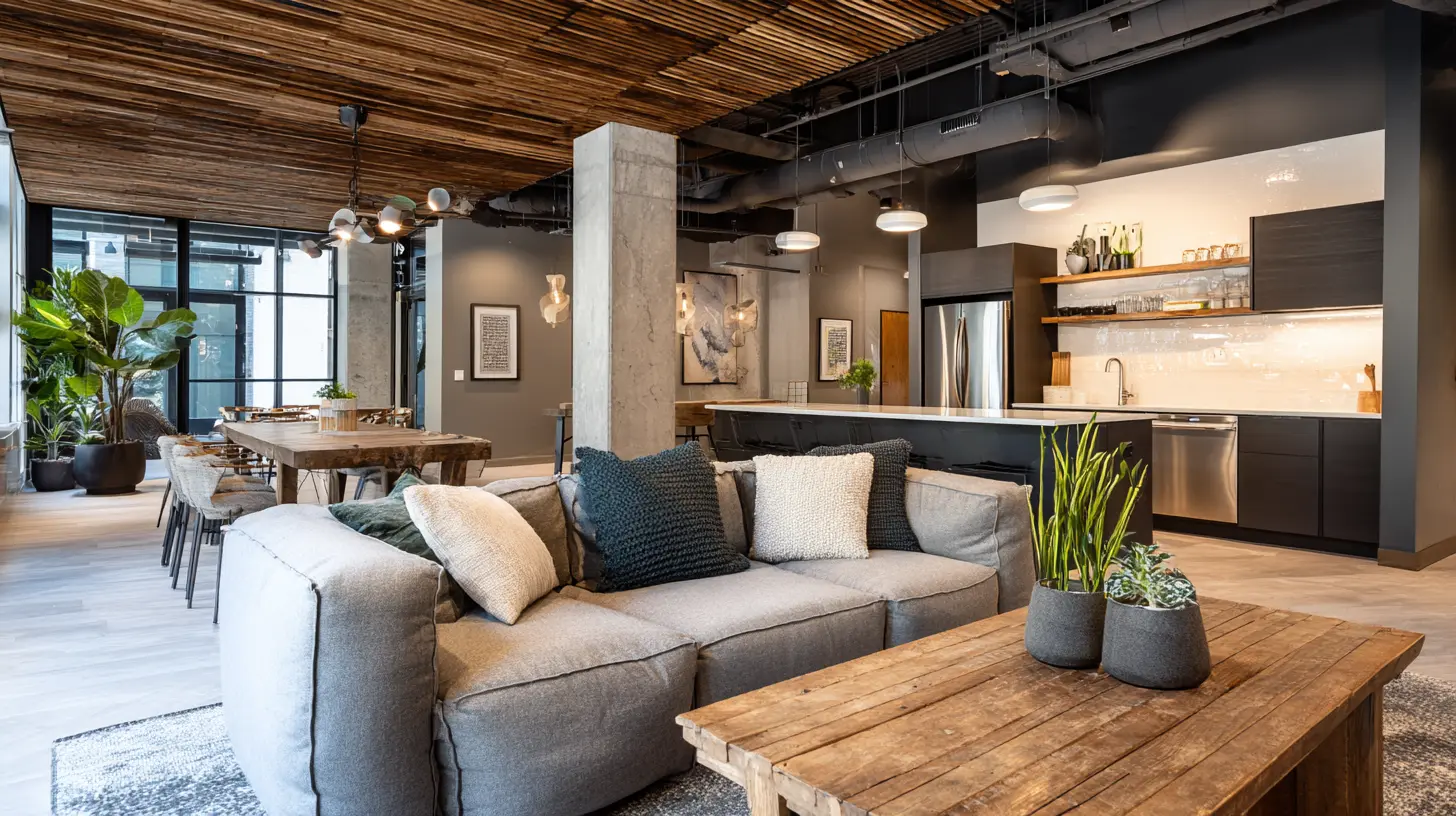
Co-living spaces are shared housing arrangements where residents have private bedrooms but share communal areas such as kitchens, living rooms, and bathrooms. This model fosters a sense of community while providing affordable living options. Typically, co-living spaces target young professionals, students, and individuals seeking flexibility and connection.Key Features of Co-Living Spaces
1. Shared Amenities: Co-living spaces usually come with shared facilities like gyms, coworking spaces, and social areas. This setup encourages interaction among residents and helps build a community.2. Flexible Lease Terms: Many co-living arrangements offer short-term leases, catering to those who may not want to commit to a long-term rental agreement. This flexibility appeals to transient populations, such as students or digital nomads.
3. Fully Furnished Units: Most co-living spaces are furnished and equipped with essential utilities, making the move-in process seamless and hassle-free.
4. Community Events: Many co-living companies organize social events, workshops, and activities to foster connections among residents. These events can range from movie nights to professional networking opportunities.
The Rise of Co-Living Spaces
Economic Factors
The housing market has experienced significant shifts over the past decade. Rising property prices in urban centers have made traditional renting increasingly unaffordable for many. Co-living spaces present a viable alternative, offering lower costs per square foot compared to traditional apartments.Changing Demographics
Younger generations, particularly millennials and Gen Z, prioritize experiences and community over ownership. This demographic shift has led to a demand for living arrangements that facilitate social interactions and shared experiences.Technological Advancements
The rise of technology has made it easier to manage co-living spaces. From online booking systems to community apps, technology enhances the co-living experience by streamlining operations and facilitating communication among residents.
Benefits of Co-Living Spaces
Affordability
One of the most appealing aspects of co-living is affordability. By sharing living spaces and amenities, residents can significantly reduce their housing costs. This is particularly beneficial in high-cost cities where traditional rentals may be out of reach.Community and Networking
Co-living spaces create a built-in community, making it easier for residents to connect and network. This aspect is especially valuable for young professionals looking to expand their social circles and professional networks.Flexibility
The flexible lease options available in co-living spaces cater to individuals who may not want to commit to a long-term lease. This flexibility allows residents to adapt their living situations as their circumstances change.Convenience
With fully furnished units and included utilities, co-living spaces offer a level of convenience that traditional rentals may lack. Residents can move in with minimal preparation, making it an attractive option for those relocating for work or study.Challenges of Co-Living Spaces
Privacy Concerns
While co-living promotes community, it can also lead to privacy issues. Residents may find it challenging to establish personal boundaries in shared living environments. It is essential for co-living operators to create guidelines that respect individual privacy.Compatibility Issues
Living with strangers can lead to conflicts, especially if residents have different lifestyles or expectations. Successful co-living arrangements often involve careful screening processes to ensure compatibility among residents.Management and Maintenance
Co-living spaces require effective management to maintain communal areas and ensure a harmonious living environment. Poor management can lead to dissatisfaction among residents, which can negatively impact the overall experience.Regulatory Challenges
As the co-living trend grows, so do regulatory challenges. Local governments may impose restrictions on shared living arrangements, affecting the viability of co-living operators. It is crucial for operators to stay informed about local regulations and adapt accordingly.
Future Outlook: Co-Living Through 2027
Market Growth
The co-living market is expected to continue growing through 2027, driven by ongoing demand for affordable housing and community-oriented living. According to industry reports, the global co-living market could reach billions in revenue as more people seek these alternatives.Innovative Designs
As competition increases, co-living spaces will likely evolve to offer more innovative designs that enhance the living experience. This could include eco-friendly buildings, smart home technology, and unique communal spaces that cater to diverse lifestyles.Diverse Offerings
The future of co-living may see a rise in niche co-living spaces that cater to specific demographics, such as artists, tech professionals, or retirees. These tailored offerings can create more targeted communities and enhance the overall living experience.Integration with Urban Development
Co-living spaces are likely to become an integral part of urban development projects. Cities may incorporate co-living options into new developments to address housing shortages and promote community living.Best Practices for Co-Living Operators
Focus on Community Building
Operators should prioritize community-building initiatives, such as social events and workshops. Encouraging resident interaction fosters a positive living environment and enhances the overall appeal of the space.Implement Clear Guidelines
Establishing clear guidelines for shared living can help mitigate conflicts and ensure a harmonious atmosphere. These guidelines should address issues such as cleanliness, noise levels, and guest policies.Utilize Technology
Investing in technology can streamline operations and enhance the resident experience. From online booking systems to community apps, technology can facilitate communication and improve management efficiency.Regular Maintenance
Ensuring that communal areas are well-maintained is crucial for resident satisfaction. Operators should implement regular maintenance schedules to keep shared spaces clean and functional.Stay Informed on Regulations
Co-living operators must stay updated on local housing regulations and zoning laws. Understanding the legal landscape can help operators navigate challenges and adapt their business models accordingly.
Common Mistakes to Avoid
Neglecting Resident Feedback
Failing to gather and act on resident feedback can lead to dissatisfaction and high turnover rates. Operators should regularly solicit input from residents to identify areas for improvement.Overlooking Compatibility
Not prioritizing compatibility during the resident selection process can result in conflicts and a negative living experience. Operators should implement screening processes to ensure a good fit among residents.Ignoring Marketing Strategies
Effective marketing is essential for attracting residents to co-living spaces. Operators should develop targeted marketing strategies that highlight the unique benefits of their offerings.Underestimating Management Needs
Co-living spaces require dedicated management to ensure smooth operations. Operators should be prepared to invest in management resources to maintain a positive living environment.Conclusion
Co-living spaces represent a growing trend in the real estate market, offering affordable and community-oriented living solutions. As we move towards 2027, the demand for co-living is expected to rise, driven by economic factors, changing demographics, and the desire for flexibility. For operators, understanding the benefits and challenges of co-living is essential for success. By implementing best practices and avoiding common pitfalls, they can create thriving communities that meet the needs of modern residents.
all images in this post were generated using AI tools
Category:
Housing TrendsAuthor:

Elsa McLaurin